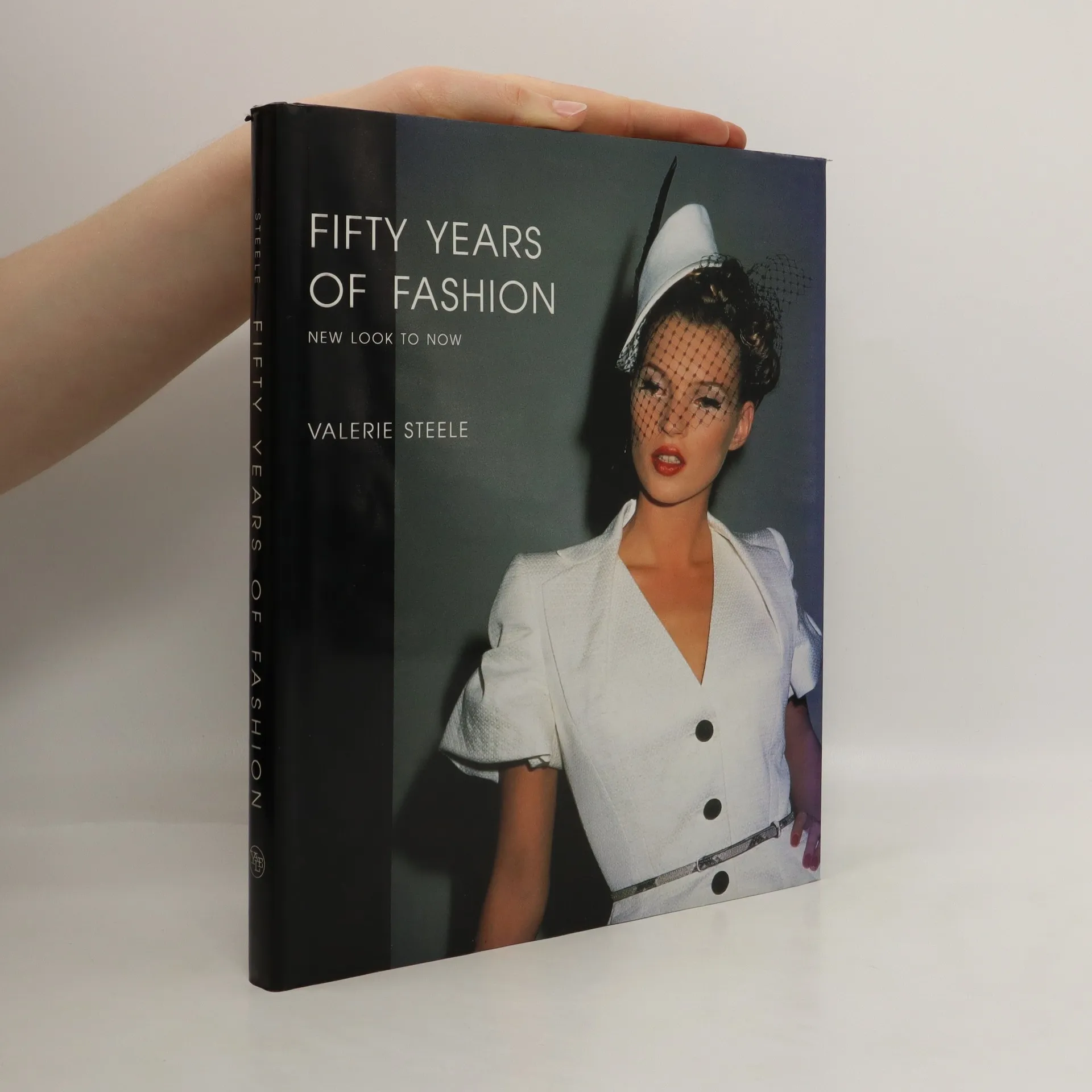
Tato autorka zkoumá módu jako formu uměleckého vyjádření, která odráží společenské a kulturní trendy. Její práce se zaměřuje na historický vývoj oděvu a jeho vliv na vizuální kulturu. Prostřednictvím hloubkové analýzy a kurátorského přístupu odhaluje komplexní vztahy mezi textilem, tělem a identitou. Důraz je kladen na pochopení módy nejen jako trendu, ale jako zásadního sociálního a estetického fenoménu.
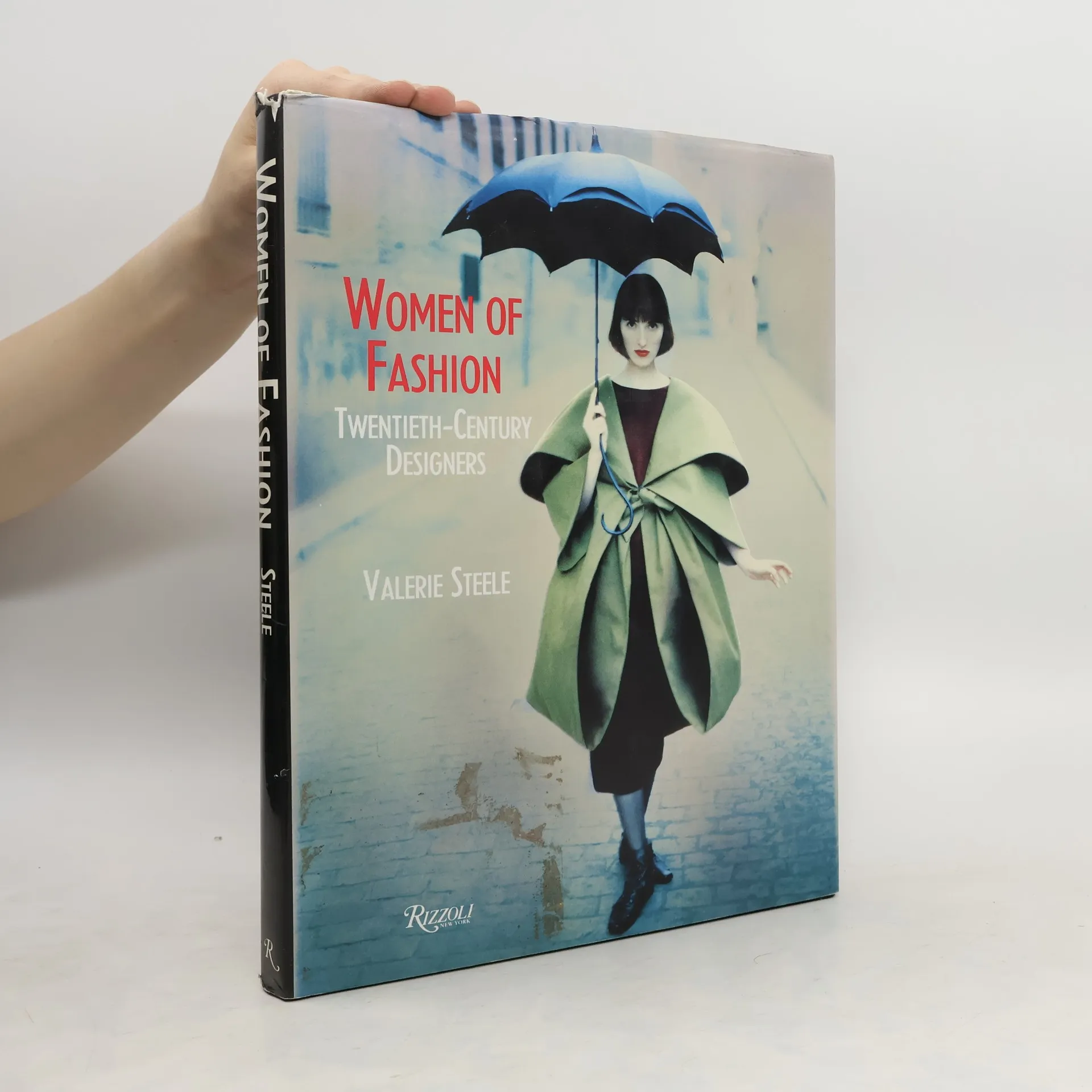
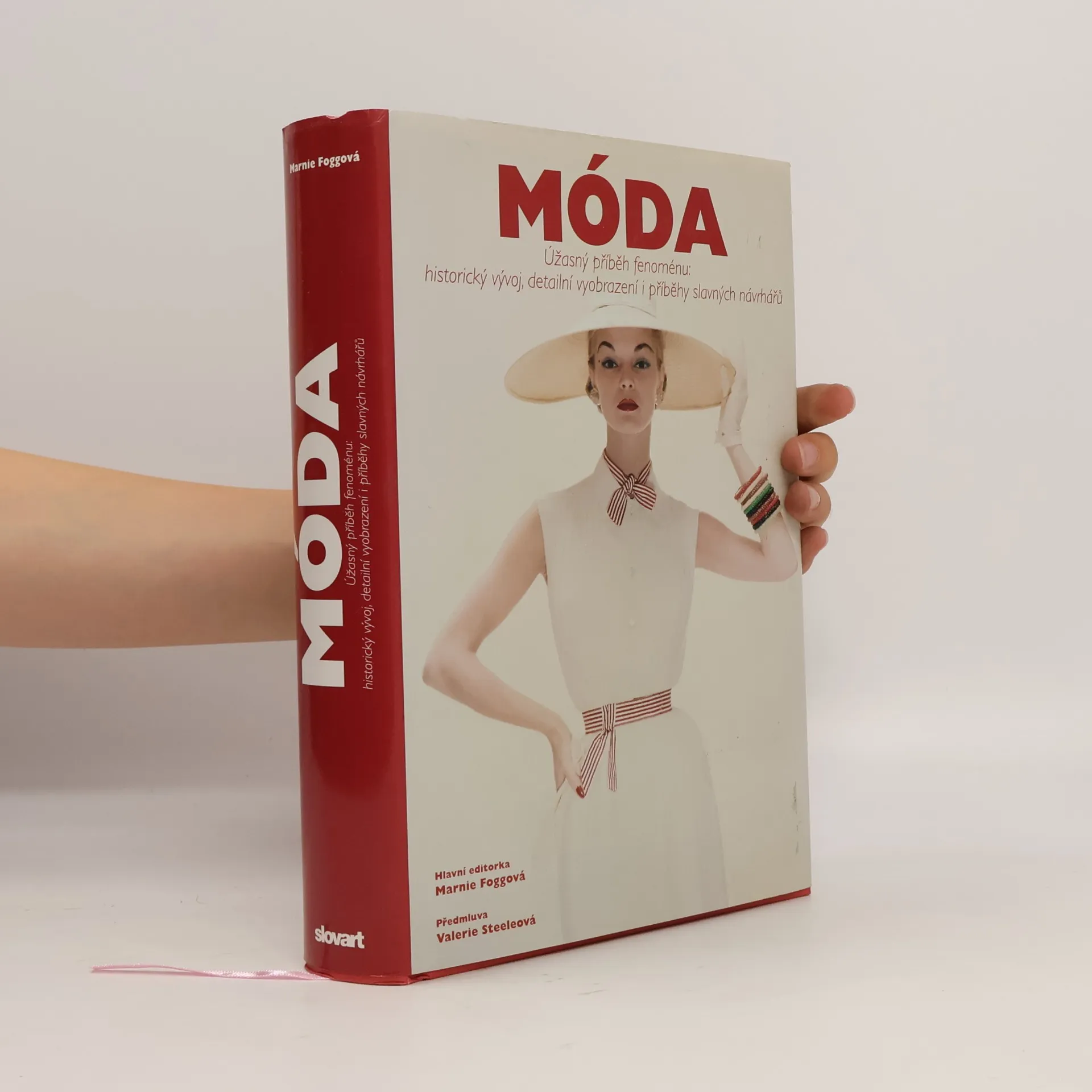
Historický vývoj, detailní vyobrazení i příběhy slavných návrhářů Tato ambiciózní a fascinující kniha se vydává po stopách dějin módy do všech částí světa od nařasených řecko-římských oděvů a hedvábných dvorních šatů čínské dynastie Tchang k současným návrhářům sportovních oděvů a japonské streetové kultuře. Příběh módy je zpracován chronologicky a popisuje vývoj módy období za obdobím a trend za trendem. Podrobné časové osy nabízejí historický a kulturní kontext. Móda je nepostradatelná pro každého, kdo miluje velké večerní šaty, prvotřídní obleky, raduje se z páru skvělých bot nebo se jen zkrátka rád obléká.
From its origins in the eighteenth-century literature of terror to its contemporary manifestations in vampire fiction, cinema, and art, the gothic has embraced the powers of horror and the erotic macabre. “Gothic” is an epithet with a strange history – evoking images of death, destruction, and decay. Ironically, its negative connotations have made the gothic an ideal symbol of rebellion for a wide range of cultural outsiders. Popularly associated with black-clad teenagers and rock musicians, gothic fashion encompasses not only subcultural styles (from old-school goth to cyber-goth and beyond) but also high fashion by such designers as Alexander McQueen, John Galliano of Christian Dior, Rick Owens, Olivier Theyskens, and Yohji Yamamoto. Fashion photographers, such as Sean Ellis and Eugenio Recuenco, have also drawn on the visual vocabulary of the gothic to convey narratives of dark glamour. As the text and lavish illustrations in this book suggest, gothic fashion has deep cultural roots that give it an enduring potency.
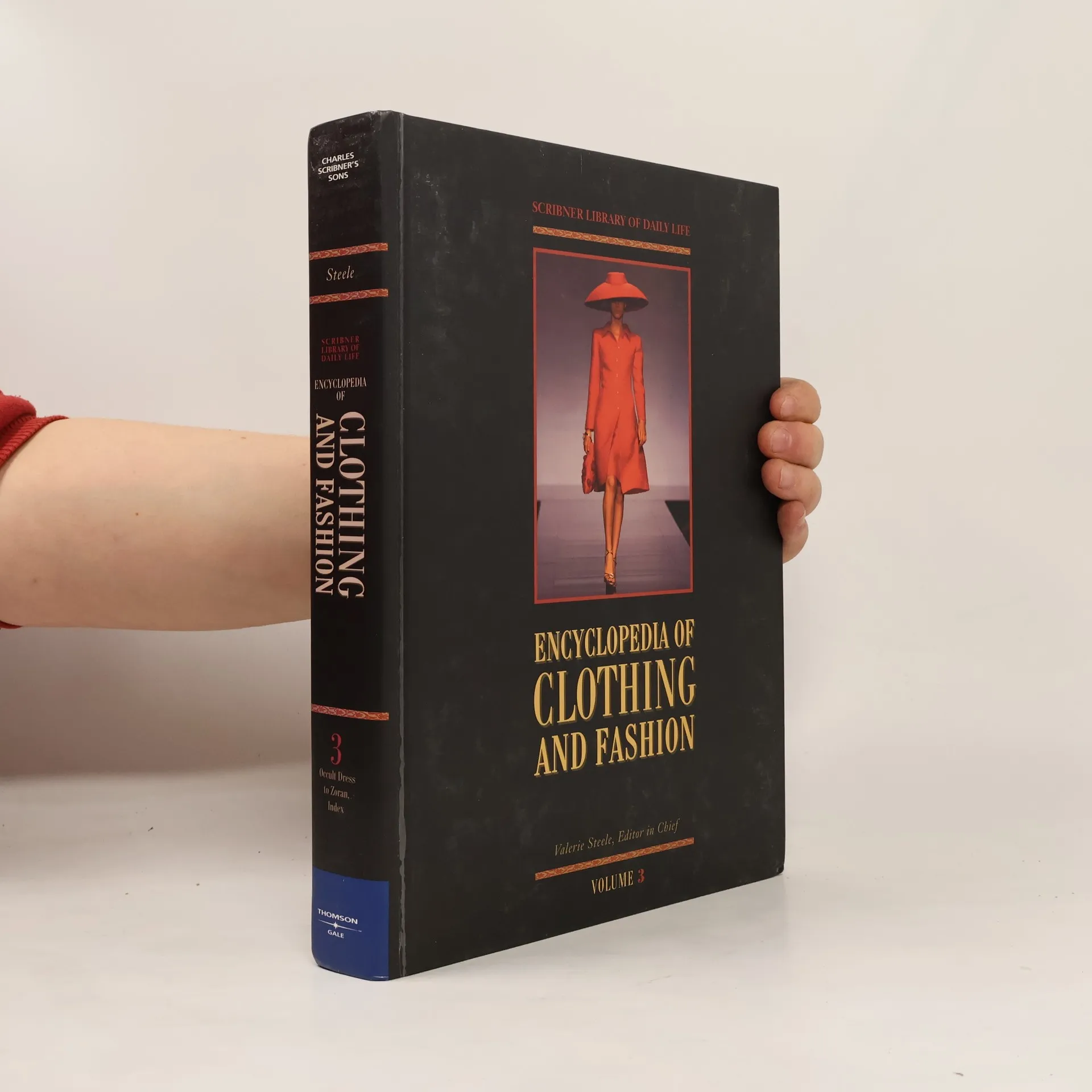
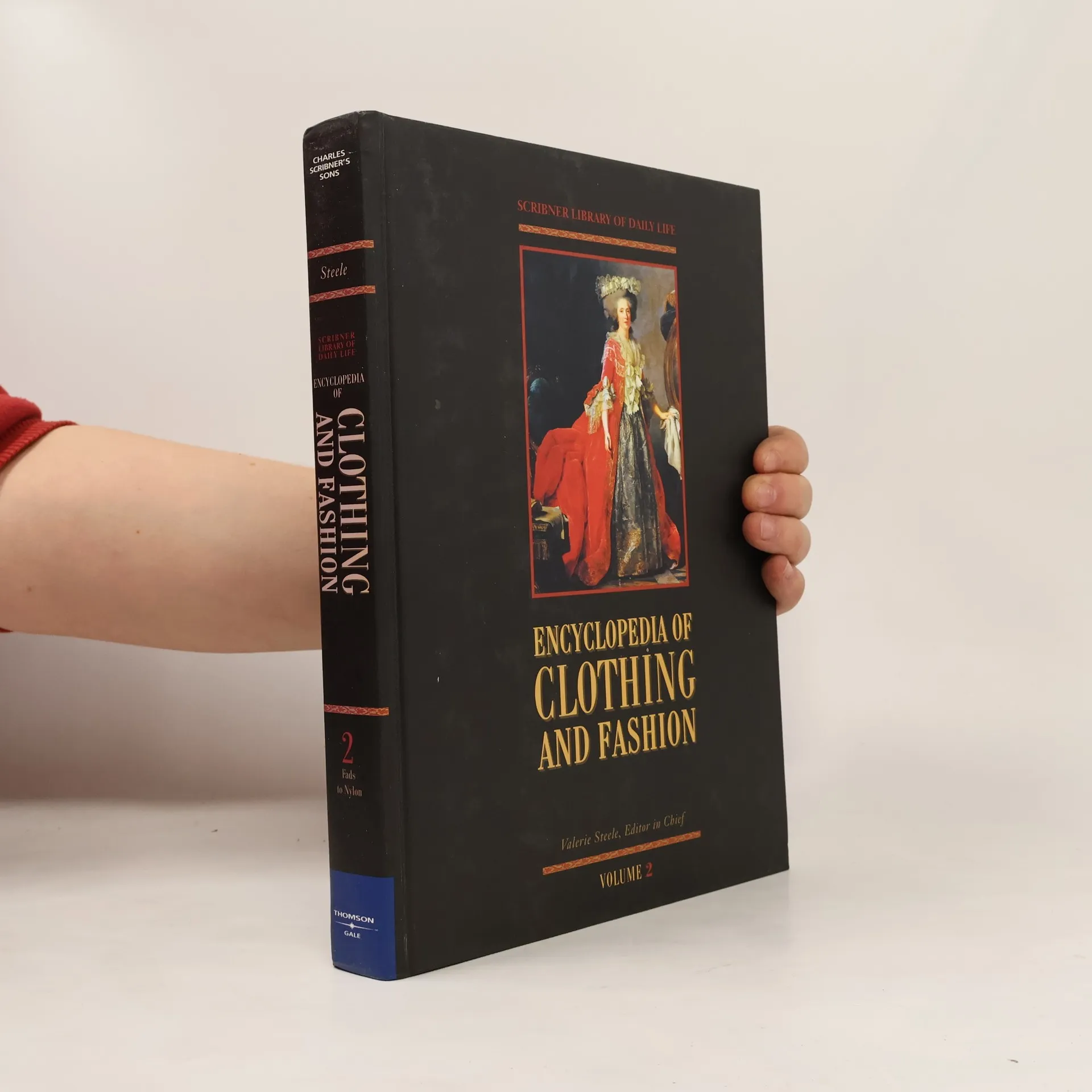
**Volume 3 Occult Dress to Zoran + Index** This reference set provides information on all aspects of clothing and adornment in human culture, from ancient Egyptian wigs to space suits. From ritual garments in societies around the world to fashion models flashing the latest styles on Parisian runways, articles cover the technology, design, and social meaning of dress throughout history. Longer essays on cultural groups and eras appear along side shorter profiles of important people, institutions, textiles, or accessories in a convenient, A-Z sequence. Perspectives from fashion design, anthropology, art history, sociology, business, and history enrich the articles. All entries signed by specialist contributors, include bibliographies and references to related topics. Hundreds of photographs, color insert sections, and line drawings add to the set's appeal for students in high school through college, as well as journalists, designers, and anyone interested in this fascinating facet of everyday life and in this essential field of human creativity.
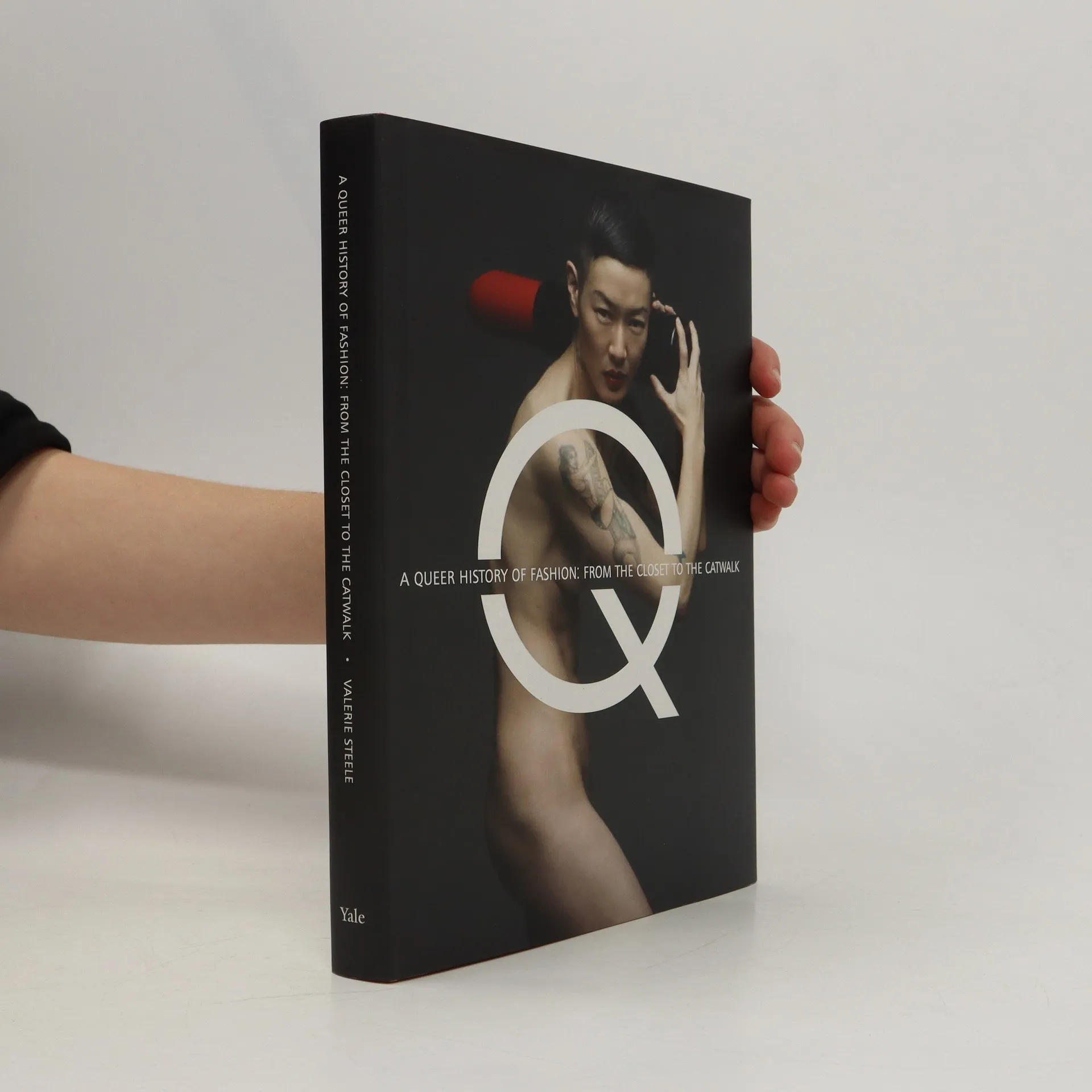
From Christian Dior to Yves Saint Laurent and Alexander McQueen, many of the greatest fashion designers of the past century have been gay. This provocative book looks at the history of fashion through a queer lens, examining high fashion as a site of gay cultural production and exploring the aesthetic sensibilities and unconventional dress of LGBTQ people to demonstrate the centrality of gay culture to the creation of modern fashion.
Dress and adornment have long played an important role in the visual allure of dance, and fashion designers have often been inspired by the way dancers look. The tutus and pointe shoes of the Romantic ballerina, for example, have influenced designers from Christian Dior to Christian Louboutin. Cristóbal Balenciaga was inspired by the drama of flamenco, Yves Saint Laurent by the Orientalism of the Ballet Russes, and Rick Owens by the dynamism of African-American steppers. Fashion designers are also increasingly collaborating with choreographers to create stylish new dance costumes—from the “bump” dresses by Comme des Garçons for Merce Cunningham to Valentino’s “Bal de Couture” designs for New York City Ballet. Lavishly illustrated with both contemporary and historical images, the book features essays by ten fashion experts, who explore various aspects of the reciprocal relationship between dance and fashion, from the liberating effects of the tango to the influence of ballet on Japanese girl culture. Designers featured include Leon Bakst, Cristóbal Balenciaga, Comme des Garçons, Christian Dior, John Galliano, Jean Paul Gaultier, Halston, Barbara Karinka, Isaac Mizrahi, Rodarte, Yves Saint Laurent, Riccardo Tisci of Givenchy, Valentino, and Iris Van Herpen. This beautiful book explores for the first time the synergy between dance and fashion, and is an original and inspired contribution to the study of both art forms.
The concept of fetishism has recently assumed a growing importance in critical thinking about the cultural construction of sexuality. Yet until now no scholar with an in-depth knowledge of fashion history has studied the actual clothing fetishes themselves. Nor has there been a serious exploration of the historical relationship between fashion and fetishism, although erotic styles have changed significantly and "sexual chic" has become increasingly conspicuous. Marshalling a dazzling array of evidence from pornography, psychology, and history, as well as interviews with individuals involved in sexual fetishism, sadomasochism, and cross-dressing, Steele illuminates the complex relationship between appearance and identity. Based on years of research, her book Fetish: Fashion, Sex & Power explains how a paradigm shift in attitudes toward sex and gender has given rise to the phenomenon of fetish fashion.
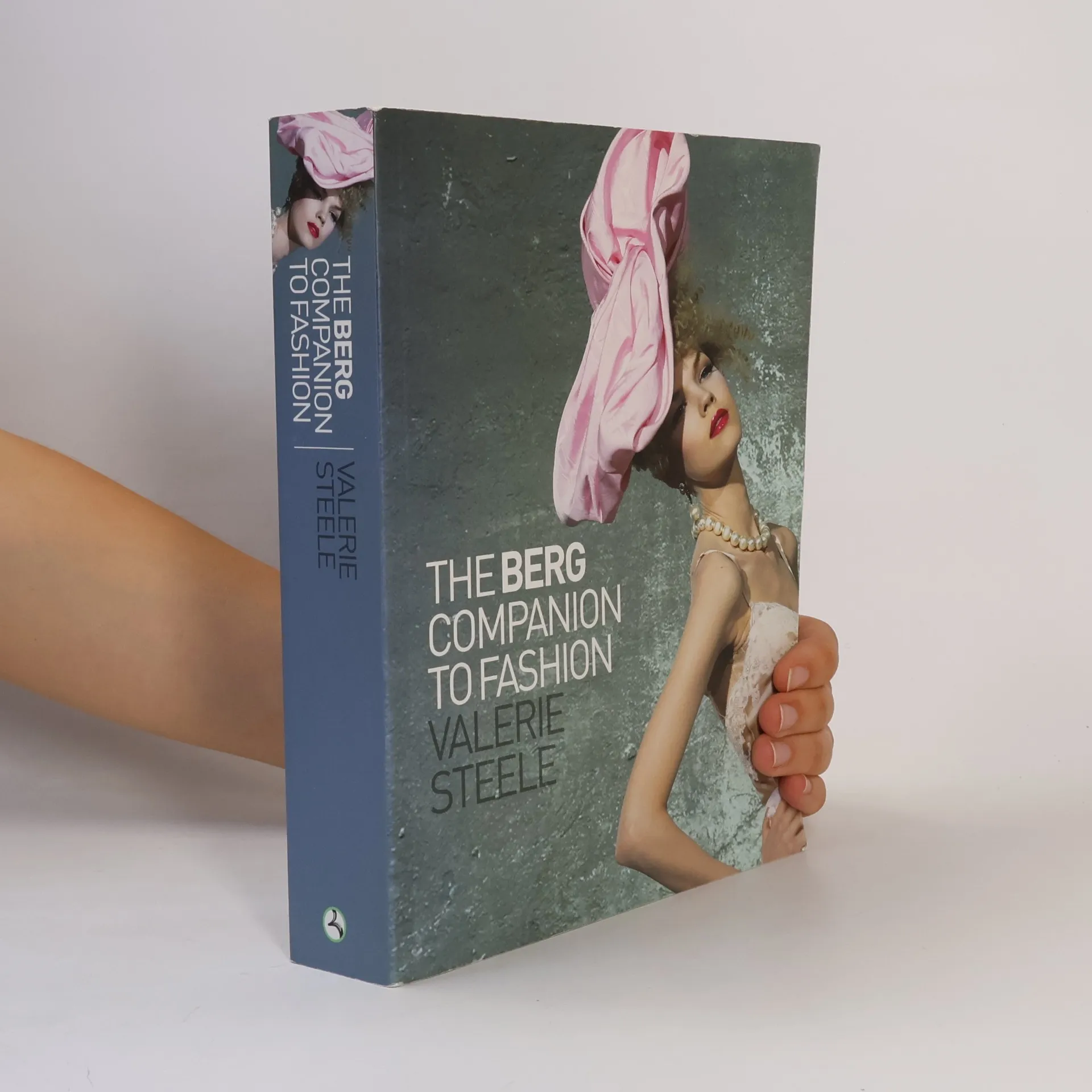
Derided by some as frivolous, even dangerous, and celebrated by others as art, fashion is anything but a neutral topic. Behind the hype and the glamour is an industry that affects all cultures of the world. A potent force in the global economy, fashion is also highly influential in everyday lives, even among those who may feel impervious. This handy volume is a one-stop reference for anyone interested in fashion -- its meaning, history and theory. From avedon to codpiece, dandyism to the G-string, Japanese fashion to subcultures, trickle down to Zoot suit, The Berg Companion to Fashion provides a comprehensive overview of this most fascinating of topics and will serve as the benchmark guide to the subject for many years to come. This volume contains over 300 in-depth entries covering designers, articles of clothing, key concepts and styles.
Today, with the advent of “millennial pink,” the color formerly associated with Barbie has acquired a new identity. Nor is this the first time the symbolism of pink has been radically transformed. In collaboration with a major exhibition at The Museum at the Fashion Institute of Technology, curator and fashion historian Valerie Steele explores the history and significance of pink in fashion, art, and culture from the eighteenth century to the present.Steele and her co-authors tell the whole story of this controversial color, emphasizing how its meanings changed throughout the centuries and across the globe, in cultures as diverse as France, India, Japan, Mexico, and the United States. In eighteenth-century France, men and women alike wore pink, which was a fashionably “new” color. A century later, however, pink had become feminized and eroticized in the West.Pink is beautifully illustrated, with images of stunning pink fashions given context by photographs, advertisements, and works of art. It features essays by scholars across the disciplines, giving readers access to a wealth of research into subjects as diverse as Hollywood movies and the symbolism of the pink triangle. This book will appeal to those interested in fashion and culture, as well as those who love pink.
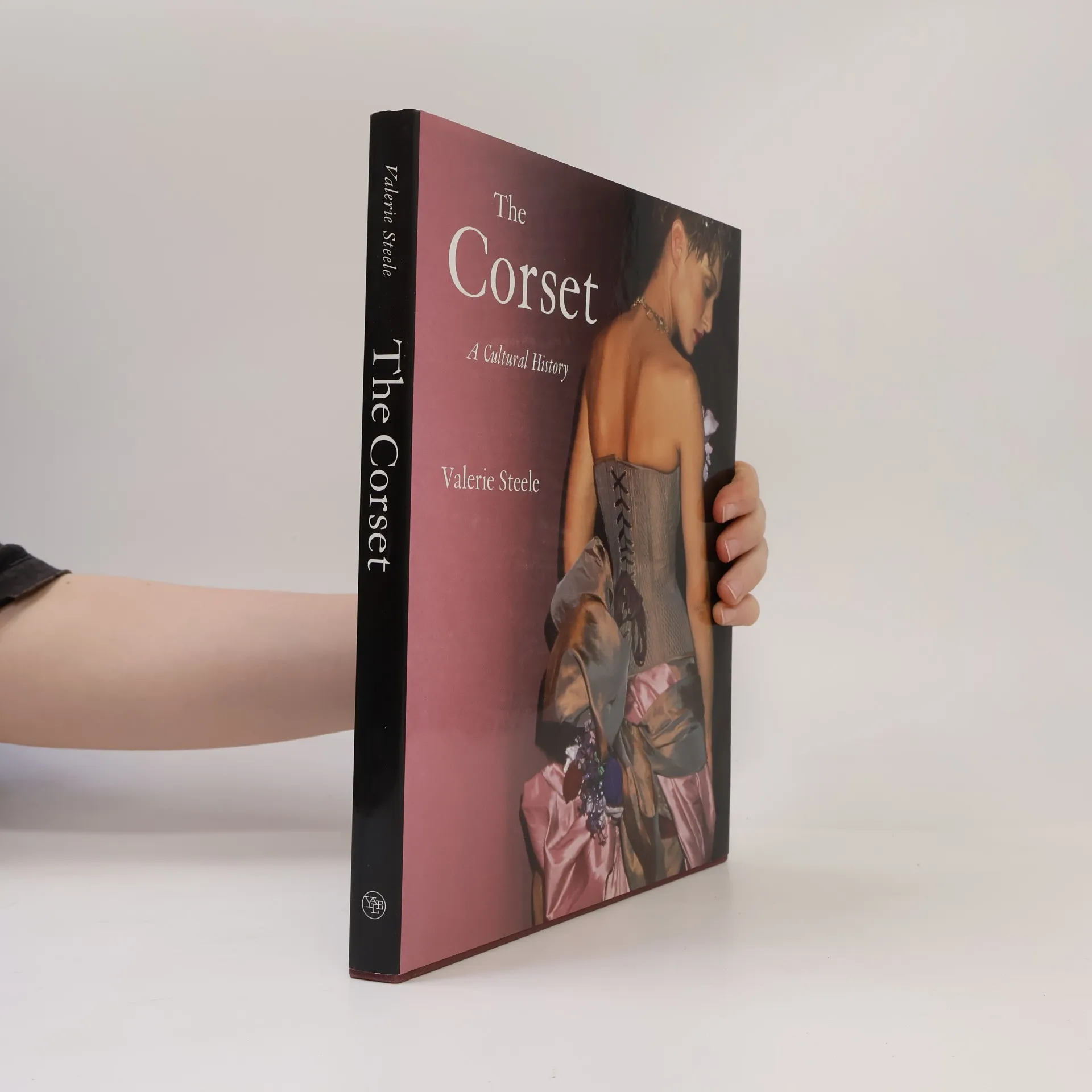
The corset stands as one of fashion's most controversial garments, viewed as both essential and torturous from the Renaissance to the twentieth century. This richly illustrated exploration delves into why women wore steel and whalebone corsets for four centuries and why they eventually abandoned them. Valerie Steele, a leading fashion historian, investigates the cultural history of the corset, debunking myths and revealing its evolving significance. Unlike many historians who frame the corset's history as a struggle between oppression and liberation, Steele argues that women's experiences with corsetry were diverse and complex. Through extensive research, she challenges the notion that corsets were inherently unhealthy or solely oppressive. Instead, women continued to wear them due to their associations with social status, self-discipline, youth, and beauty, despite opposition from male authorities. Although the corset fell out of fashion in the twentieth century, Steele notes its legacy persists, as women now substitute it with diet, exercise, and plastic surgery. The book concludes with thought-provoking analyses of the corset's recent reinterpretation as a symbol of rebellion and empowerment, its revival in high fashion, and its evolution from underwear to outerwear.
"Steele, director of the Fashion Institute of Technology Museum, has crafted, with the help of 325 contributors, an authoritative introduction to fashion, the industry, and the issues that hve defined the field. Some 640 articles describe the colorful facets of couture and textiles, from fabrics of chintz, corduroy, and feathers to such garb as aprons, bikinis, and prison dress. There are color plates and nearly 600 black-and-white illustrations. Back matter includes a comprehensive index, a timeline, and a topical outline."--"Reference that rocks," American Libraries, May 2005.
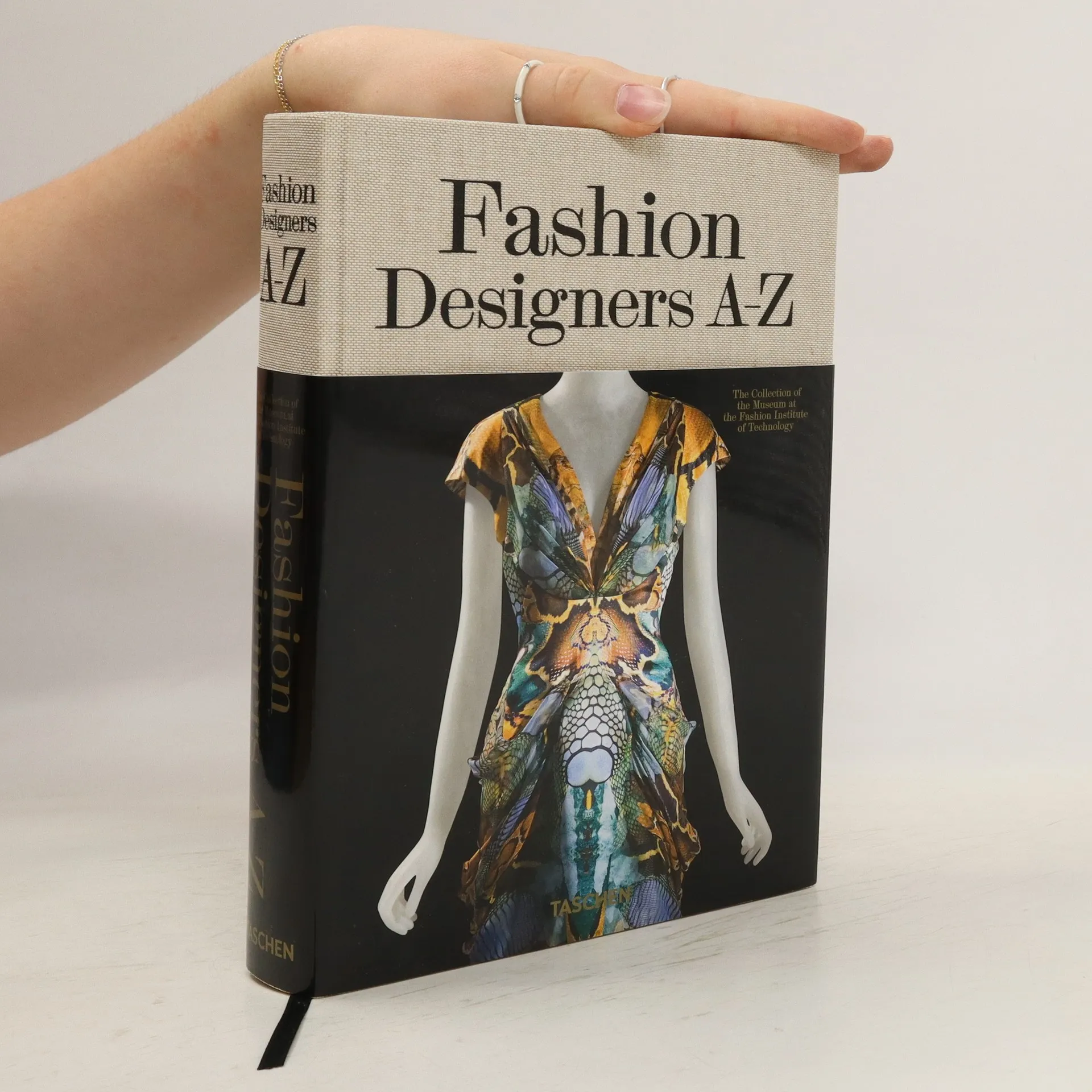
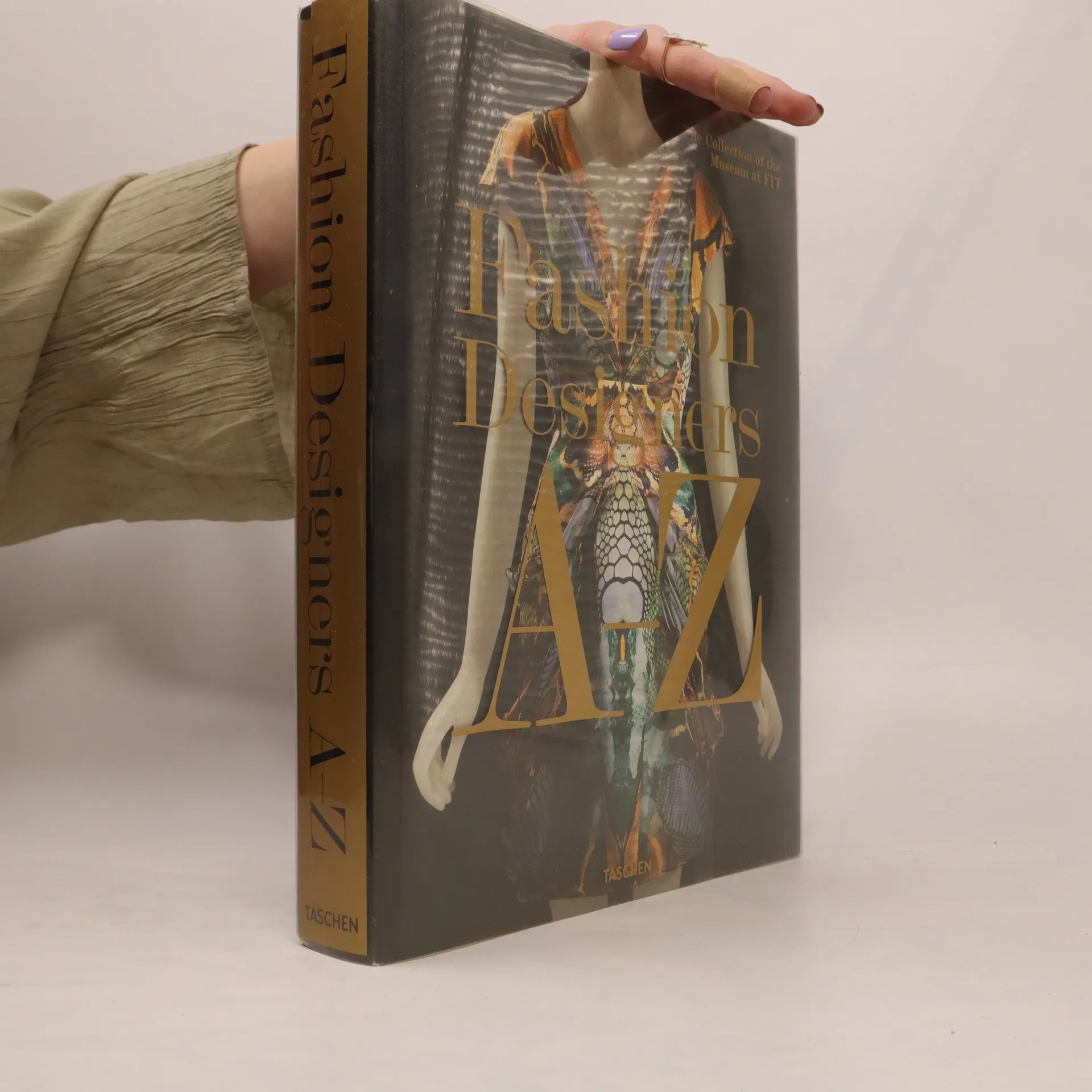
*Hardcover, clothbound with 2 color silkscreened illustration and bellyband From Azzedine Ala?a, Cristóbal Balenciaga, and Coco Chanel to Alexander McQueen, Yves Saint Laurent, and Vivienne Westwood, a century’s worth of fashion greats from the permanent collection of The Museum at the Fashion Institute of Technology in New York City are…
Das Buch beschreibt den eleganten, minimalistischen Ansatz der Luxusmarke Akris, die seit fast einem Jahrhundert besteht und eine vielfältige Kundschaft anzieht. Es fasst die einzigartige Ästhetik der Marke zusammen, einschließlich der vielen künstlerischen Referenzen von Albert Kriemler.
Von Azzedine Alaïa, Cristóbal Balenciaga und Coco Chanel bis Alexander McQueen, Yves Saint Laurent und Vivienne Westwood feiert Fashion Designers A–Z die bedeutendsten Modeschöpferinnen und Modeschöpfer der letzten 100 Jahre. Diese aktualisierte Neuausgabe des Buches enthält Fotografien von Hunderten von Kleidungsstücken aus der ständigen Sammlung des Museums im New Yorker Fashion Institute of Technology (FIT) : Von einem exquisit bestickten, samtenen Abendkleid bis zum von Mondrian beeinflussten minimalistischen Chick Schick im Stile Mondrians wurden die einzelnen Stücke nicht nur aufgrund ihrer Schönheit ausgewählt, sondern auch, weil sie als repräsentativ für die einzigartige Handschrift des kreativen Kopfes dahinter gelten dürfen. In ihrem einleitenden Essay schreibt die Direktorin und Chefkuratorin des Museums, Valerie Steele , über den Aufstieg des Modemuseums und die Entstehung der Modeausstellung als beliebtes und zugleich kontroverses Phänomen. Die internationale Stilexpertin Suzy Menkes trägt ein Vorwort bei, Texte der Kuratoren des Museums werfen historisches Licht auf jedes abgebildete Etikett und Kleidungsstück, und gezeichnete Porträts des Künstlers Robert Nippoldt ehren die dahinter stehenden Modeschöpfer.