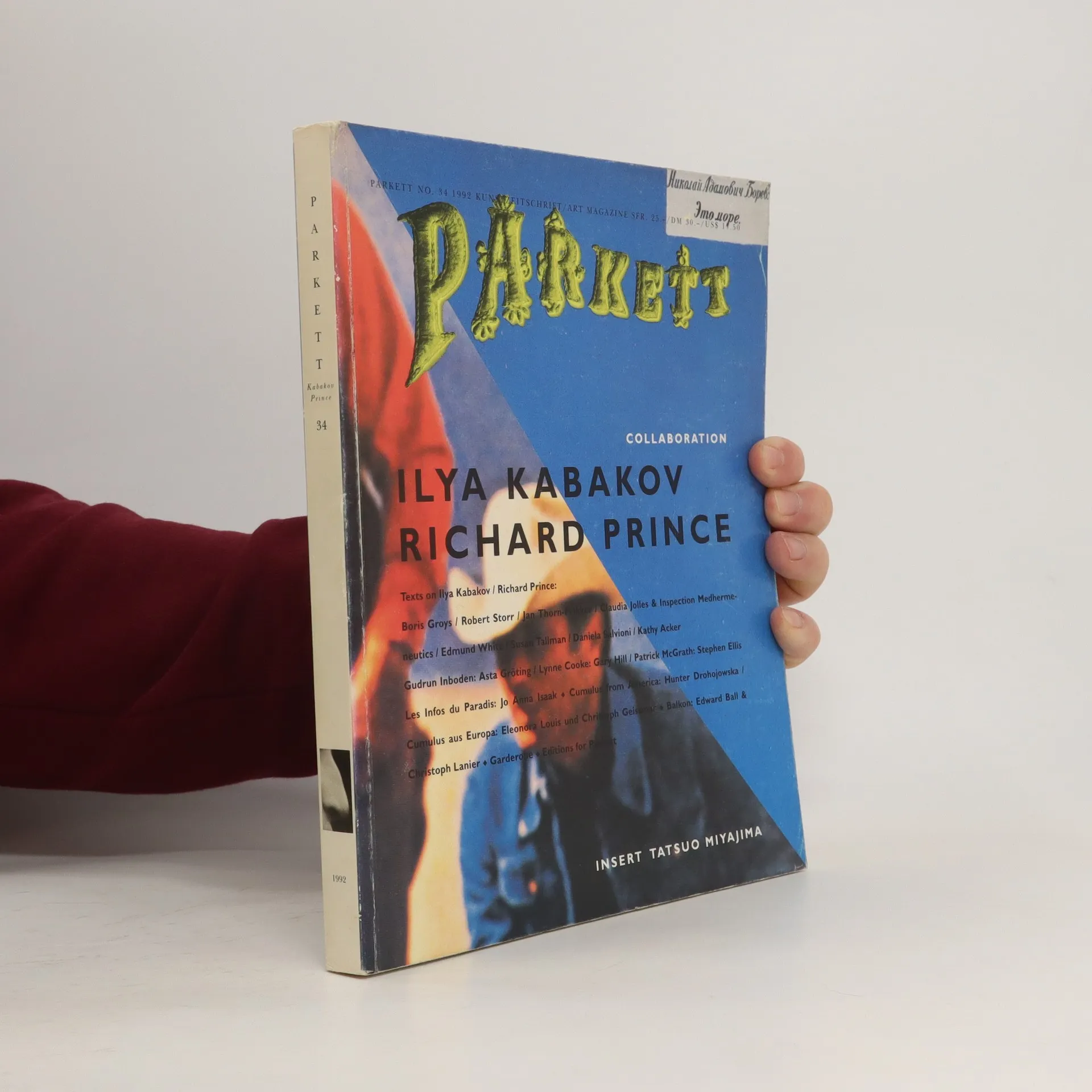
Parkett No. 34
- 300 stránek
- 11 hodin čtení


This comprehensive overview of Ilya Kabakov's installation work of the 1990s contains over 100 images across more than 400 pages, and includes Kabakov's own commentary on his works. Ilya Kabakov was born in Dnepropetrovsk, Soviet Union, in 1933; he left the country in 1984 and now lives and works in New York and Paris. Kabakov is widely regarded as the greatest contemporary Russian artist, and has received the Joseph Beuys prize and the Chevalier of Fine Arts Medal from the French ministry of culture.
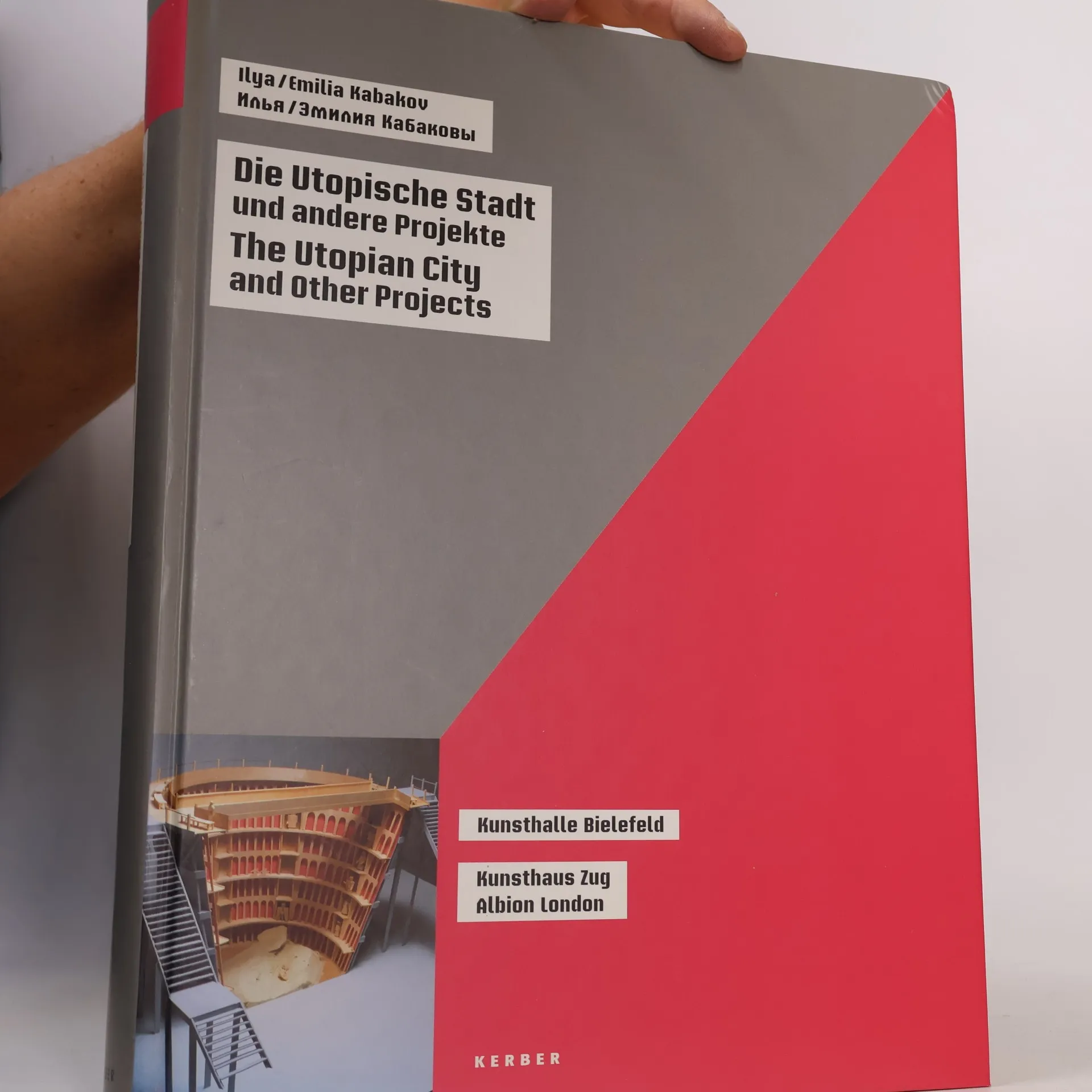
The Utopian City and Other Projects
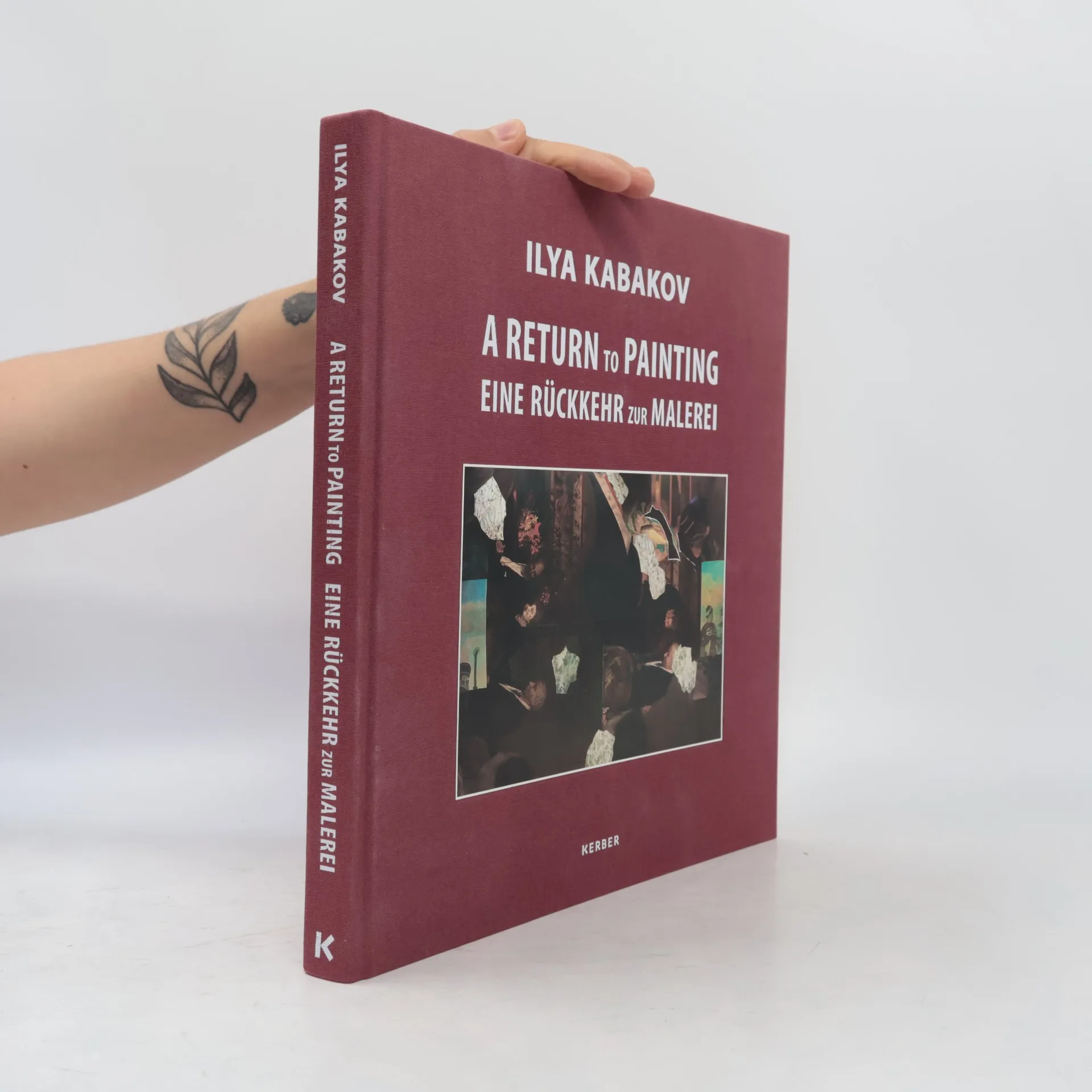
Eine Rückkehr zur malerei
Explore a captivating collection of vintage and rare books for sale, each page echoing the whispers of bygone eras and offering a unique glimpse into literary treasures of the past.
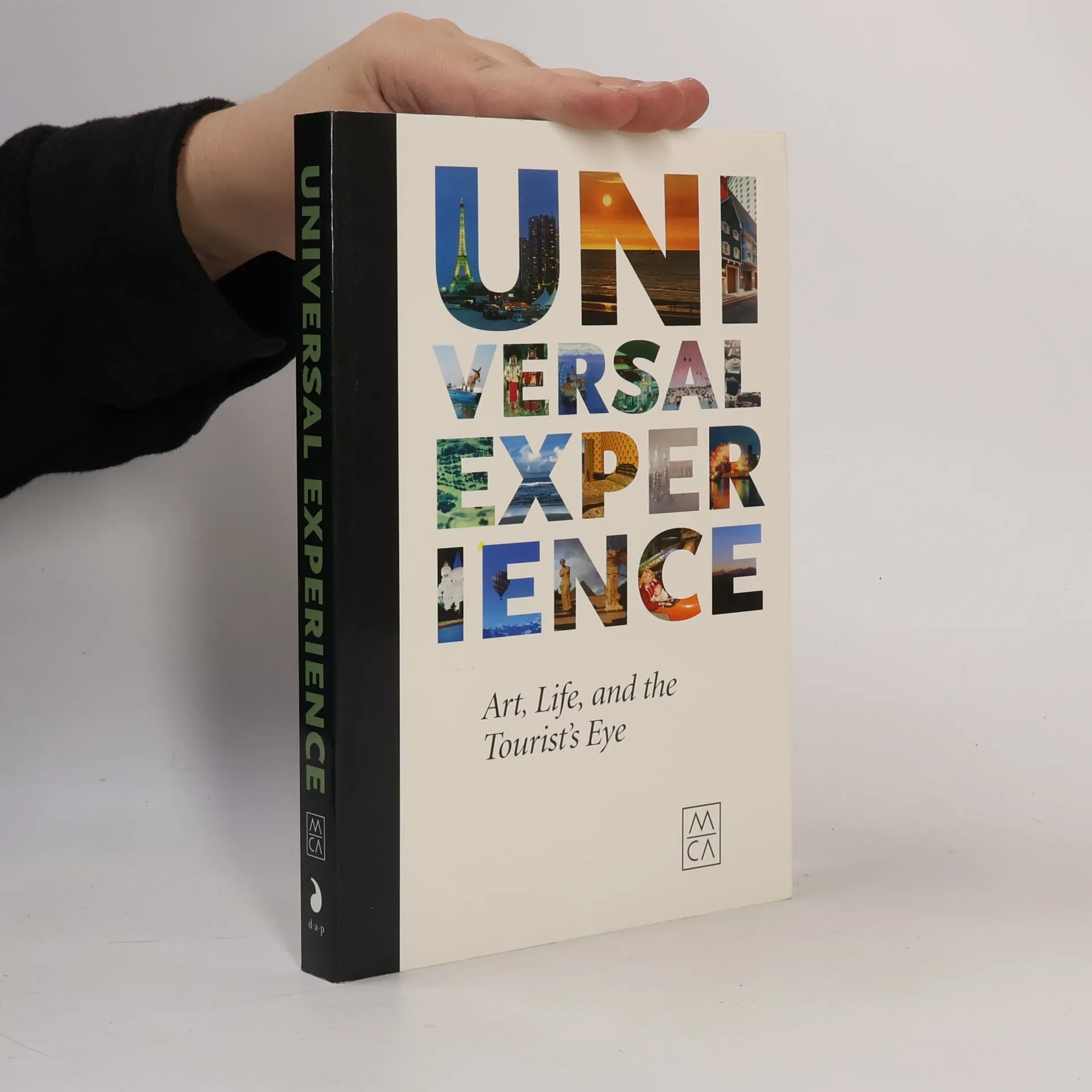
"Tourism, the largest industry in the world, is a significant force in contemporary society, with far-reaching economic, cultural, and geopolitical importance. Rather than seeking to represent tourism or travel itself, Universal Experience: Art, Life, and the Tourist's Eye considers art, history, and the social construction of places, spaces, and identities from the heightened perception of the tourist. Functioning as a guide book, a reader, and a souvenir, this lavish catalogue of the exhibition presents over 275 illustrations of thought-provoking artworks as icons and as tourist sites for exploration. A wide-ranging anthology of texts presents divergent routes and avenues through which to explore the symbols and cultural conventions created, deciphered, and disseminated by an increasingly mobile, international group of artists."--Jacket
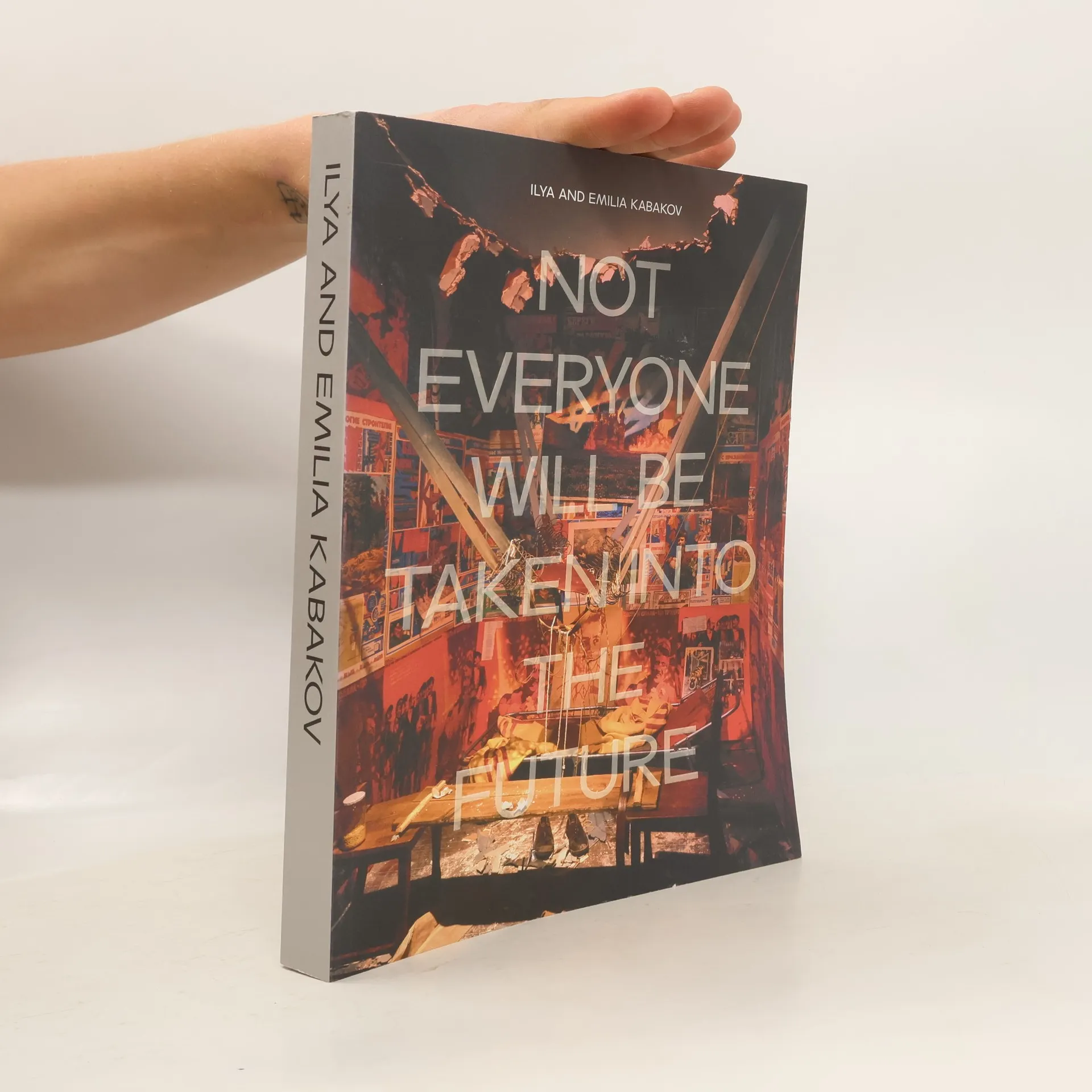
Russian-born conceptual artists Ilya and Emilia Kabakov are among the most celebrated artists of their generation. Known for their pioneering large-scale environments and installations, the artists’ work fuses the everyday with the conceptual. Deeply rooted in the visual culture of Soviet society yet speaking equally to universal themes, their work is characterized by a sense of melancholia but also by humor. This book traces a line from Ilya Kabakov’s early paintings, drawings, albums, and installations to the collaborative projects made with Emilia following his emigration to the West in 1987. Exploring themes of failed utopia and political disillusionment, as well as fantasies of escape and transcendence, the book also examines the relationship between aesthetics and politics, and the way painting has remained a central feature of their work. Texts by leading art writers and historians contextualize the artists’ practice, amplified by the artists’ own writings.
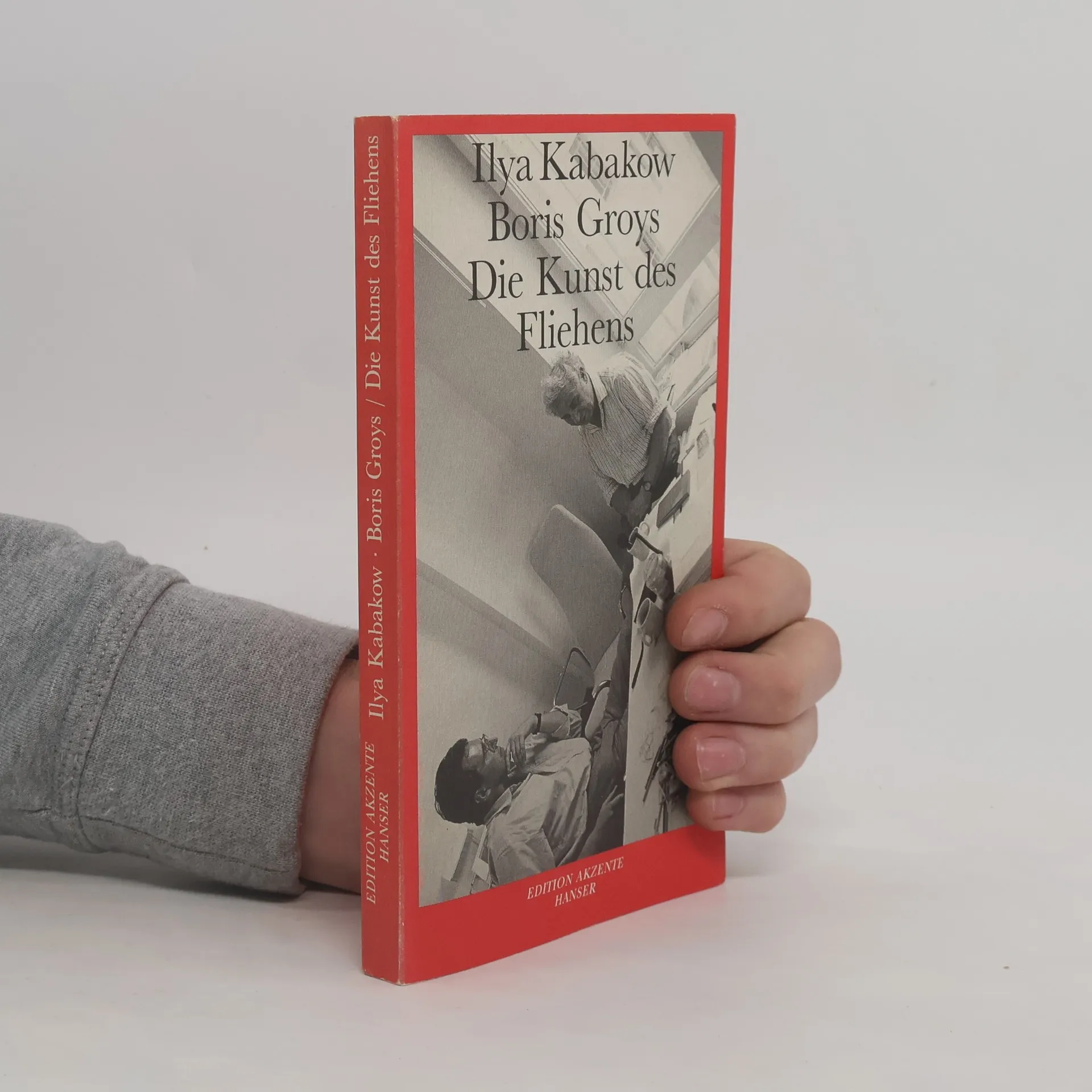
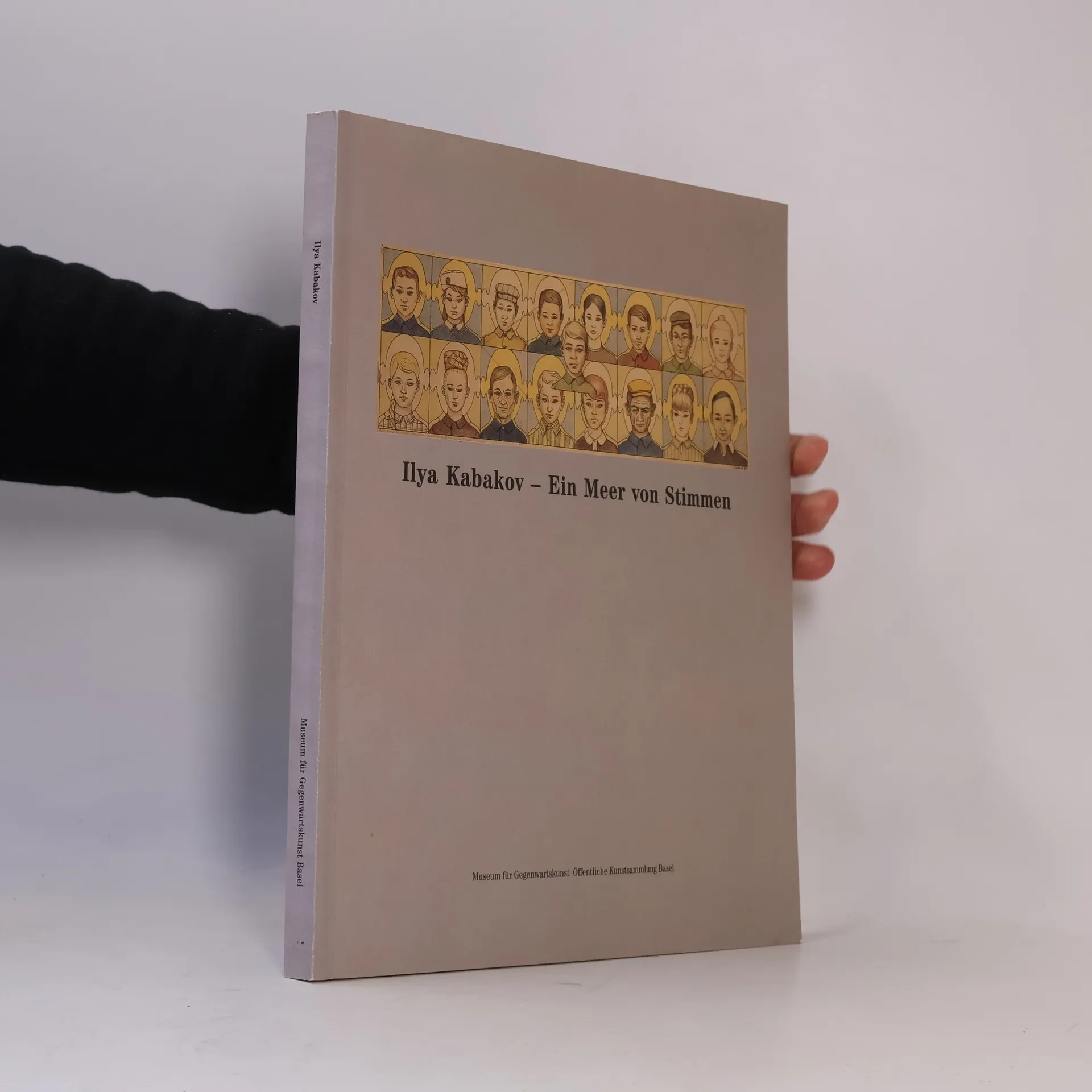
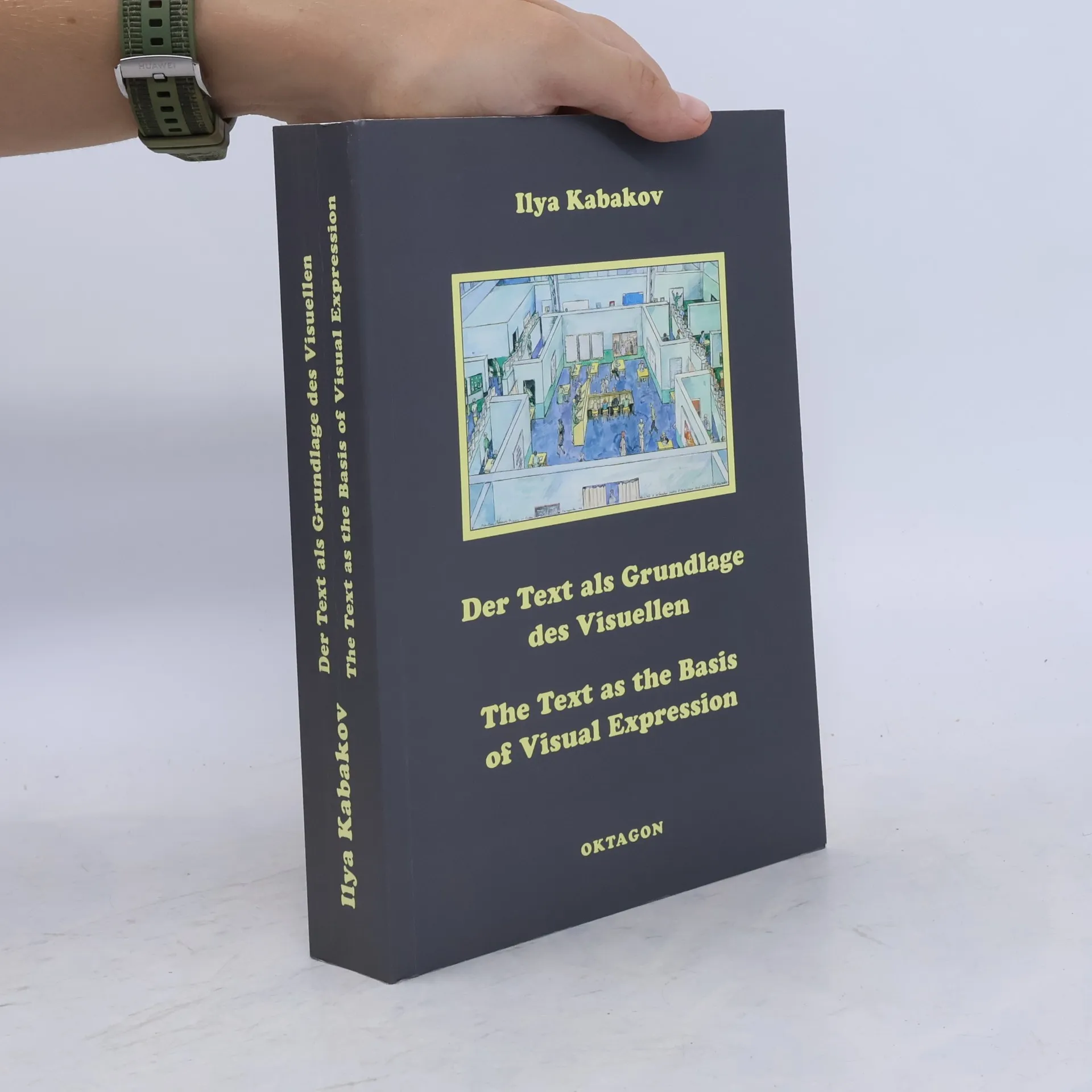
Ilja Kabakow, einer der bedeutendsten russischen Künstler der Gegenwart, und Boris Groys, Kunsttheoretiker und Philosoph, befragen die moderne Kunst im Westen, die Bedingungen künstlerischer Kreativität heute, die gesellschaftliche und kulturelle Funktion von Kunst überhaupt. Im Zentrum des Dialogs stehen Kabakows große Installationswerke und verleihen dem Gespräch Anschaulichkeit und visuelle Kraft.
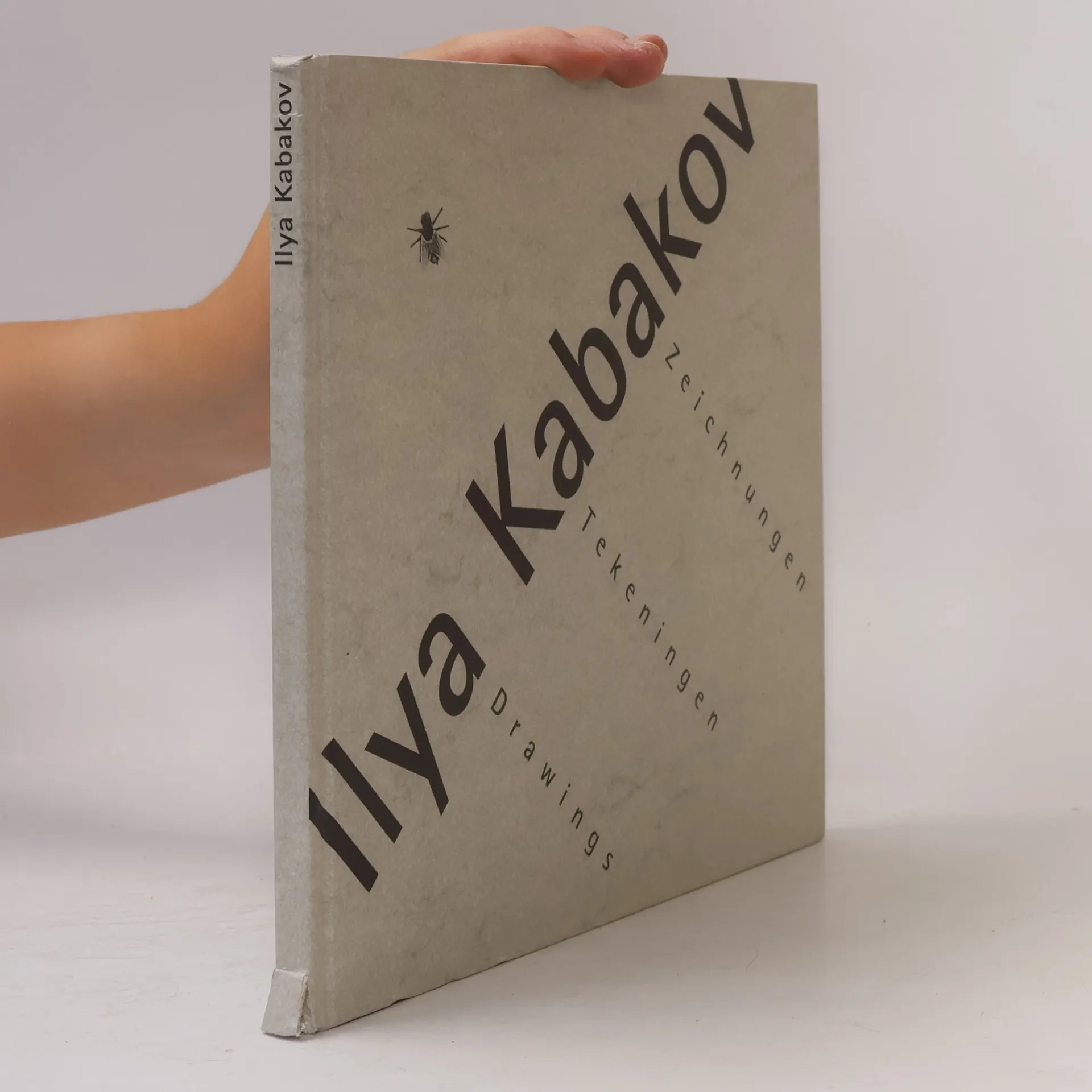
Ship from Germany, hardcover. This catalogue accompanies the exhibition dedicated solely to Ilya Kabakov's drawings, in which life, politics and human interaction are recurring themes. His work reveals a deep love for his roots in Russia, but is also seasoned with his quiet humour and capacity to weave stories. His drawings span a period of over 40 the earliest ones, influenced by his critical view of the Soviet regime, were produced in 1956 and the latest ones to be included date from 1997