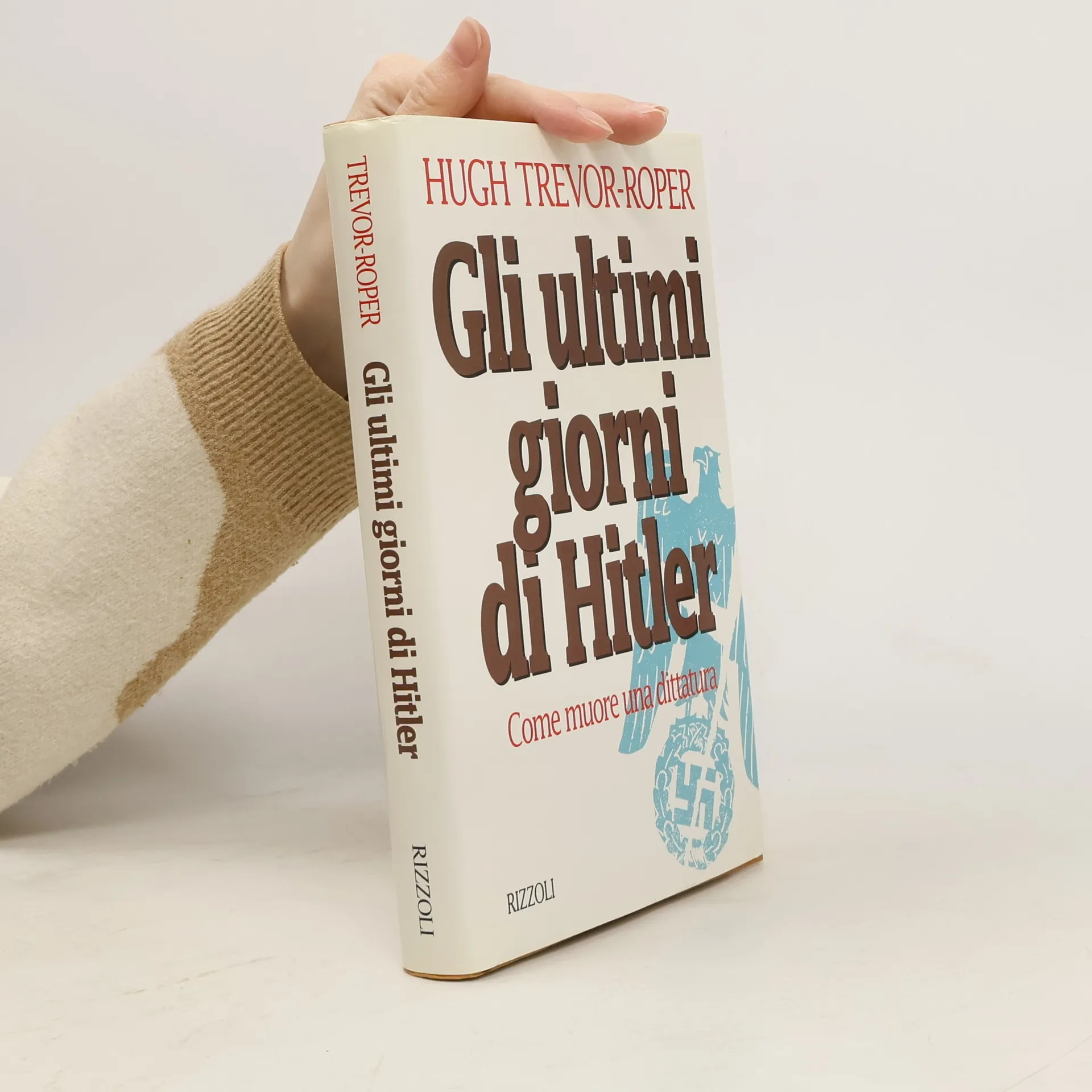
V září 1945 byl Hitlerův osud naprostou záhadou. Prostě zmizel a byl čtyři měsíce nezvěstný. Autor, důstojník britské kontrarozvědky, dostal za úkol tuto záhadu vyřešit. Jeho brilantní detektivní práce nejenže prokázala, že Hitler spáchal v Berlíně sebevraždu, ale díky ní také vznikla jedna z nejúchvatnějších historických knih, které kdy byly napsány. Jeho kniha vypráví neobyčejný příběh oněch posledních dnů v berlínském bunkru. List New Statesman tuto knihu označil za bezkonkurenčně nejlepší knihu napsanou o jakémkoli aspektu druhé německé války – knihu solidní po odborné stránce, brilantní ve svém podání.
History of the kings of England from the signing of the Magna Carta to the time of the black death taken from contemporary accounts such as the Barnwell chronicle, the chronicle of Thomas Wykes, the chronicle of Walter of Guisborough, the Lanercost chronicle, Choricon Gaslfridi le Baker de Swyndbroke, and others.
List of Illustrations
Preface
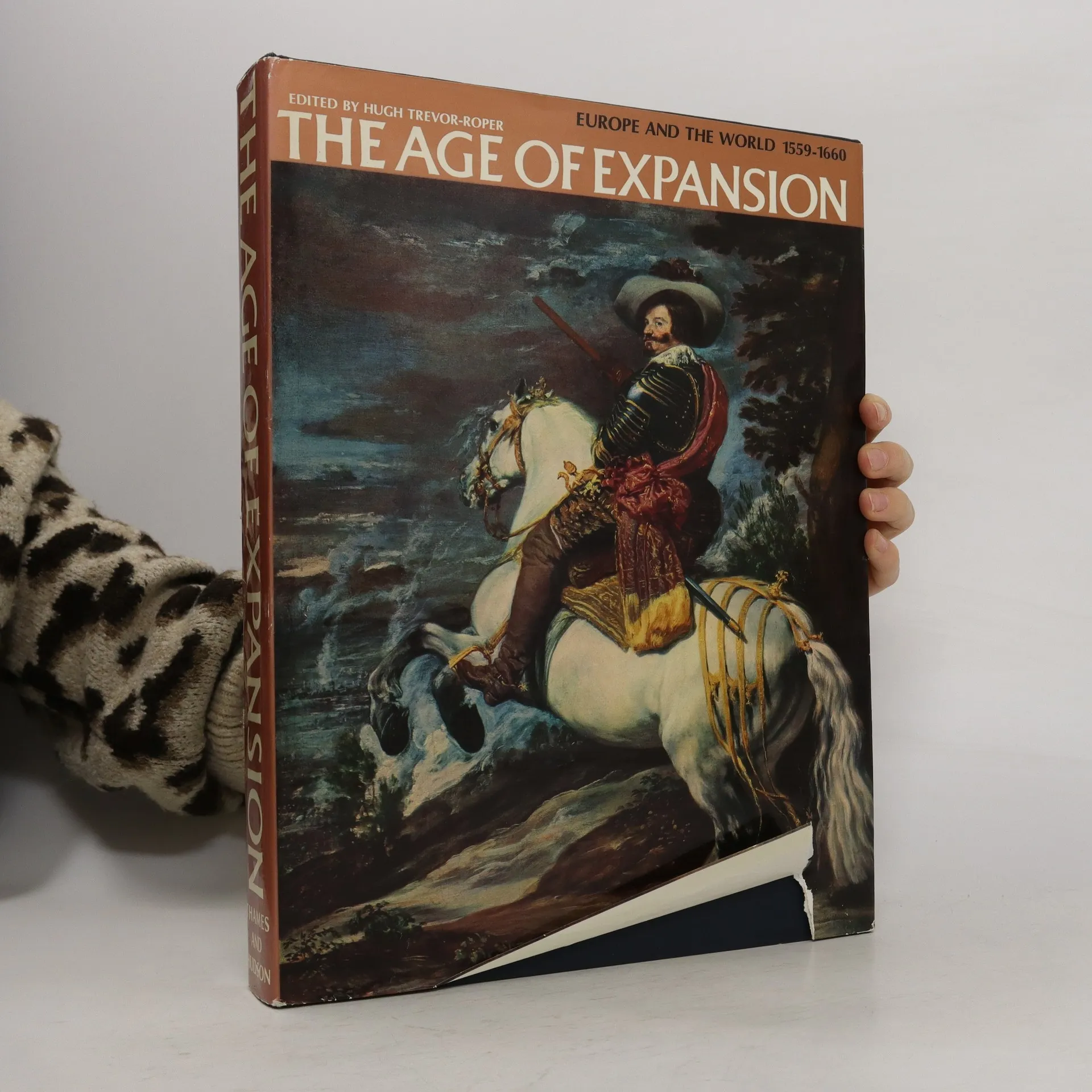
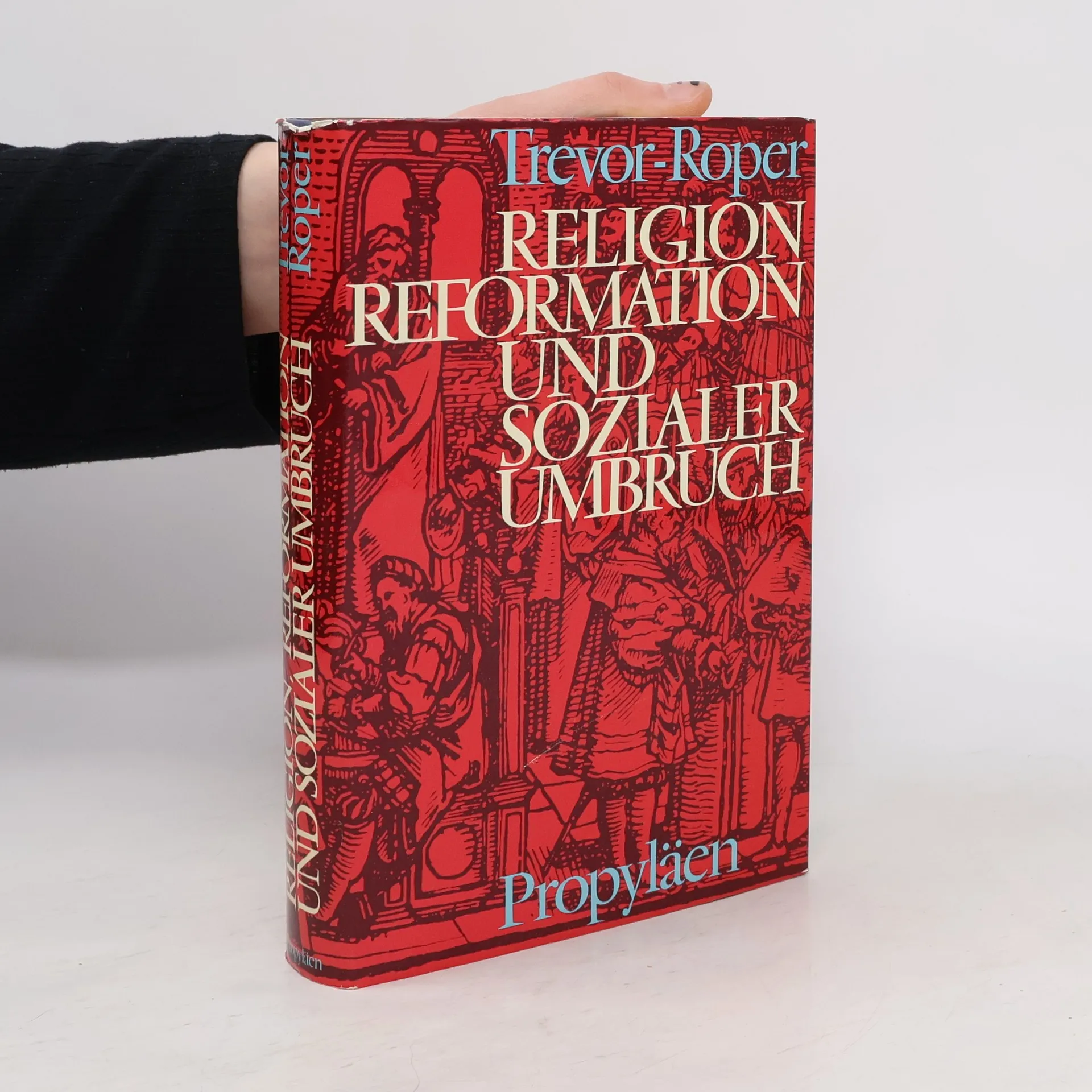
Religion, the Reformation & social change
The general crisis of the 17th century
The European witch-craze of the 16th & 17th centuries
The religious origins of the Enlightenment
Three foreigners: the philosophers of the Puritan Revolution
The fast sermons of the long Parliament
Oliver Cromwell & his Parliaments
Scotland & the Puritan Revolution
The Union of Britain in the 17th century
Index
***Bookbot steht unumstößlich gegen Diskriminierung jeglicher Art ein. Mit dem Kauf dieses Buches bestätigt der Leser, dass ihm dieser Sachverhalt bekannt ist und er den Inhalt ausschließlich zu Studienzwecken verwenden wird.***
These private journals, now available for the first time, document Hugh Trevor-Roper's visit to the People's Republic of China in autumn 1965, just before the Cultural Revolution. His account details the frustrations he faced during the trip, narrated with the irony and flair of a skilled storyteller. Despite his long-standing interest in China's history and politics, Trevor-Roper's attempts to engage with the authentic life and thoughts of the country were thwarted by state propaganda and the oppressive oversight of Party guides. The visit was organized by the Society for Anglo-Chinese Understanding, which claimed to promote cultural exchange but was effectively controlled by a Communist faction that outmaneuvered its well-connected members. Upon returning to England, Trevor-Roper, with assistance from MI5, sought to uncover the society's true nature, leading to a significant public controversy that he vividly recounts. The narrative concludes with his reflections on a subsequent trip to Taiwan and Southeast Asia in 1967, showcasing his historical perspective and unwavering commitment to defending liberal values against ideological threats.
The distinguished Oxford professor of modern history presents evidence that Chinese scholar and author Sir Edmund Backhouse, long thought to have lived as a virtual hermit in Peking, was in reality a forger, trickster, and eccentric.
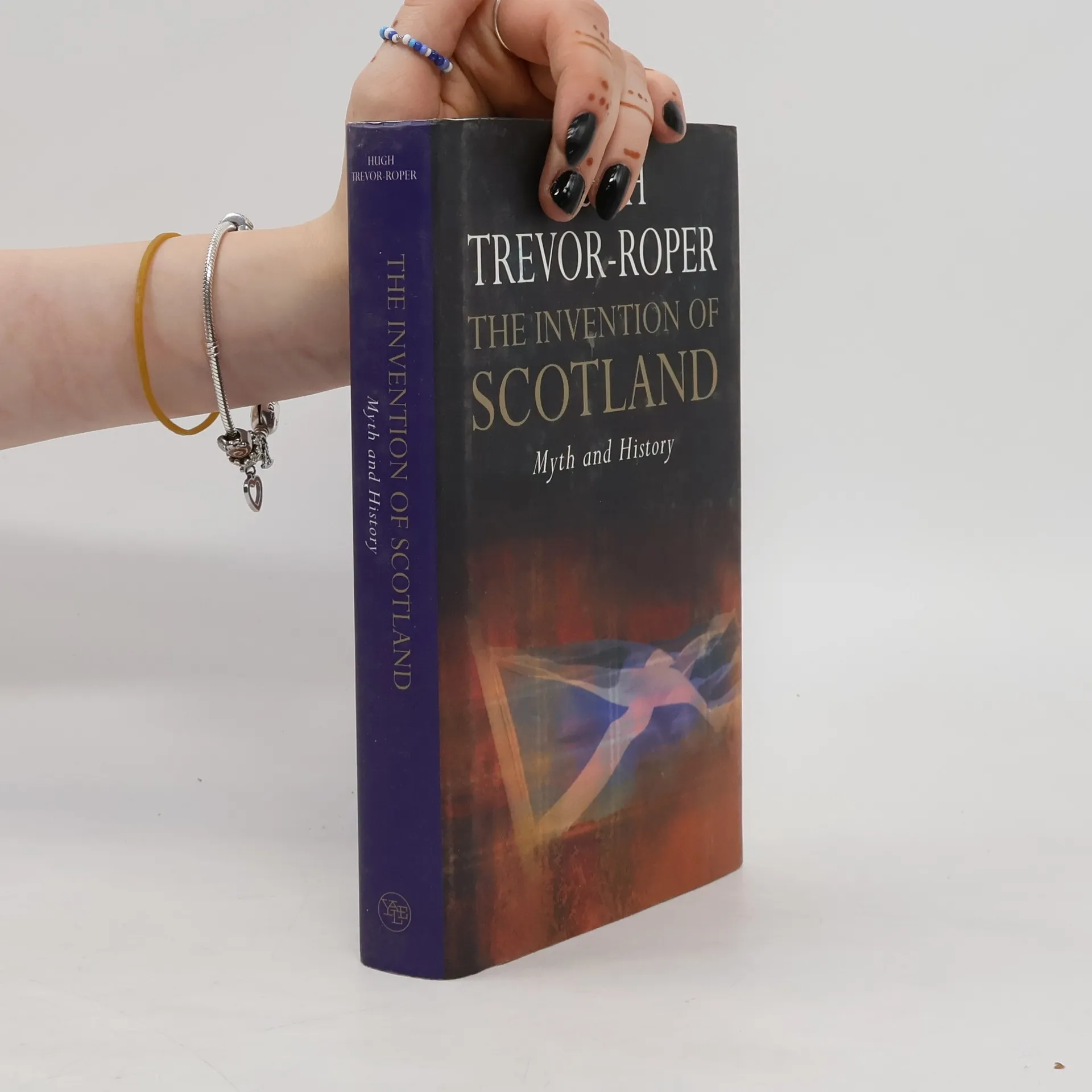
This book argues that while Anglo-Saxon culture has given rise to virtually no myths at all, myth has played a central role in the historical development of Scottish identity. Hugh Trevor-Roper explores three myths across 400 years of Scottish history: the political myth of the “ancient constitution” of Scotland; the literary myth, including Walter Scott as well as Ossian and ancient poetry; and the sartorial myth of tartan and the kilt, invented—ironically, by Englishmen—in quite modern times. Trevor-Roper reveals myth as an often deliberate cultural construction used to enshrine a people’s identity. While his treatment of Scottish myth is highly critical, indeed debunking, he shows how the ritualization and domestication of Scotland’s myths as local color diverted the Scottish intelligentsia from the path that led German intellectuals to a dangerous myth of racial supremacy. This compelling manuscript was left unpublished on Trevor-Roper’s death in 2003 and is now made available for the first time. Written with characteristic elegance, lucidity, and wit, and containing defiant and challenging opinions, it will absorb and provoke Scottish readers while intriguing many others. “I believe that the whole history of Scotland has been coloured by myth; and that myth, in Scotland, is never driven out by reality, or by reason, but lingers on until another myth has been discovered, or elaborated, to replace it.”–Hugh Trevor-Roper
Published in 1985, this collection confirmed Hugh Trevor-Roper's status as a leading historian and master of the historical essay. Acclaimed in both England and the U.S., it features a range of essays on British and European history from the fifteenth to early seventeenth centuries. The sequel includes five unpublished essays exploring the intellectual and religious movements behind the Puritan revolution in England and Ireland.
The opening essay investigates the intriguing life of Nicholas Hill. In "Laudianism and Political Power," Trevor-Roper revisits themes from his classic work, analyzing the significance of Archbishop Laud's ecclesiastical movement and speculating on alternative historical outcomes had the Stuarts maintained it. "James Ussher, Archbishop of Armagh" examines a pivotal figure in the era's intellectual and religious landscape. A lengthy essay on "The Great Tew Circle" highlights Lord Falkland's influence on the continuity of ideas during the English revolution. The final essay reassesses Milton's political ideology.
Trevor-Roper's portrayal of seventeenth-century English intellectual history is shaped by its social and political context. Engaging and relevant, these essays tackle intriguing historical topics and contemporary controversies.
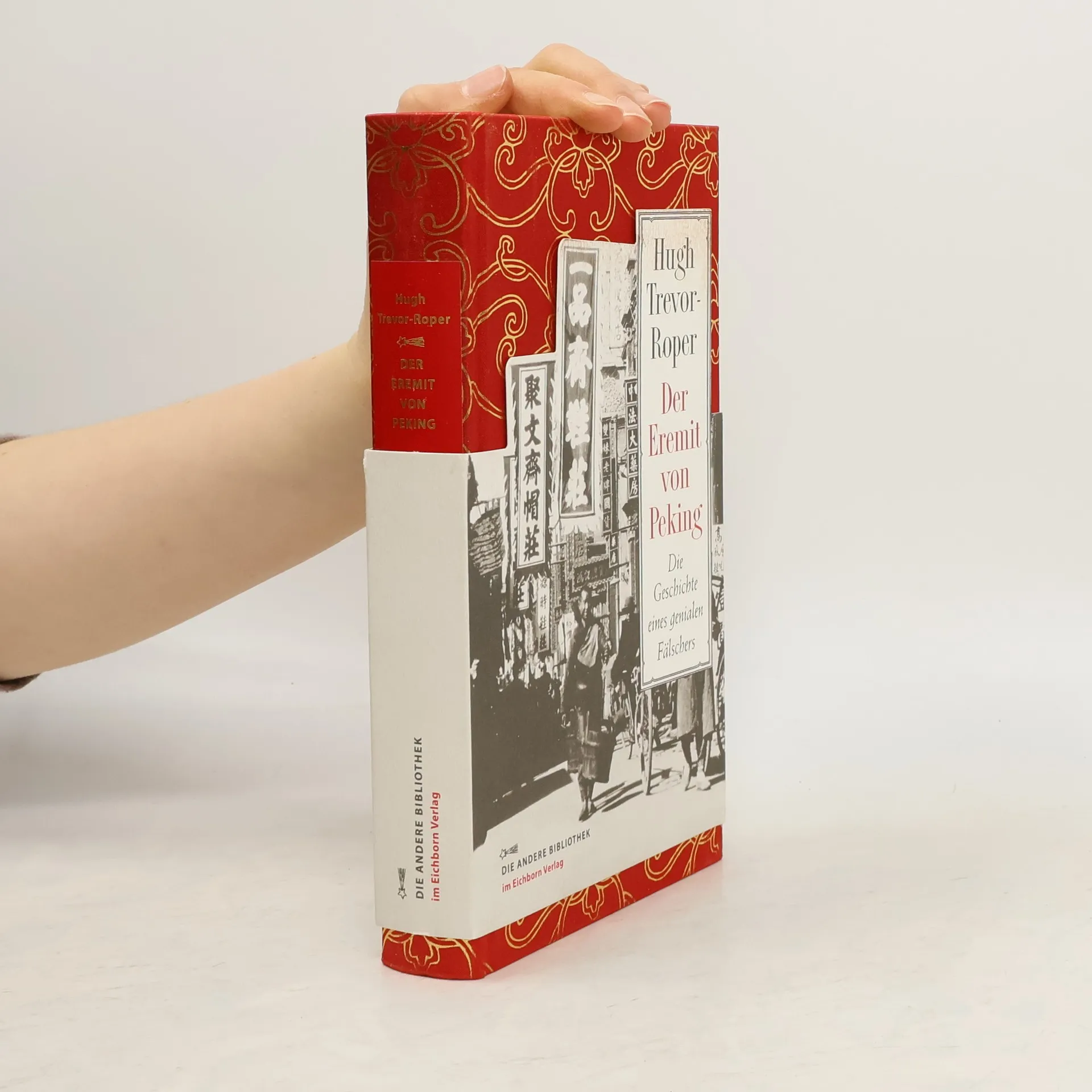
Jing Shan, ein Mandschu-Gelehrter aus vornehmer Familie und Verwandter der Kaiserinwitwe, wurde während des Boxeraufstands 1900 ermordet. Edmund Backhouse rettete Shans Schriftrollen, darunter ein geheimnisvolles Tagebuch, das die Ereignisse am Kaiserhof während des Aufstands detailliert beschreiben soll. Neun Jahre lang hielt Backhouse seinen Fund geheim, bis er Teile davon in China veröffentlichte. Das Buch wurde zum Klassiker und prägt bis heute unser Bild von China, basiert jedoch auf einer grandiosen Fälschung von Backhouse. Hugh Trevor-Ropers Untersuchung des Tagebuchs beleuchtet das Leben eines Gelehrten und Gentlemans, der ein Meister der Camouflage war. Trotz seines Ansehens als Wissenschaftler und Kenner Chinas, der wertvolle Handschriften und Dokumente an die Bodleian in Oxford spendete, erfand Backhouse absurde Geschichten. Er fälschte Dokumente und Empfehlungsschreiben, gab vor, Freundschaften mit berühmten Persönlichkeiten zu haben, und betrügte Unternehmen. Er hielt Minister und Kriegsherren, aber auch Familie und Freunde mit seinen Geschichten zum Narren. Ein amerikanischer Geschäftsmann bezeichnete ihn als den bemerkenswertesten Schurken in Fernost, während Backhouse selbst von einem „aufregenden Leben im Verborgenen“ sprach.
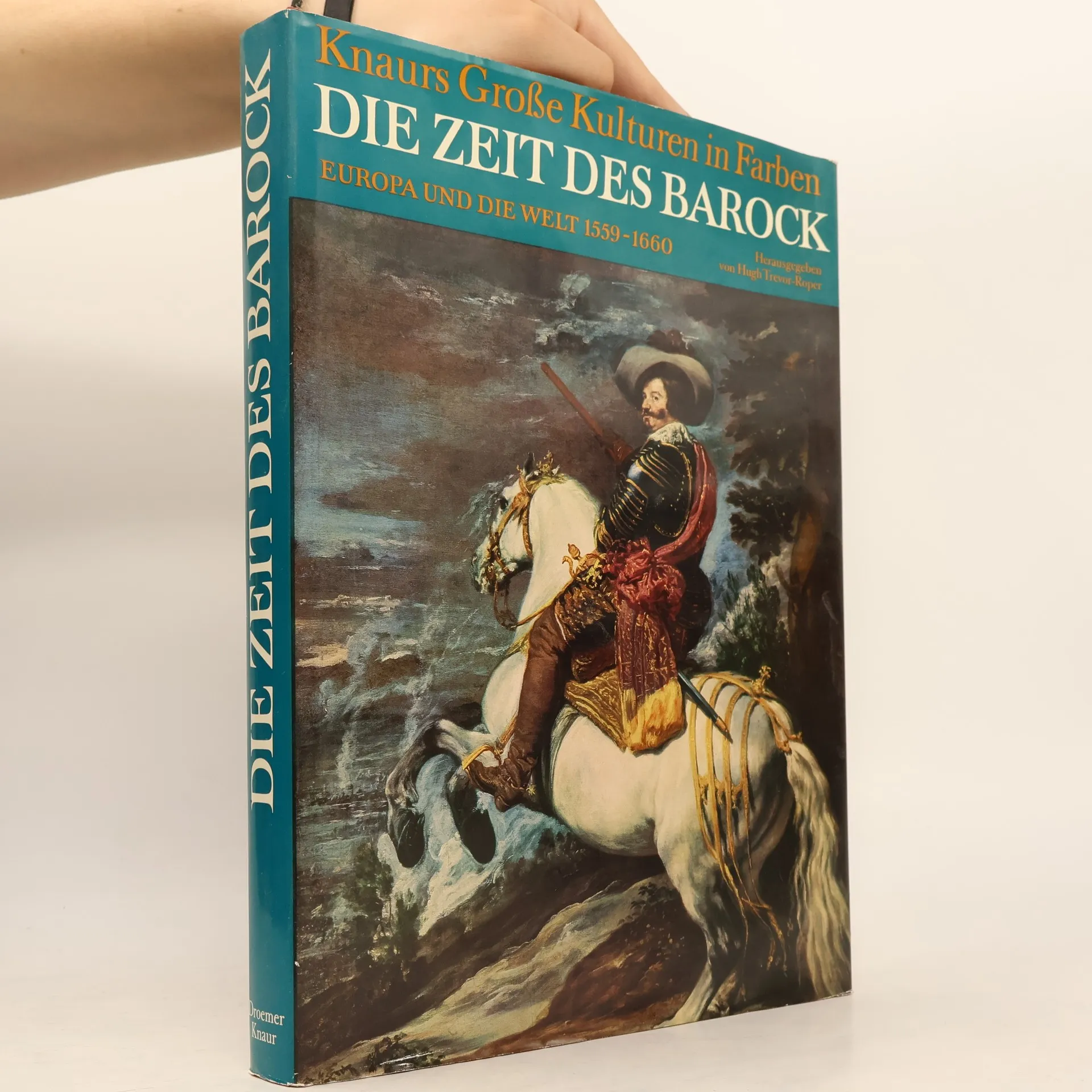
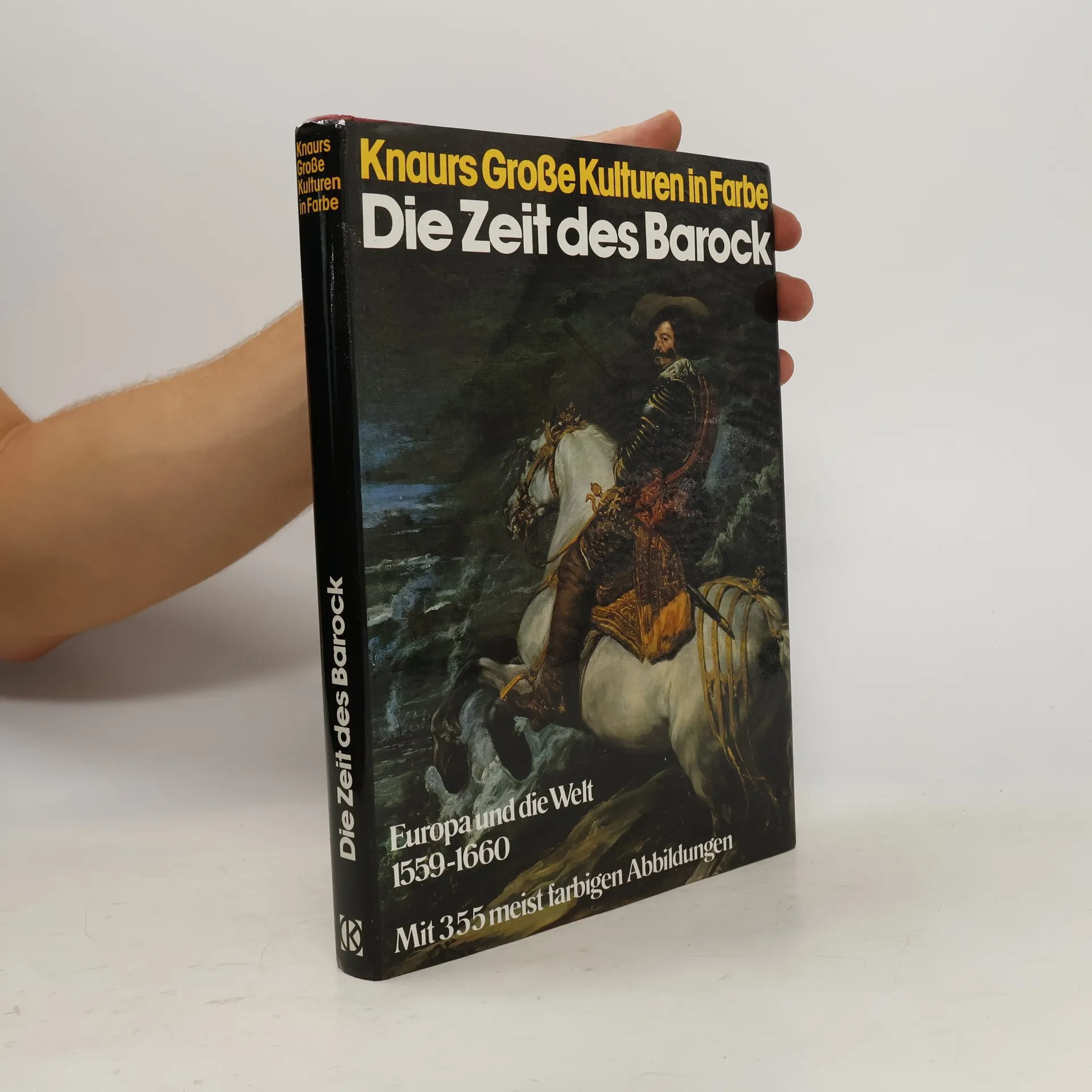
Einführung: das barocke Jahrhundert, von H. Trevor-Roper Spanien, von H. Kamen Die geteilten Niederlande, von C. Wilson Frieden in Mitteleuropa, von C. Clasen Dreißigjähriger Krieg, von H.G. Koenigsberger Frankreich: Monarchie & Volk, von M. Prestwich Britannien verwandelt, von G.E. Aylmer Slawische Nationen, von H. Willetts Reiche des Islam, von P. Avery Die orientalische Welt, von I. Morris Ausgewählte Bibliographie Verzeichnis & Quellen der Abbildungen Index