
Drawing from her Ojibwa heritage, the author weaves together poignant stories that evoke nostalgia and explore themes of memory and discovery. Through her storytelling, she invites readers to embark on a reflective journey that connects them to the past, offering insights and rhythms that soothe the spirit.
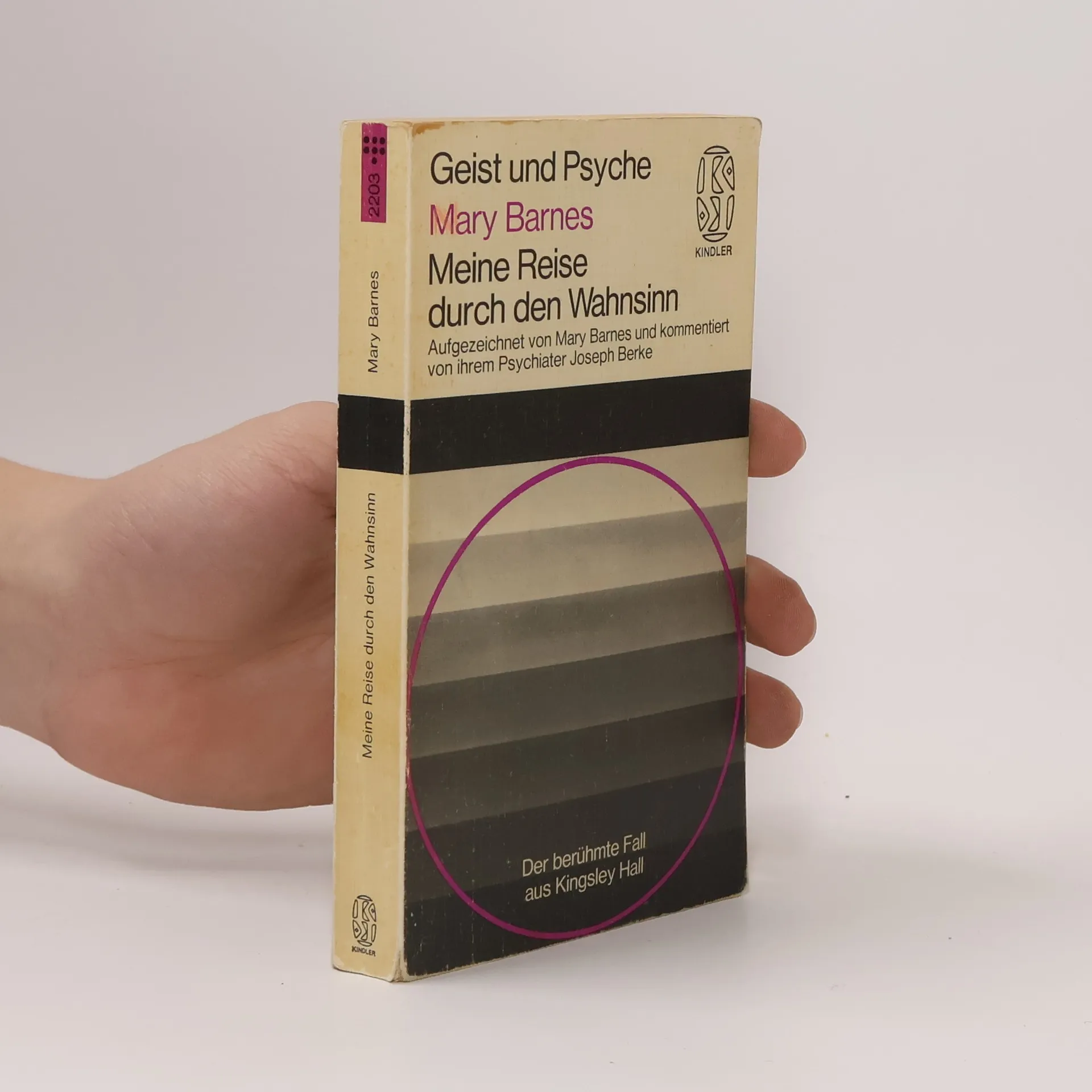
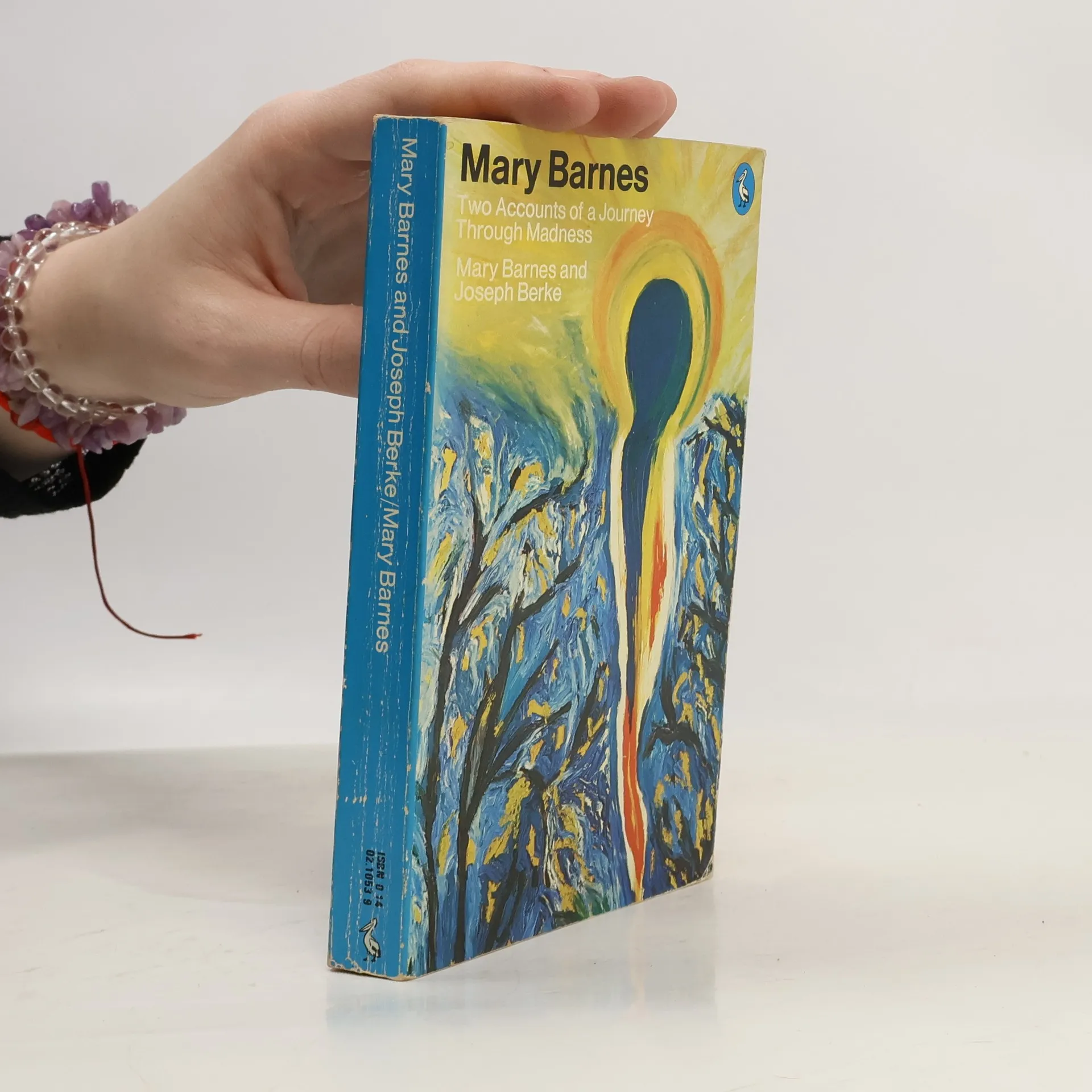
In 1966, Mary Barnes was a schizophrenic with no hope of relief from her condition. Joseph H. Berke was a young doctor in rebellion against the restrictions of the American psychiatric profession. When Berke moved to England to work with the radical psychologist R.D. Laing, he met Mary, a patient at Laing's experimental therapeutic community at Kingsley Hall. This account of their different perspectives on Mary's illness & treatment is both a critique of conventional approaches to therapy & the story of a remarkable friendship.
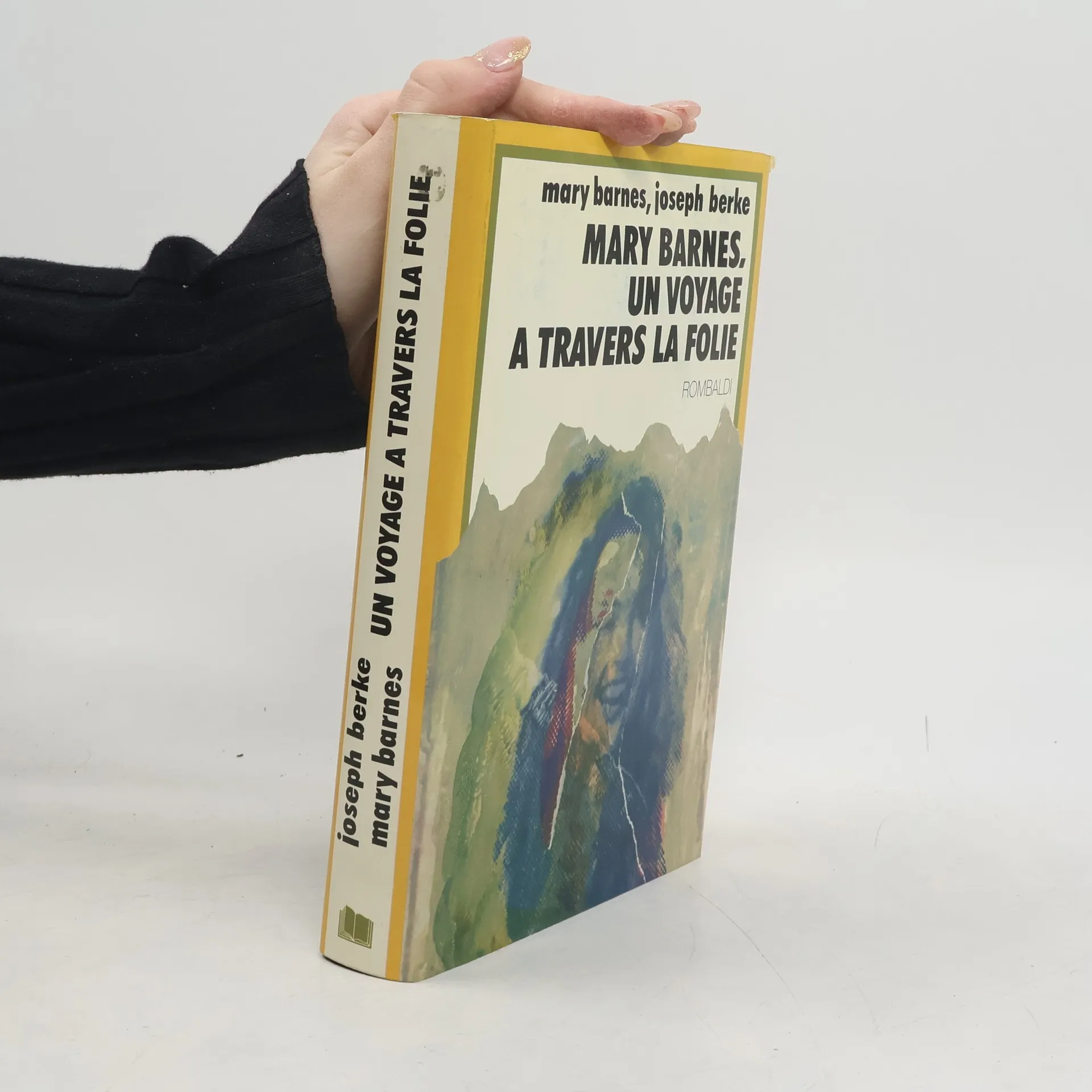
Mary Barnes, un voyage à travers la folie. Mary Barnes était infirmière lorsque à 42 ans, elle commença à éprouver les premiers symptômes de ce qu'on appelle la " schizophrénie ". Elle entra à Kingsley Hall, l'unité expérimentale créée par les antipsychiatres anglais sous la direction de Ronald Laing, où on sut la laisser régresser jusqu'à des stades très primitifs de la vie affective. Elle put ainsi, à travers cette mort symbolique, renaître à elle-même, délivrée du nœud de conflits relationnels qui l'avait jusqu'alors emprisonnée. Depuis, Mary Barnes est " guérie " et son cas représente la réussite la plus exemplaire des méthodes préconisées par l'antipsychiatrie, opposée aux techniques médicales chimiques de la psychiatrie traditionnelle.