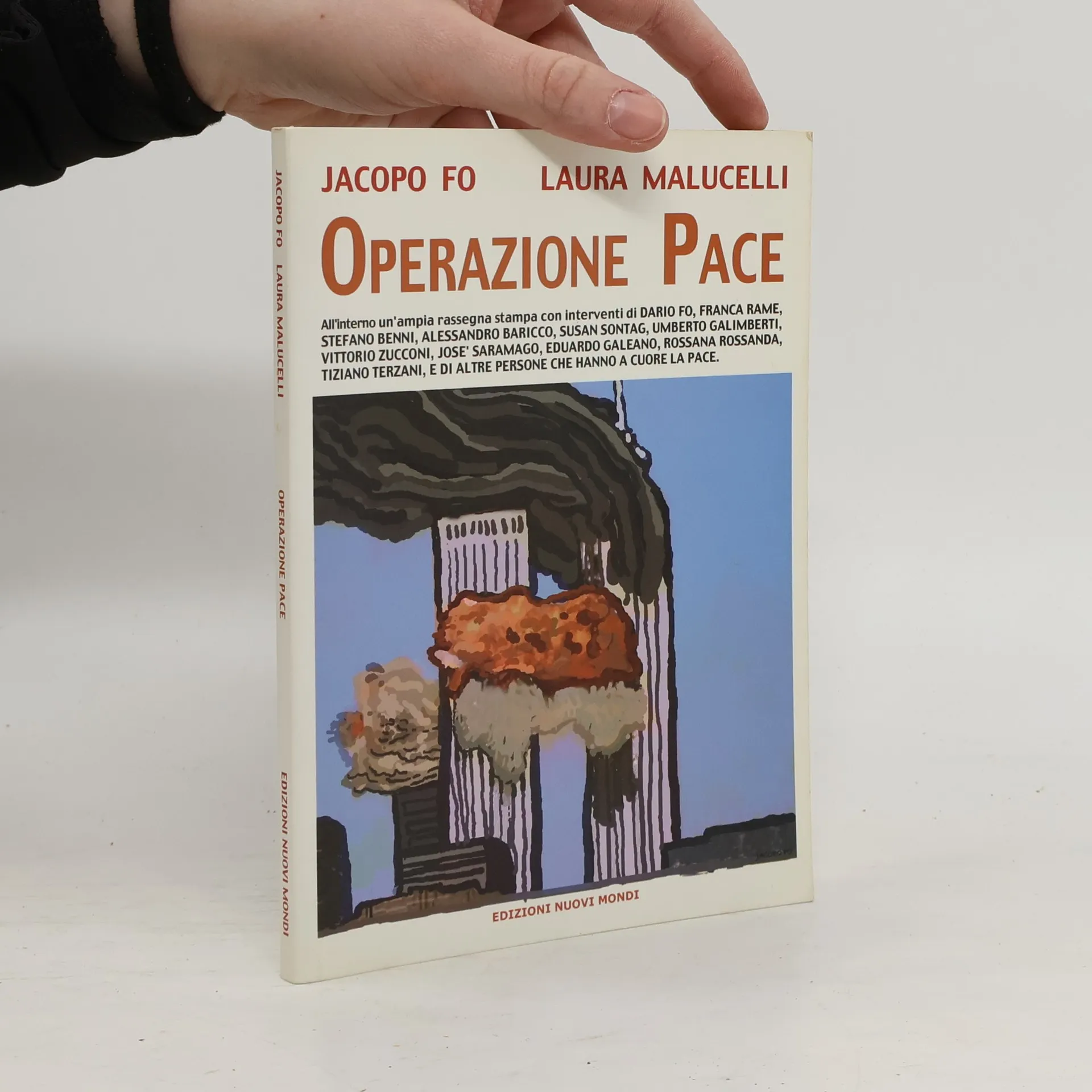
The Comrade from Milan
- 384 stránek
- 14 hodin čtení
A striking account of the European Left in the twentieth century by one of its main protagonists


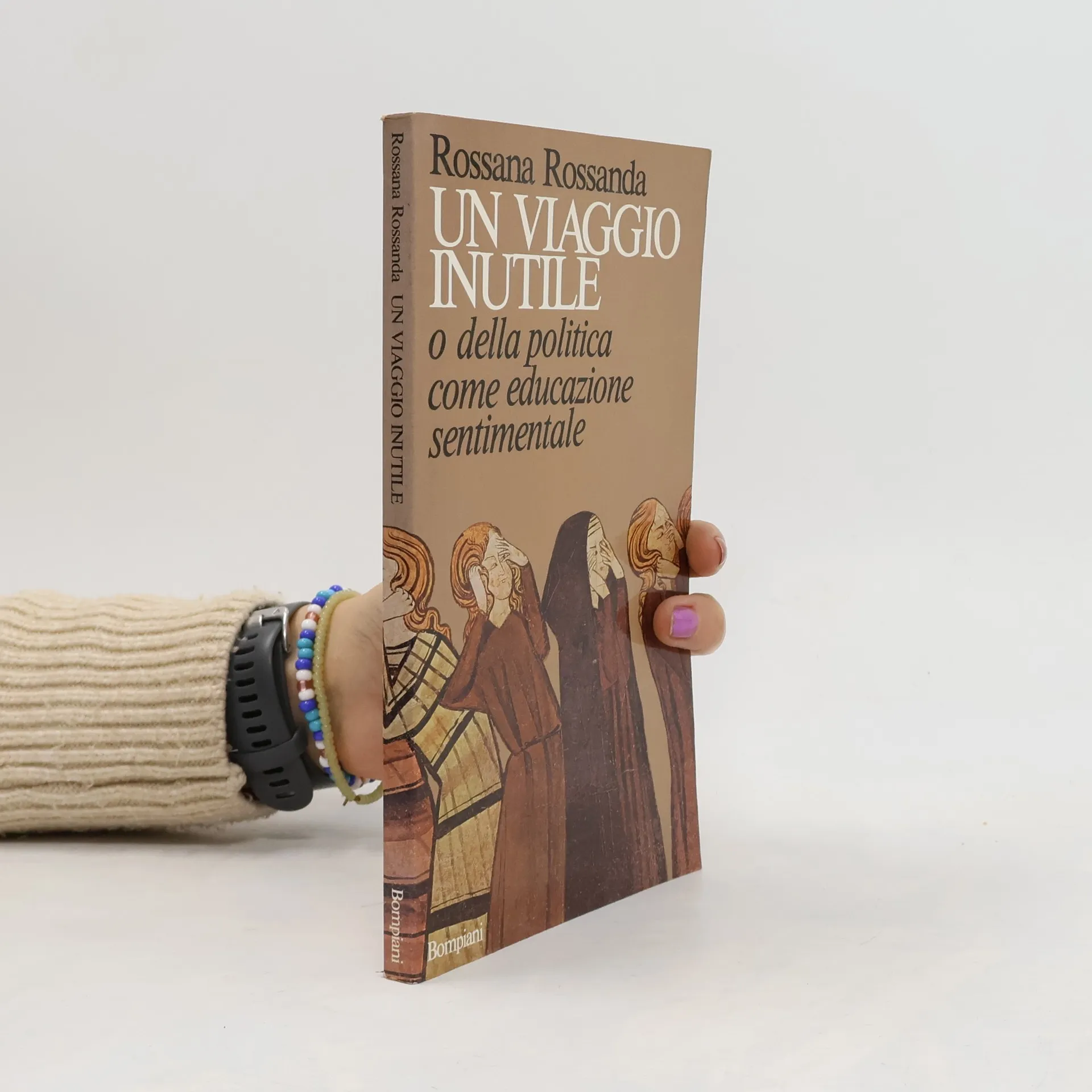
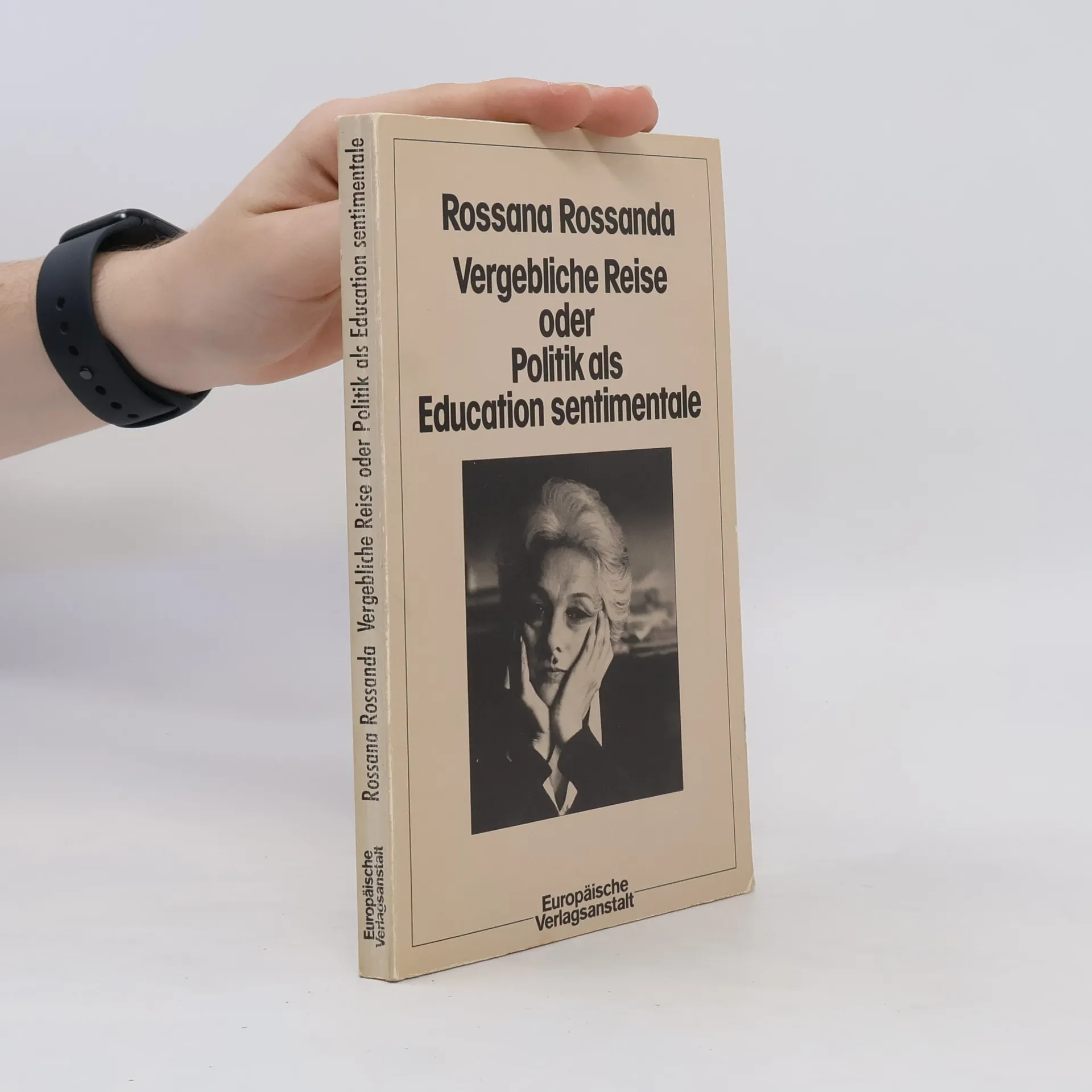
Rossanda was a significant intellectual figure whose work grappled with the complexities of political thought and social movements. Her writings explored the philosophical underpinnings of youthful rebellion and challenged established political orthodoxies. She possessed a sharp analytical mind, evident in her ability to dissect ideological conflicts and advocate for reform from within and outside traditional party structures. Rossanda's contributions offered a unique perspective on the intersection of ideology, activism, and societal change.
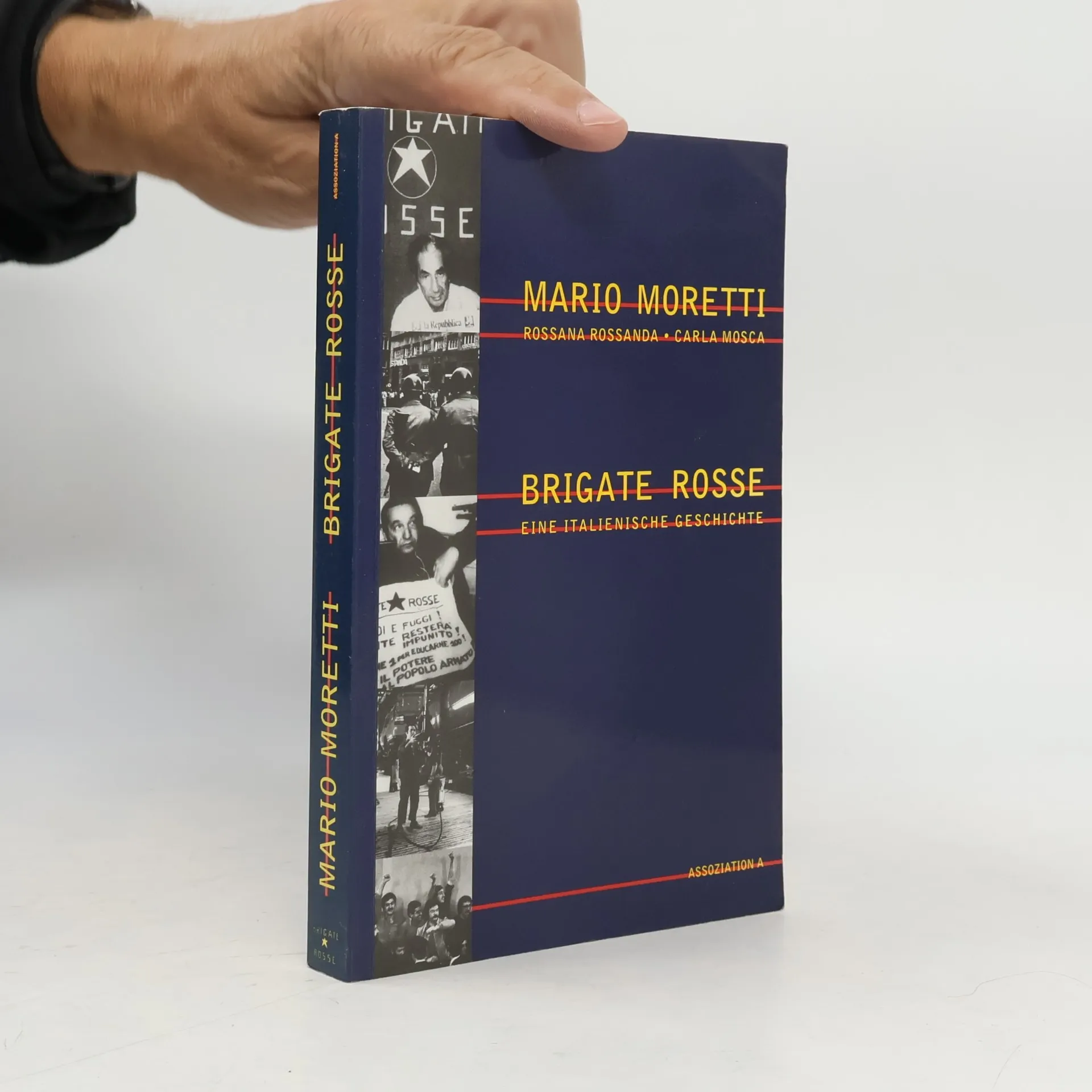

A striking account of the European Left in the twentieth century by one of its main protagonists
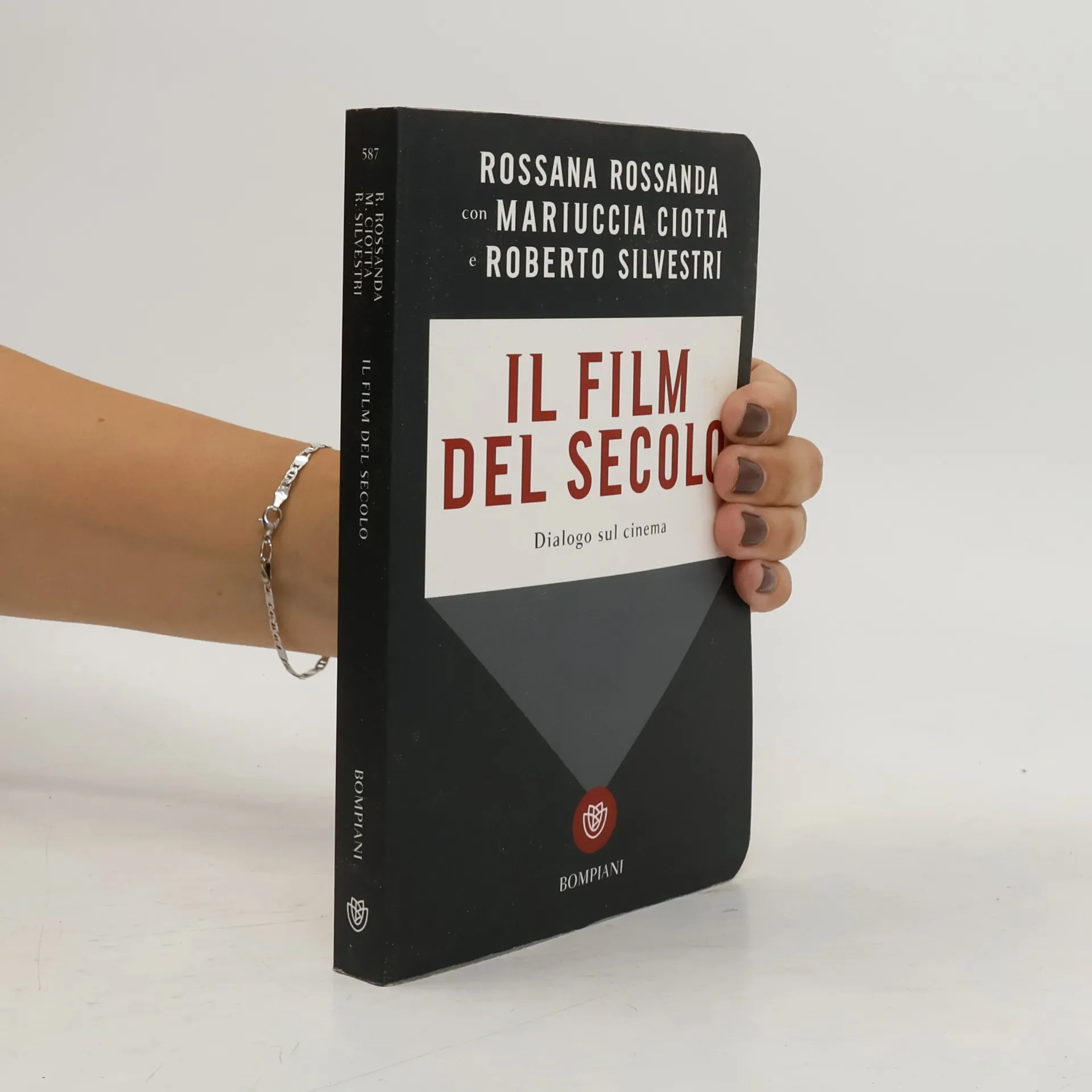
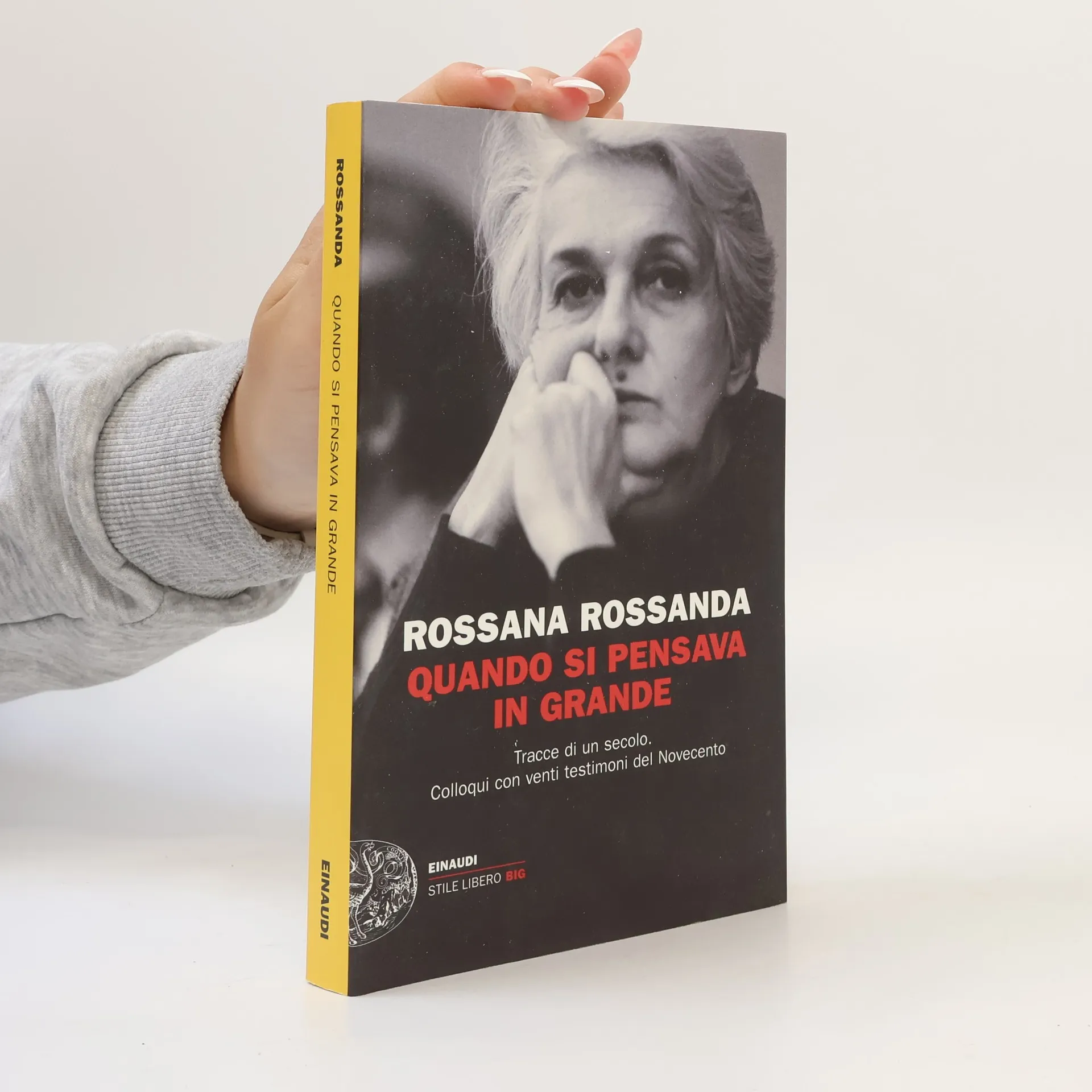
Lukács, Aragon, Sartre, Grumbach, Althusser, Fischer, Sachs, Rodinson, Sweezy, Salvador Allende, Melo Antunes, Delors, Mendès France, Badinter. Trentin, Ingrao, De Rita, Cofferati, D'Alema, Bertinotti. Le voci del secolo breve, raccolte da Rossanda nelle interviste del giornale di una sinistra considerata estrema da un'opinione sempre più moderata, ci conducono alla domanda di oggi, sottolineata dall'autrice in un'illuminante prefazione-saggio. Perché uno straordinario tessuto di grandi idee è stato così combattuto e sconfitto?
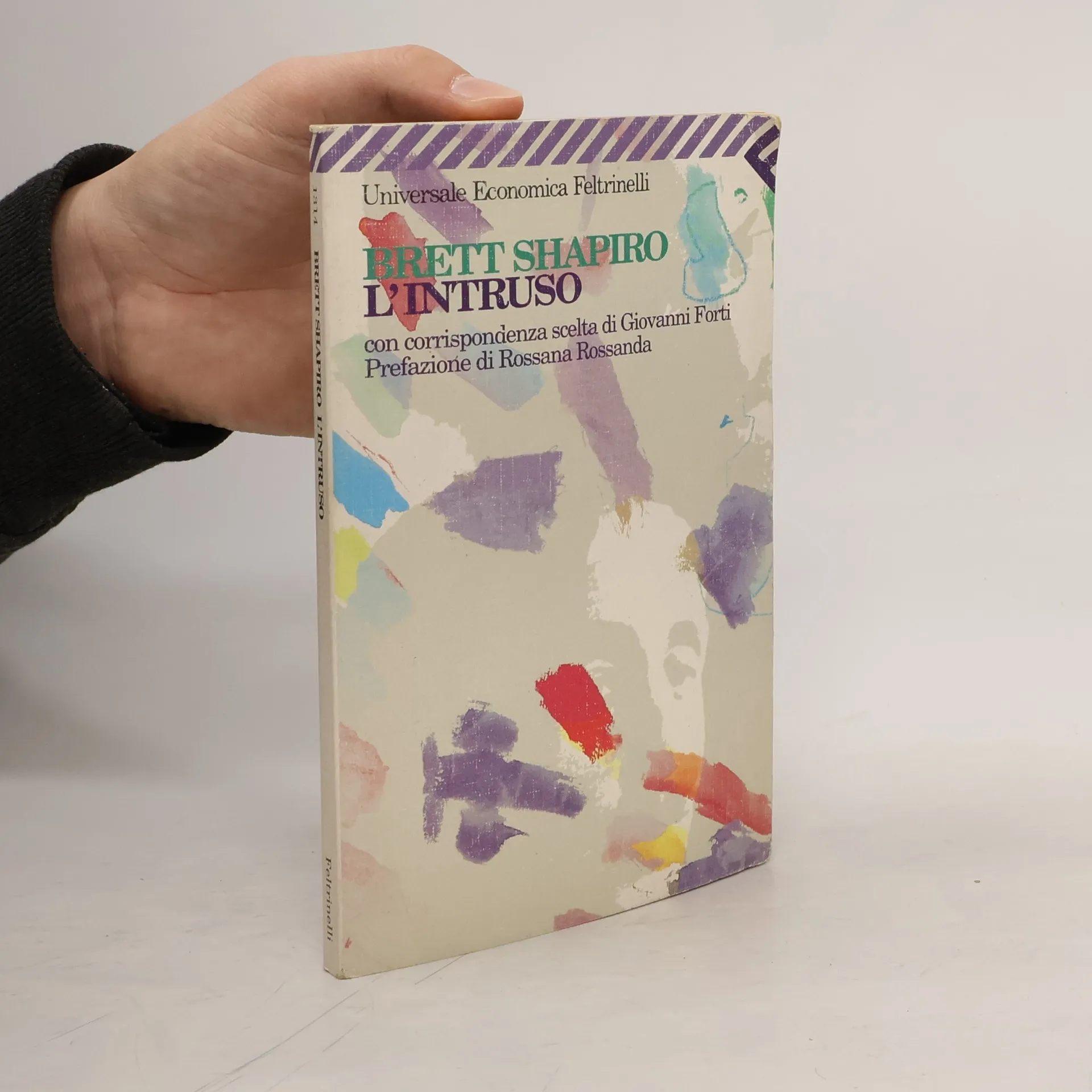
Brett Shapiro, scrittore e giornalista statunitense, incontra nel giugno del 1990 Giovanni Forti, corrispondente dell'Espresso, che vive a New York con il figlio adolescente. Fra i due uomini nasce una relazione d'amore e dopo tre mesi decidono di vivere insieme con il bambino adottato da Brett; l'unione sarà formalizzata con un matrimonio secondo il rito ebraico riformato. Nel libro, le voci di entrambi descrivono la vicenda di questa famiglia provocatoria e non tradizionale in cui si inserisce quasi subito un intruso: l'Aids. Intercalando alla narrazione alcune lettere di Giovanni, Shapiro ripercorre la loro storia con l'Aids. L'ultimo capitolo è un diario scritto da Brett durante le ultime settimane di vita di Giovanni.
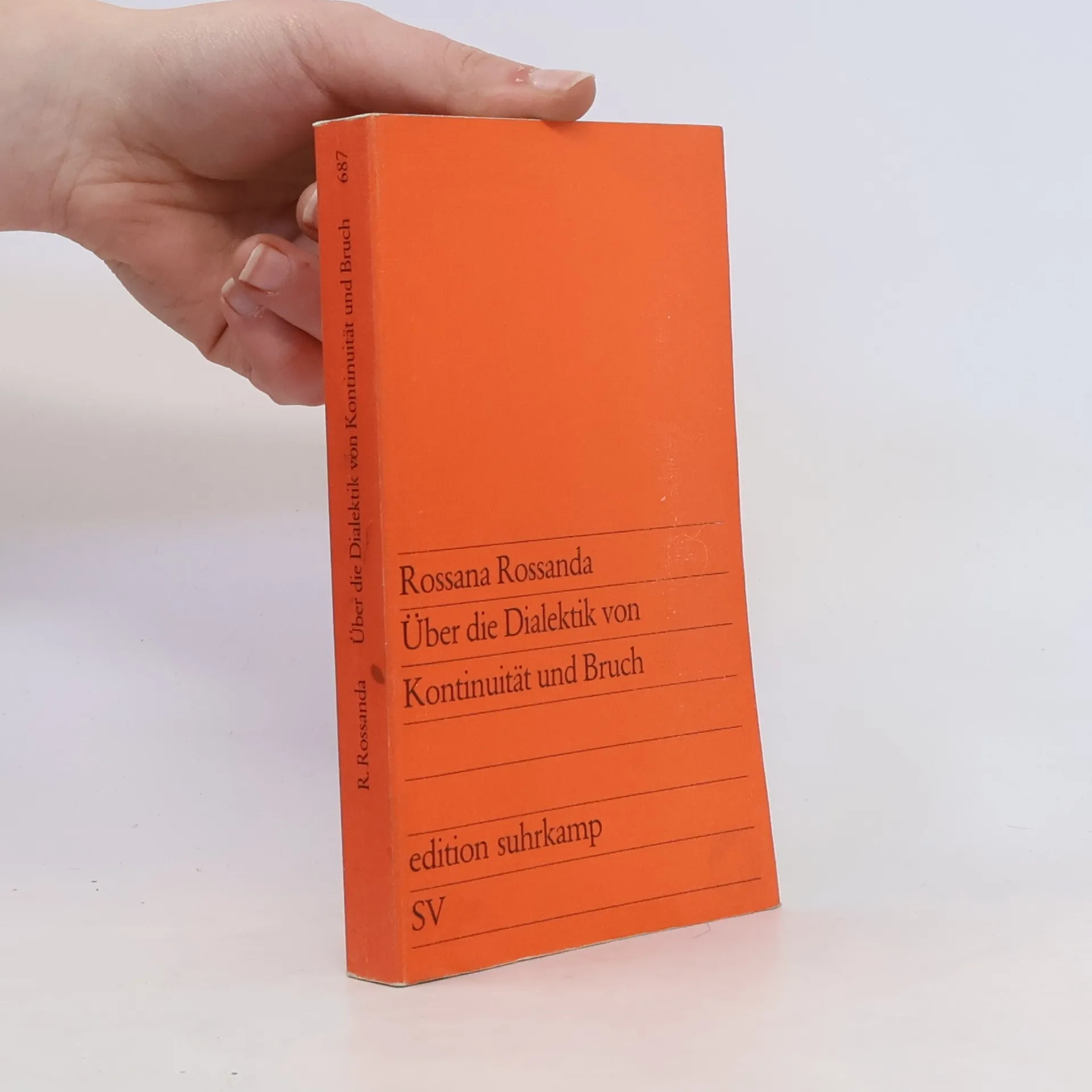
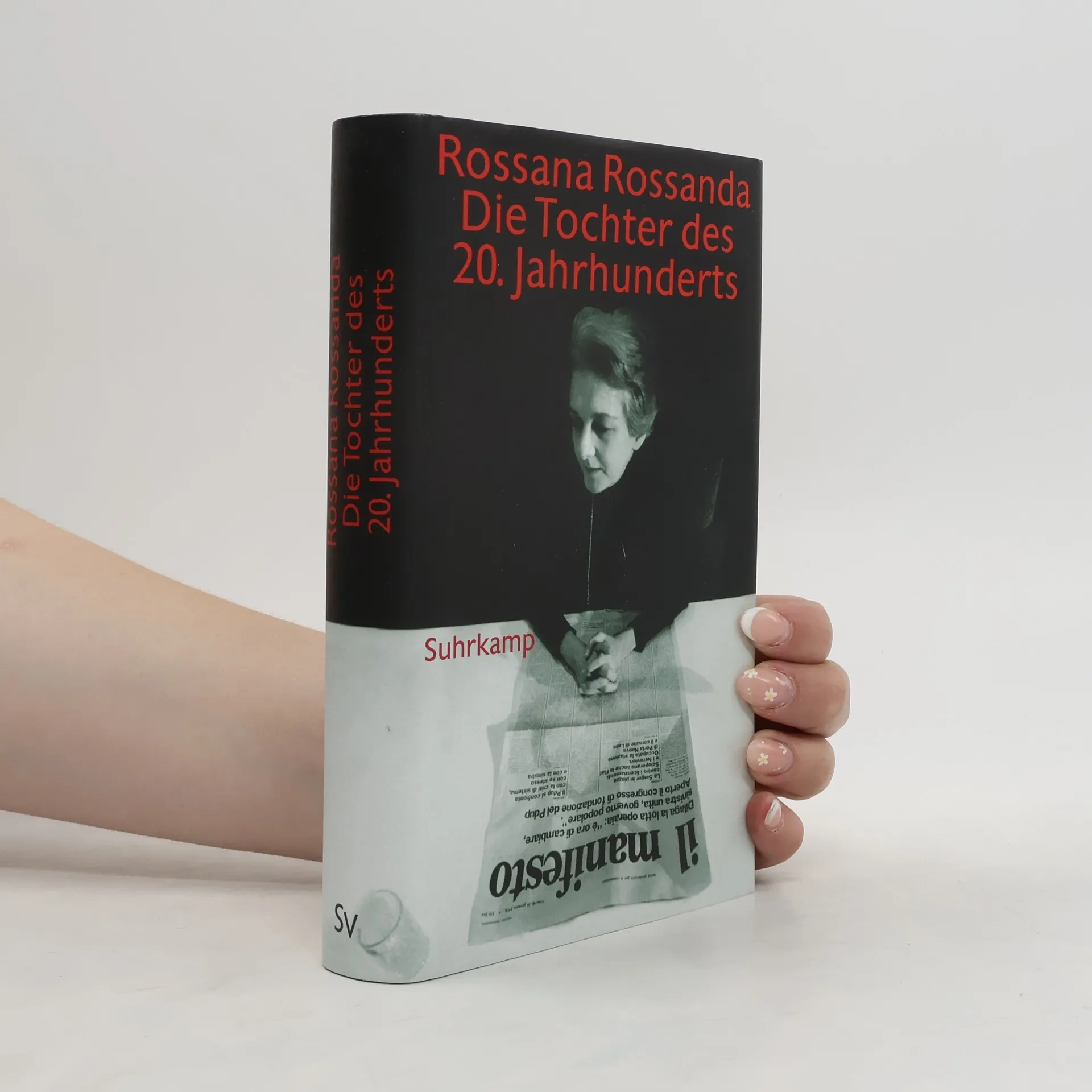
»Dies ist kein Geschichtsbuch. Es ist das, was in meinem Gedächtnis auftaucht, wenn ich den zweifelnden Blick der Menschen um mich herum auffange: Warum bist du Kommunistin gewesen? Warum sagst du, du bist es noch? Was meinst du damit? Ohne eine Partei, ohne Ämter, an der Seite einer Zeitung, die dir nicht mehr gehört? Ist es eine Illusion, an die du dich klammerst, aus Sturheit, aus Altersstarrsinn? Ab und zu hält mich jemand freundlich an: >Sie waren ein Mythos!< Doch wer will schon ein Mythos sein? … Die Sache des Kommunismus und der Kommunisten im 20. Jahrhundert hat so kläglich geendet, daß man sich unbedingt damit auseinandersetzen muß. Was bedeutete es, in Italien ab 1943 Kommunist zu sein? Als Parteimitglied, nicht nur aus innerer Überzeugung, bei der man sich immer herausreden kann: >Mit diesem oder jenem habe ich nichts zu tun.< Ich beginne, indem ich mich selbst befrage. Ohne Bücher oder Dokumente zu konsultieren, aber nicht ohne manchen Zweifel.«
Versuche über den Büchermacher und das Buch (Festschrift für Günther Busch)
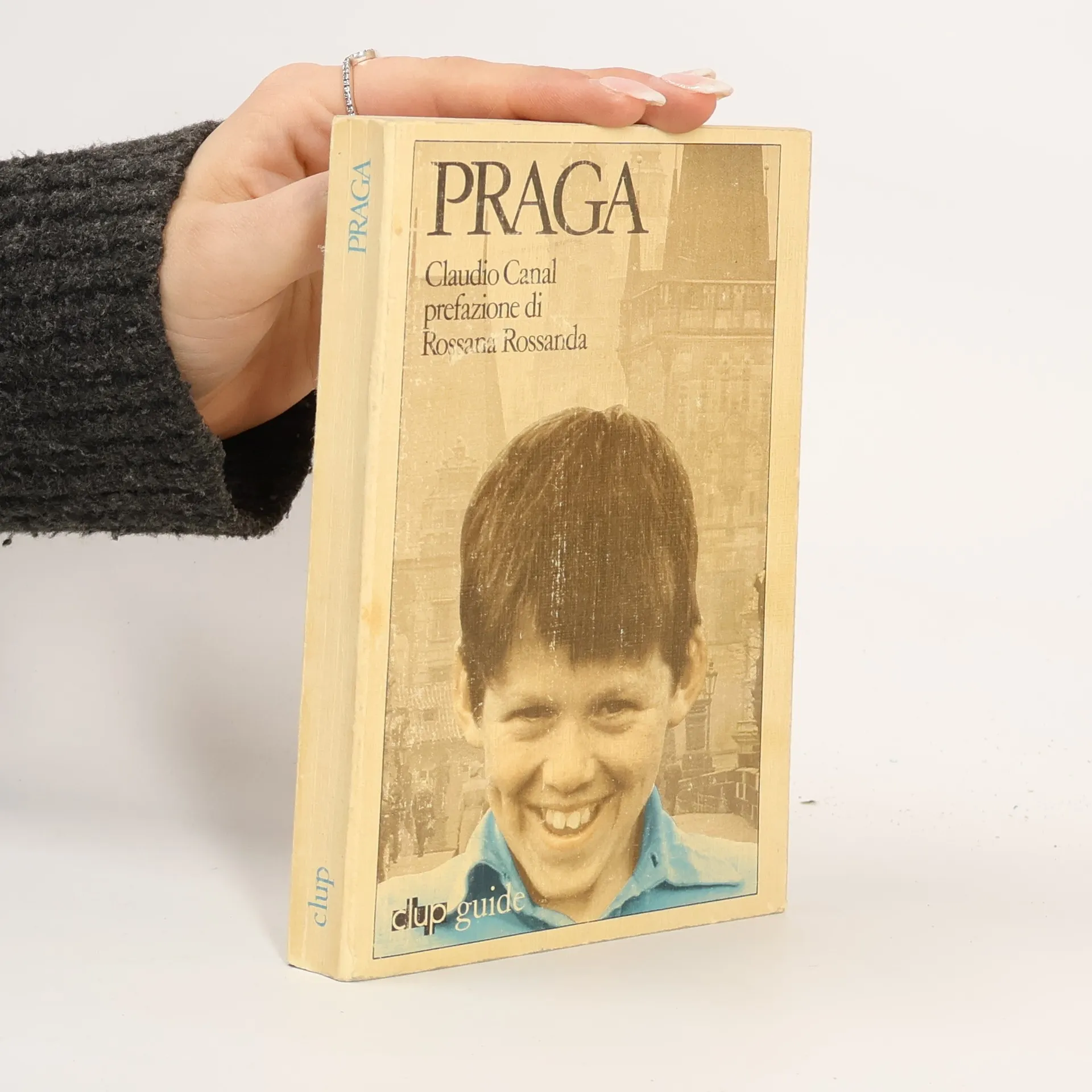
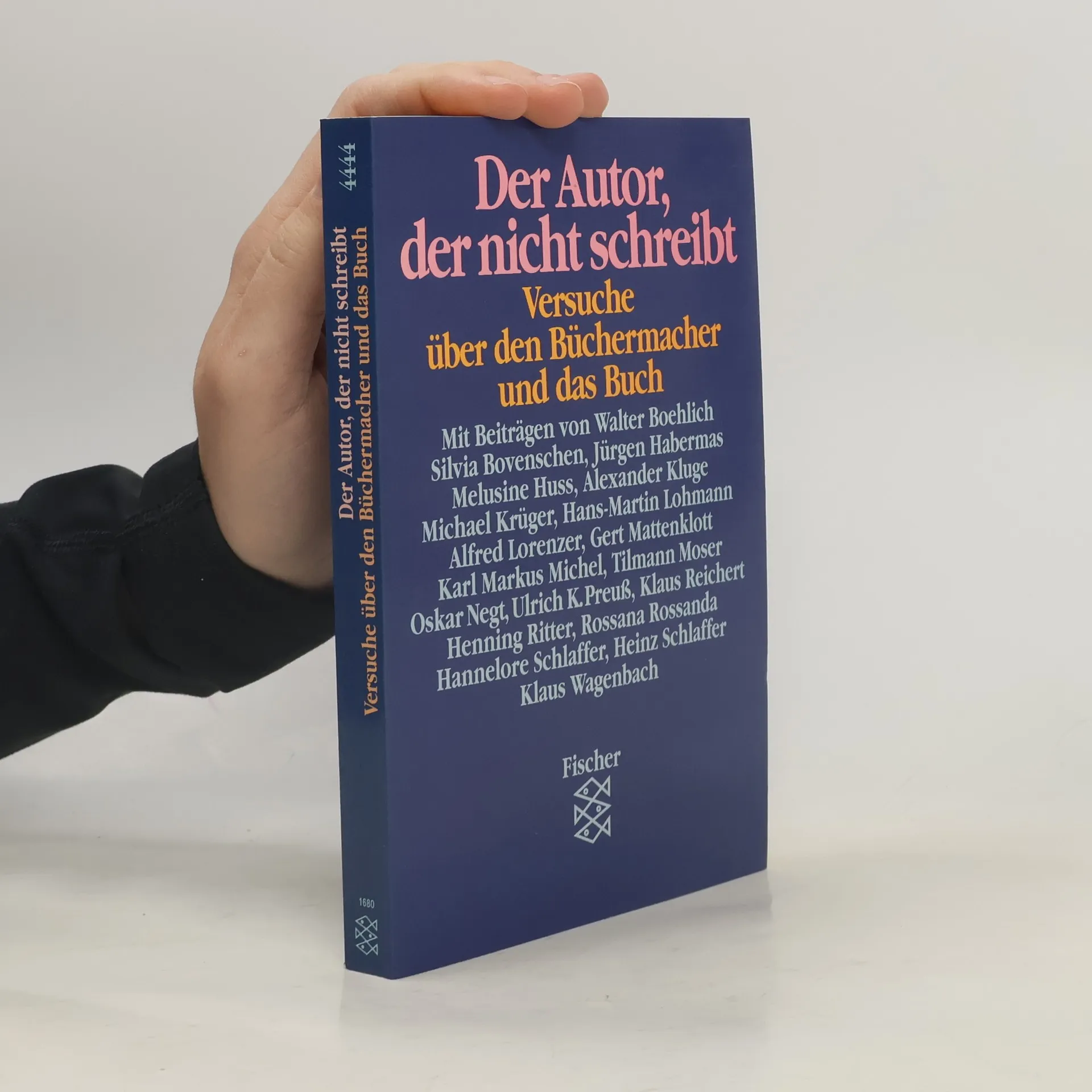
Mit Beiträgen von Walter Boehlich, Silvia Bovenschen, Jürgen Habermas, Melusine Huss, Alexander Kluge, Michael Krüger, Hans-Martin Lohmann, Alfred Lorenzer, Gert Mattenklott, Karl Markus Michel, Tilmann Moser, Oskar Negt, Ulrich K. Preuß, Klaus Reichert, Henning Ritter, Rossana Rossanda, Hannelore Schlaffer, Heinz Schlaffer, Klaus Wagenbach