
The Typewriter Century
- 320 stránek
- 12 hodin čtení
As a vehicle for outstanding creativity, the typewriter has been taken for granted and was, until now, a blind spot in the history of writing practices.
Tento autor se zabývá francouzskou revoluční a napoleonskou historií a historií knih, čtení a psaní v Evropě a Austrálii. Jeho práce se zaměřuje na zkoumání psací praxe negramotných a pololesklých rolníků ve Francii, Španělsku a Itálii na konci 19. a na počátku 20. století. Jeho styl je informativní a analytický, ponořuje se do hlubin historie a umožňuje čtenářům pochopit, jakým způsobem se psaní a čtení v průběhu staletí vyvíjelo. Jeho díla nabízejí jedinečný pohled na kulturní a sociální historii.



As a vehicle for outstanding creativity, the typewriter has been taken for granted and was, until now, a blind spot in the history of writing practices.
This book investigates the history of writing as a cultural practice in a variety of contexts and periods. It analyses the rituals and practices determining intimate or ‘ordinary’ writing as well as bureaucratic and religious writing. From the inscribed images of ‘pre-literate’ societies, to the democratization of writing in the modern era, access to writing technology and its public and private uses are examined. In ten studies, presented by leading historians of scribal culture from seven countries, the book investigates the uses of writing in non-alphabetical as well as alphabetical script, in societies ranging from Native America and ancient Korea to modern Europe. The authors emphasise the material characteristics of writing, and in so doing they pose questions about the definition of writing itself. Drawing on expertise in various disciplines, they give an up-to-date account of the current state of knowledge in a field at the forefront of ‘Book History’.
Robert Menzies received 22,000 letters during his 1949-1966 record-breaking second term as Australian Prime Minister. They lectured him, quoted Shakespeare and the Bible at him and sent advice on how to eliminate the rabbit problem. In Dear Prime Minister, Menzies' fabled 'Forgotten People' write back.
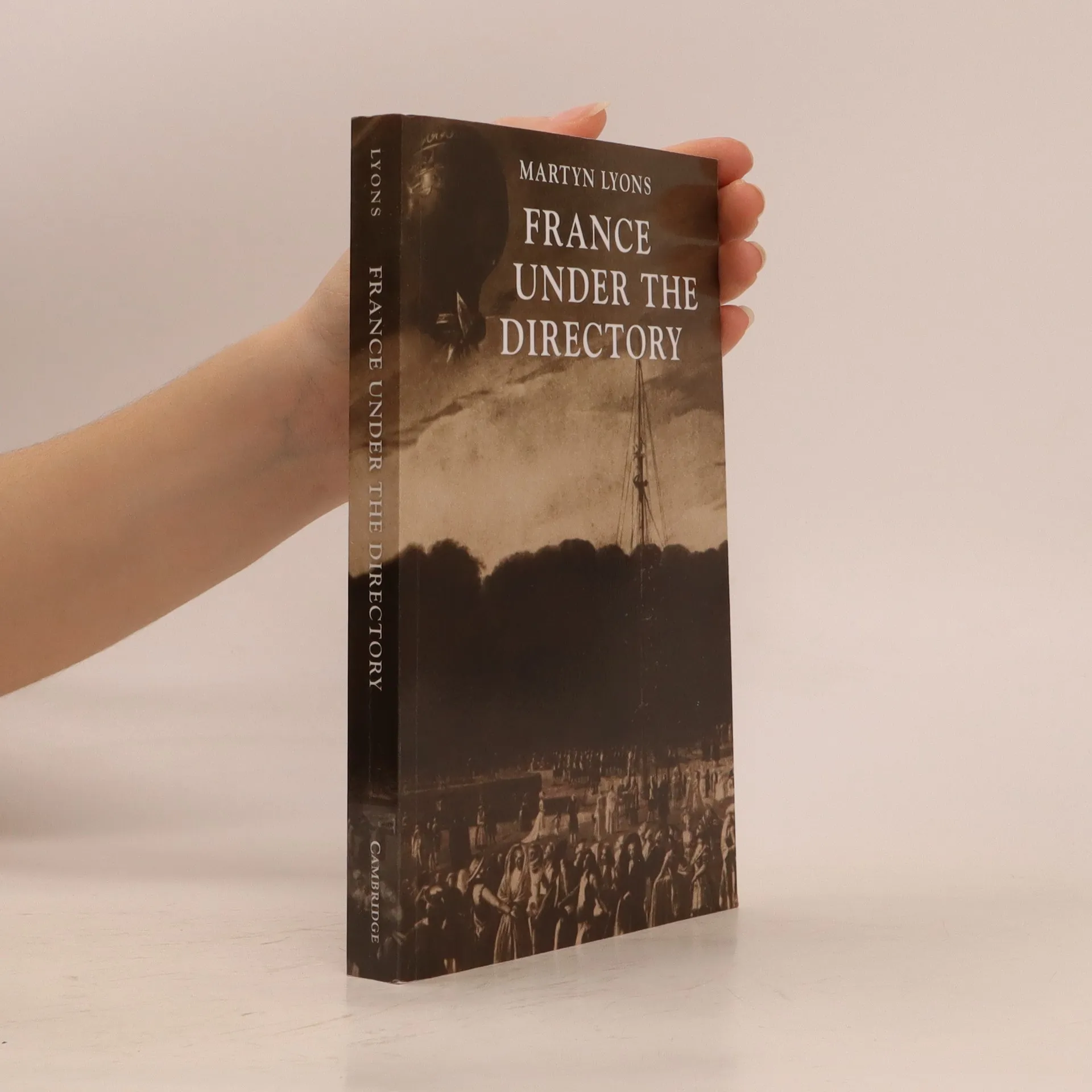
On 9 thermidor Year 2, Robespierre fell; on18 brumaire Year 8, a coup d'état brought Bonaparte to power. This book demonstrates that the interval between these two momentous events was also of crucial importance. Using the findings of recent research, it presents a balanced appraisal of the thermidorean and directorial regimes to the English student. For Jacobin sympathizers thermidor and the Directory represented the betrayal of the revolutionary idea; for Bonapartist propagandists it represented chaos and corruption, and the darker the Directory could be painted, the more Bonaparte's reputation would be flattered. Dr Lyons attempts to dispose of these myths. He stresses the Directory's successes as well as its failures, and emphasizes elements of continuity which link it both with the Jacobin regime and with the Consulate. The regime inherited a heavy burden of war, inflation and food shortages, yet it remained revolutionary in its Republicanism, its anticlericalism, and its desire to carry the fruits of the Revolution to the rest of Europe. At the same time it laid the foundations of financial stability and administrative efficiency on which Bonaparte was to build.
Focusing on the experiences of illiterate and semi-literate individuals, this book challenges the traditional binary view of literacy and illiteracy often held by historians. It highlights the struggles of those with limited reading and writing skills, shedding light on the vast population that exists between full literacy and complete illiteracy. By providing a historical perspective, it aims to debunk persistent myths about illiteracy, offering a revisionist take on its implications in modern society.
The study offers unique insights and references previously unavailable to English readers, focusing on a 'history from below' perspective. It emphasizes the personal experiences and perceptions of individual readers and writers, providing a fresh lens through which to understand historical narratives.
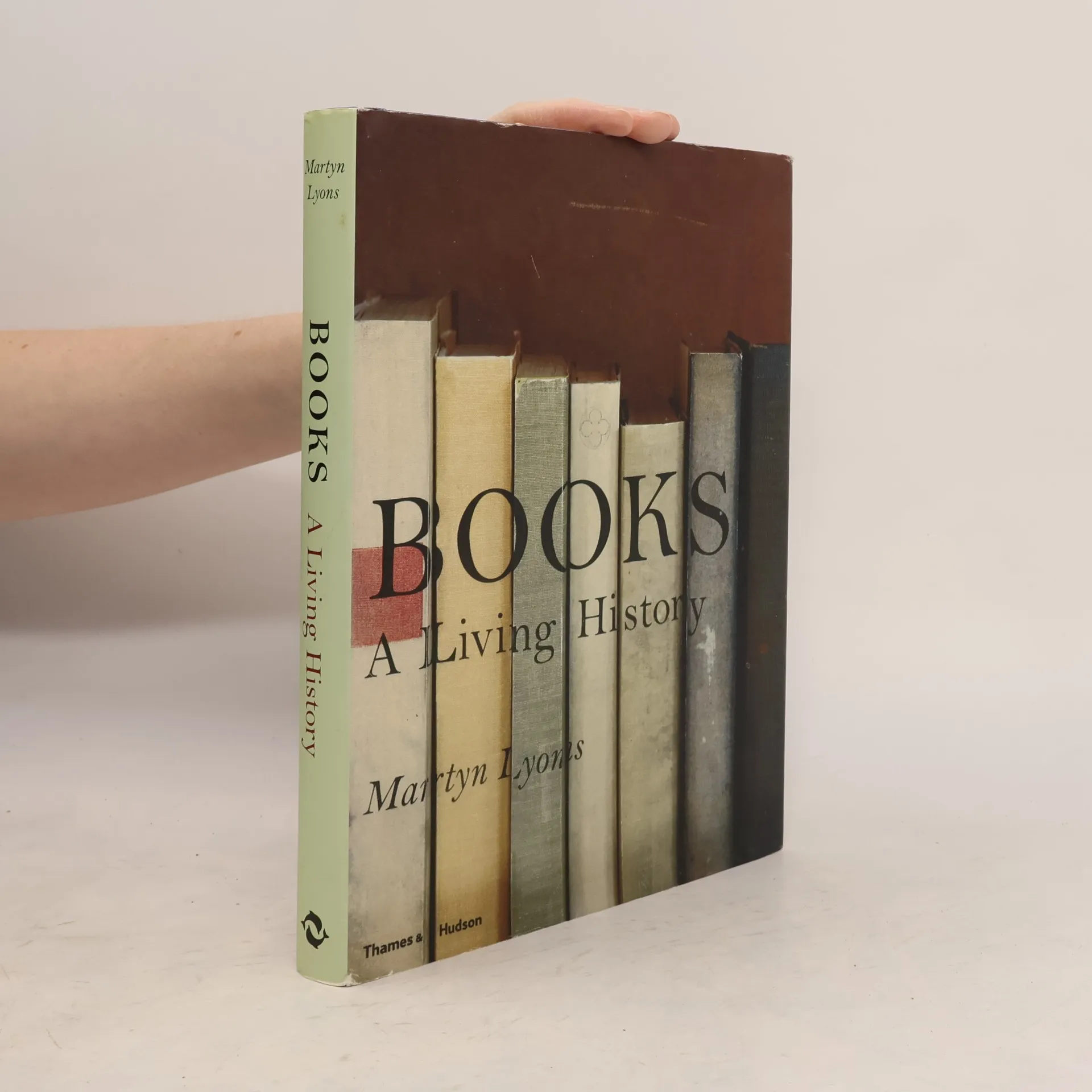
Nichts hat die Geschicke der Welt so nachhaltig verändert wie das geschriebene Wort. Seit der Erfindung der Schrift durch die Sumerer hat die Schreib- und Lesekultur eine faszinierende Entwicklung durchgemacht: Es wurden Alphabete geschaffen, die Schriftrolle vom Kodex abgelöst, Satzzeichen und Wortabstände eingeführt, der Buchdruck mit beweglichen Lettern erfunden und weite Bevölkerungsteile der westlichen Welt literalisiert. Martyn Lyons zeichnet die Geschichte des Buches bis zum heutigen E-Book detailliert, kurzweilig und aus internationaler Perspektive nach. Mit mehr als 250 überwiegend farbigen Bildern illustriert, fängt dieser Band die Macht und Magie des Buches ein. Aus dem Inhalt: Papyrus, Pergament, Papier - Japanische Faltbücher - Aus dem Alltag eines Schreibers - Das hebräische Buch - Die Lutherbibel - Atlanten und Karten - Die Inquisition und der Index - Don Quixote - Lese- und Schreibkundige in Europa - Verbotene Bücher - Bücher verlegen: Ein lukratives Geschäftsmodell - Der Kampf ums Urheberrecht - Südost- und Osteuropa - Buchillustratoren des 19. Jahrhunderts - Die Welt der Brüder Grimm - Groschenromane - Neue Technologien - Penguin Paperbacks - Japanische Mangas - Die moderne arabische Welt - Der Literaturnobelpreis - Kinderbücher - Digitalisierung und kein Ende?