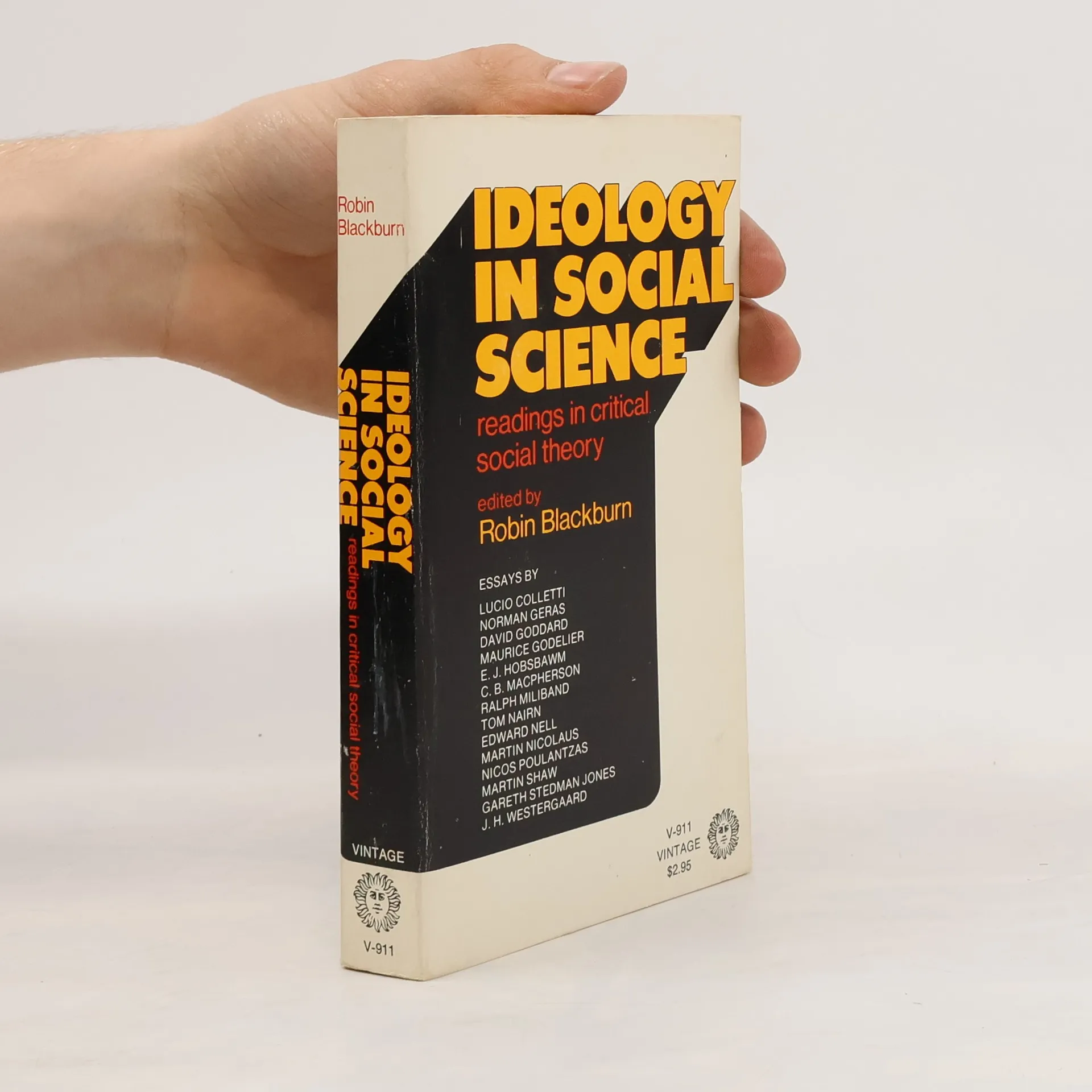
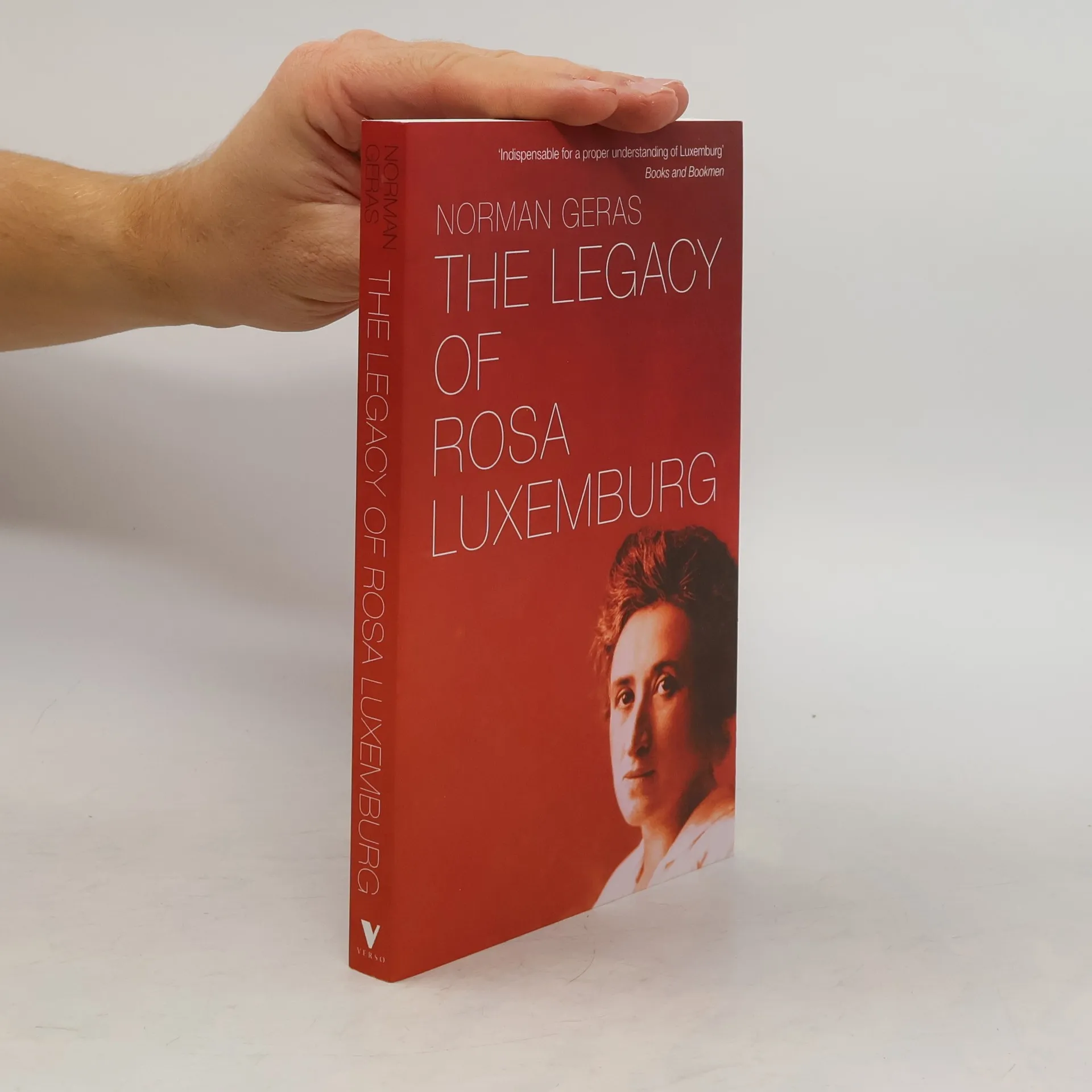
Norman Geras byl emeritním profesorem vlády na Manchesterské univerzitě. Ve své dlouhé akademické kariéře významně přispěl k analýze děl Karla Marxe, zejména ve své knize „Marx and Human Nature“ a v článku „The Controversy About Marx and Justice“, který zůstává standardním dílem na toto téma. Jeho práce se vyznačuje hlubokým pochopením a pronikavou analýzou politické filozofie.
Norman Geras discusses a central aspect of the experience of the Holocaust
with a view to exploring its most important contemporary implications. Geras's
argument focuses on the figure of the bystander to consider the moral
consequences of looking on without active responses at persecution and great
suffering. -- .
An important contribution to our understanding of twentieth-century Marxism During the first decades of the twentieth century, Rosa Luxemburg was the leader of the workers’ movement in Poland and Germany. She made a remarkable contribution to socialist theory and practice, yet her legacy remains in dispute. In this book Norman Geras interrogates and refutes the myths that have developed around her work. She was an opponent of socialist participation in the First World War and, as Geras shows, her views on socialist strategy in Russia were closer to Lenin’s than any other leader’s. Geras explores the development of Luxemburg’s critique in the period following the war and demonstrates how her thought is distinct from the social democratic or anarchist theories into which it is often subsumed. Geras brings new light to bear on one of the most misrepresented figures in radical history, illustrating her inspiring lack of complacency and her commitment to questioning those in authority on both the Right and the Left.
First Vintage Books Edition, March 1973. Mild shelf wear, small tear at top of back cover, pages moderately tanned, and spine has creases from reading. Everything looks good and perfectly readable. Overall pretty decent condition.