Knihobot

Lionel Trilling

    4. červenec 1905 – 5. listopad 1975

    Lionel Trilling byl americký literární kritik, autor a učitel, který se s manželkou Dianou stal členem newyorských intelektuálů a přispěvatelem Partisan Review. Byl jedním z předních amerických kritiků 20. století, který se zaměřoval na současné kulturní, sociální a politické důsledky literatury.
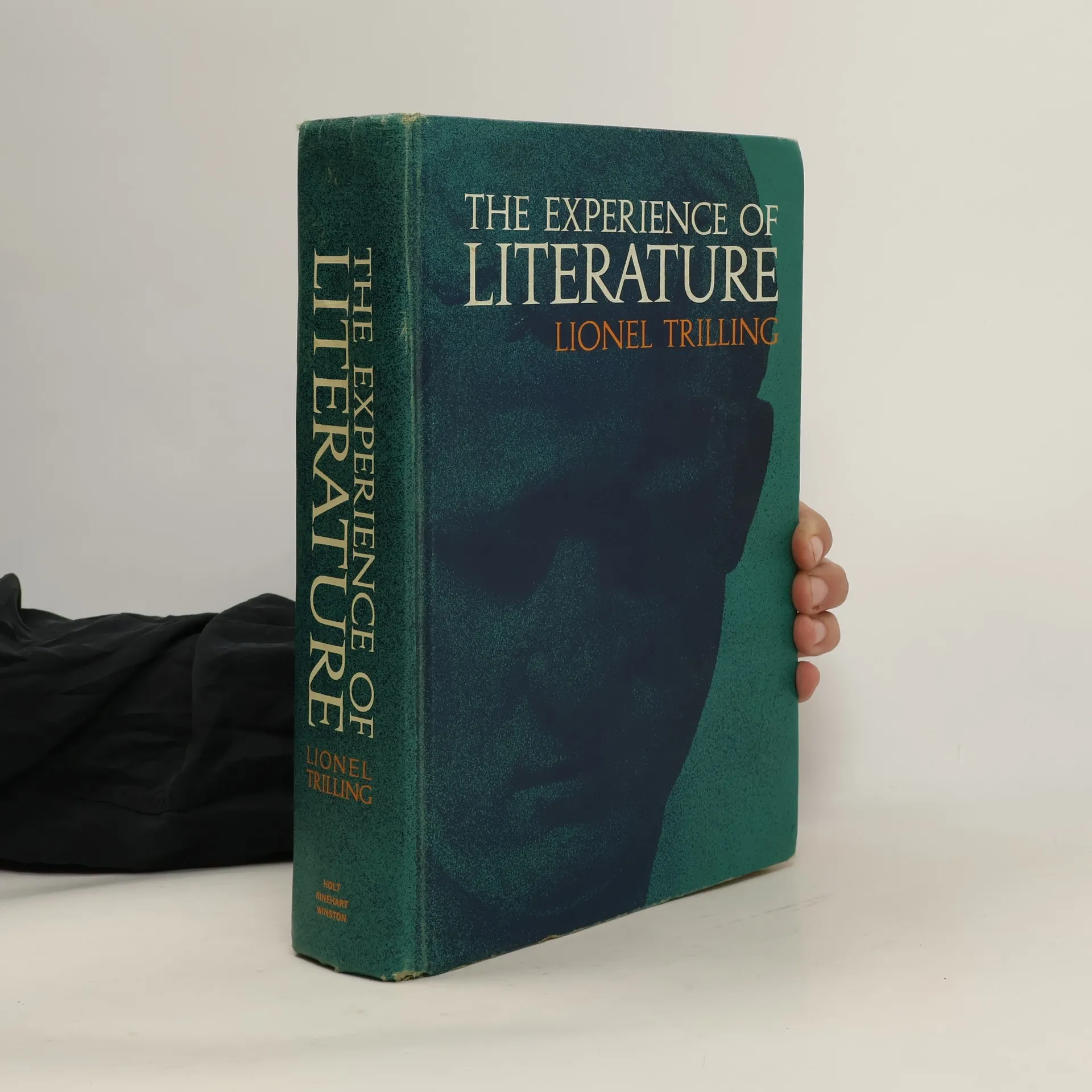
    Life in Culture
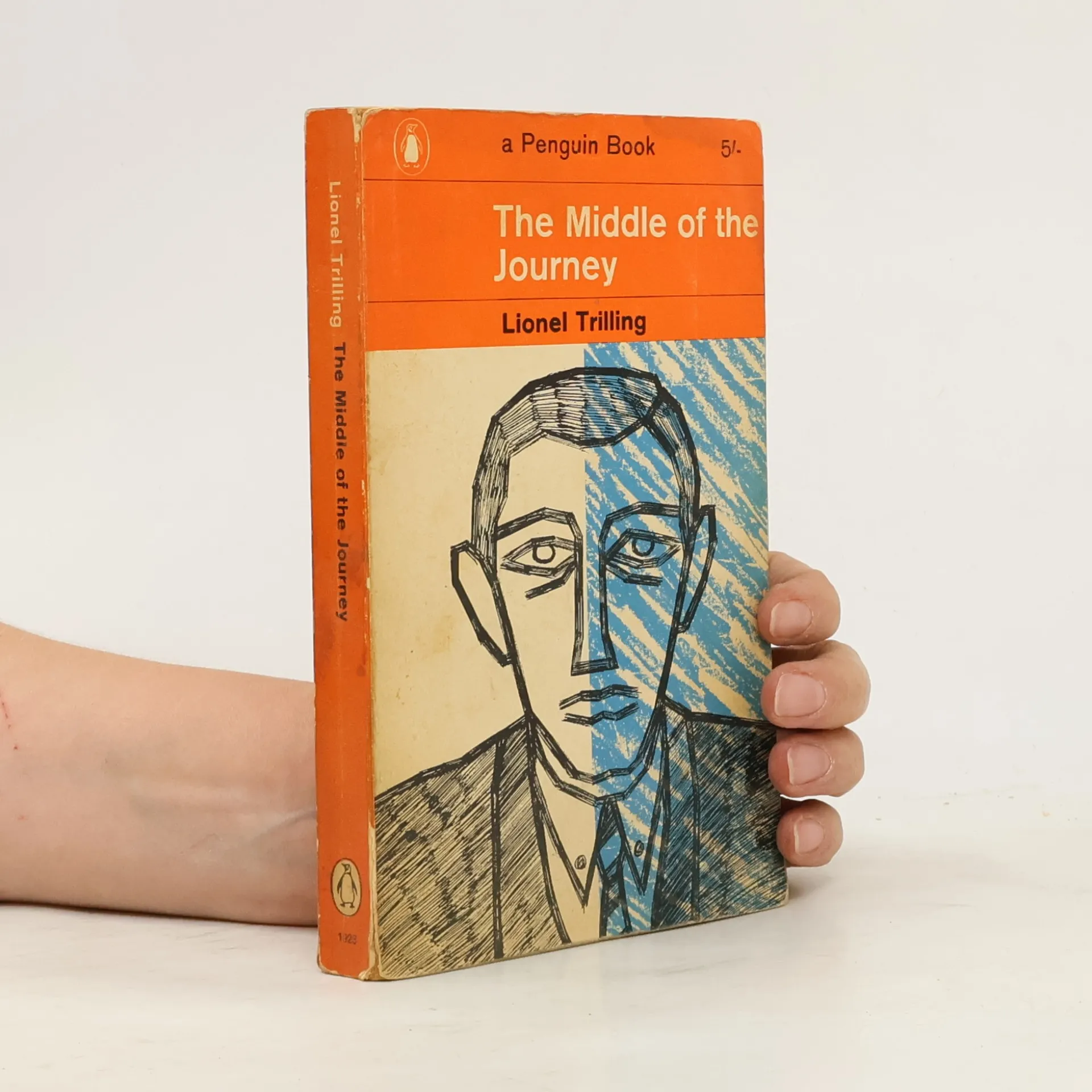
    The Middle of the Journey
    E.M. Forster: Critical Guidebook
    The Moral Obligation To Be Intelligent
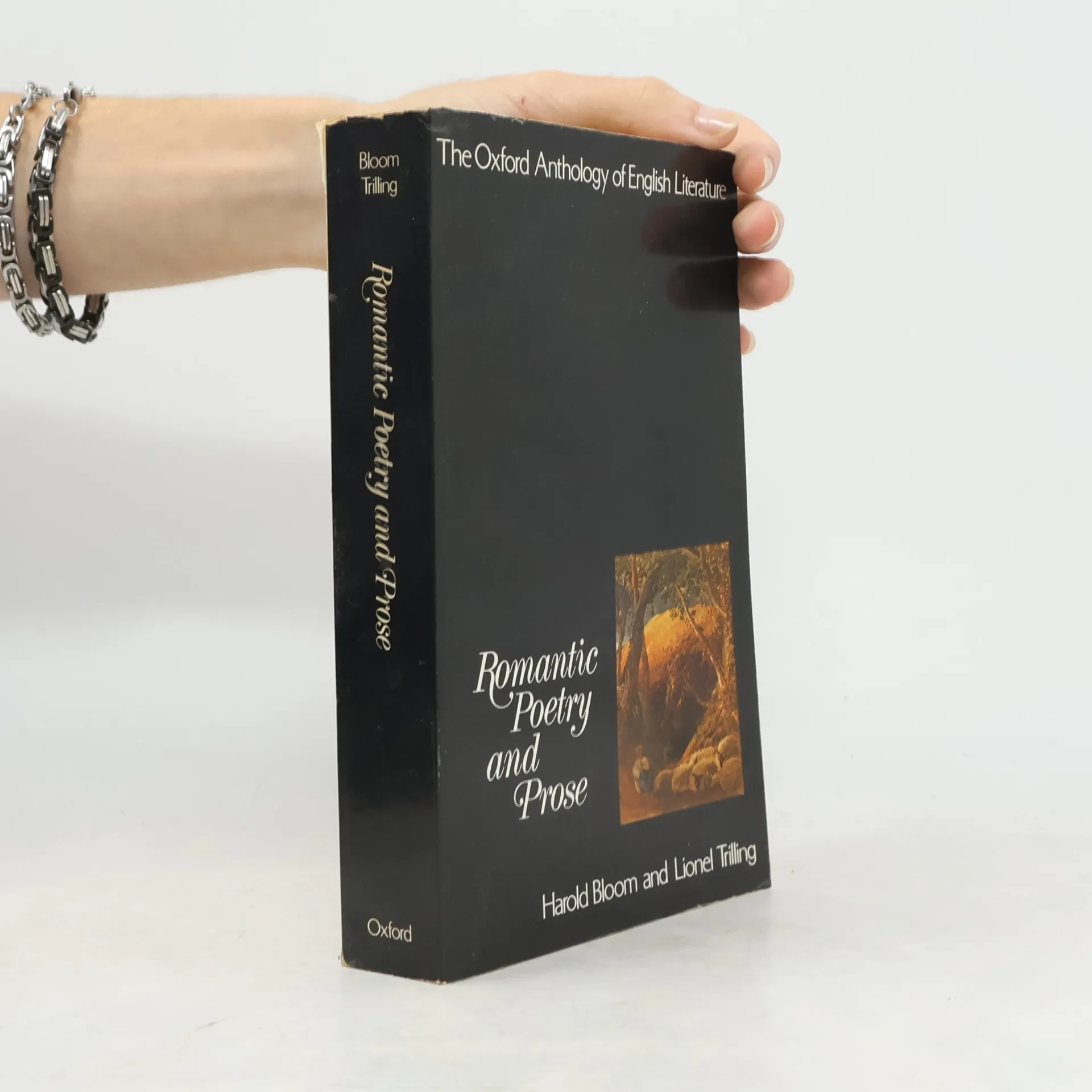
    Romantic Poetry and Prose
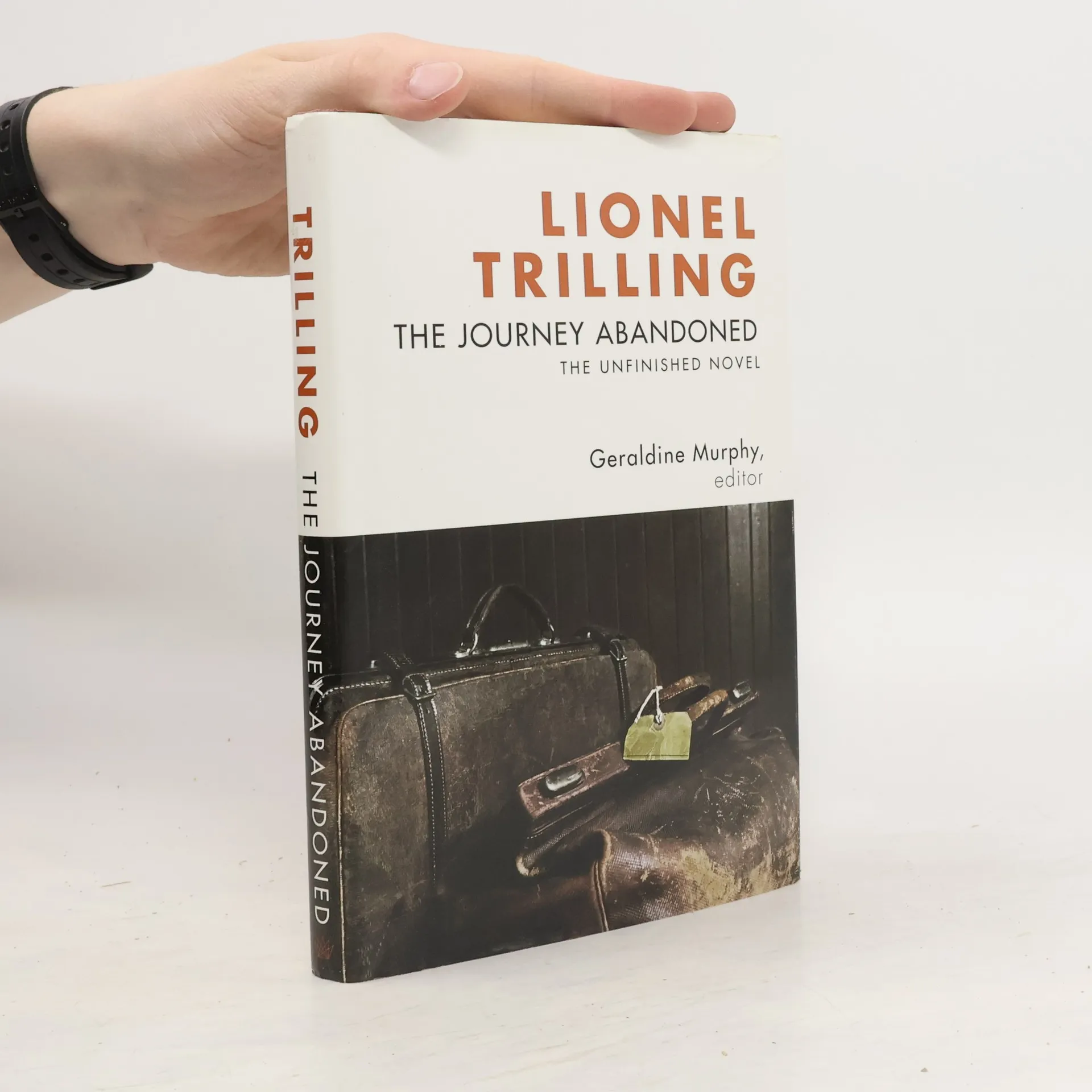
    The Journey Abandoned
    • The Journey Abandoned

      The Unfinished Novel

      • 167 stránek
      • 6 hodin čtení
      5,0(2)Ohodnotit

      Lionel Trilling (1905 - 1975) wanted very much to be a novelist. His short stories appeared in "The Menorah Journal" and "Partisan Review", and he published one novel in 1947, "The Middle of the Journey".

      The Journey Abandoned
    • This volume devotes over 100 pages to William Blake, including The Book of Thel and the entire "Night the Ninth" from The Four Zoas, as well as excerpts from Milton and Jerusalem. It also includes poems and prose by Wordsworth, Coleridge, Keats, Shelley, and Byron.

      Romantic Poetry and Prose
    • The Moral Obligation To Be Intelligent

      • 592 stránek
      • 21 hodin čtení
      4,1(19)Ohodnotit

      The America of John Dos Passos -- Hemingway and his critics -- T.S. Eliot's politics -- The immortality ode -- Kipling -- Reality in America -- Art and neurosis -- Manners, morals, and the novel -- The Kinsey report -- Huckleberry Finn -- The Princess Casamassima -- Wordsworth and the Rabbis -- William Dean Howells and the roots of modern taste -- The poet as hero: Keats in his letters -- George Orwell and the politics of truth -- The situation of the American intellectual at the present time -- Mansfield Park -- Isaac Babel -- The morality of inertia -- "That smile of Parmenides made me think"--The last lover -- A speech on Robert Frost: a cultural episode -- On the teaching of modern literature -- The Leavis-Snow controversy -- The fate of pleasure -- James Joyce in his letters -- Mind in the modern world -- Art, will, and necessity -- Why we read Jane Austen.

      The Moral Obligation To Be Intelligent
    • E.M. Forster: Critical Guidebook

      • 208 stránek
      • 8 hodin čtení
      3,3(10)Ohodnotit

      “The modern novel in its most cogent and permanent form”––this has been the achievement of E. M. Forster; his masterpiece,  A Passage to India , belongs with perhaps three or four other works in English at the pinnacle of literary craftsmanship in this century. Yet for many years Forster’s genius was virtually unrecognized in America. Not until 1943, when Lionel Trilling’s authoritative and discerning study was first published, did Forster find his way to a broad American audience. In this 1964 revision of the first paperbook edition, Mr. Trilling added a preface and brought the bibliography up to date. His book performs two it is a critical-biographical introduction to the master novelist and his works; it is in itself a primary document in the development of, contemporary American criticism. Here is criticism functioning at its best, deftly, surely, wittily, within a framework of the ideas which are basic to literary thought today.

      E.M. Forster: Critical Guidebook
    • Life in Culture

      • 464 stránek
      • 17 hodin čtení

      A great critic’s quarrels with himself and others, as revealed in his correspondence In the mid-twentieth century, Lionel Trilling was America’s most respected literary critic. His powerful and subtle essays inspired readers to think about how literature shapes our politics, our culture, and our selves. His 1950 collection, The Liberal Imagination, sold more than 100,000 copies, epitomizing a time that has been called the age of criticism. To his New York intellectual peers, Trilling could seem reserved and circumspect. But in his selected letters, Trilling is revealed in all his variousness and complexity. We witness his ardent courtship of Diana Trilling, who would become an eminent intellectual in her own right; his alternately affectionate and contentious rapport with former students such as Allen Ginsberg and Norman Podhoretz; the complicated politics of Partisan Review and other fabled magazines of the period; and Trilling’s relationships with other leading writers of the period, including Saul Bellow, Edmund Wilson, and Norman Mailer. In Life in Culture, edited by Adam Kirsch, Trilling’s letters add up to an intimate portrait of a great critic, and of America’s intellectual journey from the political passions of the 1930s to the cultural conflicts of the 1960s and beyond.

      Life in Culture