
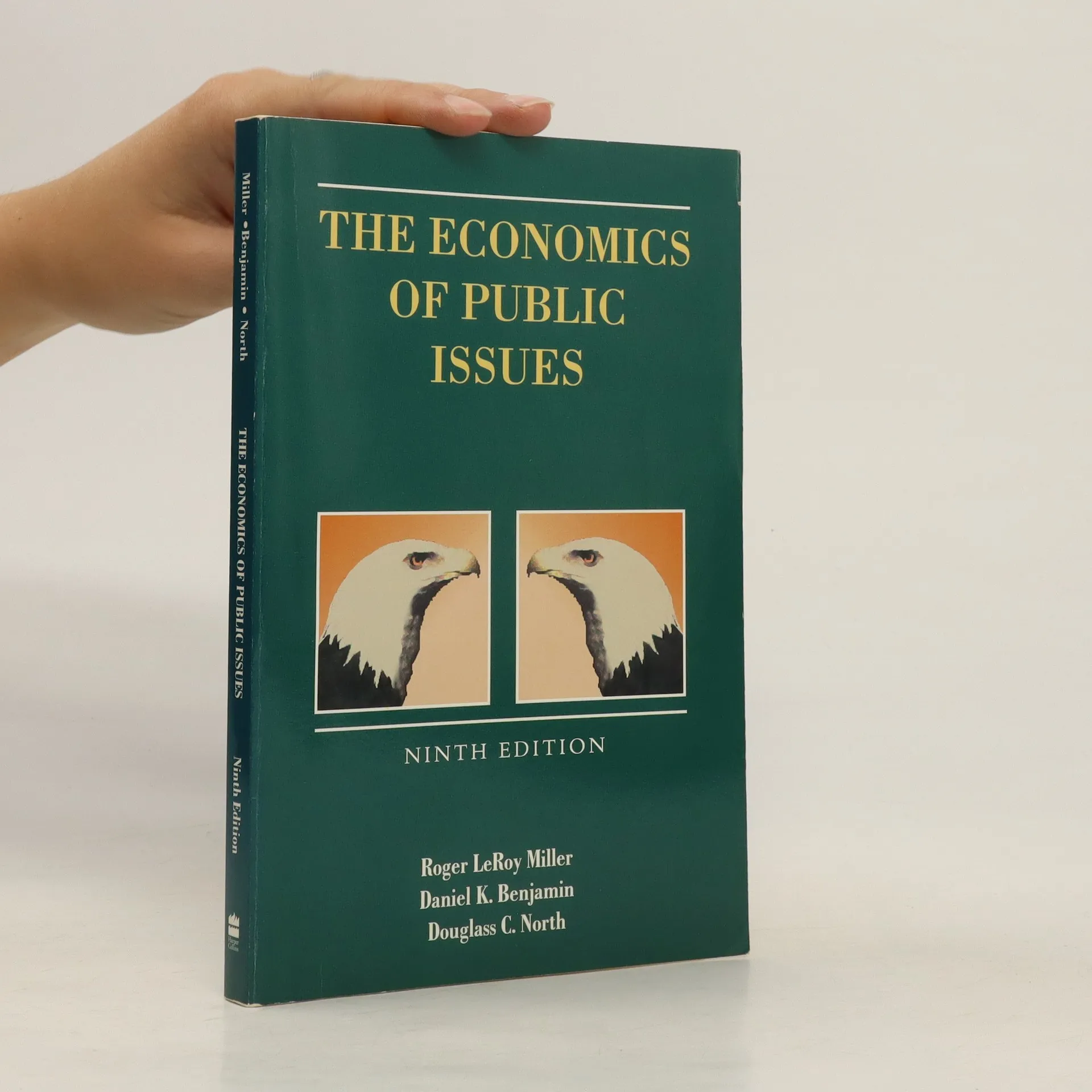
For principles of economics, public policy, and social issues courses. Brief, relevant readings that spark independent thinking and classroom discussions The Economics of Public Issues is a collection of brief, relevant readings that spark independent thinking and discussion in principles of economics and social issues. The 20th Edition encourages readers to apply theoretical discussions to today's important issues to gain a deeper understanding of current microeconomic policy concerns. Spark independent thinking and classroom discussion Readings are concise, allowing for easy integration into any principles of economics or issues-based classroom. A correlation guide in the preface illustrates how to integrate topics into different courses. Conversational and informative non-technical writing is geared toward principles-level students and does not require advanced math. Using the latest debates in social policy, the authors encourage readers to question their own assumptions and the analysis offered by the media and politicians on key issues. End-of-chapter questions offer students the opportunity to test their knowledge and review chapter concepts.
Douglass Cecil North Knihy
Douglass Cecil North byl americký ekonom, který se proslavil svou prací v oblasti hospodářských dějin. Jeho výzkum, oceněný Nobelovou cenou, se zaměřil na obnovu studia hospodářských dějin prostřednictvím aplikace ekonomické teorie a kvantitativních metod. North tak přispěl k vysvětlení ekonomických a institucionálních změn, čímž ovlivnil chápání vývoje ekonomik v průběhu času.


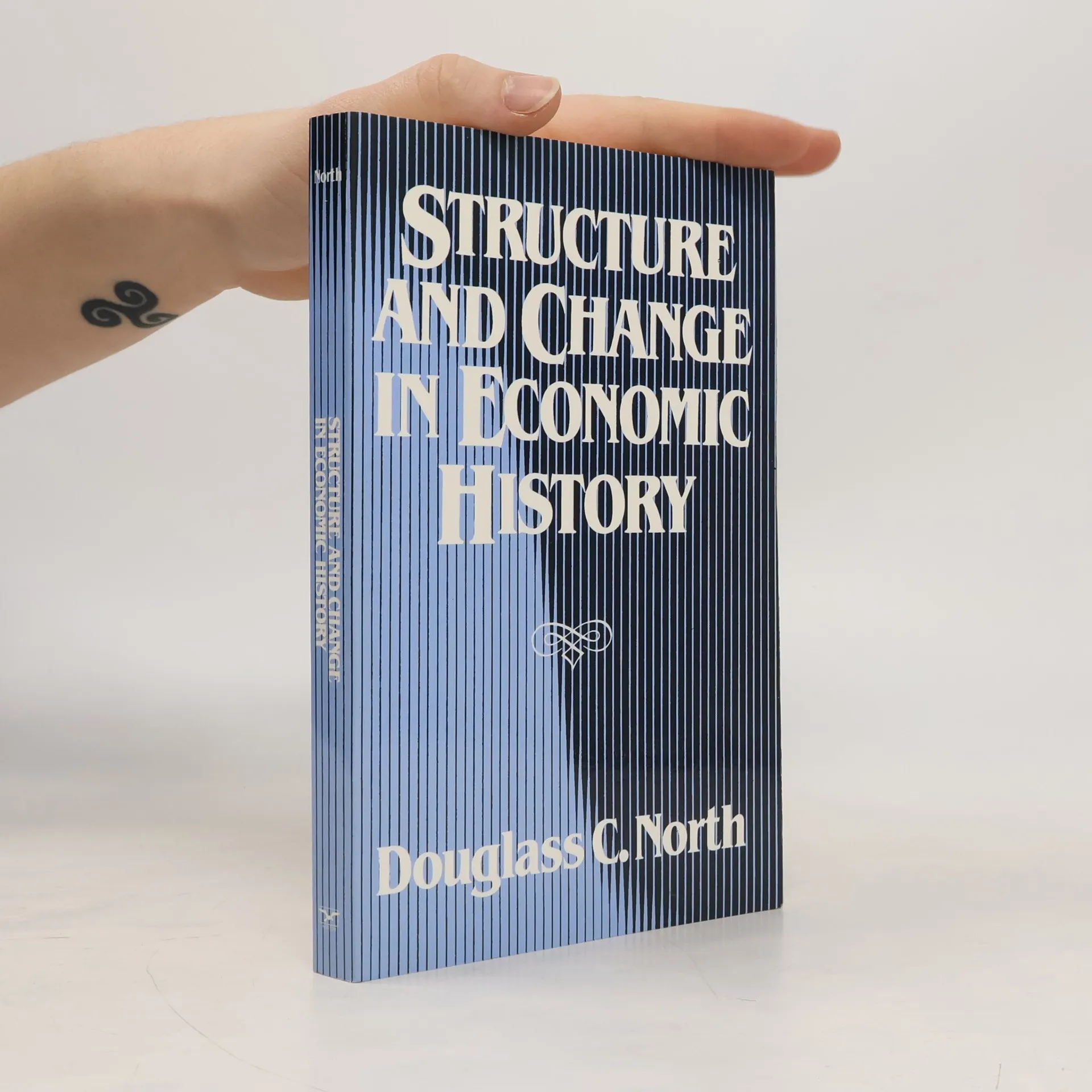
Structure and Change in Economic History
- 240 stránek
- 9 hodin čtení
In this bold, sweeping study of the development of Western economies, Douglass C. North sets forth a new view of societal change.
Violence and Social Orders
- 308 stránek
- 11 hodin čtení
All societies must deal with the possibility of violence, and they do so in different ways. This book integrates the problem of violence into a larger social science and historical framework, showing how economic and political behavior are closely linked. Most societies, which we call natural states, limit violence by political manipulation of the economy to create privileged interests. These privileges limit the use of violence by powerful individuals, but doing so hinders both economic and political development. In contrast, modern societies create open access to economic and political organizations, fostering political and economic competition. The book provides a framework for understanding the two types of social orders, why open access societies are both politically and economically more developed, and how some 25 countries have made the transition between the two types.