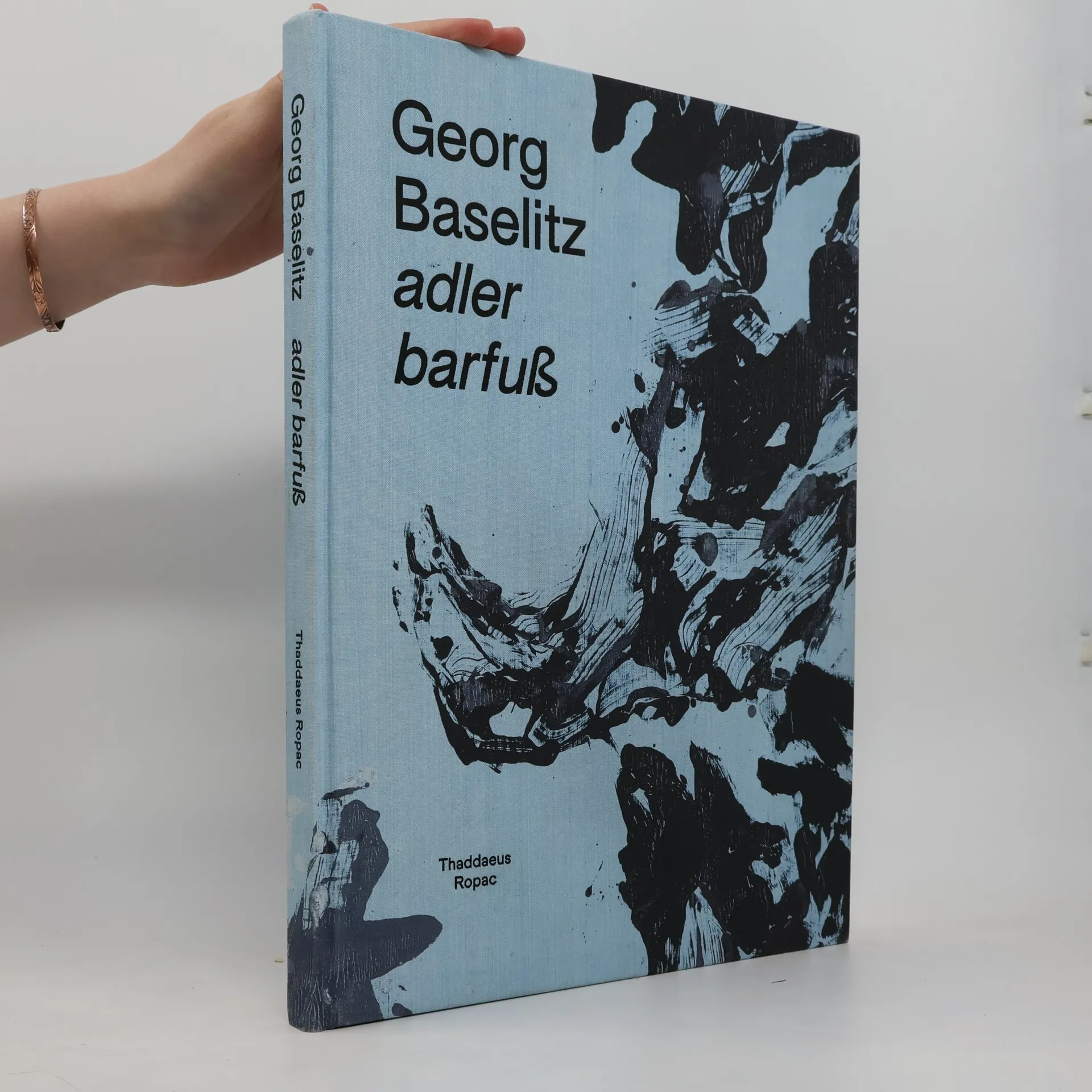
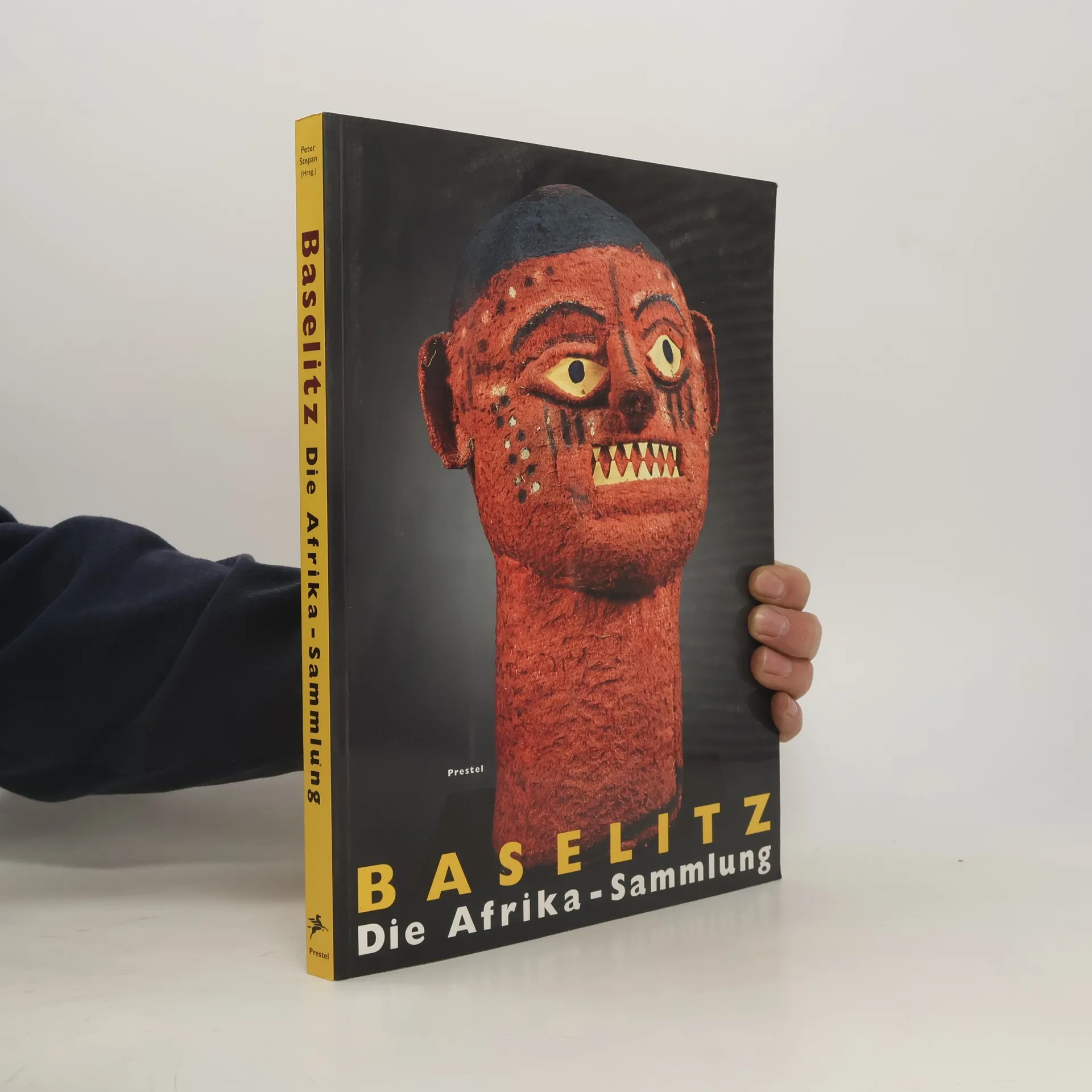
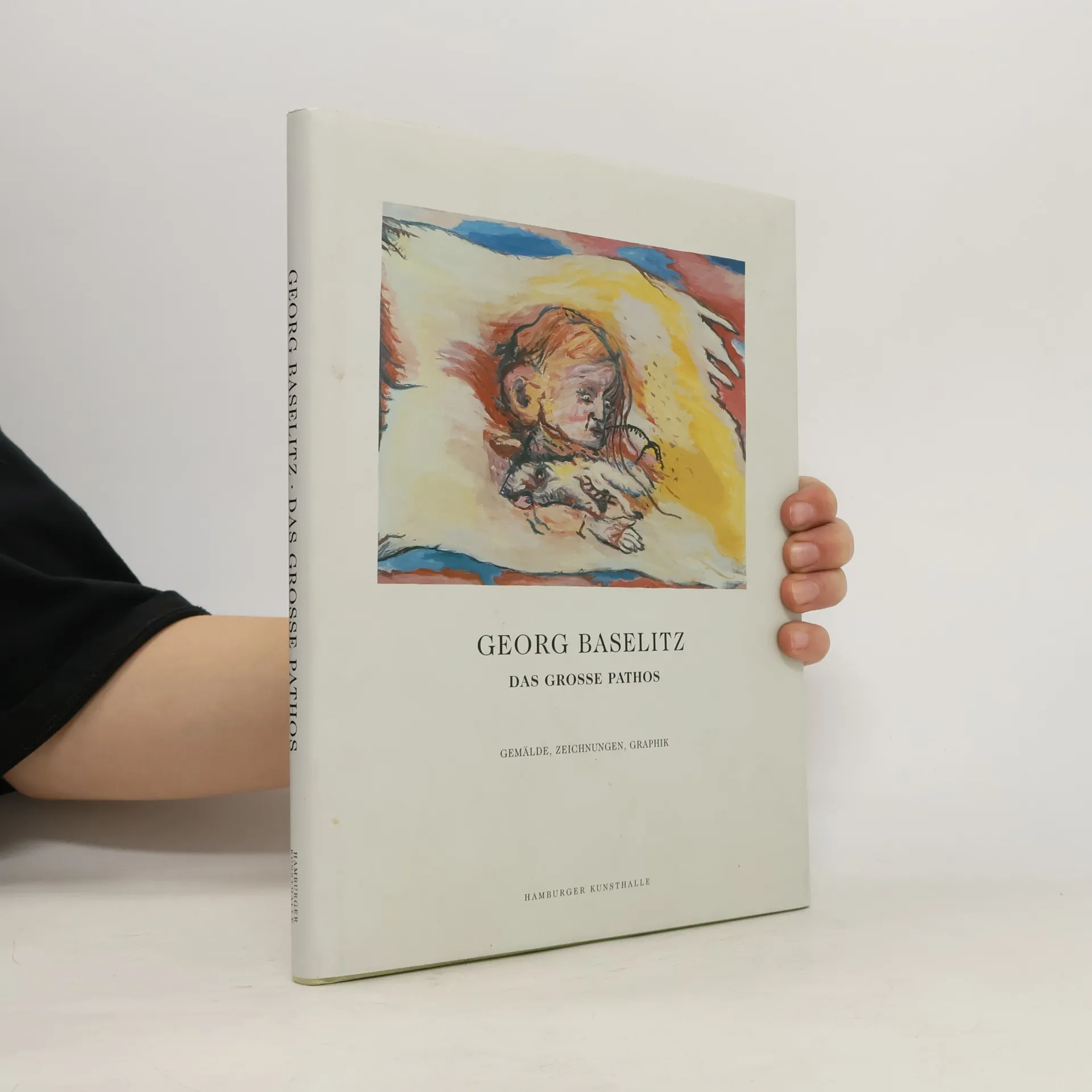
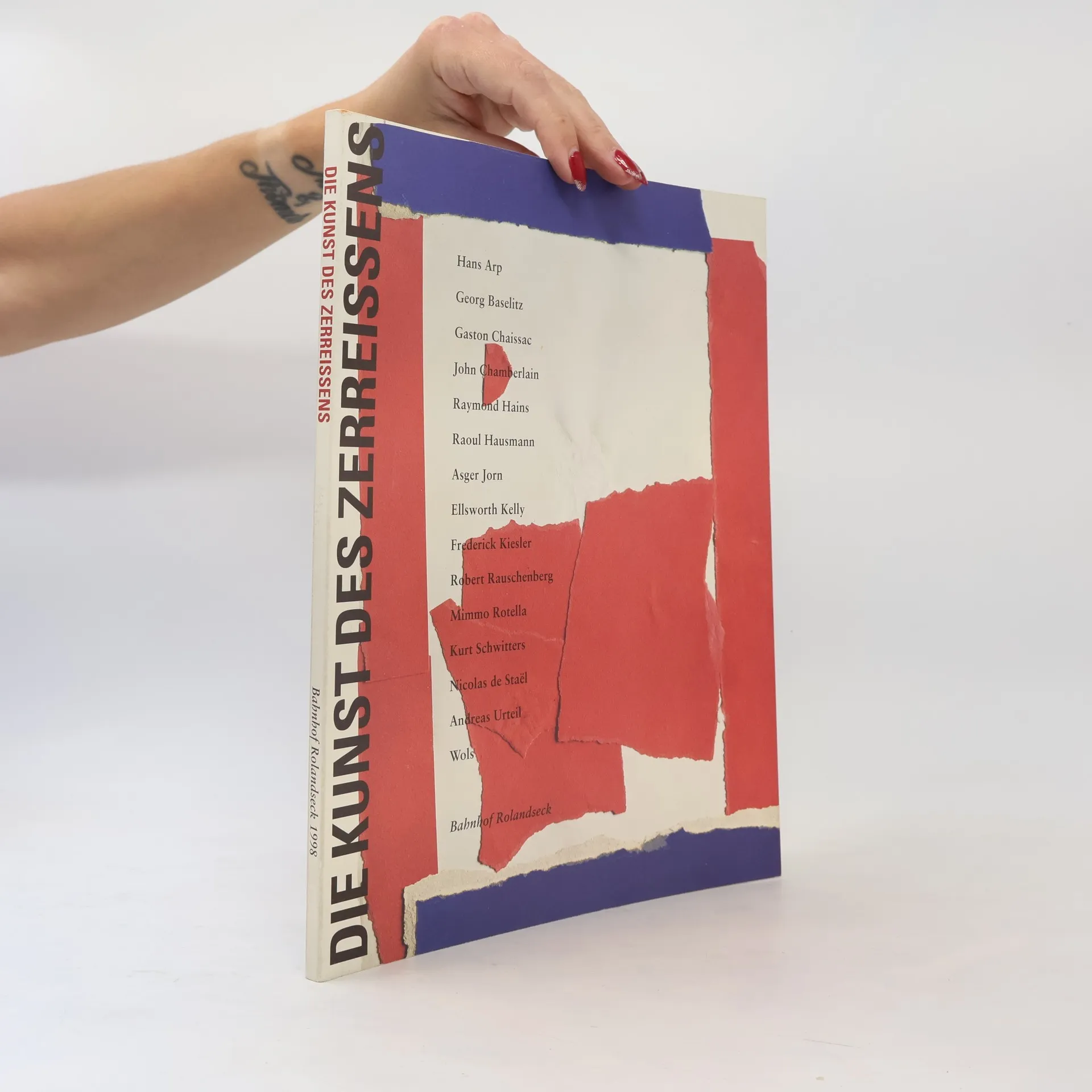
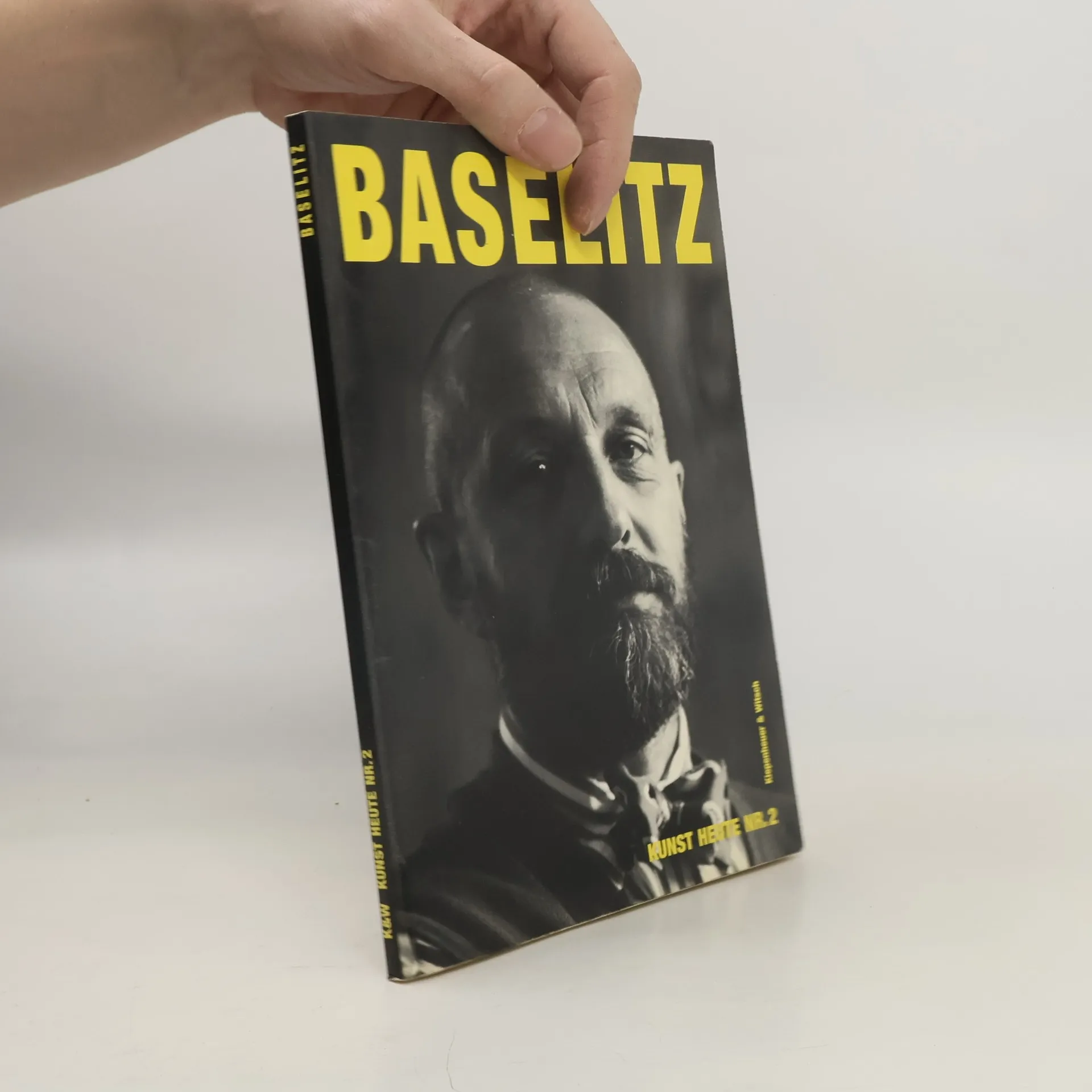
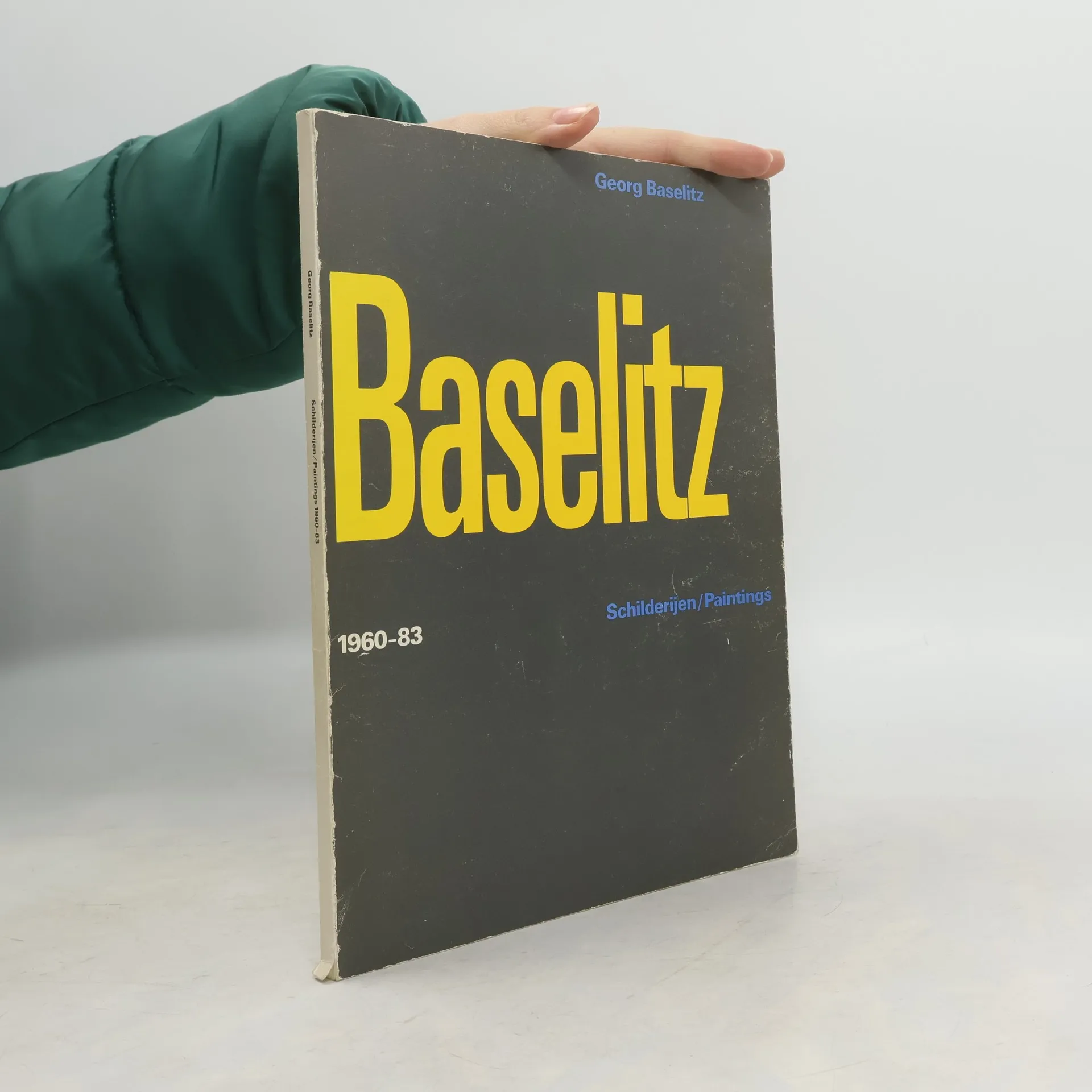
Adler Barfuß
- 127 stránek
- 5 hodin čtení


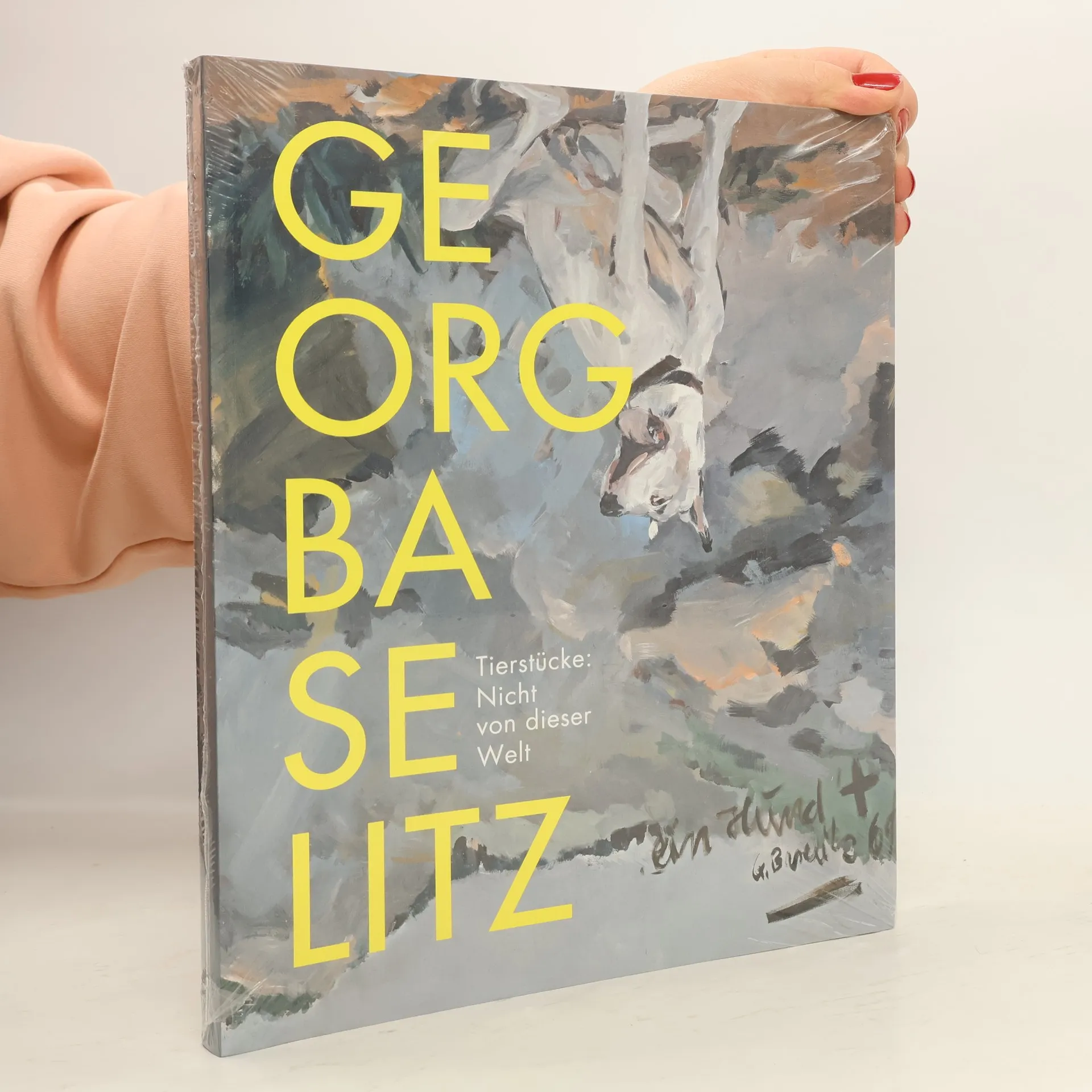
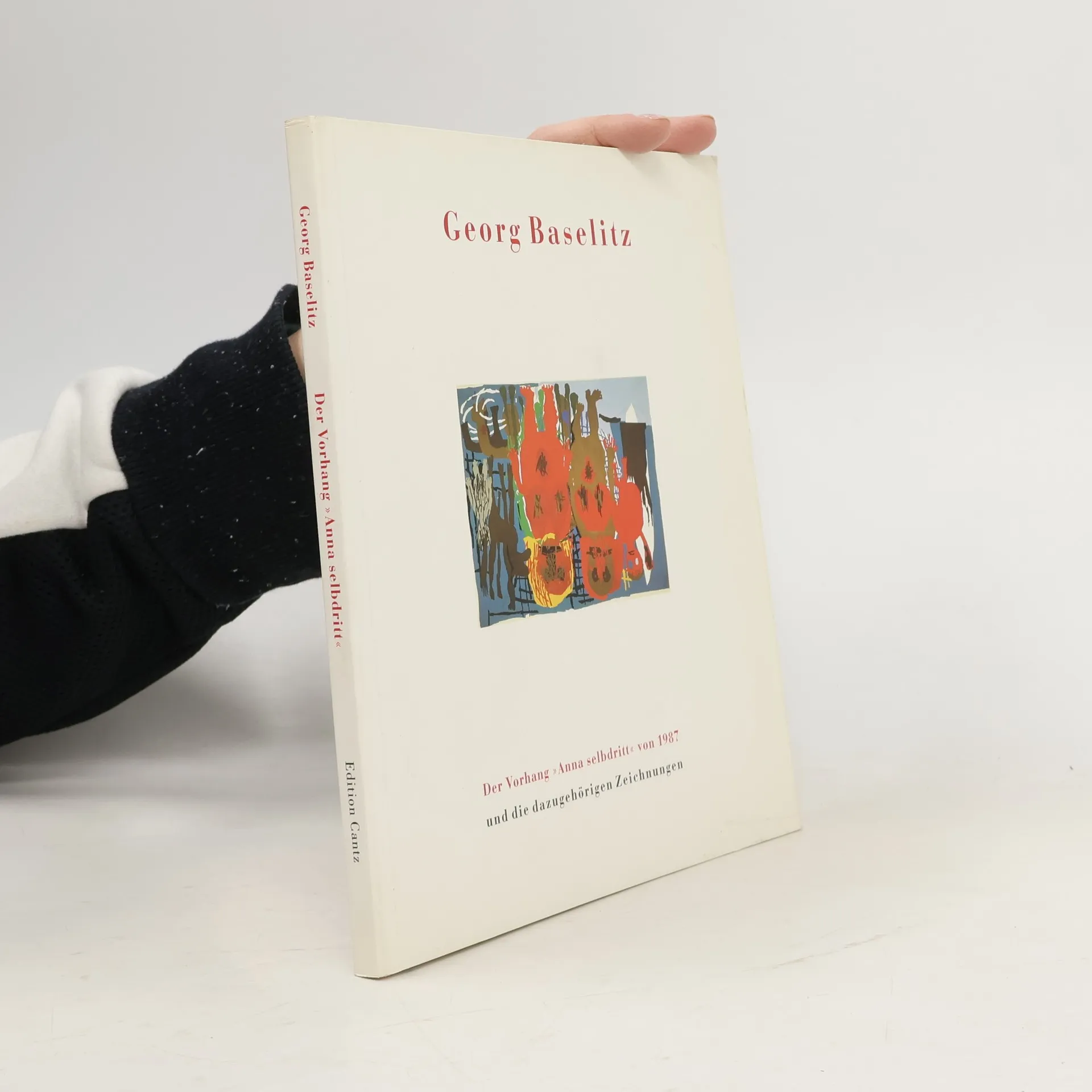
Georg Baselitz je známý svou vášní pro expresivní malbu a originální ztvárnění lidské postavy. Jeho díla se často vyznačují silnými barvami, dynamickými tahy štětce a experimentováním s perspektivou, kdy běžně zobrazuje postavy vzhůru nohama. Toto umělecké rozhodnutí slouží k tomu, aby diváka donutilo přehodnotit obvyklé vnímání obrazu a soustředit se na samotnou formu a obsah díla, nikoli na jeho snadno rozpoznatelnou předlohu. Baselitzovo umění je hluboce zakořeněno v poválečné německé společnosti a odráží jak jeho osobní zážitky, tak širší kulturní a historické dopady.
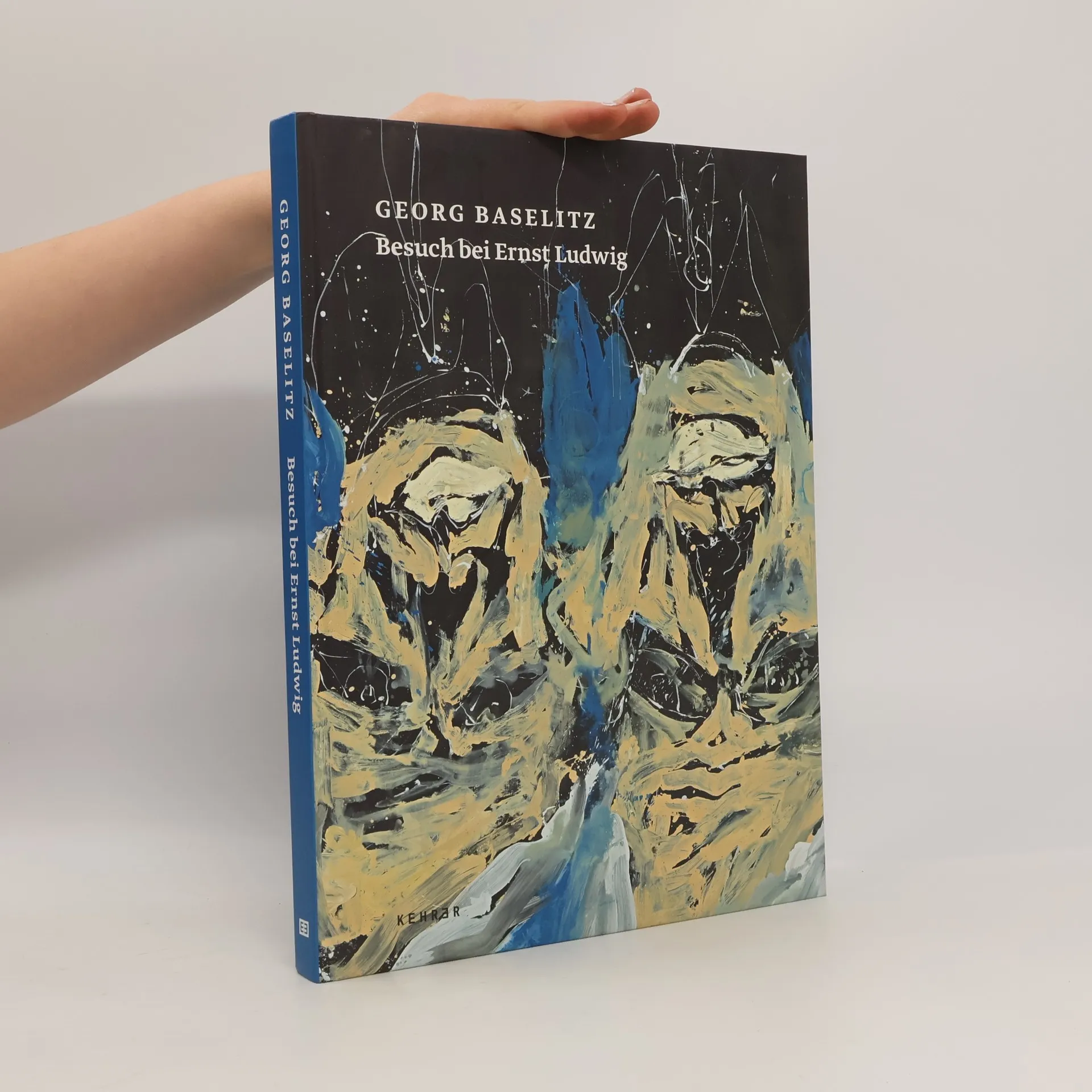
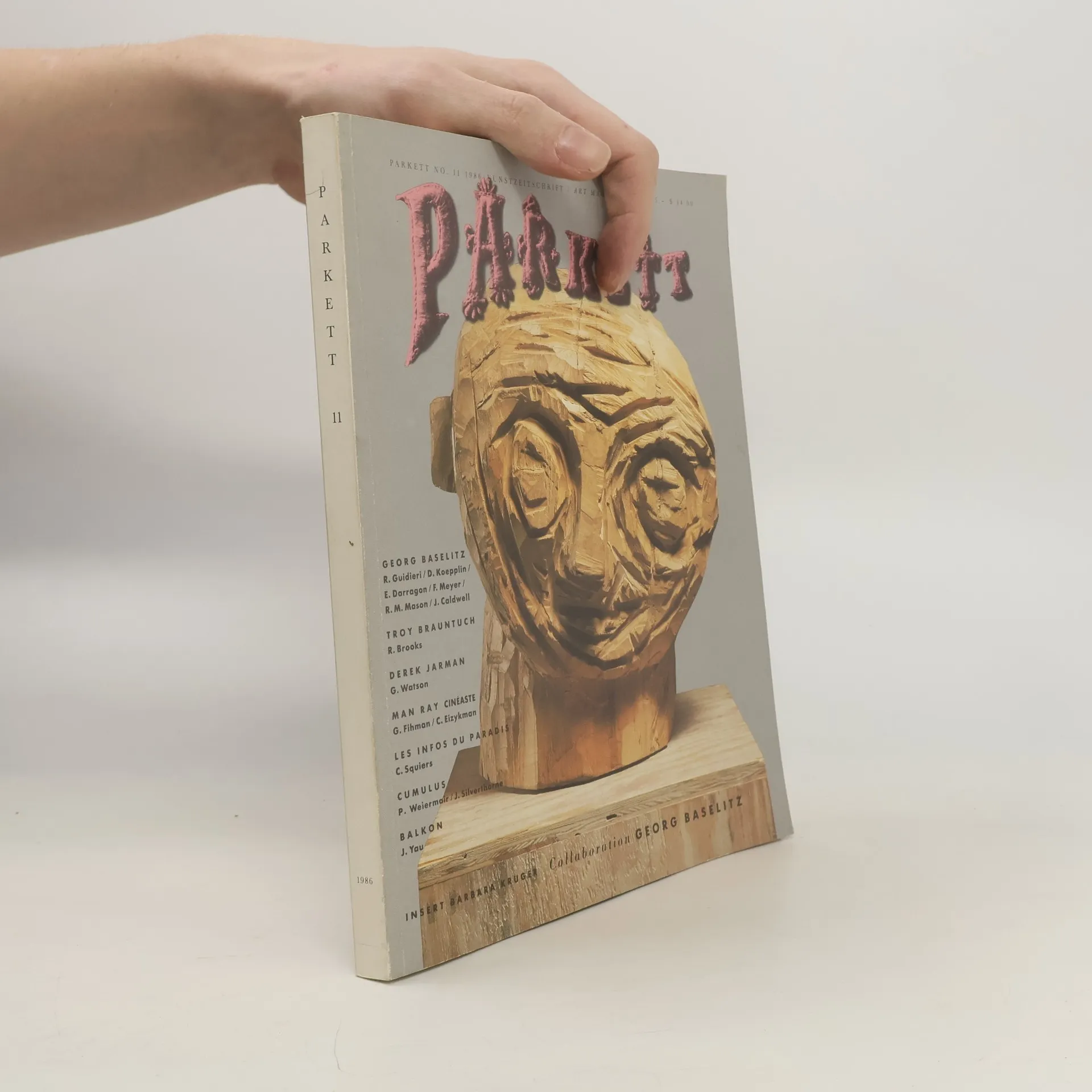
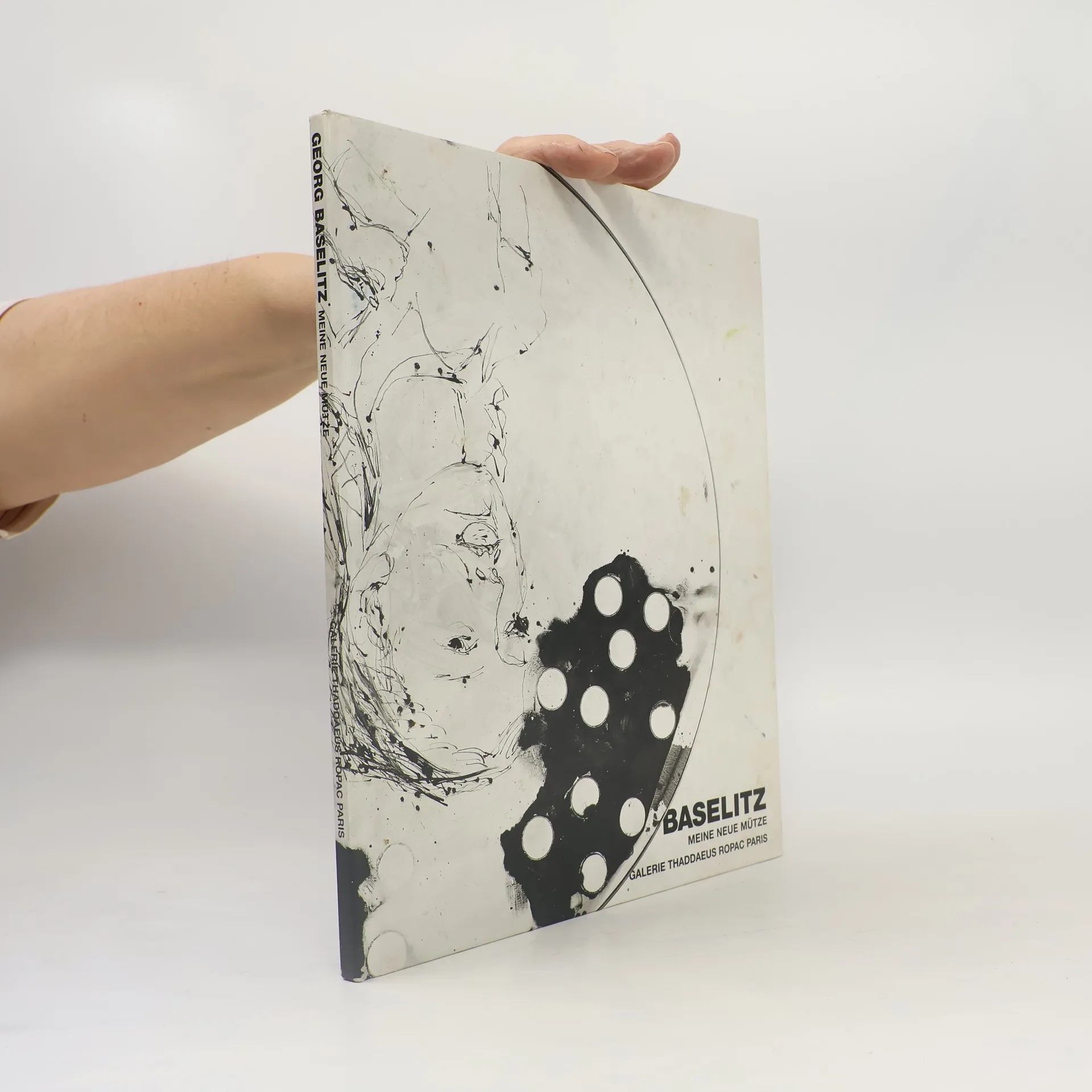
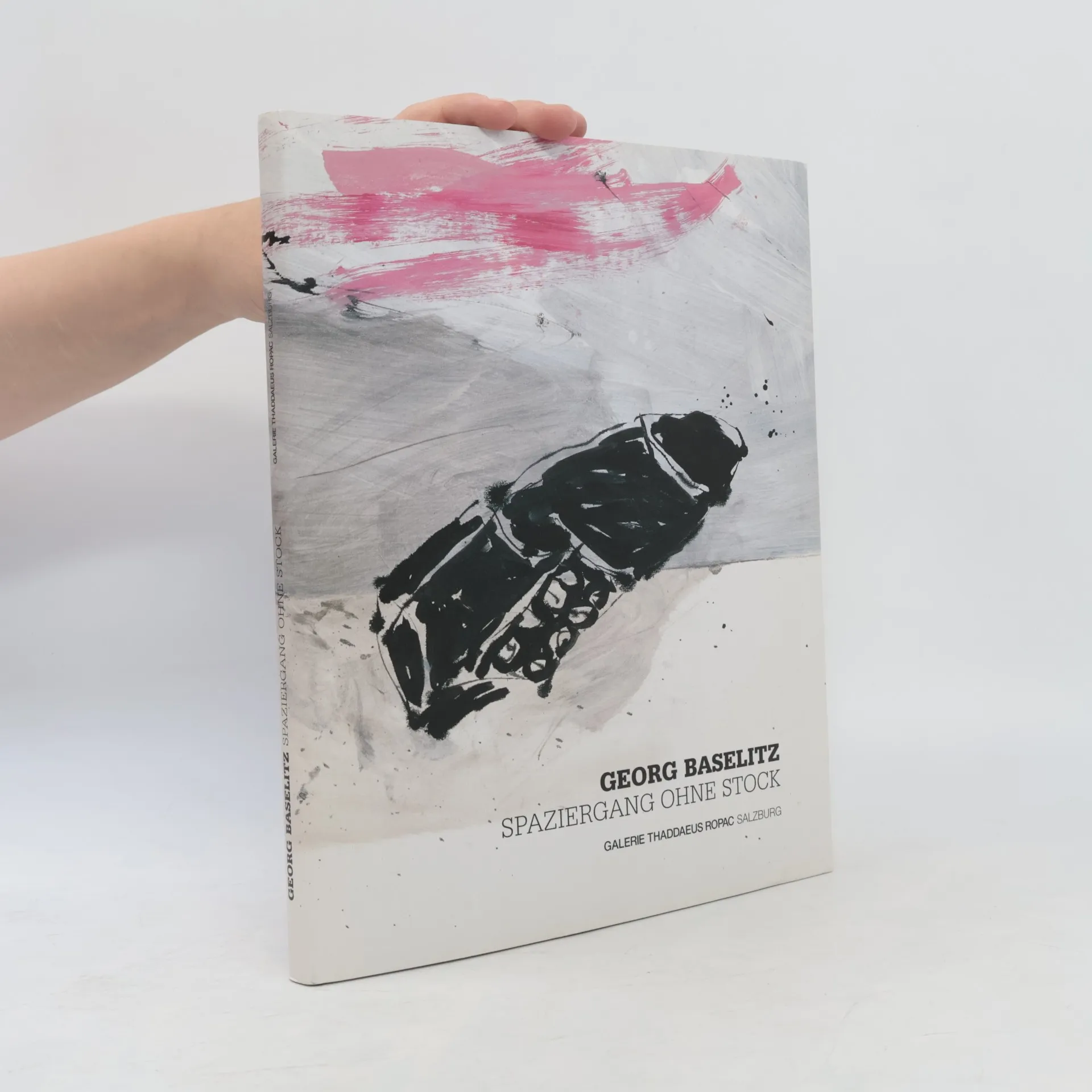
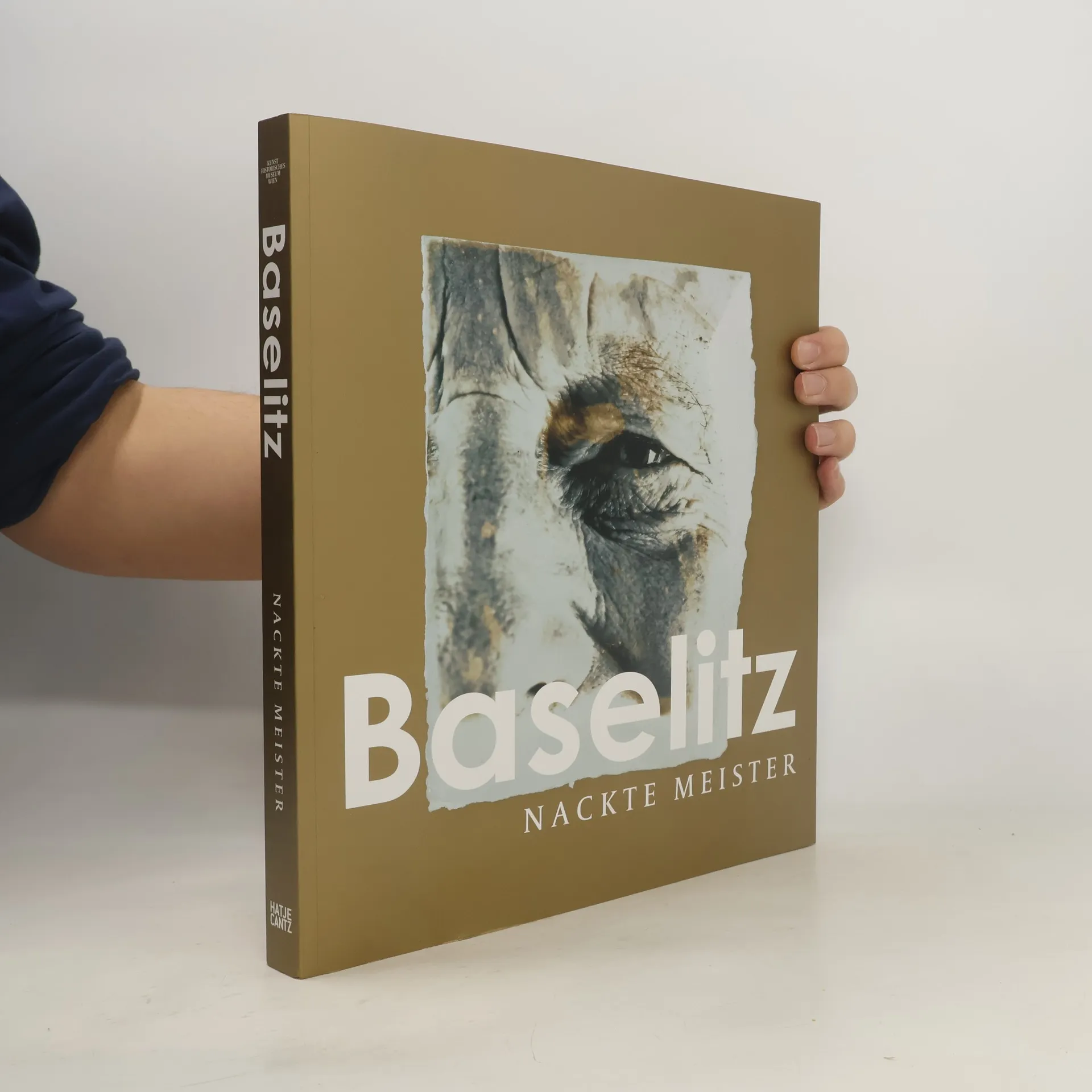
Georg Baselitz im Dialog mit den Alten Meistern: Das Kunsthistorische Museum Wien hat den Maler und Bildhauer zu einem visuellen Gespräch eingeladen. Er selbst traf die Auswahl der Werke, wobei er sich ausschließlich auf den Akt, auf die nackte Figur konzentriert hat. Um diesen menschlichen Elementarzustand - seit jeher zentrales Thema der europäischen Kunst - kreisen Ausstellung und Katalog. Seit seinem Frühwerk arbeitet Georg Baselitz mit einem ausgeprägten kunstgeschichtlichen Bewusstsein, beeindruckt vor allem vom Manierismus und dessen Regelverstößen. In der hier vorgestellten Begegnung der Werke von Georg Baselitz mit historischen Bildern idealschöner Figuren des Kunsthistorischen Museums ergeben sich spannende Einsichten in die Geschichte der Aktmalerei sowie in die Aktualität von Malerei selbst. Der Künstler wirft so grundsätzliche, uns alle betreffende Fragen auf und öffnet in den Begegnungen der Werke einen herausfordernden Erfahrungsraum.
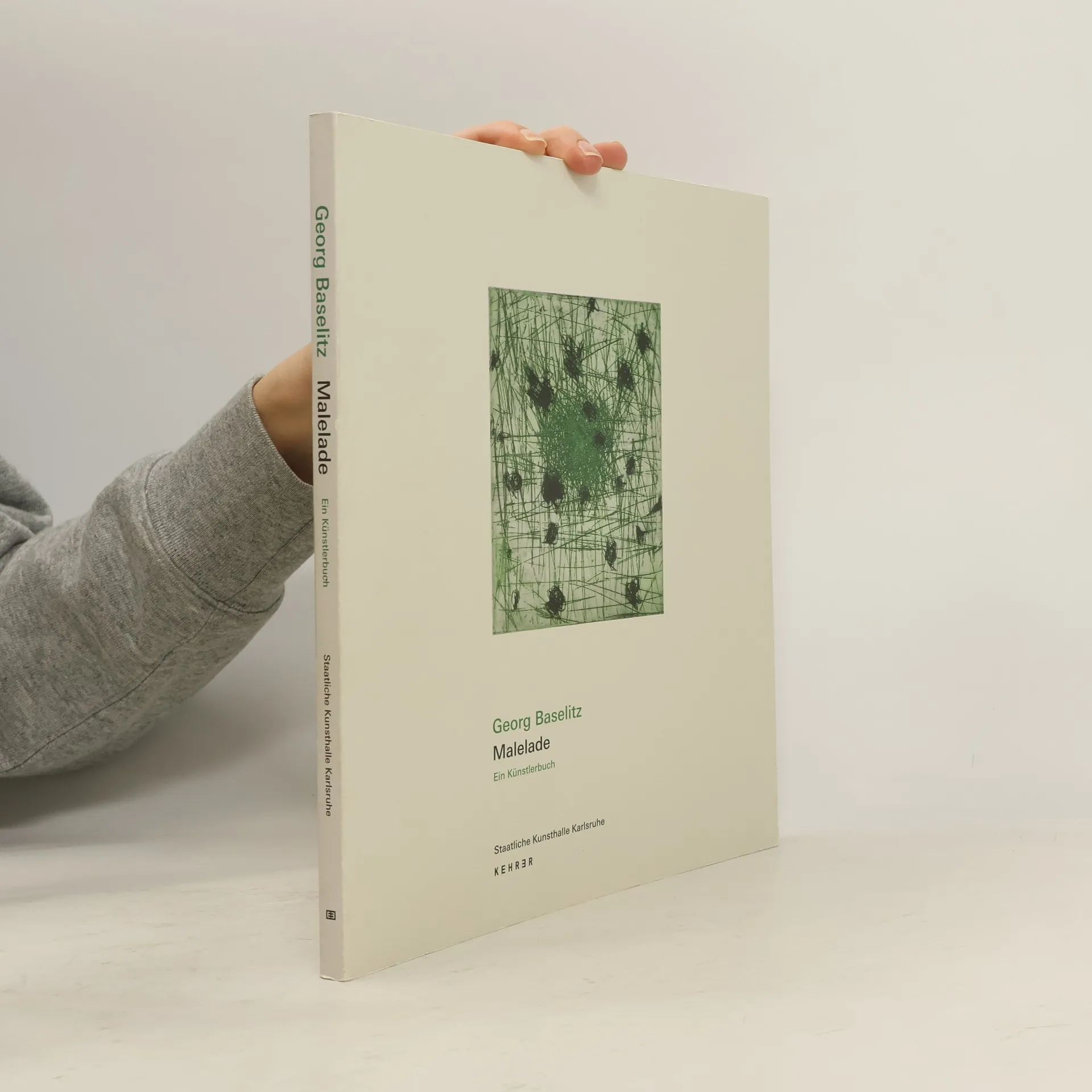
Werkverzeichnis der Druckgraphik 1989–1992
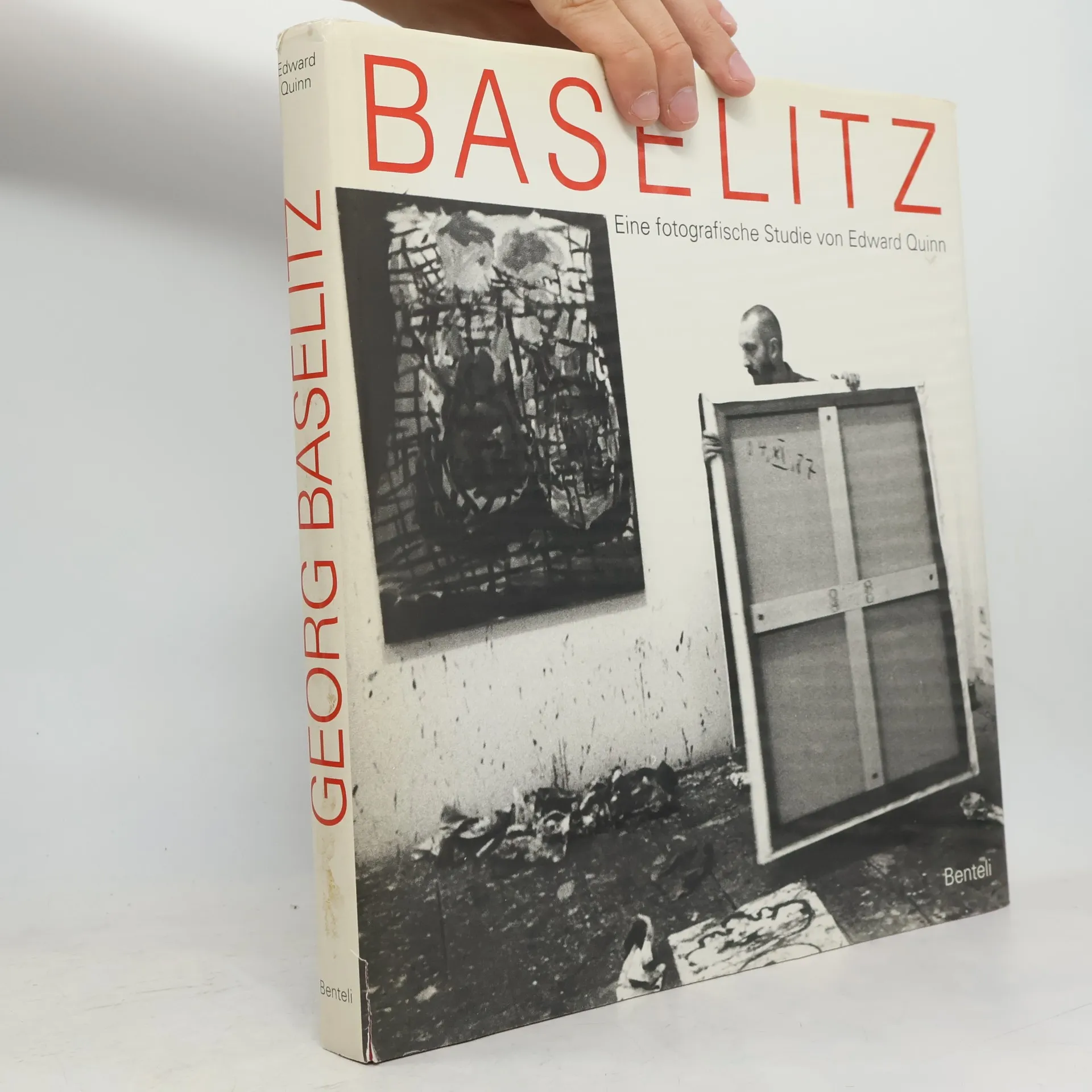
„Der Maler-Teilnehmer“ – so bezeichnete Cornelius Tittel kürzlich Georg Baselitz in einer Rezension in Die Welt im Zusammenhang mit der großen Retrospektive, die gerade im Centre Pompidou eröffnet wurde. Heiner Müller beschrieb in einem Gespräch mit Alexander Kluge den Teilnehmer als „einen Hund auf der Autobahn“ in einer modernen, technokratisch definierten Struktur. In diesem Außenseiterstatus sieht Tittel den Künstler Georg Baselitz, der über mehrere Jahrzehnte zu einem Monolithen reift, den „die Académie des Beaux-Arts nun als einzigen Deutschen unter ihren Mitgliedern akzeptiert hat.“ Der ihm bei der feierlichen Zeremonie überreichte Schwert sollte seine Unsterblichkeit symbolisieren, war jedoch eigentlich nicht mehr nötig. Wir freuen uns, zusammen mit den Herausgebern Rainer Michael Mason und Detelv Gretenkort, bekannt zu geben, dass Band IV der Grafikwerke (1989–1992) im Frühjahr 2022 veröffentlicht wird; er enthält die Werke Nr. 718–1010. Band III hatte bereits festgestellt, dass das grafische Werk von Georg Baselitz gleichwertig zu seinen Malereien und Skulpturen steht.
Two modern renaissance men pay homage to the medieval tale of Parsifal From Wolfram von Eschenbach's epic of chivalry to Richard Wagner's opera, from the knight as fool to the fool as savior, the story of Parsifal has struck deep chords with artists over the centuries. In this collaboration, Georg Baselitz's studies for a 2018 production of Parsifalat the Munich State Opera (2018) are paired with Alexander Kluge's responses to Baselitz's drawings, through stories in which he filters out individual elements from Eschenbach's epic, such as Parsifal's native wit or the figure of the Knight of the Cheerful Countenance. The result is an ongoing communication conducted over long periods of time: aspects of the Middle Ages can be found in the present. The volume concludes with Tristan Marquardt's text "Excerpts from a Parsifal Lexicon," which shows how far our contemporary language has diverged from Eschenbach's in terms of meaning and sound.
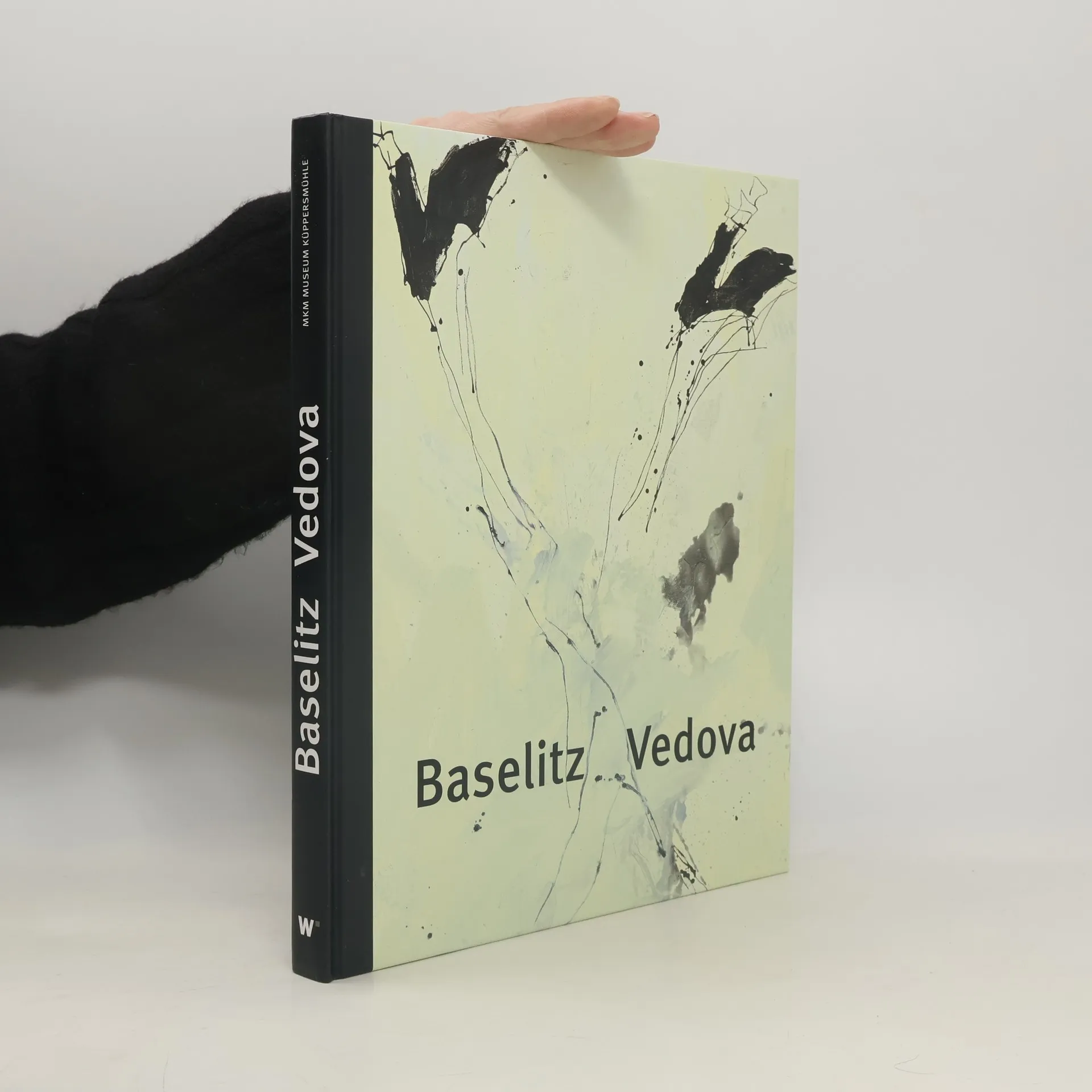
Georg Baselitz, der international gefeierte deutsche Maler und Bildhauer, und Emilio Vedova, einer der wichtigsten Vertreter des europäischen Informel, verband seit den 1960er-Jahren bis zum Tode Vedovas 2006 eine intensive persönliche Freundschaft und künstlerische Wertschätzung. Auf der Biennale von Venedig 2007 wurden beide Künstler erstmals gemeinsam präsentiert. In der Ausstellung des MKM werden nun späte Gemälde Vedovas aus den 1980er-Jahren mit einer neuen Werkreihe Baselitz‘ von 2015 in Dialog gesetzt. Im Fokus steht die Auseinandersetzung mit zentralen Fragen der Malerei, insbesondere nach der Bedeutung des Zentrums für das Bild. Since the 1960s, the German painter Georg Baselitz and his Italian colleague Emilio Vedova developed a close personal and professional friendship. Vedova impressed Baselitz with his powerful painting style and proved that abstract painting can also have a political dimension. The richly illustrated book brings together late paintings by Vedova from the 1980s with, among others, works from Baselitz’s most recent series Ma grigio from 2015.
Eines der prägenden Merkmale im Schaffen von Georg Baselitz (geb. 1938) ist die kritische Reflexion des eigenen Werks vor einem veränderten Zeithintergrund. In den vergangenen zehn Jahren hat diese Selbstanalyse einen breiten Raum eingenommen. Baselitz unterzieht darin die ursprünglichen Fassungen einem erneuerten Zugriff. Dem einst kraftvollen Duktus und gesättigten Farbauftrag stellt er in den "Remix"-Bildern die luzide Transparenz eines Farbdrippings gegenüber, das die Motive nachgerade verflüssigt und zeichnerisch auflöst. Diese Leichtigkeit der Herangehensweise wirkt wie eine Befreiung der Darstellung von Inhalt und Bedeutung, die das eigene Denken und Schaffen in eine zeitgenössische Tonart überführt. Die sogenannten Schwarzen Bilder, die seit Ende 2012 entstanden sind, erscheinen als eine folgerichtige Umkehrung dieses formalen Ansatzes, welche das abseitige Wesen in Baselitz' Schaffen aufruft. Die Publikation zeigt neben den neuen Werkreihen des Künstlers auch die parallel dazu entstandenen schwarzen Bronze-Skulpturen. Die formale und inhaltliche Erneuerung, der Baselitz sein Werk immer wieder unterzieht, wird rückschauend anhand von exemplarischen Beispielen seit Mitte der 1960er-Jahre hergeleitet.
This exhibition catalog compiles paintings, sculptures, and drawings by Georg Baselitz (b. 1938) during the various phases of his career as an artist. The exhibition opens with important works created during the early 1980s. In 2005, Baselitz revisited his earlier works consisting of cycles of painted visual memories based on old family photographs and his own drawings as a child, and began working on new and different versions of the artworks that he produced several decades ago. He created what have been called remix paintings as well as entire series of ink drawings that feature the heads of Edvard Munch, Ernst Ludwig Kirchner, Karl Schmidt-Rottluff, and Erich Heckel. Baselitz returned to the theme of family again for several of his later paintings, including one painting of a couple that represents a direct reference to Ernst Ludwig Kirchner and his life partner Erna Schilling. Later he used negative images to create double portraits of Edvard Munch, Ernst Ludwig Kirchner, Karl Schmidt-Rottluff and Erich Heckel, which in turn serve to refer back to his friends of the artists’ community »Brücke.« This catalog draws on numerous examples to illustrate the multifaceted artistic aspects of the relationship between Baselitz and Kirchner.
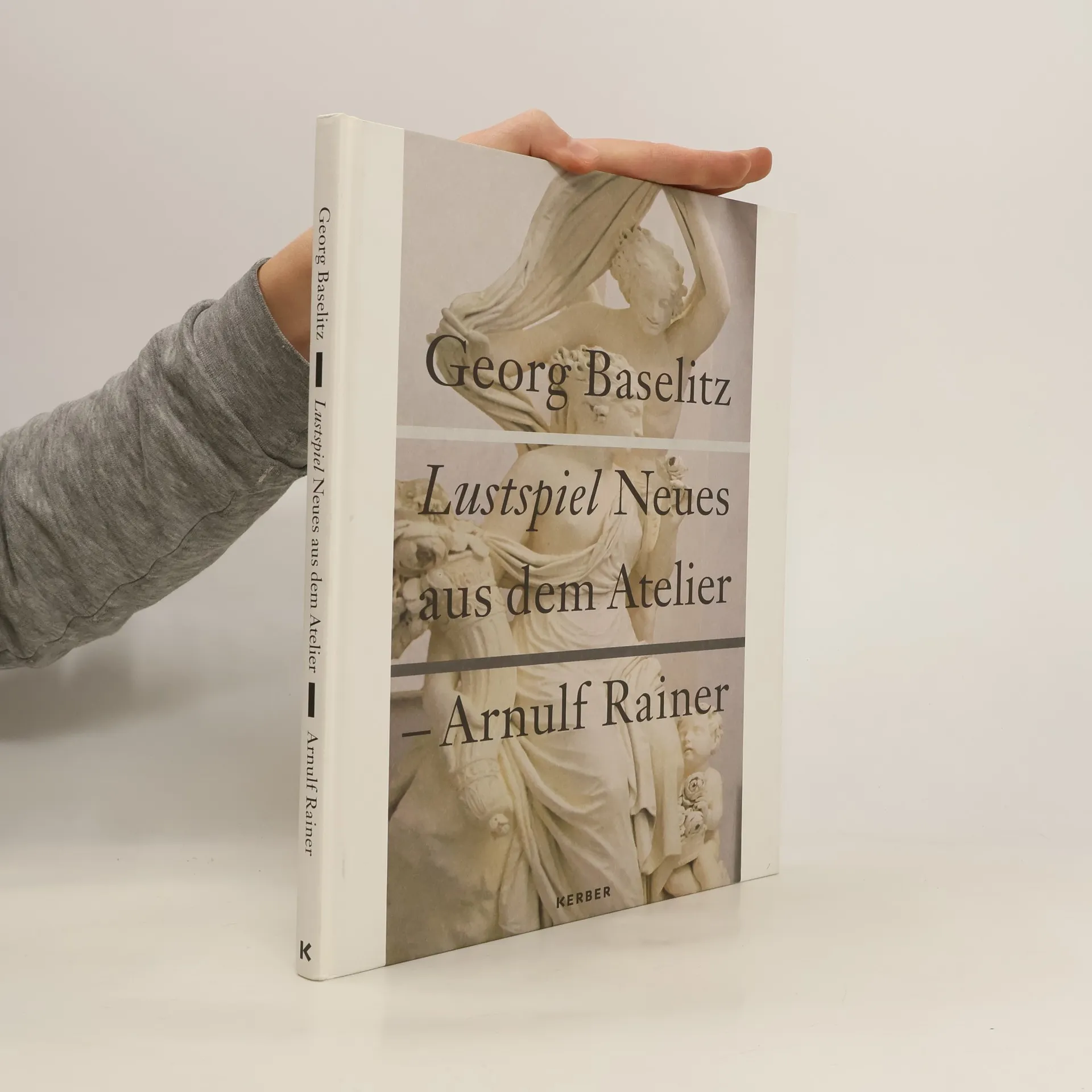
Dieser Katalog stellt aktuelle Werke von zwei herausragenden Figuren der zeitgenössischen deutschen Kunst, Georg Baselitz und Arnulf Rainer, gegenüber. Obwohl Rainers übermalte Reproduktionen von Landschaften und klassischen Porträts sich stilistisch von Baselitz' abstraktem Gesturalismus unterscheiden, teilen die Arbeiten beider Künstler eine lebendige Farbpalette und eine ansteckende Lebensfreude. Dieser Band feiert ihre gemeinsamen Qualitäten komödiantischer Vitalität. Die hier reproduzierten Werke stammen aus der Zeit von etwa 2008 bis heute und reichen in ihrem Charakter von warmer, chaotischer, de Kooning-ähnlicher Abstraktion (Baselitz) bis zu leuchtenden, mutigen Übermalungen kunsthistorischer Reproduktionen und alter Fotografien (Rainer) – alle zeigen eine beharrliche Frische und Freiheit.
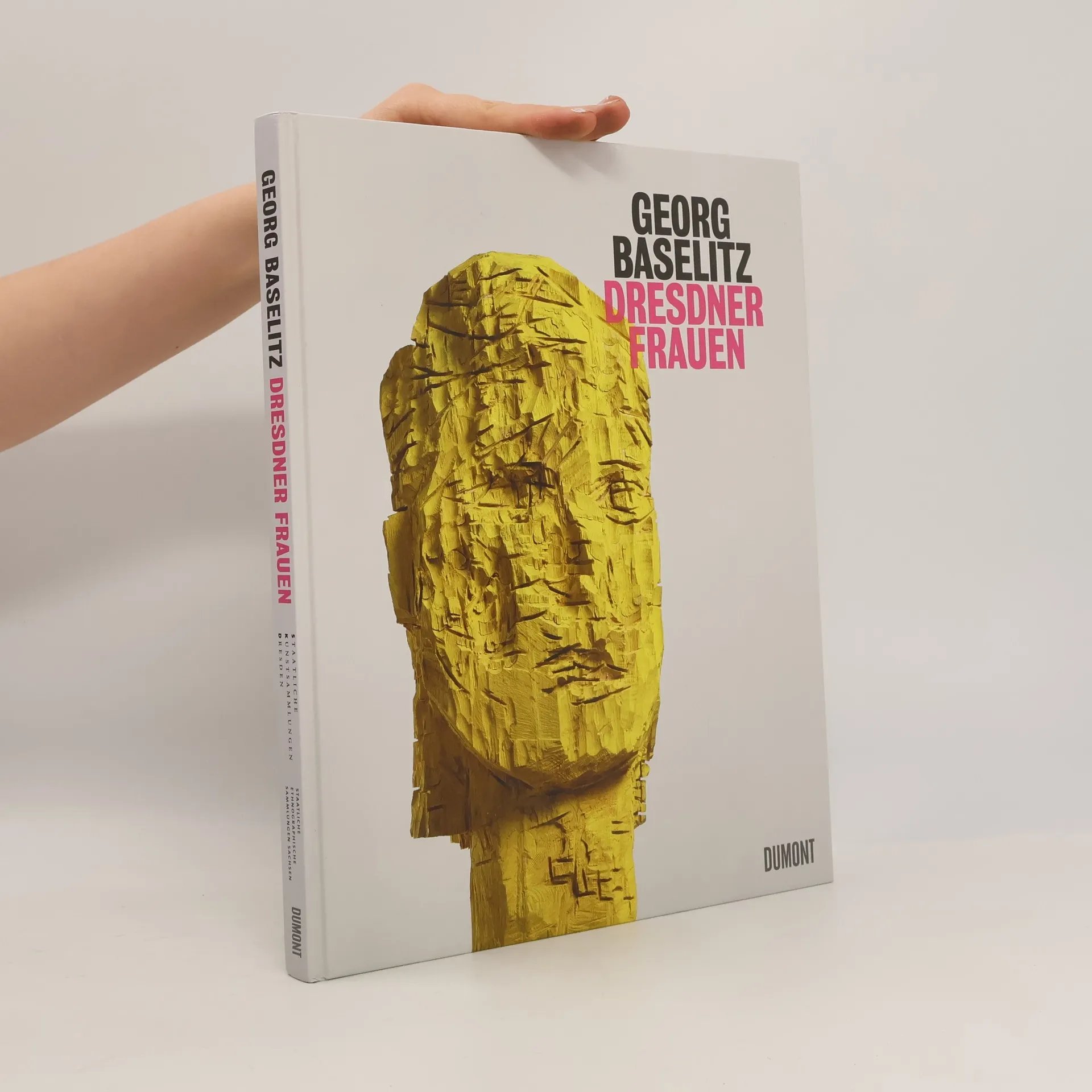
Georg Baselitz beschäftigt sich wie kaum ein anderer Künstler seiner Generation mit der deutschen Geschichte, stark beeinflusst von seiner eigenen Biografie. Im Mittelpunkt der Präsentation stehen zwei Schlüsselwerke, die Baselitz kurz vor und nach der Wende geschaffen hat: Im Sommer ’89 vollendet er die 20-teilige Arbeit ›’45‹, wenige Wochen vor dem Mauerfall. Dieses Motiv findet seinen Gegenpart in der 13-teiligen Serie der ›Dresdner Frauen‹, die hauptsächlich 1990 entstanden ist. Die Auswahl wird durch Werke ergänzt, die Bezug zu Baselitz’ sächsischer Heimat und seinen künstlerischen Vorbildern nehmen. Die Ausstellung GEORG BASELITZ. DRESDNER FRAUEN findet in den Staatlichen Kunstsammlungen Dresden, Gemäldegalerie Alte Meister, vom 10. Oktober 2009 bis 28. Februar 2010 statt. Eine weitere Ausstellung, 50 JAHRE MALEREI & 30 JAHRE SKULPTUREN, wird im Museum Frieder Burda und der Staatlichen Kunsthalle Baden-Baden vom 21. November 2009 bis 14. März 2010 gezeigt. Baselitz, geboren 1938 als Hans Georg Kern in Deutschbaselitz, wechselte 1957 von der Kunst-Akademie in Ost-Berlin zur Hochschule der Bildenden Künste in West-Berlin. Heute zählt er zu den international gefeierten Kunststars Deutschlands, seine Werke sind in nahezu allen bedeutenden Sammlungen vertreten, und große Museen widmen ihm regelmäßig Ausstellungen.
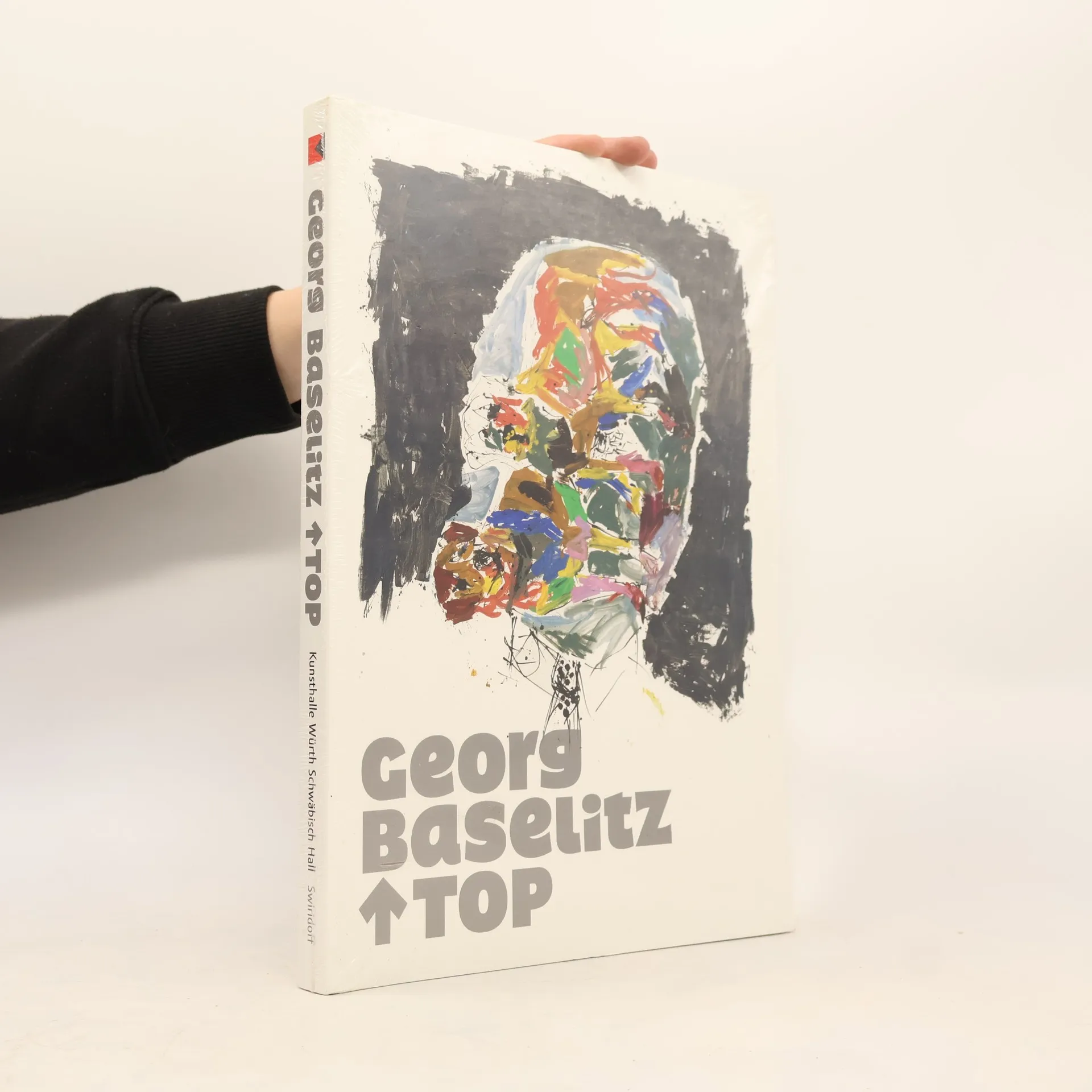
Die Kunsthalle Würth präsentiert eine umfassende Werkschau aktueller Arbeiten von Georg Baselitz, einem der bedeutendsten Erneuerer der zeitgenössischen Malerei seit 1960. Der Künstler selbst fungiert als Kurator. Nach großen Retrospektiven in London und Neapel bietet die Ausstellung in Schwäbisch Hall einen grundlegenden und intimen Einblick in Baselitz' intensives Werk. Sie thematisiert seine Entwicklung seit der „Wende“, die für ihn einen persönlichen Wendepunkt darstellt und parallel zum Zusammenbruch der DDR eine Revision seines Schaffens einleitet. Baselitz reflektiert seine Schul- und Studentenzeit und malt unter dem Titel 'Remix' seine bedeutendsten Bilderfindungen erneut, darunter Werkreihen wie Adler und Die Hand. Durch die Auseinandersetzung mit seiner Vergangenheit gestaltet er seine Geschichte und die Sicht auf seine Kunst neu. Seine Werke sind stets sowohl real als auch fiktiv. Die Auswahl der Werke ist weniger entscheidend als das Ritual des Malens selbst. Es scheint, als würden die gewählten Vorbilder ihm nur als Anregung dienen, um das wandelbare Repertoire der Malerei neu zu interpretieren und die Grenzen zwischen Werk, Vorstudie und Nachschöpfung aufzulösen.
Picasso’s granddaughter introduces readers to a sublime selection of the artist’s erotic masterpieces, brought together in this lush and elegant volume. Pablo Picasso lived life as he painted it—with sensual energy and abandon. Nearly every woman whom he loved has been immortalized in his work, from the playful nudes of his early years to the classical representations twenties and the more frankly sexual paintings that crowned his career. With mesmerizing color and an appealing design, this chronologically arranged volume follows Picasso’s artistic development as expressed in more than ninety erotically charged works. Exquisitely reproduced paintings and etchings such as Salomé Dancing Nude in Front of Herod, Demoiselles d’Avignon, and the famous Pisseuse are displayed alongside fragments from Picasso’s love letters and his revealing observations about the role of sensuality in his life. Diana Widmaier Picasso comments on her grandfather’s amorous adventures, offering intimate revelations and insights that transform this beautiful book into a personal reflection of one man’s consuming passion.
188 Seiten mit 131 farbigen Abbildungen. Illustrierte Umschläge.
German
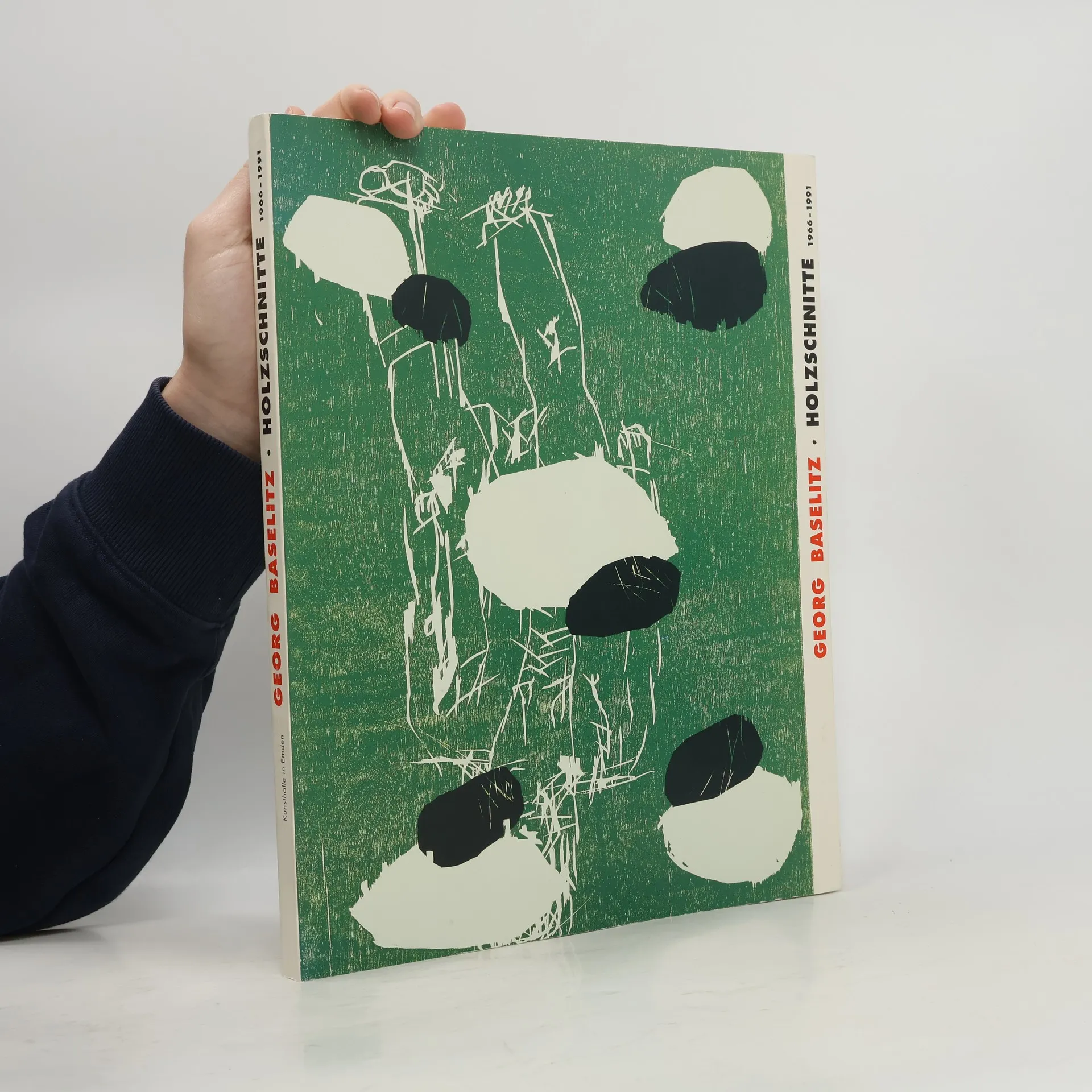
1966 - 1991; Kunsthalle in Emden, Stiftung Henri Nannen, 1. Oktober bis 20. November 1994; Städtisches Museum Zwickau, 4. Dezember 1994 bis 29. Januar 1995; Städtisches Kunstmuseum Spendhaus Reutlingen, 10. Februar bis 2. April 1995
Text mainly consists of correspondence between Strindberg and the artist and a biography of the artist (by Sten Åke Nilsson).
German
Featuring more than 100 works, including Baselitz's paintings, wood sculptures and engravings, this monograph offers a view of his oeuvre, as well as an insight into the subtle changes that have come to his work as he has matured
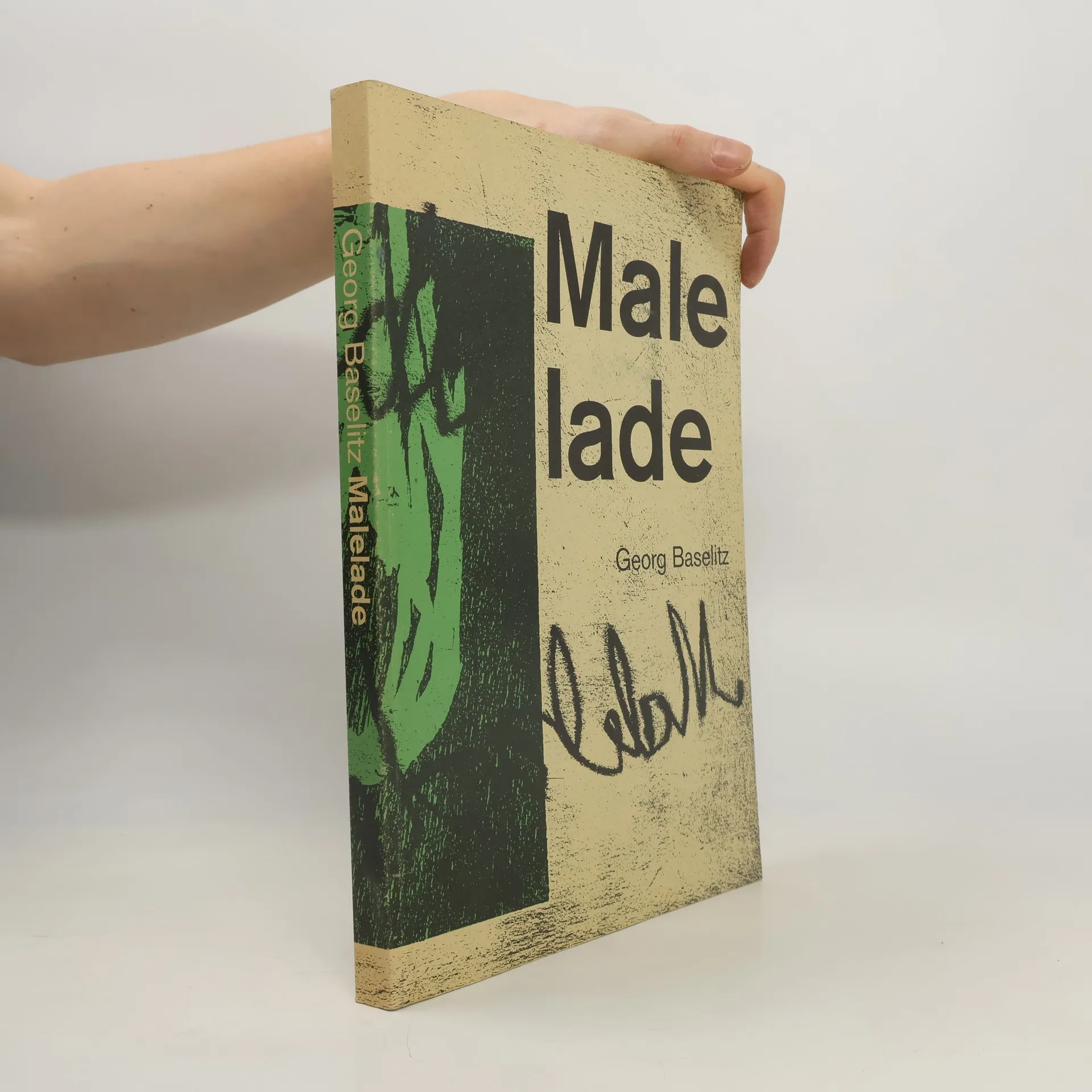
Radierungen, 1963-1974 : Holzschnitte, 1966-1967