

We all run up against mental blocks, and there's no better map for getting around them than Conceptual Blockbusting . This proven and popular book is packed with eye-opening exercises and original thought problems that will stretch your mind. Whether you're a student or a teacher, an artist or an executive, you need to think flexibly and creatively.
James L. Adams Knihy
Tato autorka se ve své poezii zaměřuje na hluboké lidské emoce a duchovní témata. Její styl je lyrický a meditativní, vyzývá čtenáře k zamyšlení nad světem kolem sebe i nad sebou samými. Prostřednictvím svých veršů zkoumá témata lásky, ztráty a hledání smyslu života. Její dílo je pozvánkou k introspekci a objevování vnitřní krásy.


Good Products, Bad Products
Essential Elements to Achieving Superior Quality - TATA McGraw-Hill Edition
- 272 stránek
- 10 hodin čtení
This book offers a comprehensive exploration of the elements essential for producing superior products. It presents a fresh perspective on quality that can enlighten even those well-versed in the subject. For anyone genuinely interested in achieving excellence in product design, this work is indispensable. Drawing from fifty years of engineering experience, the author takes readers on an engaging journey through the evolution of product design, sharing insights that distinguish good products from bad ones. With a holistic view of design challenges, the book is beneficial for anyone involved in creating products. The author skillfully blends functionality with aesthetics, revealing how to create products that evoke excitement and admiration. It addresses critical questions about what makes a product successful and why certain brands command higher prices. The author delves into the elusive qualities that can determine a product's fate in the market, making it essential reading for managers, designers, manufacturers, engineers, and marketers. This groundbreaking approach will transform your understanding of product quality, emphasizing the necessity of delivering the highest standards possible. Through this insightful analysis, readers will gain valuable knowledge on how to enhance their products and impact the market effectively.
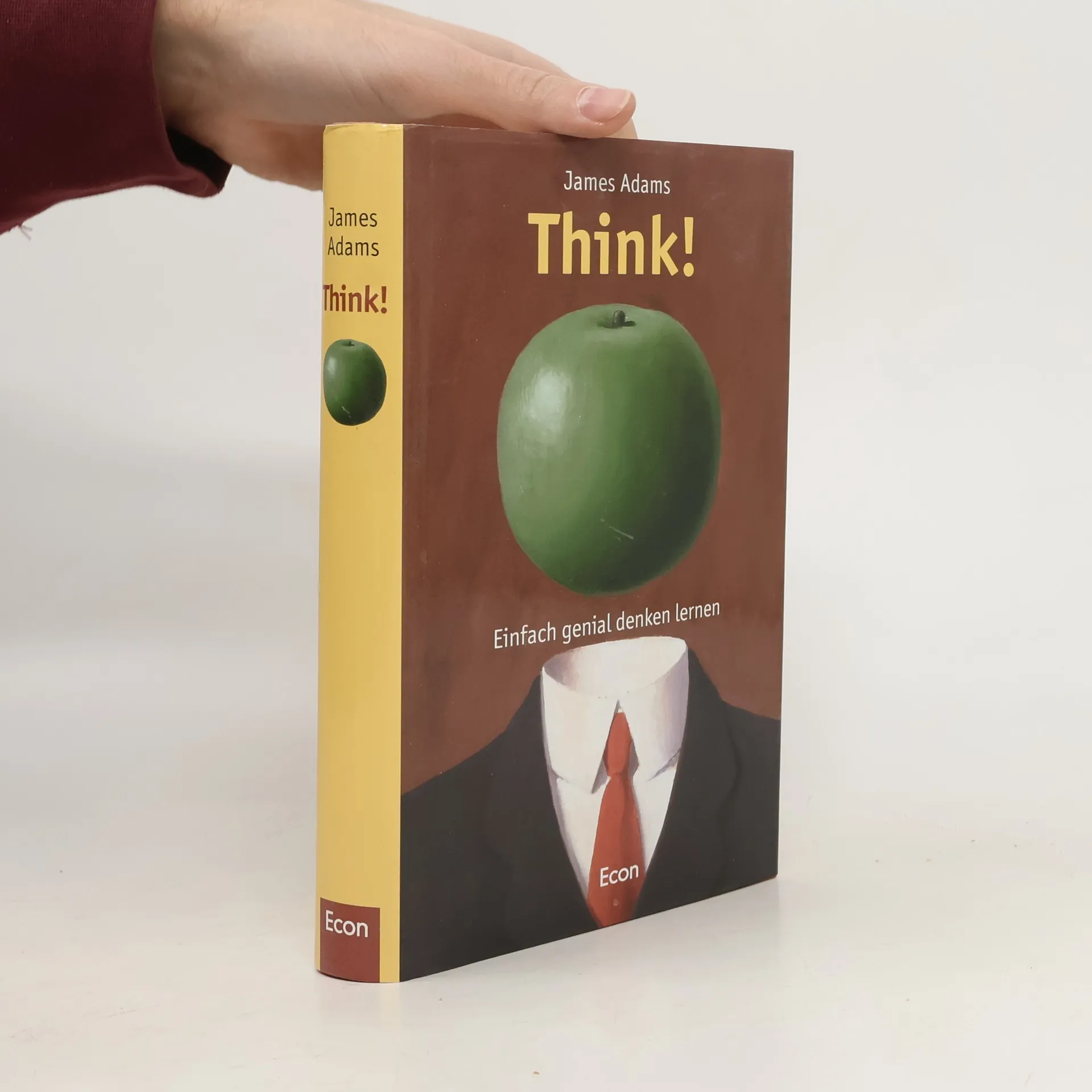
Think!
- 302 stránek
- 11 hodin čtení
Wie dick ist ein 50-mal gefaltetes Papier? Ist diese Aufgabe am besten visuell zu lösen? Oder verbal? Oder gar mithilfe mehrerer Ansätze? James Adams identifiziert die Schlüsselblockaden - emotionale, kulturelle, intellektuelle, umweltbedingte -, die uns abhalten, das gesamte Potenzial unseres Gehirns zu nutzen, und zeigt, wie wir alle diese Blockaden überwinden können. Dazu greift er auf Erkenntnisse u. a. aus der Welt der Psychologie, des Managements, der Kunst und der Philosophie zurück. Und er zeigt: Gute und sogar geniale Ideen haben kann man lernen.