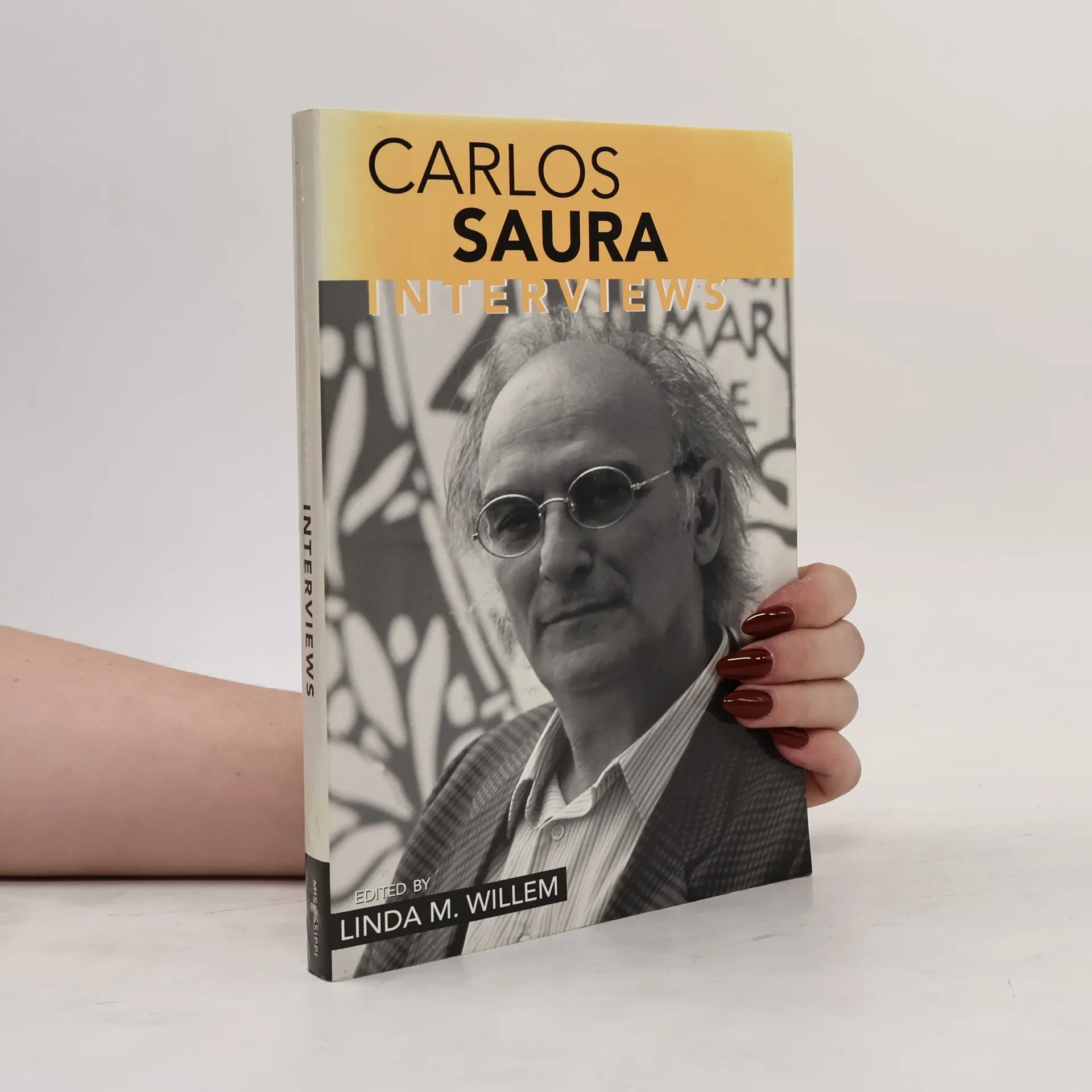
Thrust into the international spotlight in 1966 when his critique of the Franco regime won the Silver Bear at Berlin, Spanish filmmaker Carlos Saura (b. 1932) has remained a prominent figure in global cinema. Best known in the U.S. for his Flamenco trilogy—Blood Wedding, Carmen, and A Love Bewitched—he has also received Oscar nominations for Mama Turns a Hundred, Carmen, and Tango. Saura's films are often ambiguous, controversial, and narratively complex, blending reality with fantasy and memory with hallucination, as seen in works like Cría and Goya in Bordeaux. Carlos Interviews compiles conversations Saura has had in Spain, France, Germany, and Canada, presented in English for the first time. These discussions span his entire career, including his latest film, Buñuel and King Solomon's Table, and delve into his contributions to New Spanish Cinema, his documentaries, dance films, and adaptations of literary works, as well as personal reflections on the Spanish Civil War. The collection also highlights Saura's work as a photographer, opera director, and novelist, and his friendship with filmmaker Luis Buñuel. Through these interviews, Saura reveals his consistent approach to cinema, his role as an auteur, and the innovative principles that shape his creativity.
Carlos Saura Knihy


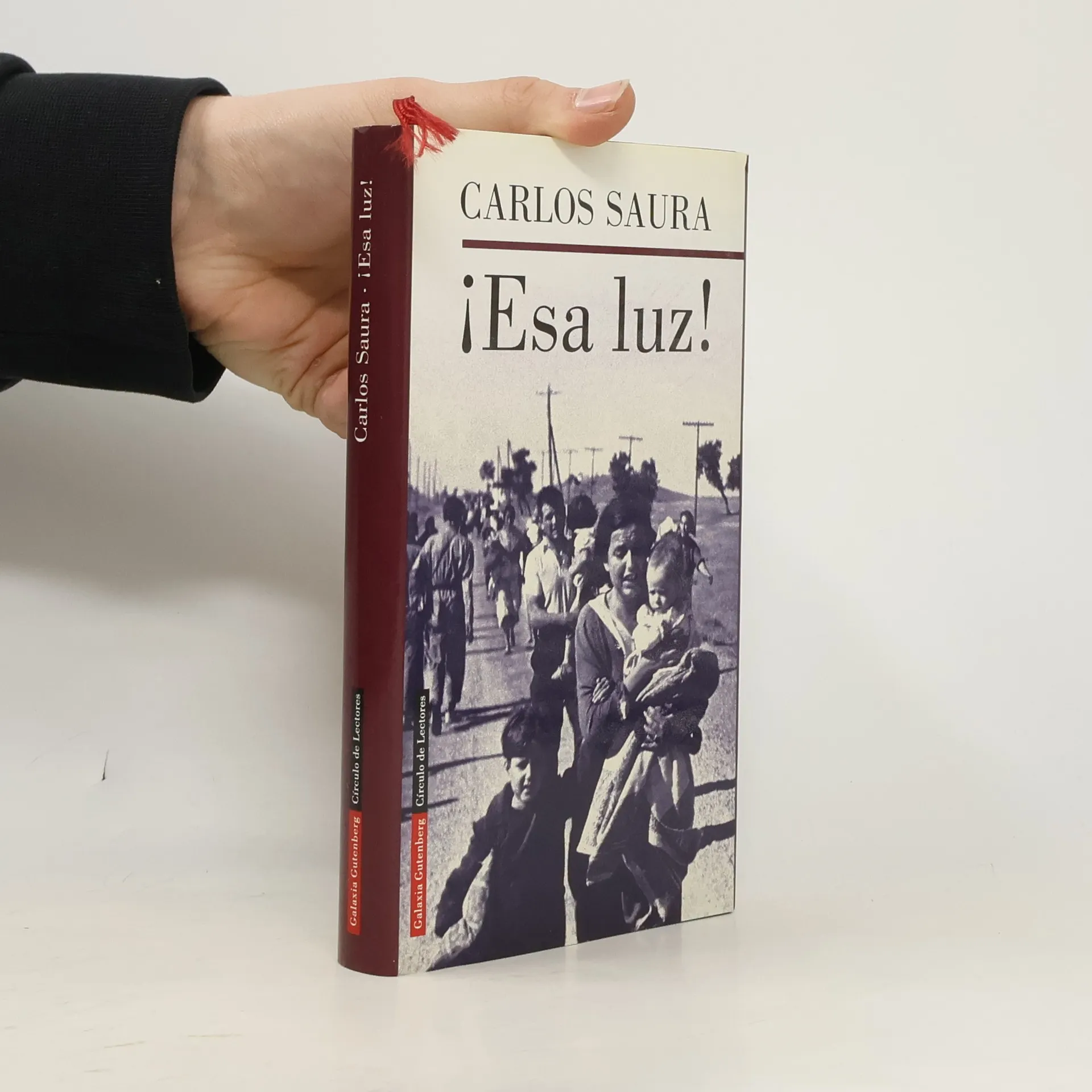
Narrativa: ¡Esa luz!
- 266 stránek
- 10 hodin čtení
Detrás de la historia de amor entre Diego, un joven periodista, y Teresa se esconde una desgarradora visión de la guerra civil. Diego está convencido de ser un hedonista, un hombre incapaz de actuar en la Historia, que le acecha en la placidez de su vida. Pronto las llamas de la guerra cubren el paisaje. Diego escribirá sus reportajes desde Madrid, Teresa emprenderá el é ambas vidas se abrirán finalmente a destinos imprevistos.
Dieses Licht!
- 256 stránek
- 9 hodin čtení
Carmen
- 175 stránek
- 7 hodin čtení
Los, Tempo
- 109 stránek
- 4 hodiny čtení
Züchte Raben
- 110 stránek
- 4 hodiny čtení
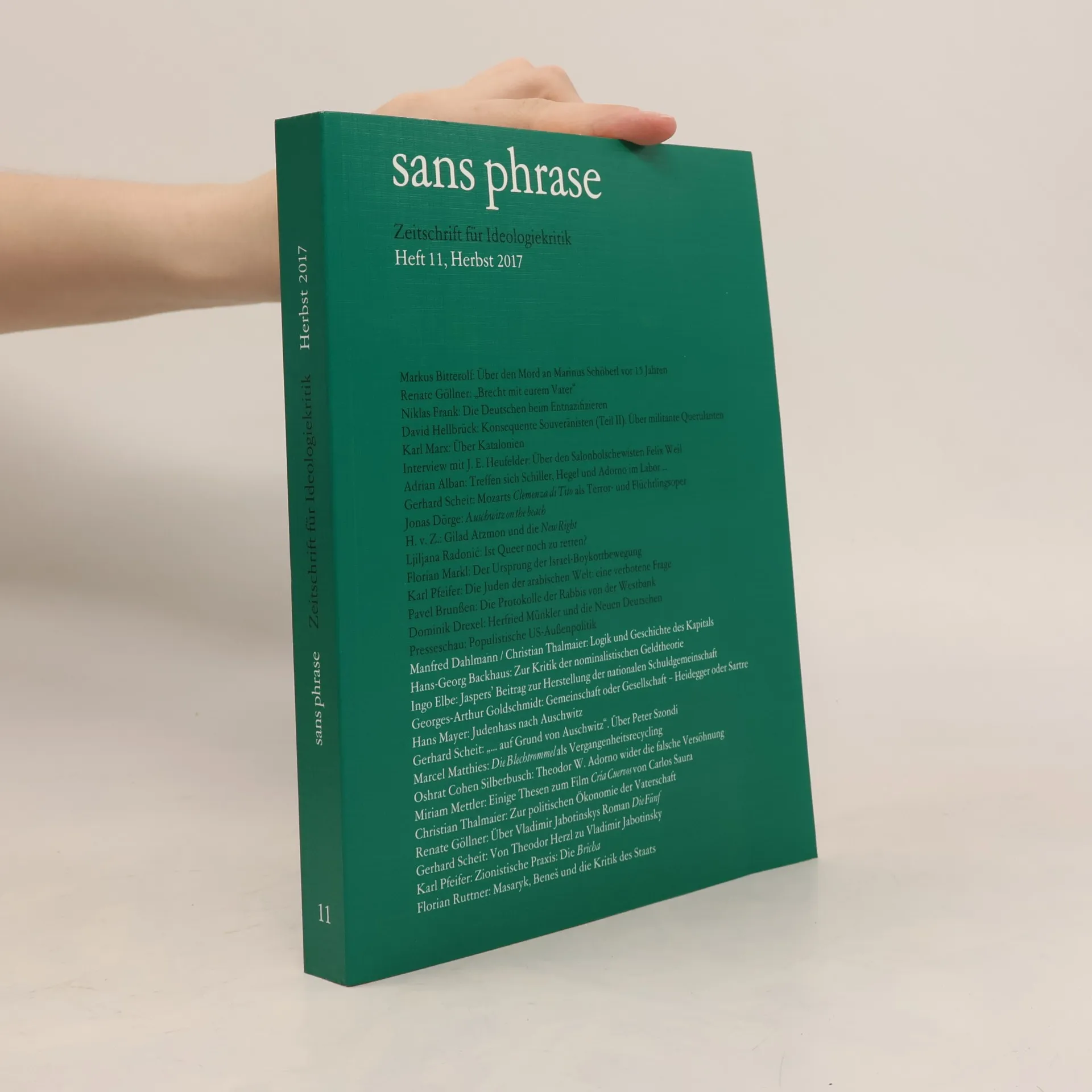
Sans phrase. H.11/2017
- 280 stránek
- 10 hodin čtení
Markus Bitterolf: Vor ein paar Jahren wurden wir zum schönsten Dorf Deutschlands gewählt. Renate Göllner thematisiert den Mord an Marinus Schöberl vor 15 Jahren und fordert einen Bruch mit der Vergangenheit. Niklas Frank beleuchtet auf skandalöse und komische Weise, wie sich die Deutschen beim Entnazifizieren reinwaschen. David Hellbrück spricht über Staatsverweigerer und Reichsbürger als militante Querulanten. Karl Marx analysiert die Unabhängigkeitsbewegung in Katalonien, während J. E. Heufelder den Salonbolschewisten Felix Weil interviewt. Adrian Alban fragt, ob sich Schiller, Hegel und Adorno im Labor treffen würden. Gerhard Scheit betrachtet Mozarts "Clemenza di Tito" als Terror- und Flüchtlingsoper und reflektiert über den Welttheaterschwindel von 2017. Jonas Dörge thematisiert Auschwitz in einem unerwarteten Kontext. H. v. Z. bringt Weininger und Jazz zusammen. Ljiljana Radonic fragt, ob Queer noch zu retten ist, während Florian Markl den Ursprung der Israel-Boykottbewegung untersucht. Karl Pfeifer beleuchtet die Juden der arabischen Welt und Pavel Brunßen die Protokolle der Rabbis von der Westbank. Dominik Drexel diskutiert Herfried Münklers Sicht auf den Islamismus. In einer Presseschau wird populistische Außenpolitik thematisiert. Manfred Dahlmann und Christian Thalmaier reflektieren über die Logik des Kapitals. Ingo Elbe betrachtet Karl Jaspers' Konzept der nationalen Schuldgemeinschaft. Georges-Arthur Goldschmidt f
Regiestühle international
- 276 stránek
- 10 hodin čtení