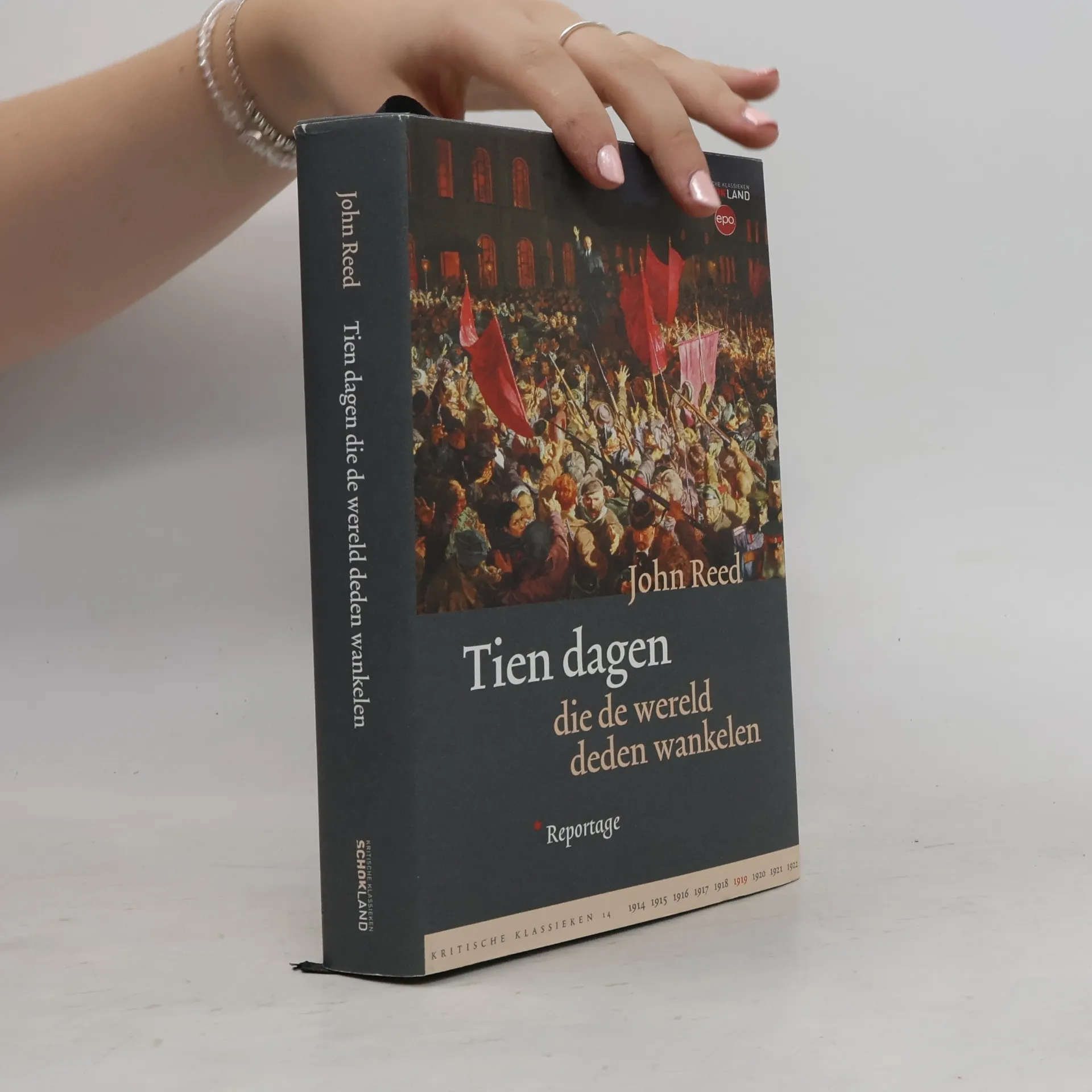
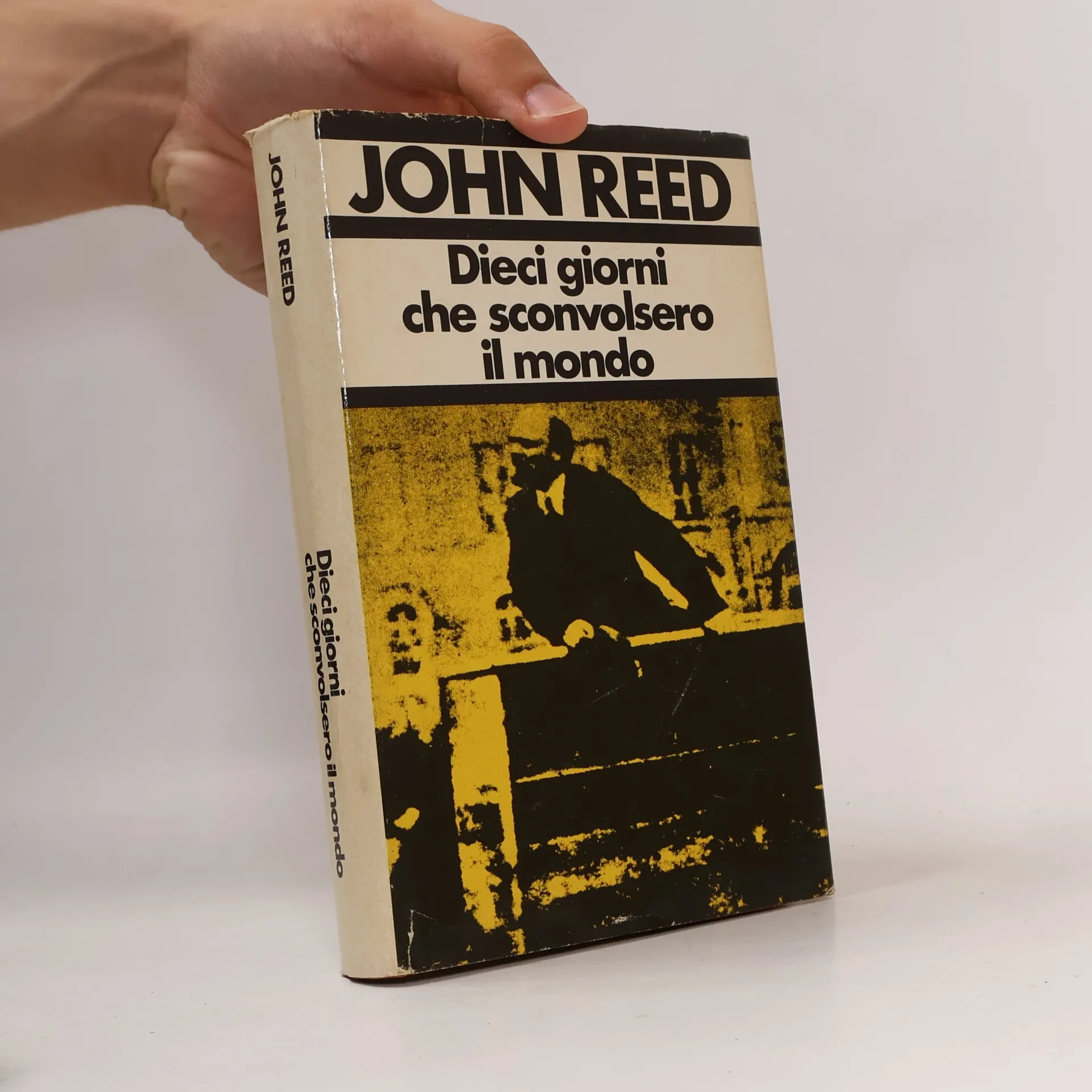
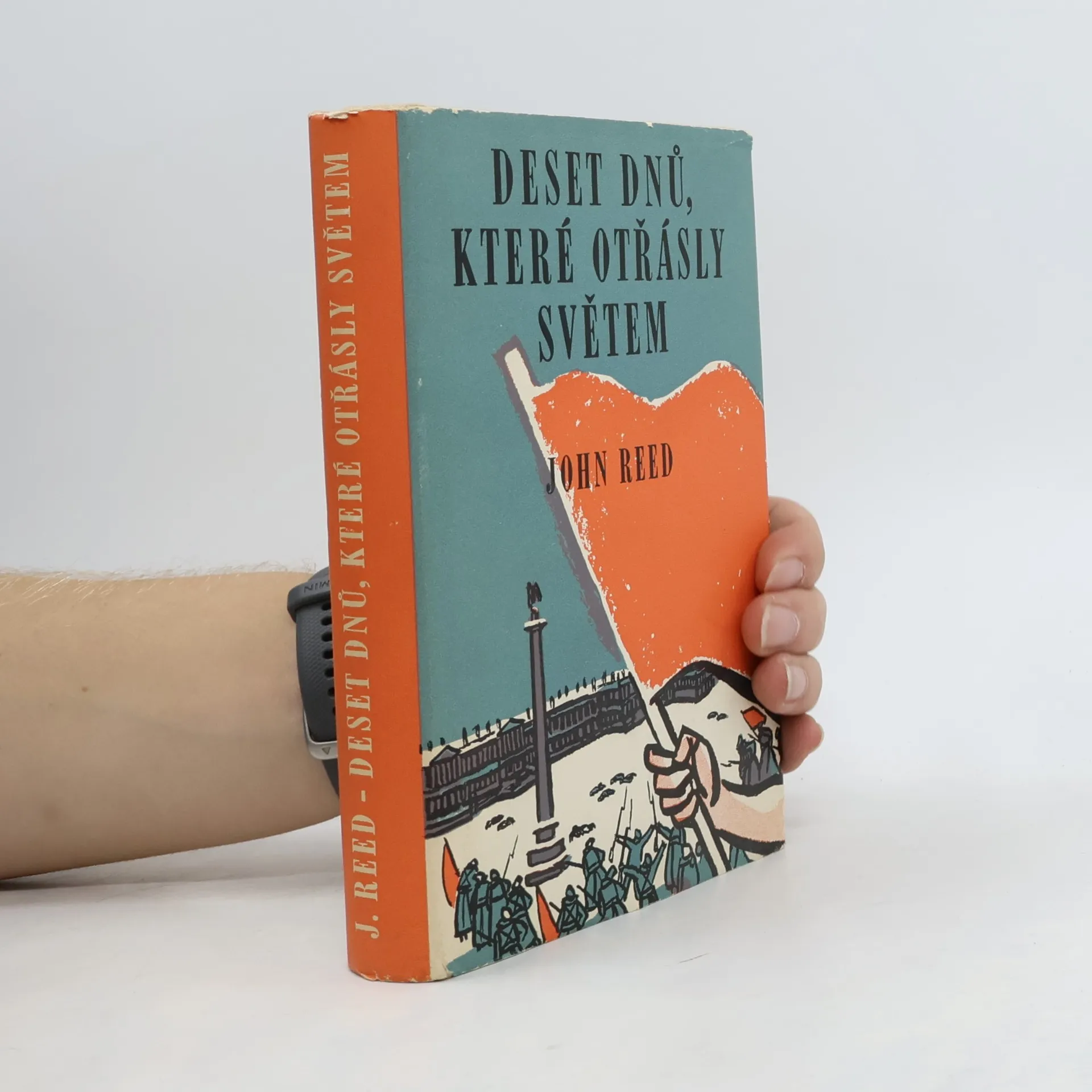
Reportáž aktivního účastníka o prvních dnech Velké říjnové socialistické revoluce.
John Reed Knihy
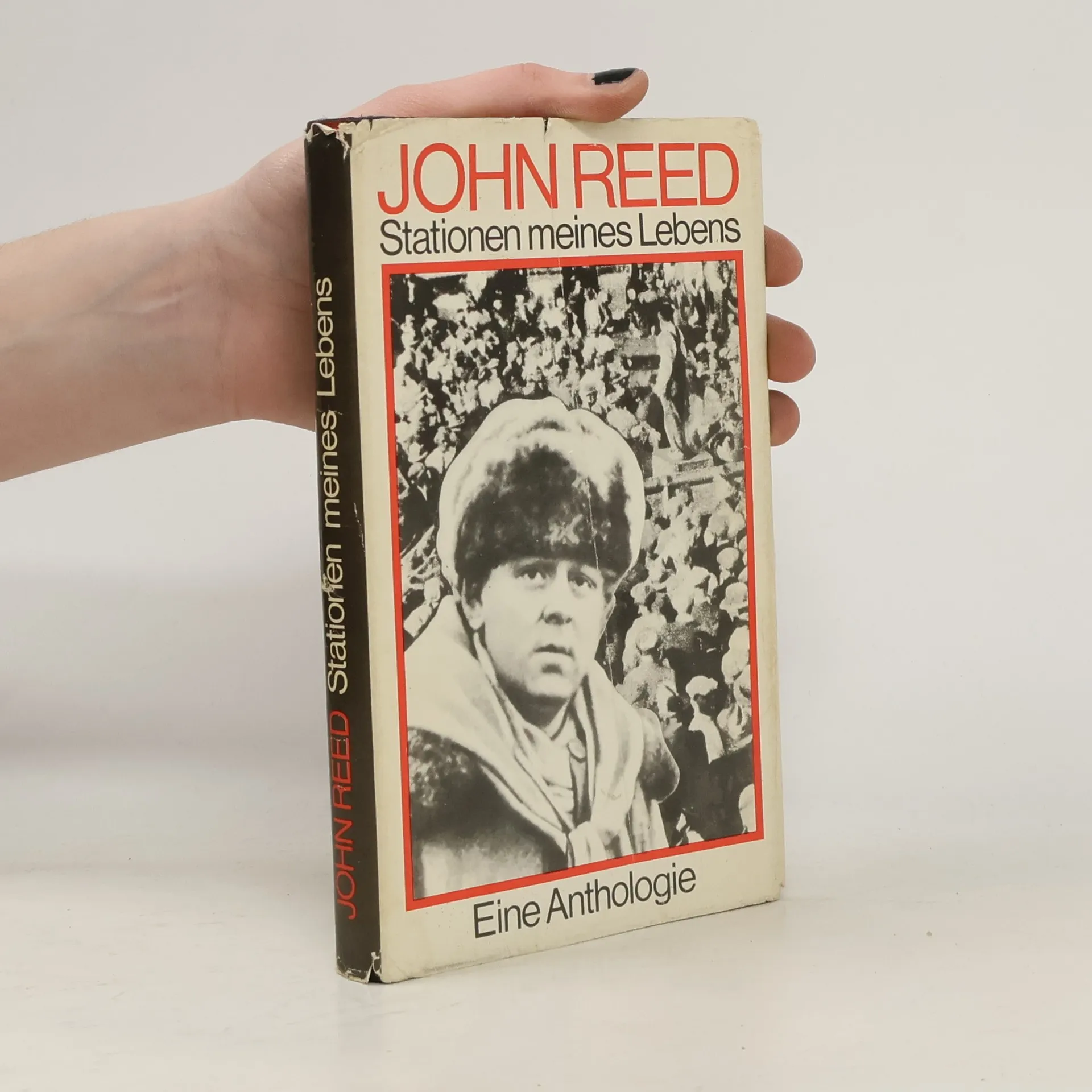
22. říjen 1887 – 17. říjen 1920

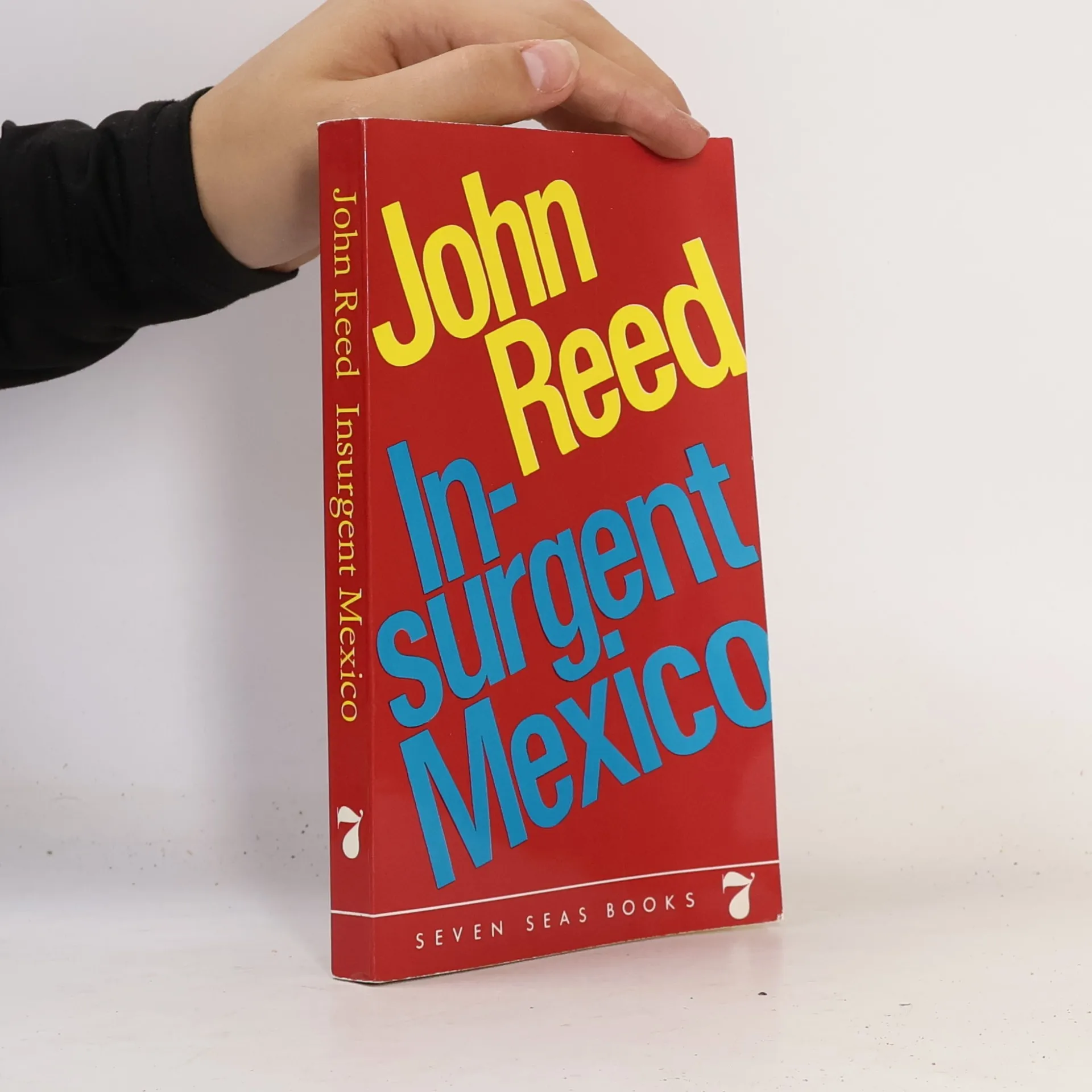


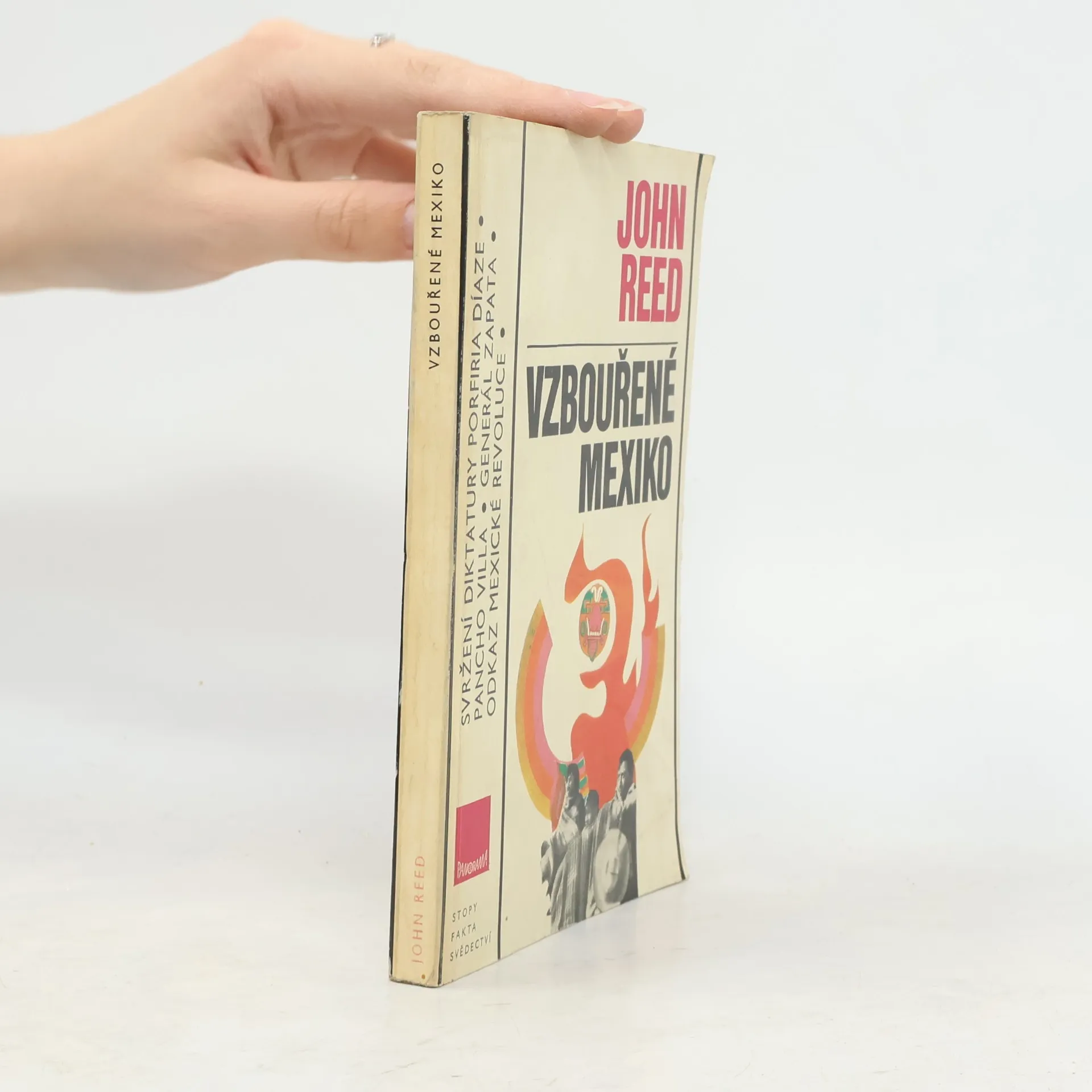
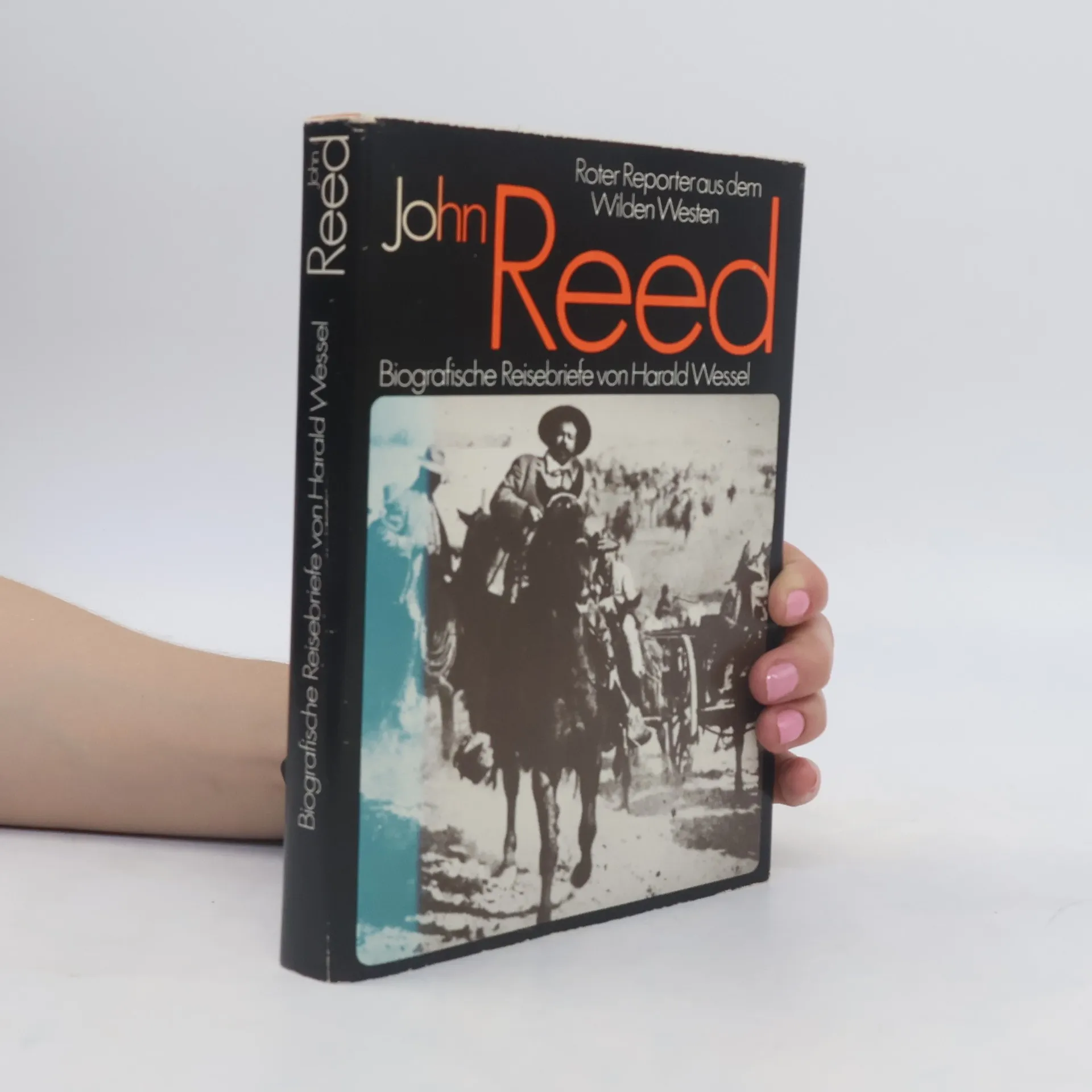
Americký novinář zachytil v knize události z mexické revoluce v letech 1913 až 1914. Líčí své zážitky z bojů v severoamerickém pohraničí, několik reportáží věnuje legendárnímu vojevůdci Panchovi Villovi,charakterizuje představitele různých proudů mexické revoluce a přináší i folklórně laděné obrázky ze života vesničanů.
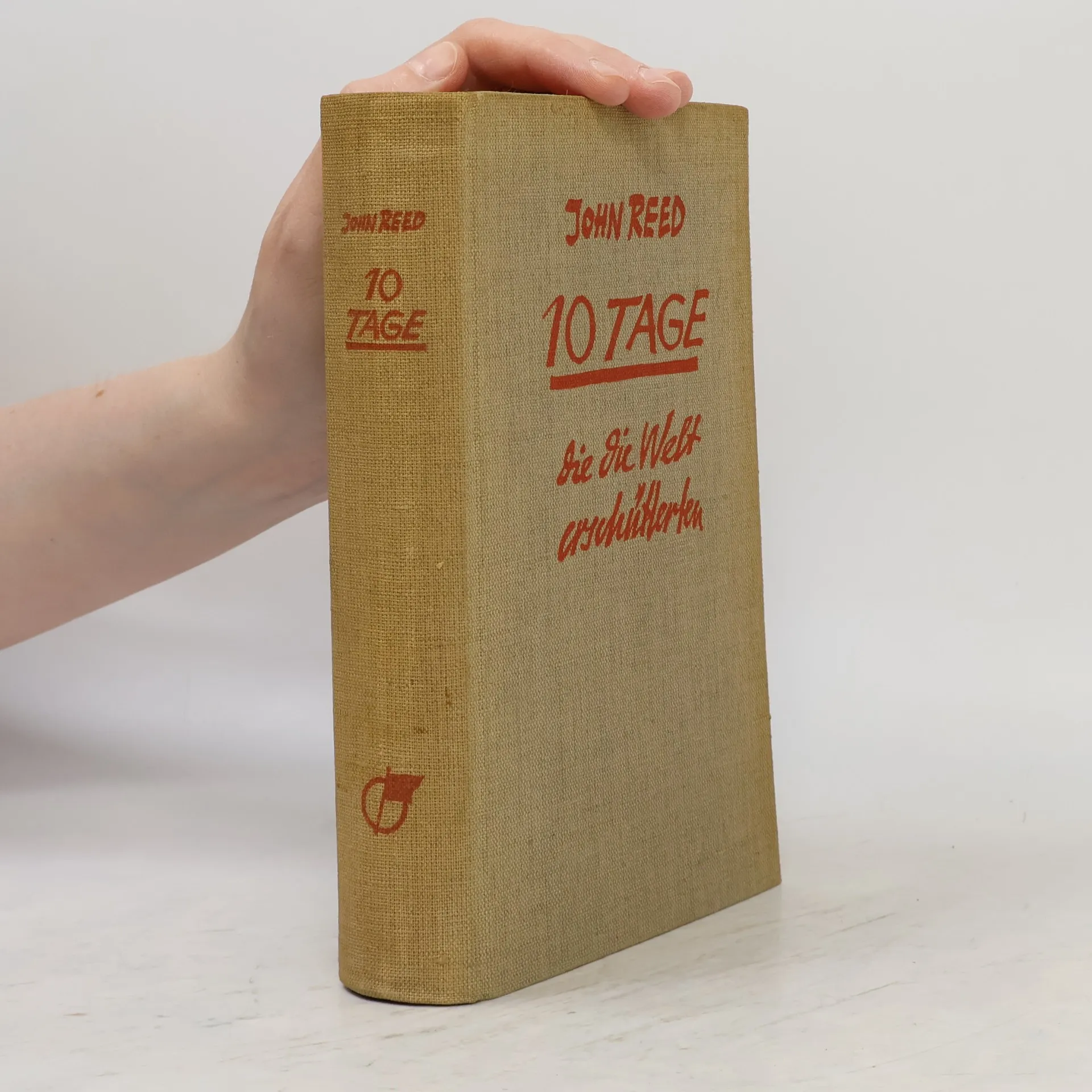
Proslulé dílo amerického publicisty, přesvědčeného komunisty, který prožil jako očitý svědek události Října 1917 a podal neobyčejně živý a věrohodný obraz dnů, v nichž se rodil první socialistický stát světa. V předmluvě k 1. vydání napsal Lenin r. 1920 o Reedově knize: "Bez výhradji doporučuji dělníkům celého světa. Přál bych si, aby vyšla v milionových nákladech a byla přeložena do všech jazyků ..."
The War in Eastern Europe
- 450 stránek
- 16 hodin čtení
Exploring the impact of war on various cultures, the author emphasizes the significance of understanding how different peoples live, their traditions, and behaviors during crises. The narrative reveals that while peace often conceals human qualities, war brings them to the forefront, highlighting both personal and racial characteristics under public stress. This insightful examination of human nature and societal dynamics during tumultuous times offers a profound perspective on the relationship between conflict and identity.
The narrative follows the life of a young outlaw who, after killing a government official at sixteen, becomes a fugitive. His status escalates when he commits the grave offense of cattle theft from wealthy landowners, leading to a bounty on his head from the Mexican government. Set against the backdrop of the Madero revolution, the story explores themes of rebellion, social injustice, and the struggles of the marginalized in early 20th-century Mexico.
Always uncomfortable in the pop limelight, Paul Weller has at times suffered for his art. His fascination with contemporary black music eventually led The Style Council to a dead end, and his moral convictions, championing causes like CND and Red Wedge, left him disillusioned with politics. Weller's return was slow but gradual, and for the last decade he enjoyed an artistic renaissance that continues unabated. Traces Weller's career from his upbringing in Woking, through his years with The Jam and the difficulties he faced after it's demise to his current status as one of Britain's most respected performers and songwriters. This new paperback edition has been revised and updated to take Weller's story into the 21st century. and lovingly compiled album of cover versions Studio 150. remarkable careers. Includes comprehensive discography and many previously unpublished photographs. John Reed, a former Research Editor of Record Collector magazine has interviewed many of Weller's friends and colleagues and presents a comprehensive picture 'The Modfather'.Contents:Stanley Road --Remember how we started --This is the modern world --Here's a new thing --You do something to me --Above the clouds --Bitterness rising --Everything has a price to pay --Always there to fool you --All the pictures on the wall --Time passes --Has my fire really gone out --Out of the sinking --Into tomorrow.
"The year is 1859. Seven-year-old Alma Flynt arrives in the small Kentucky town of Cotterpin Creek to begin a new life in her aunt's home. There, a whole new world opens up before her eyes - a world of impossible grace and comfort, of lush pastures and billowing bluegrass. And there, Alma will meet a family who will shape the course of her life. The Clevelands, with their sprawling mansion and gleaming thoroughbred horses, are magnificent. But from the beginning, one Cleveland draws all her attention - the youngest son, John Warren. Of their childhood bond, Alma later recalls: "The stubborn fact was, without the slightest hint of imagination, that it was clear to him, and to me, and to everyone, that we were meant to be together."". "But like a swift storm cloud, the Civil War descends on Cotterpin Creek, taking men from the land and husbands from wives, never to return. Swept into the chaos are the Clevelands, and John Warren himself, leaving their fading mansion and sprawling horse farm behind. Against this turbulent backdrop, Alma will come of age. And when the fighting is over, the story of a brave young man riding off to battle becomes a haunting journey of vengeance, loss, and redemption. But for Alma, yet another journey begins on the day a strange, battered, starved, and tormented young soldier staggers back into her life."--BOOK JACKET.
This highly personal account concentrates upon the national & racial character- istics of war-torn Eastern Europe in 1915.Reed has captured the spirit of the age,reminding us all how deep-seated are the ethnic conflicts in the Balkans.
In Time is Running Out: Reflections on an Alternative Way of Being, John Reed presents the reader with an honest and uncompromising appraisal of how politics, capitalism, social conditions and climate change are interrelating so as to constitute a 'perfect storm' of challenges that will determine the future of civilisation.John Reed explains that 'the ones most adaptable to change' will be those with the necessary psycho/spiritual resources. This book examines what that means and how human consciousness must evolve to make life sustainable in society and on the planet as a whole.
With uncompromising honesty, John Reed recounts his struggles between the `true path' and that of personal egoism, the lure of money and 'the good life'. Many years later, the entire 'house of cards' of his material ambitions collapses around him. Part modern-day morality play, One mistake after Another is also the candid account of how the spiritual inclinations of a contemporary seeker are constantly challenged by the need to adapt to the highly secular world we live in - and, of course, his own shortcomings! From the succession of triumphs and failures Reed describes in these pages, he emerges with a deeper understanding of his psycho/spiritual condition and the needs of the planet. Having learned from his own experience, he ends on a hopeful note. Unlike the socio-political solutions we place our faith in, only more widespread spiritual awareness, he suggests, can provide us with abiding solutions to the problems we face in the world today. John Reed is the author of Elegant Simplicity.
Preslávené dielo amerického publicistu, ktorý prežil ako očitý svedok udalosti októbra 1917 a podal živý i vierohodný obraz dní, v ktorých sa rodil prvý socialistický štát sveta.
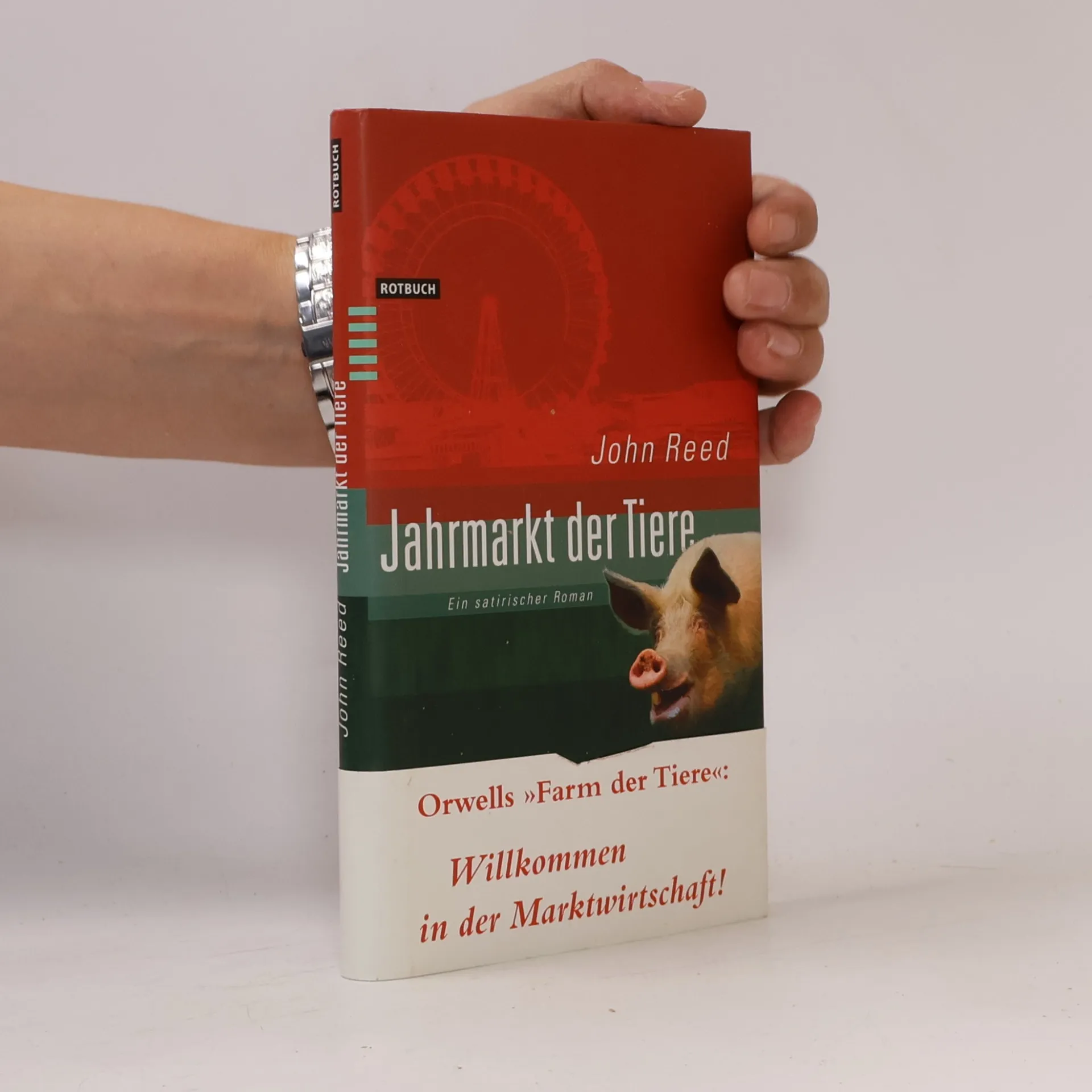
John Reed greift Orwells Fabel um die „Farm der Tiere“ auf und erzählt die Geschichte unter geänderten historischen Bedingungen - nach dem Ende des Kalten Krieges und dem Zusammenbruch der sozialistischen Staaten - weiter. Schneeball, das intelligente, clevere Schwein, das nach der Schlacht am Kuhstall wegen Verrat von Napoleons Hunden vom Hof vertrieben worden war, kehrt zurück. Mit ihm hält die Marktwirtschaft Einzug auf der Farm der Tiere: Reichtum für alle, das Recht auf „pursiut of happiness“? Wenn da nicht die Waldlandtiere wären, allen voran die erzkonservativen und radikalen Biber, die den „Lehren der Alten Biberwelt“ anhängen und sich, mit allen Mitteln, gegen den Einfluss der Farmtiere wehren - bis hin zum Anschlag auf die Zwillingswindmühlen.
Radikálny mexický revolucionár Pancho Villa (1878-1923) je jednou z najznámejších historických postáv začiatku 20. storočia. Mnohými bol považovaný za mexického národného hrdinu, inými za obyčajného banditu a jeho život sa stal legendou i vďaky niekoľkým filmovým spracovaniam. John Reed zachytáva v knihe autentický obraz o udalostiach v Mexiku.
Kritische Klassieken - 14: Tien dagen die de wereld deden wankelen
Reportage
- 400 stránek
- 14 hodin čtení
Zehn Tage, die die Welt erschütterten
Mit einem Vorwort von Egon Erwin Kisch
- 392 stránek
- 14 hodin čtení
Il Messico insorge
Un grande corrispondente di guerra al seguito di Pancho Villa
- 356 stránek
- 13 hodin čtení