Peter Andrews je australský farmář a chovatel dostihových koní, který vyvinul revoluční metodu přírodního sekvenčního zemědělství. Jeho přístup, který jde proti zavedeným postupům, proměnil kdysi degradovanou a zasolenou půdu v úrodnou a odolnou krajinu. Andrews se zabývá komplexními tématy, jako je pohyb vody v krajině, globální oteplování a geneticky modifikované organismy, a jejich vlivem na půdu a životní prostředí. Jeho práce zdůrazňuje potenciál obnovy krajiny a udržitelnosti.
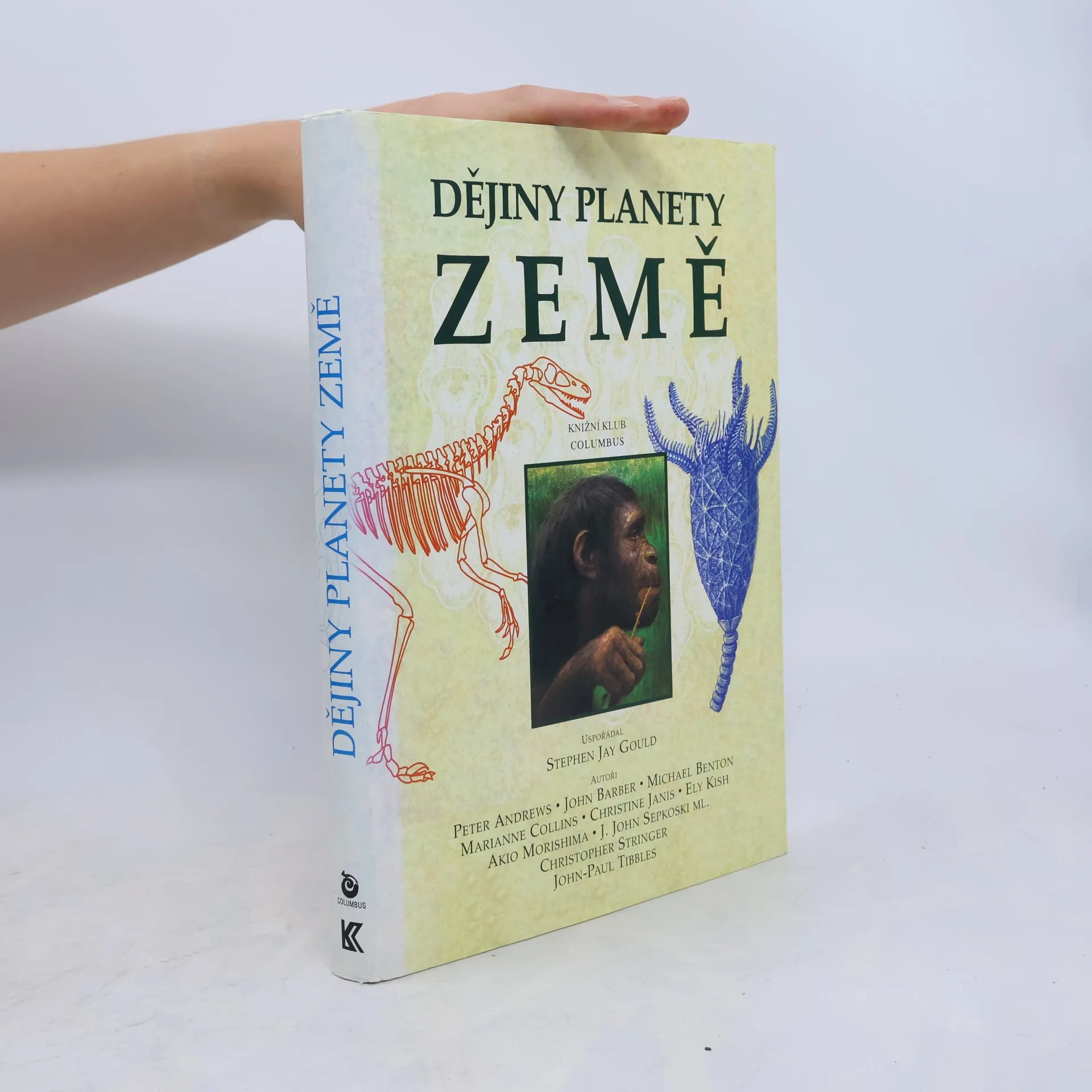
Bohatě ilustrovaná publikace o vývoji života na naší planetě od jednobuněčných organismů po primáty. Dozvídáme se o změnách na povrchu naší planety, v její atmosféře, o podnebí, o pohybu pevninských ker a změnách flory i fauny. Autoři předkládají čtenáři nejen poslední výzkumy, ale také různé názory a rozepře vědců. Text je doplněn ilustracemi, tabulkami a grafy. V předmluvě se sestavovatel knihy zamýšlí nad způsobem znázorňování pravěké přírody....
1001+ Images of Fossil and Recent Mammal Bone Modification
372 stránek
14 hodin čtení
Focusing on taphonomic modifications, this atlas serves as a comprehensive guide for both field identification and laboratory analysis of fossils. It features a variety of high-quality illustrations, including scanning electron micrographs, photographs, cross-sections, and graphs. The book aims to connect similar types of modifications, helping users identify the agents and processes responsible for these changes, as well as the potential biases they may introduce. It is an essential reference for researchers and students in paleontology and related fields.
This is the first monography on the only fortified village in Northern Pakistan that is still inhabited, and thus the only study of the type. Sazin lies alone in its own valley at about 1500 m in the extreme western Himalayas. Its inhabitants are Shin, part of a Dardic population in this region west of Gilgit which perhaps numbers 150,000 in all. Until a dirt road was built for forestry work in the 1970s, it could be reached only on foot. Dr. Andrews was the first Westener to spend more than two days there. He made an architectural survey and gathered information for an initial ethnography of the village, covering its social organisation, agricultural economy, animal husbandry, feuds and history, besides ist material structure. The information from Andrews‘ fieldwork is supplemented here by an introduction on the larger setting by K. Jettmar, and detailed historical commentary. Prof. Budruss has analysed the vocabulary of terms collected by Andrews, comparing it with terms in other Shina dialects.