Charles Darwin encouraged Bates to write this book about his 11-year experience exploring and collecting insects in the Amazon basin.
Henry Walter Bates Pořadí knih (chronologicky)
8. únor 1825 – 16. únor 1892
Henry Walter Bates byl anglický přírodovědec a objevitel, který jako první vědecky popsal mimikry v živočišné říši. Jeho nejslavnější dílo, "The Naturalist on the River Amazons", podrobně popisuje jeho jedenáctileté expedice do amazonských deštných pralesů. Bates při těchto cestách shromáždil obrovské množství druhů, z nichž mnohé byly pro vědu zcela nové. Jeho práce položila základy pro pochopení evolučních adaptací a biologické rozmanitosti.


Die Amazonas-Tagebücher
- 160 stránek
- 6 hodin čtení
Erstveröffentlichung der Zeichnungen und Reisetagebücher von Henry Walter Bates. Wunderschöne Faksimile-Reproduktionen der Zeichnungen und Notizen des Pionier-Entomologen. In Zusammenarbeit mit dem Natural History Museum, London. Dieses außergewöhnliche Buch nimmt uns mit auf Henry Bates‘ bahnbrechende Reisen und Entdeckungen im Amazonasgebiet in den Jahren 1848 bis 1859. Es zeigt Faksimile-Reproduktionen von atemberaubenden Bildseiten aus seinen beiden Amazonas-Reisetagebüchern sowie Auszüge aus dem Werk «Elf Jahre am Amazonas», das er nach seiner Rückkehr schrieb. Erstmals werden diese bedeutenden naturwissenschaftlichen Tagebücher veröffentlicht – in einer bibliophilen Ausgabe, die sich hervorragend als Geschenk eignet.
This reprint captures the essence of exploration and adventure from the original 1869 edition, showcasing various discoveries and geographical insights. Richly illustrated, it offers readers a vivid glimpse into the world as it was perceived during the era of exploration, highlighting the spirit of adventure and the quest for knowledge. The book serves as both a historical record and an engaging visual journey through diverse landscapes and cultures.
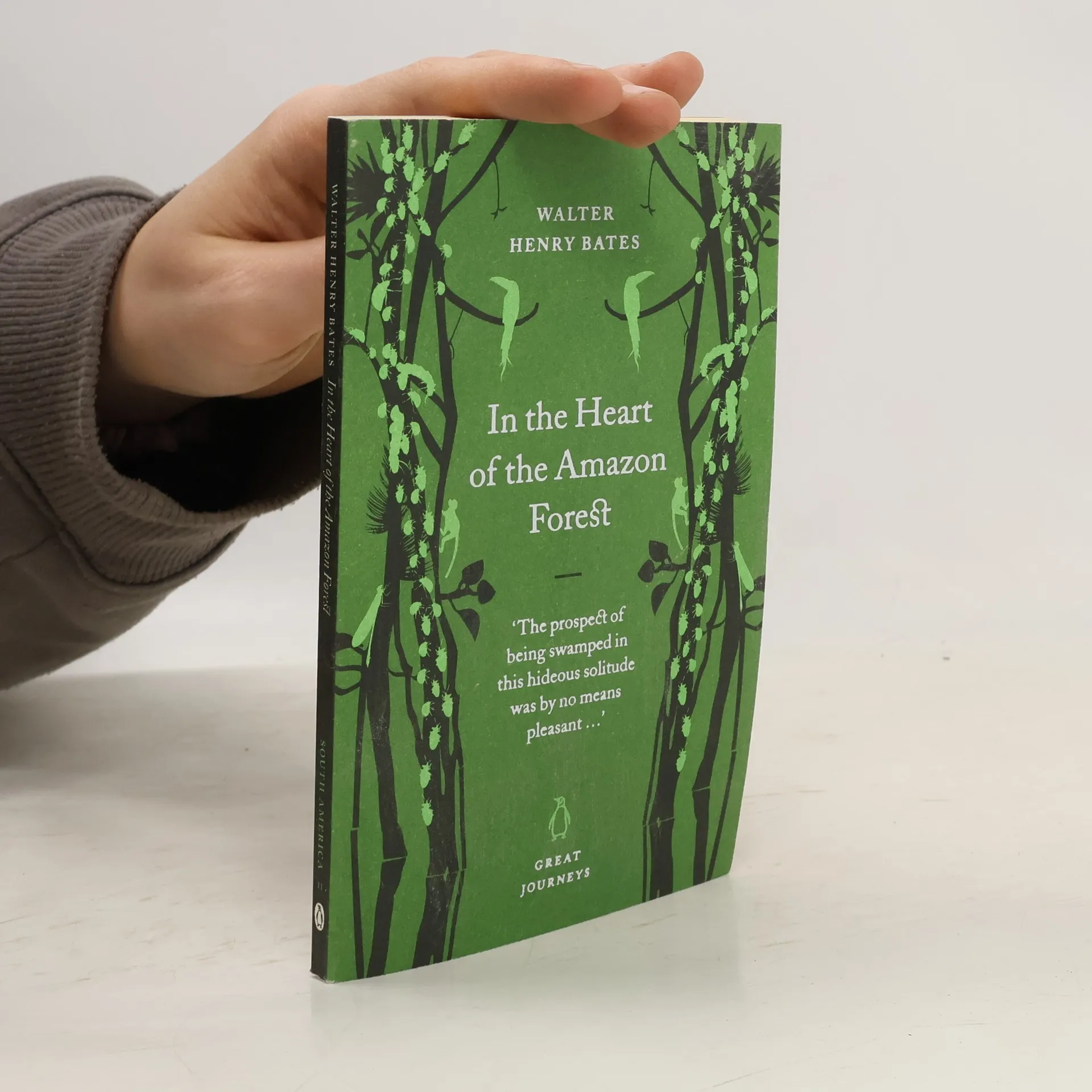
Great Journeys: In the Heart of the Amazon Forest
- 128 stránek
- 5 hodin čtení
One of the most impressive of all Victorian scientists but also a marvelous writer, Bates' (1825-1892) account of his years in the upper reaches of the Amazon is almost too good to be true - a great monument to human inquisitiveness as he battles great hoards of malevolent reptiles and insects in his quest for ever more obscure specimens on ever more narrow and creeper-choked tributaries. "Great Journeys" allows readers to travel both around the planet and back through the centuries - but also back into ideas and worlds frightening, ruthless and cruel in different ways from our own. Few reading experiences can begin to match that of engaging with writers who saw astounding great civilizations, walls of ice, violent and implacable jungles, deserts and mountains, and multitudes of birds and flowers new to science. Reading these books is to see the world afresh, to rediscover a time when many cultures were quite strange to each other, where legends and stories were treated as facts and in which so much was still to be discovered.
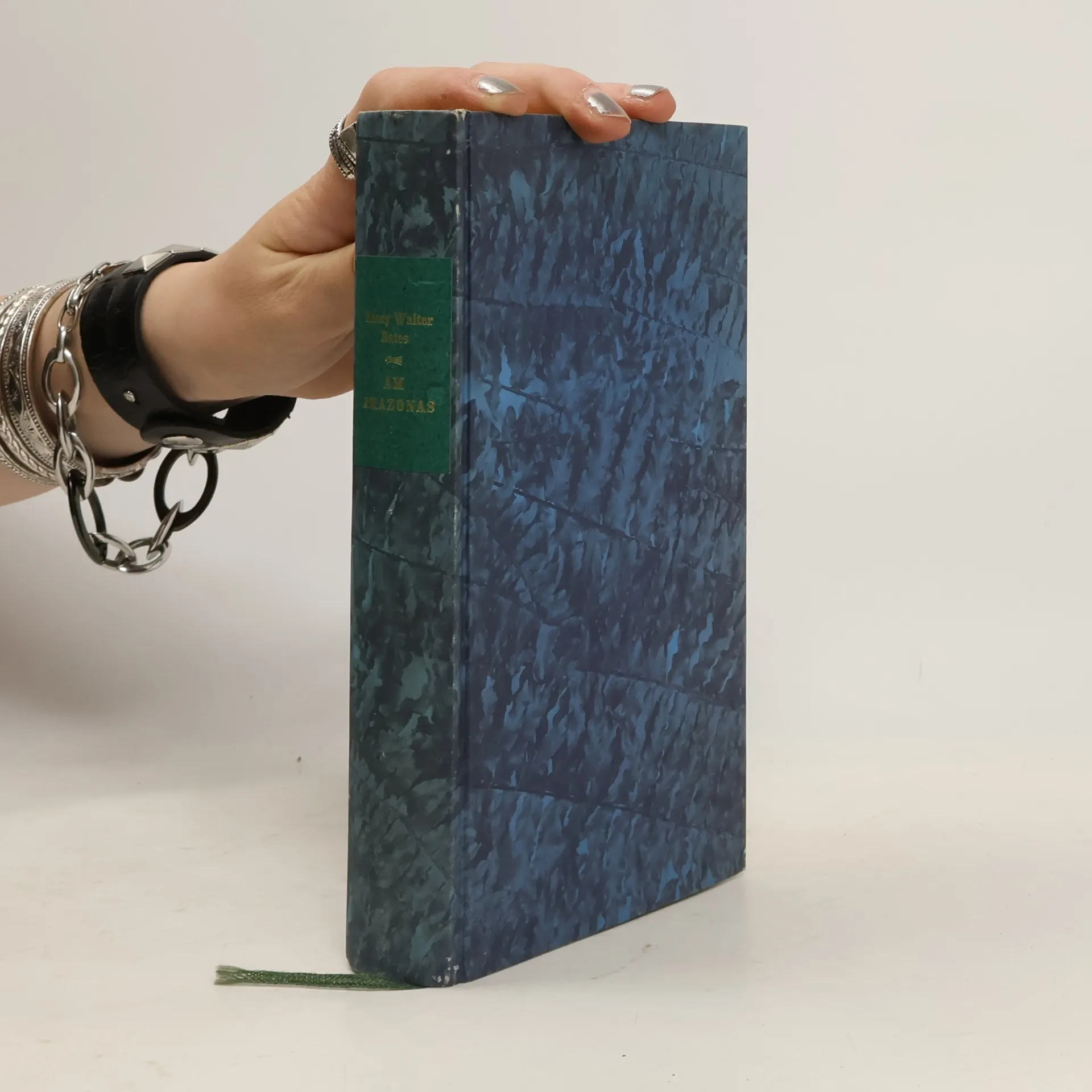
Am Amazonas
Leben der Tiere, Sitten und Gebräuche der Bewohner, Schilderung der Natur unter dem Äquator und Abenteuer während eines elfjährigen Aufenthalts
- 602 stránek
- 22 hodin čtení
Am Amazonas
- 602 stránek
- 22 hodin čtení
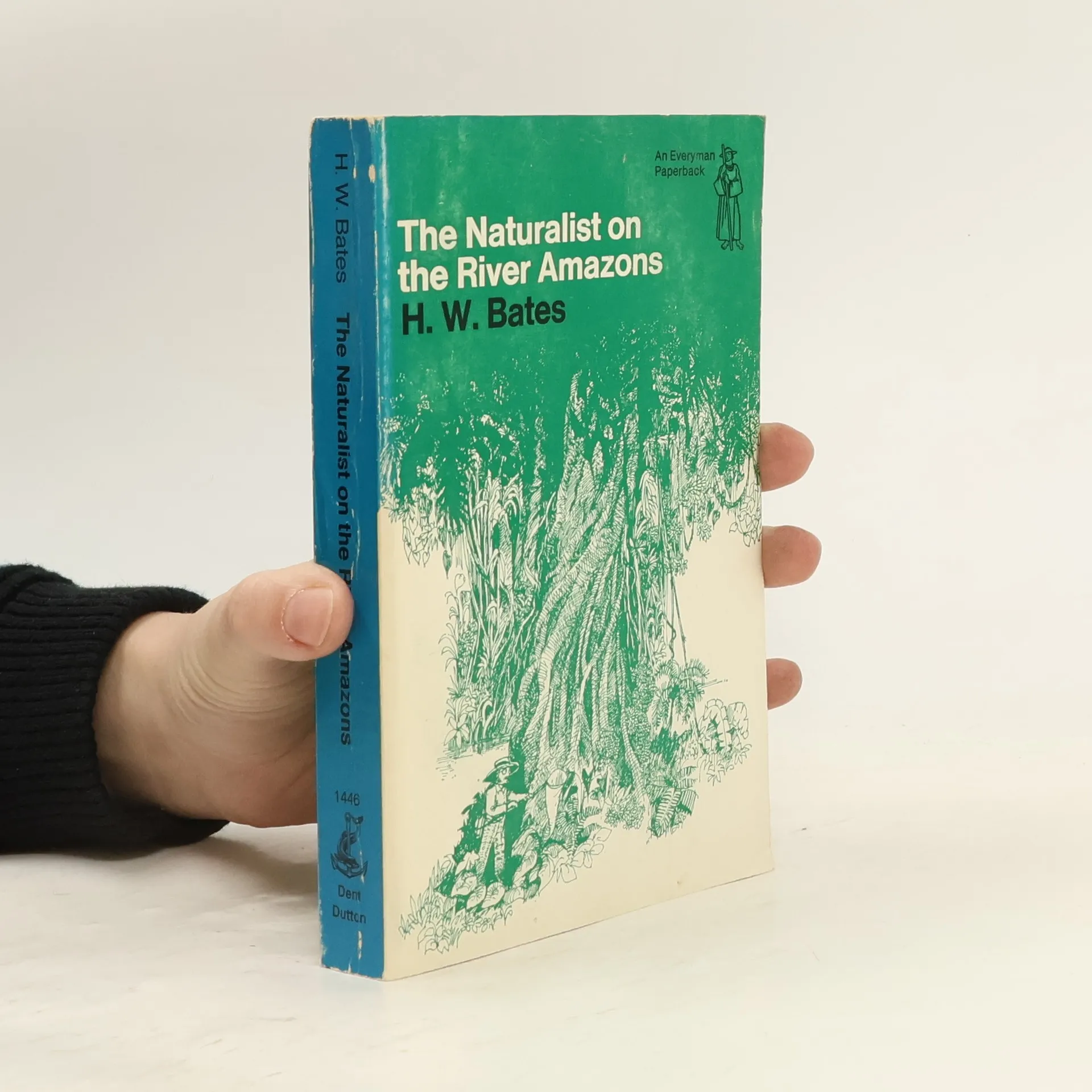
Everyman Paperbacks - 1446: The Naturalist on the River Amazon
- 427 stránek
- 15 hodin čtení
Exploring the Amazon rainforest from 1848 to 1859, this classic account chronicles Henry Walter Bates's extensive journeys and discoveries. Collaborating with fellow naturalist Alfred Russel Wallace, Bates provides insights into the region's rich biodiversity and the principles of evolution. His observations and findings significantly enhanced the understanding of the natural world, making this work a vital contribution to natural history. First published in 1863, it remains a key text for those interested in exploration and ecology.