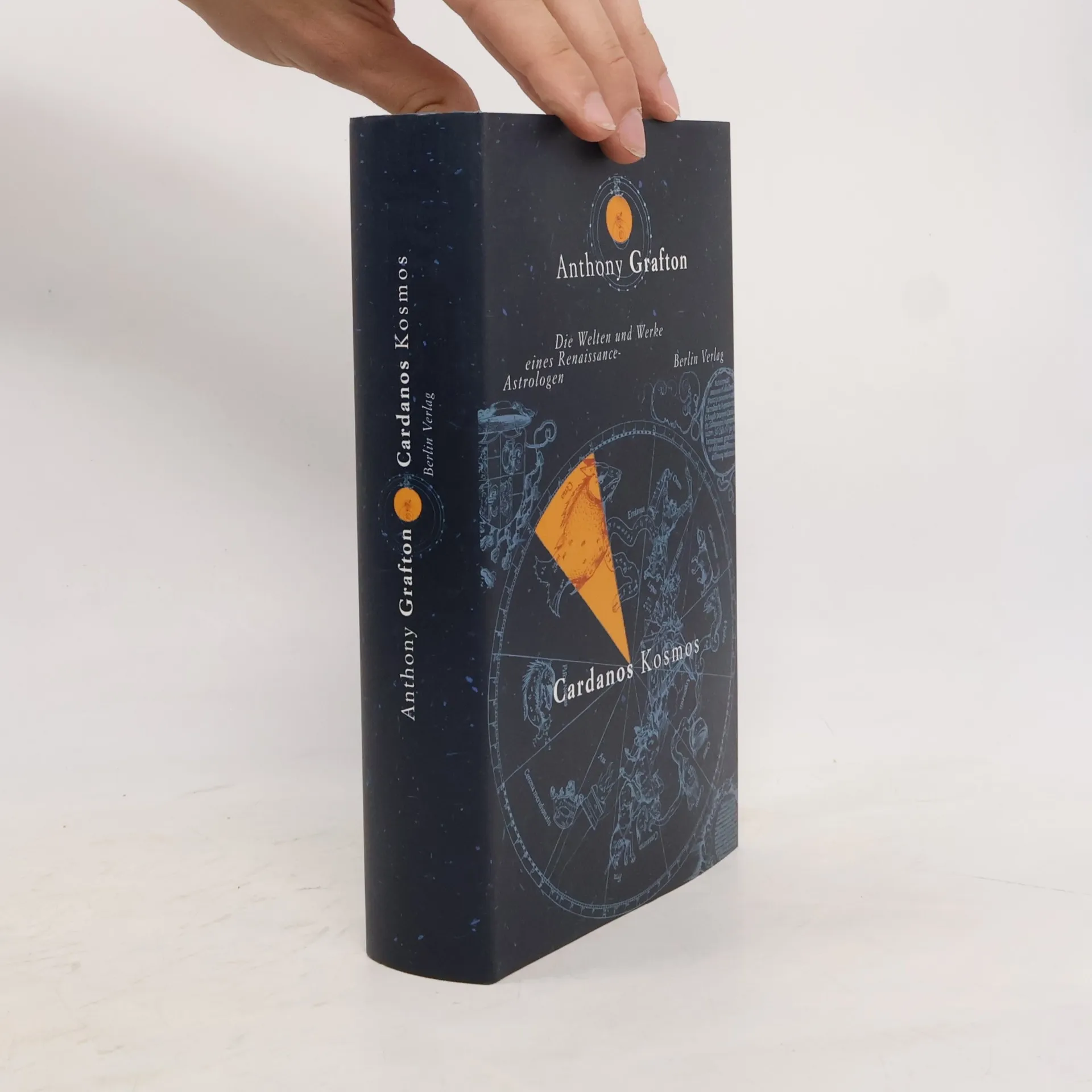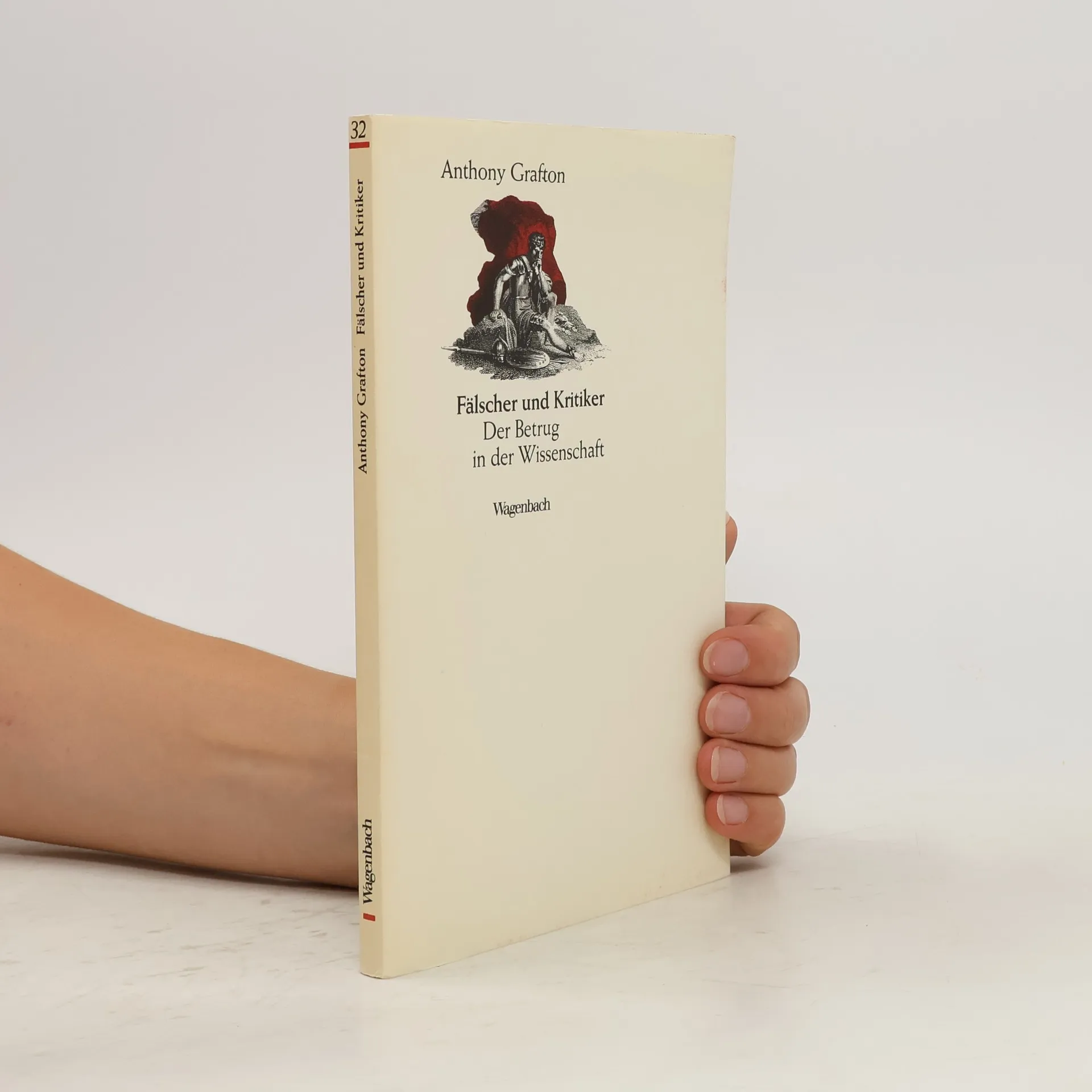

Anthony Grafton Knihy


What Was History?
- 319 stránek
- 12 hodin čtení
Elegant and accessible, this book is a powerful and imaginative exploration of themes in the history of European ideas.
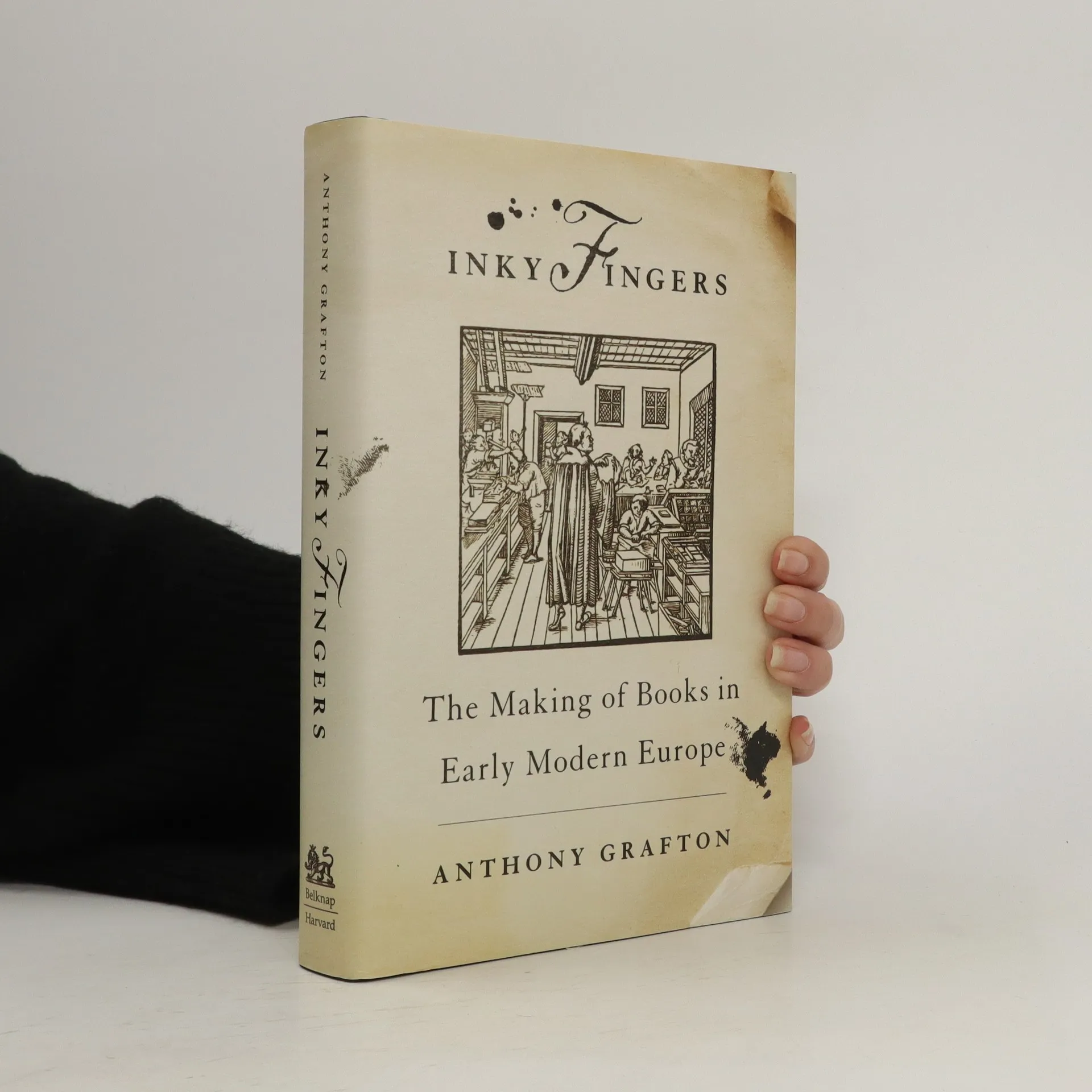
Renowned historian Anthony Grafton invites us to see the scholars of early modern Europe as laborers. Bookish but hardly divorced from physical tasks, they were artisans of script and print. Drawing new connections between text and craft, publishing and intellectual history, Grafton shows that the life of the mind depends on the work of the hands.
Inky Fingers: The Making of Books in Early Modern Europe
- 352 stránek
- 13 hodin čtení
The author of The Footnote reflects on scribes, scholars, and the work of publishing during the golden age of the book.From Francis Bacon to Barack Obama, thinkers and political leaders have denounced humanists as obsessively bookish and allergic to labor. In this celebration of bookmaking in all its messy and intricate detail, renowned historian Anthony Grafton invites us to see the scholars of early modern Europe as diligent workers. Meticulously illuminating the physical and mental labors that fostered the golden age of the book--the compiling of notebooks, copying and correction of texts and proofs, preparation of copy--he shows us how the exertions of scholars shaped influential books, treatises, and forgeries.Inky Fingers ranges widely, tracing the transformation of humanistic approaches to texts in the seventeenth and eighteenth centuries and examining the simultaneously sustaining and constraining effects of theological polemics on sixteenth-century scholars. Grafton draws new connections between humanistic traditions and intellectual innovations, textual learning and craft knowledge, manuscript and print.Above all, Grafton makes clear that the nitty-gritty of bookmaking has had a profound impact on the history of ideas--that the life of the mind depends on the work of the hands.
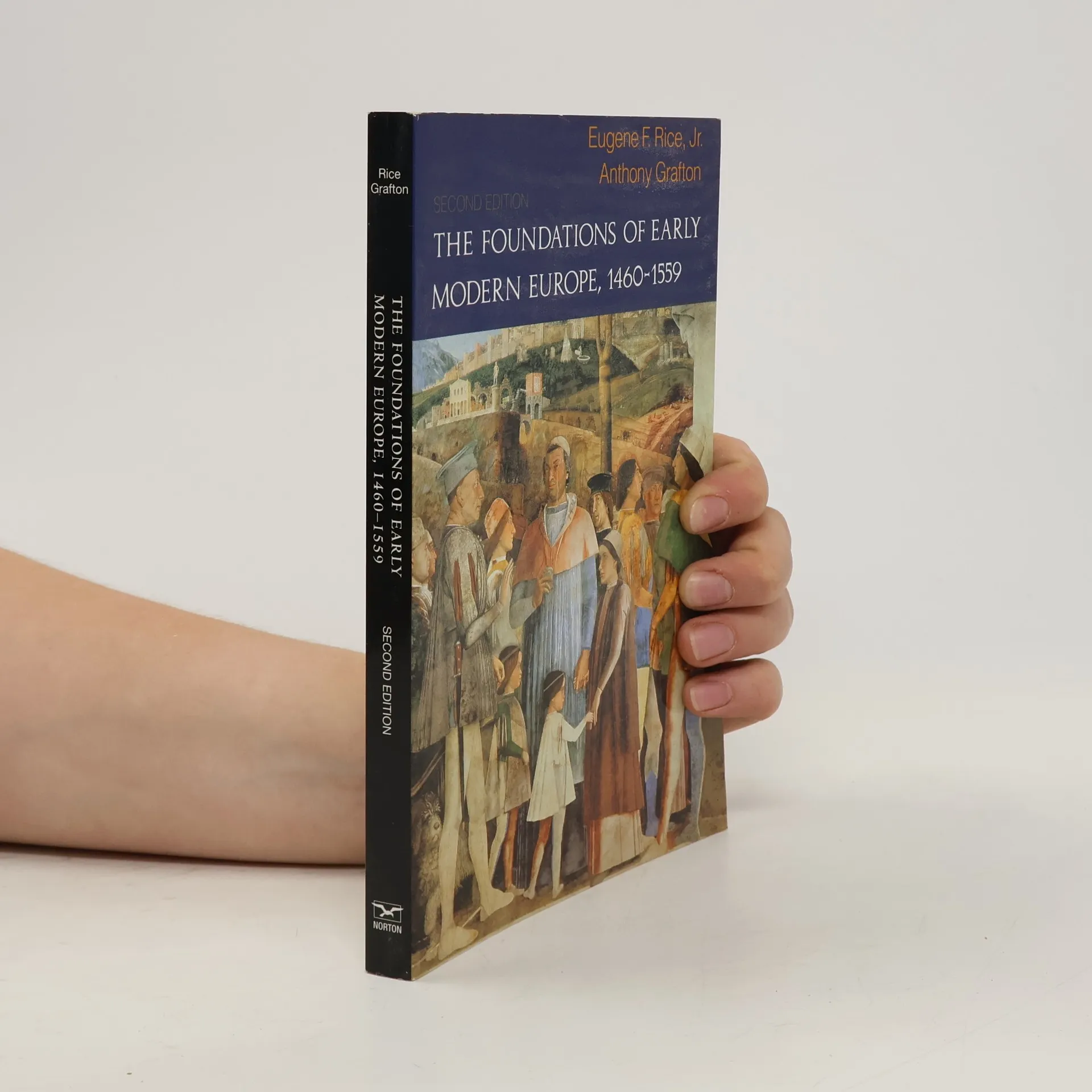
The Foundations of Early Modern Europe, 1460-1559
- 182 stránek
- 7 hodin čtení
In this compact study of the Renaissance and Reformation, Eugene F. Rice, Jr. draws together the main lines of change that account for a period of rapid transition from medieval civilization to early modern. From a chapter on science, technology, and the voyages of exploration, Professor Rice goes on to examine economic expansion within Europe, Renaissance society and the new humanist culture, the rise of the sovereign state, and, ultimately, the clash between the established Church and the Protestant reformers.
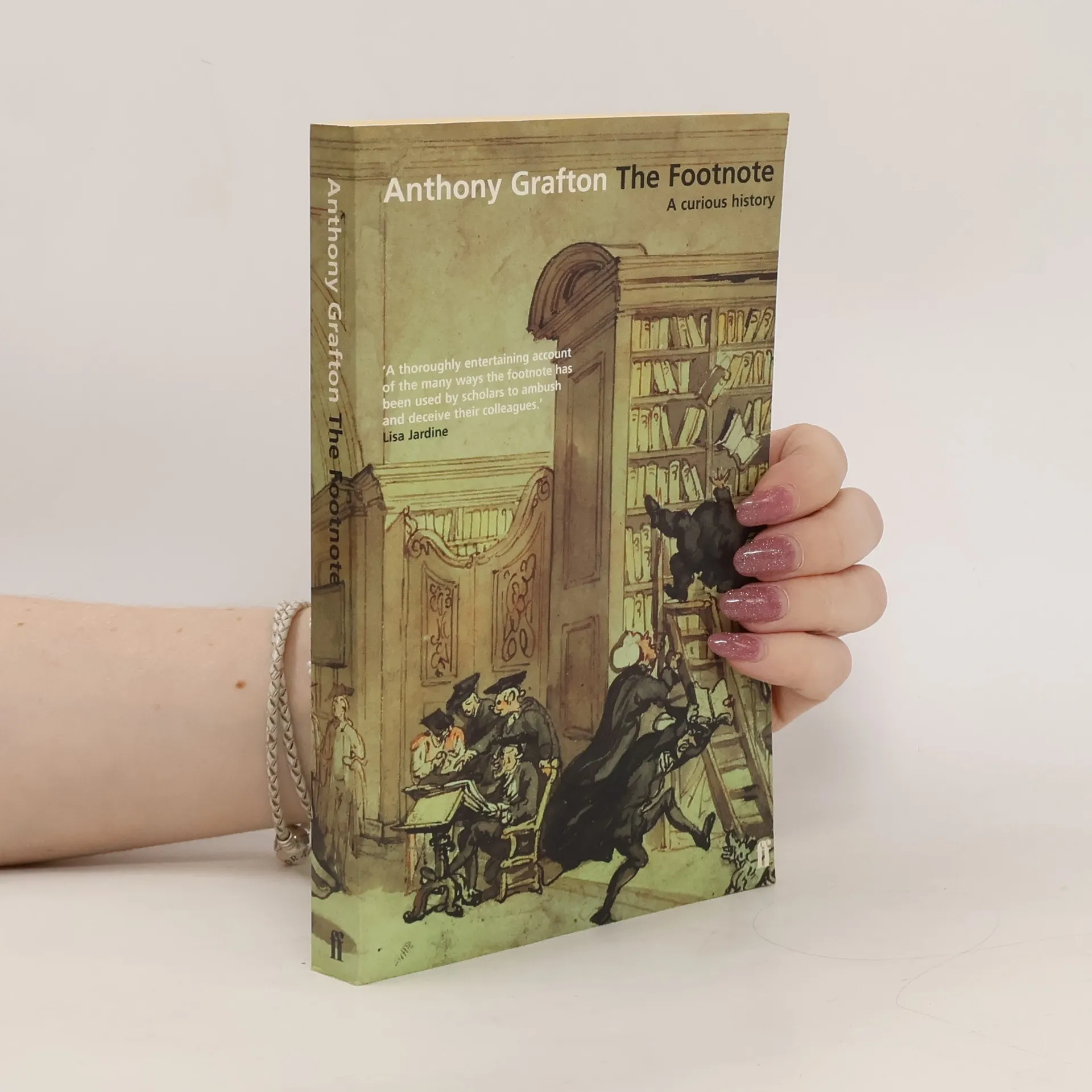
Devoted entirely to the history of the footnote, this quirky but academic study emphasizes the importance of the footnote in offering empirical support for the stories we live by. Its own story is neither so simple nor so reliable as it might seem, the footnote being the creation of a varied and talented group which includes almost as many philosophers as historians. It numbers among its celebrated practitioners Swift, Pope, Gibbon, Rank, Hume and Hegel.
Describing an era of exploration during the Renaissance that went far beyond geographic bounds, this book shows how the evidence of the New World shook the foundations of the old, upsetting the authority of the ancient texts that had guided Europeans so far afield. What Anthony Grafton recounts is a war of ideas fought by mariners, scientists, publishers, and rulers over a period of 150 years. In colorful vignettes, published debates, and copious illustrations, we see these men and their contemporaries trying to make sense of their discoveries as they sometimes confirm, sometimes contest, and finally displace traditional notions of the world beyond Europe.
The book explores the transformative role of Renaissance antiquarians in shaping art and knowledge through their discoveries. Highlighting significant finds like Livy's remains and Nero's Golden House, it delves into the methods used by these scholars and their collaborations with alchemists and craftspeople. The narrative reveals how the revival of ancient artifacts not only inspired new artistic and scholarly pursuits but also intertwined with religious devotion, challenging the perception of antiquarianism as purely secular.
"Anthony Grafton explores the art and influence of an opaque historical figure: the magus, or learned magician. A distinctive intellectual type in Renaissance Europe, magi contributed to the humanistic currents of the time and had a transformative impact on public life, influencing advances in sculpture, painting, engineering, and other fields."--
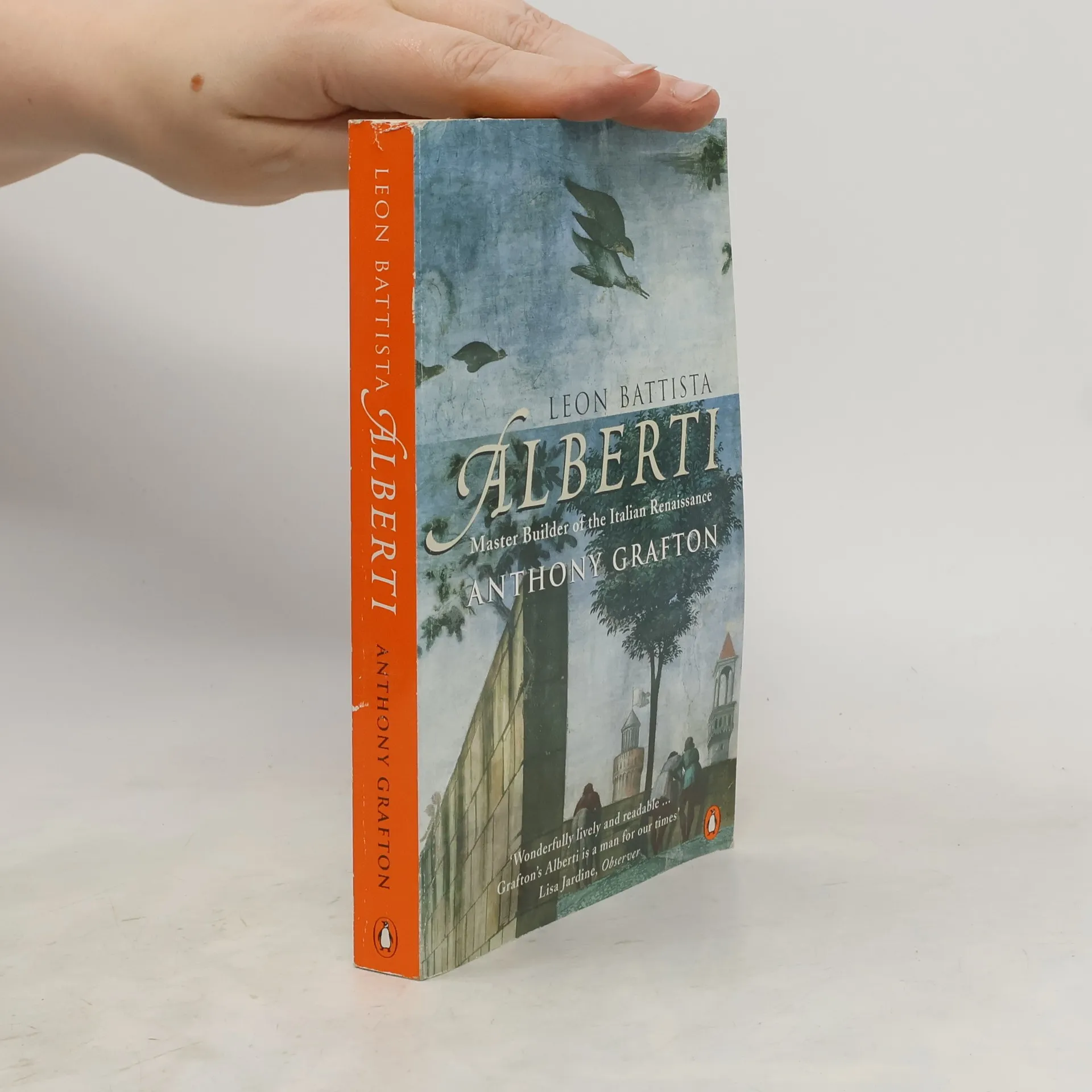
Leon Battista Alberti
Master Builder of the Italian Renaissance
Leon Battista Alberti (1404-72) was one of the most original, creative and exciting figures of the Italian Renaissance. He wrote the first modern treatise on painting, the first modern manual of classical architecture and a powerful set of 'dialogues' about the patrician families that dominated his home city of Florence. He rediscovered the forgotten aesthetics of classical architecture and described, in incomparably vivid terms, the artistic revolution in Florence that began what we now call the Renaissance. He made spectacular advances in the art of painting and in engineering, and as an architect he was responsible for some of the most exciting buildings in Italy.