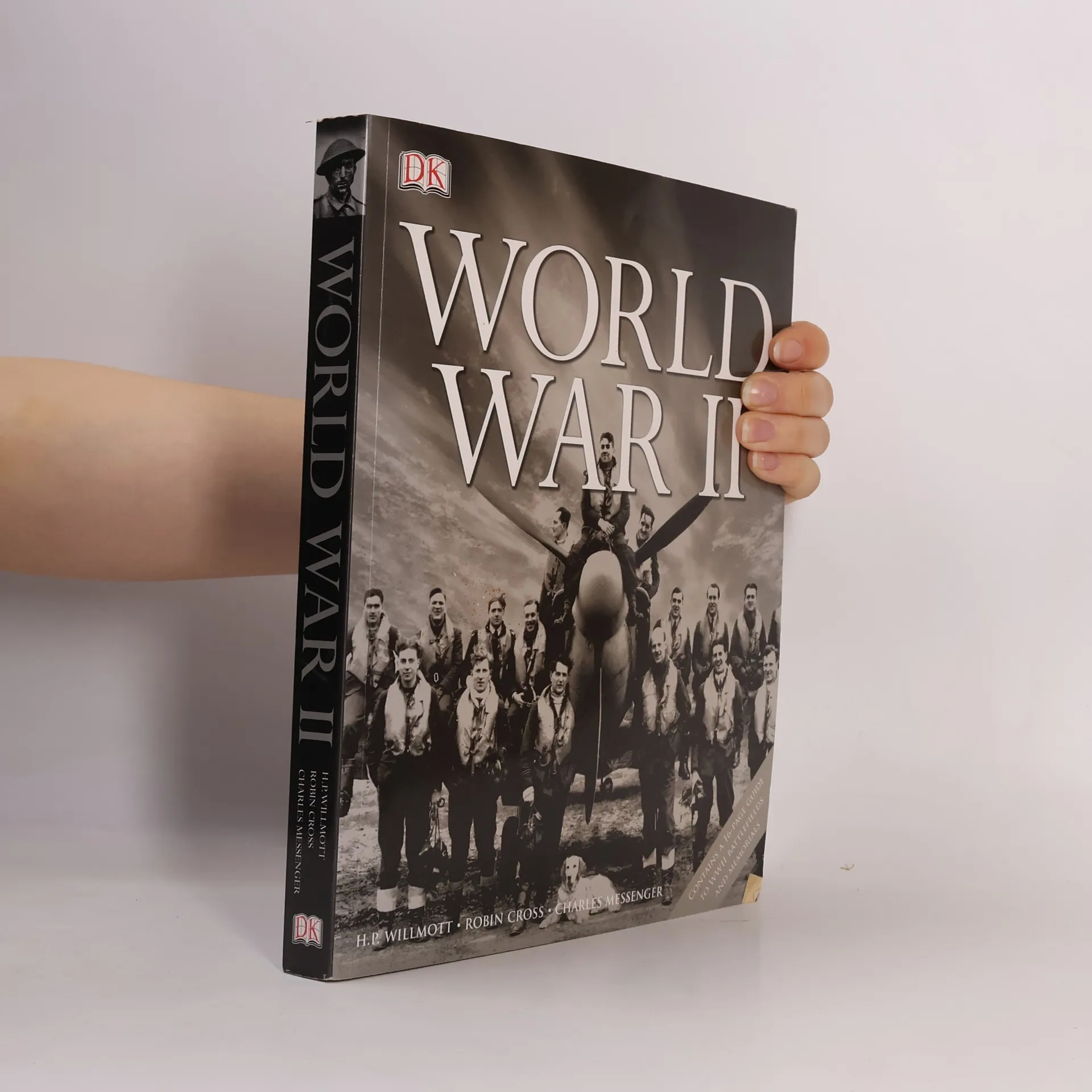
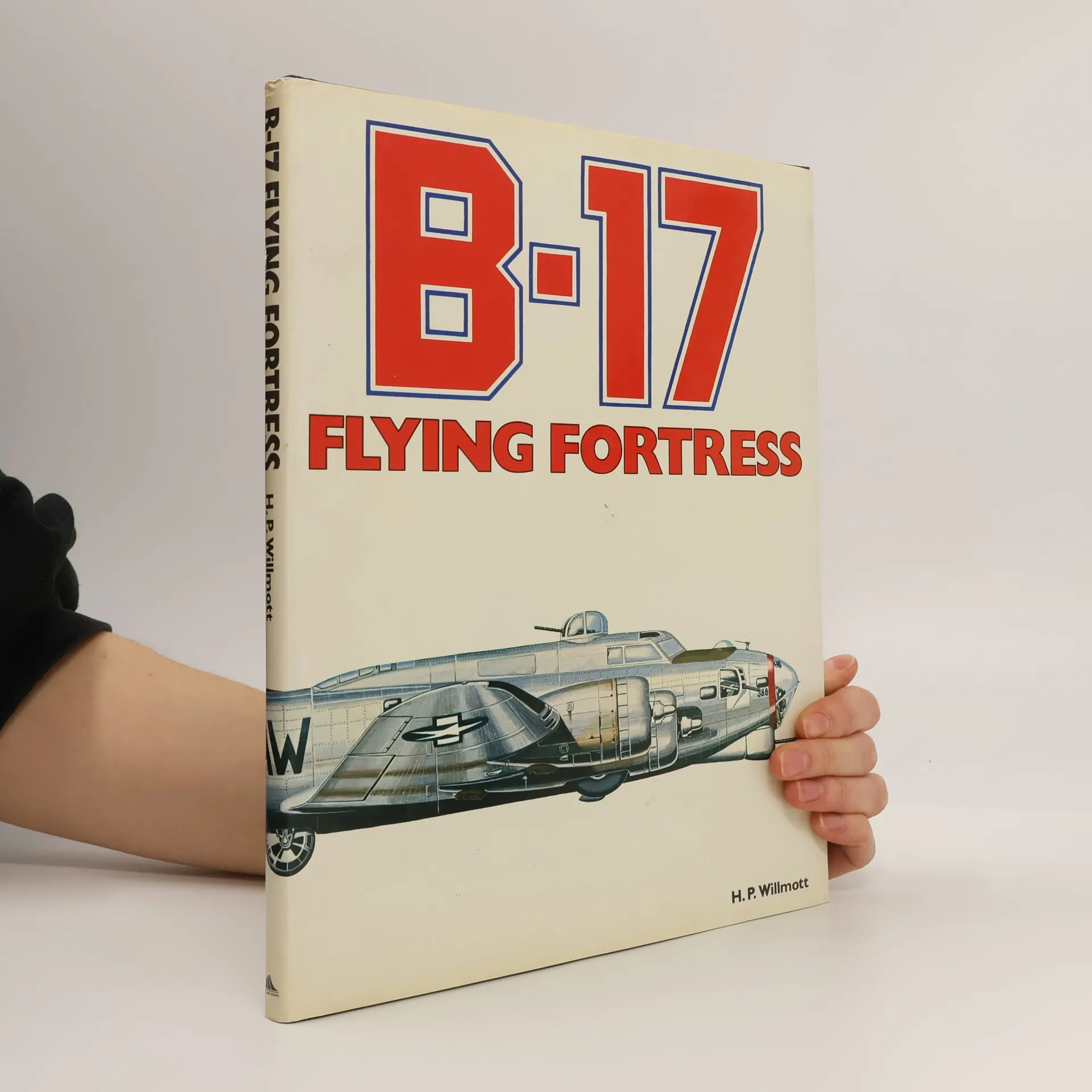
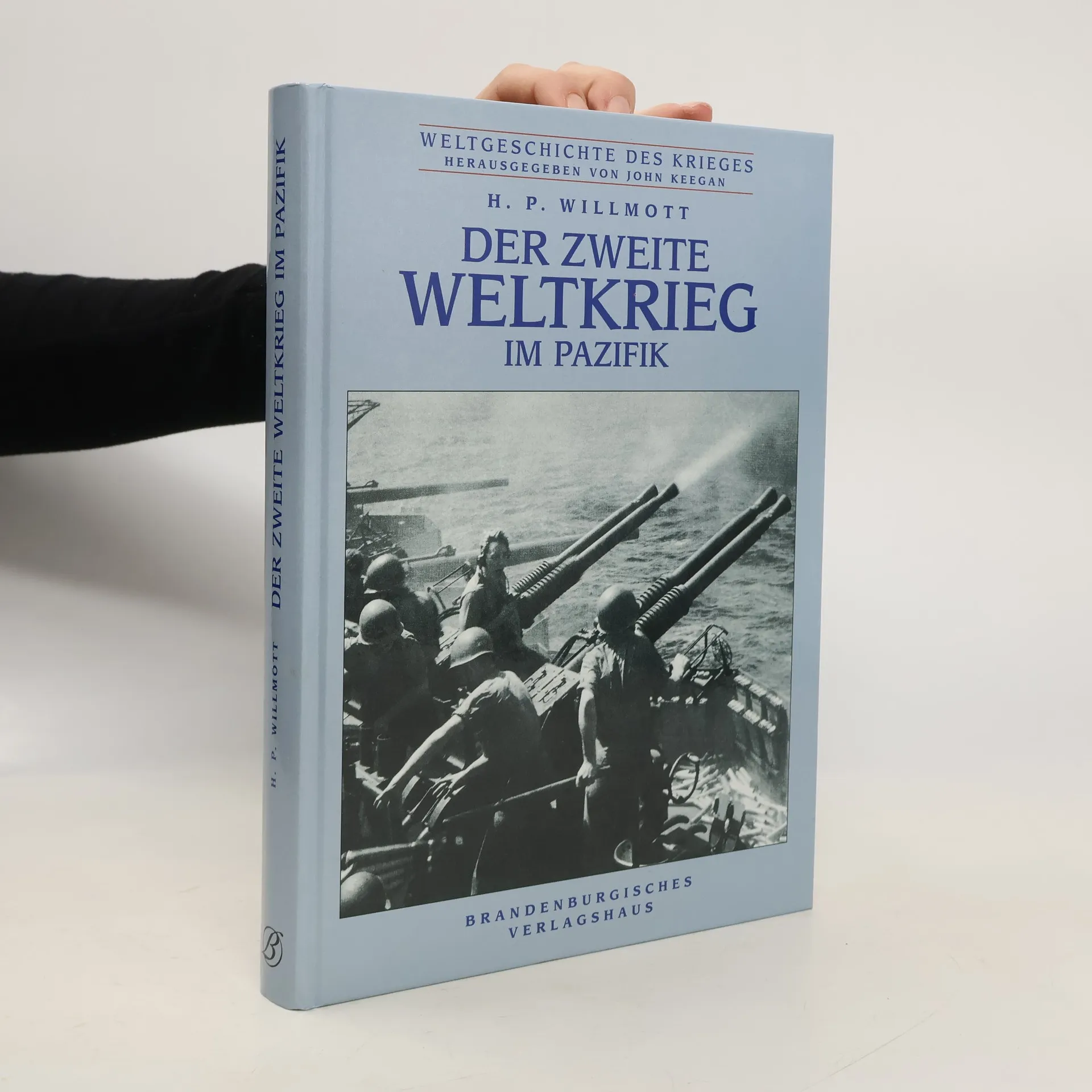
Offers an account of the Second World War. This title includes digital maps and timelines that cover every major campaign and phase of the war highlighting the strategic problems, critical moments, decisions and military actions that decided its outcome.
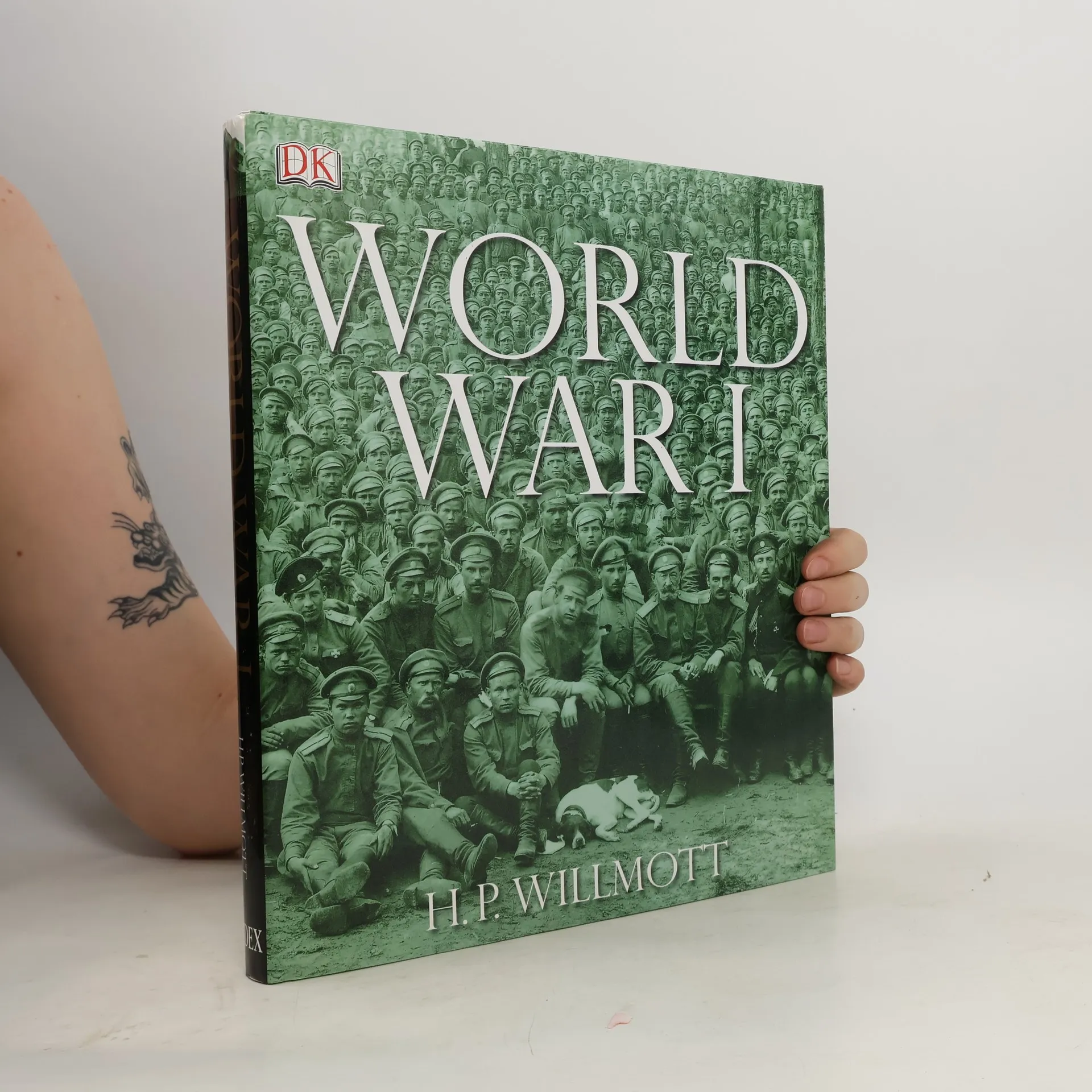
The First World War was so terrible and so titanic a struggle that its memory haunts us still, even in the 21st century. No previous conflict had ever been as brutal or as vast in scale and its scars were so deep that it came to be known simply as 'The Great War'.The battles fought so ferociously on land, sea and in the air, form the narrative core of this study, with some challenging new interpretations of the military events. However, distinguished historian H.P. Willmott has also focused his penetrating investigation beyond the military chronicle to produce a discerning analysis of the war's labyrinthine causes and its wider consequences for politics, economics, culture and society.
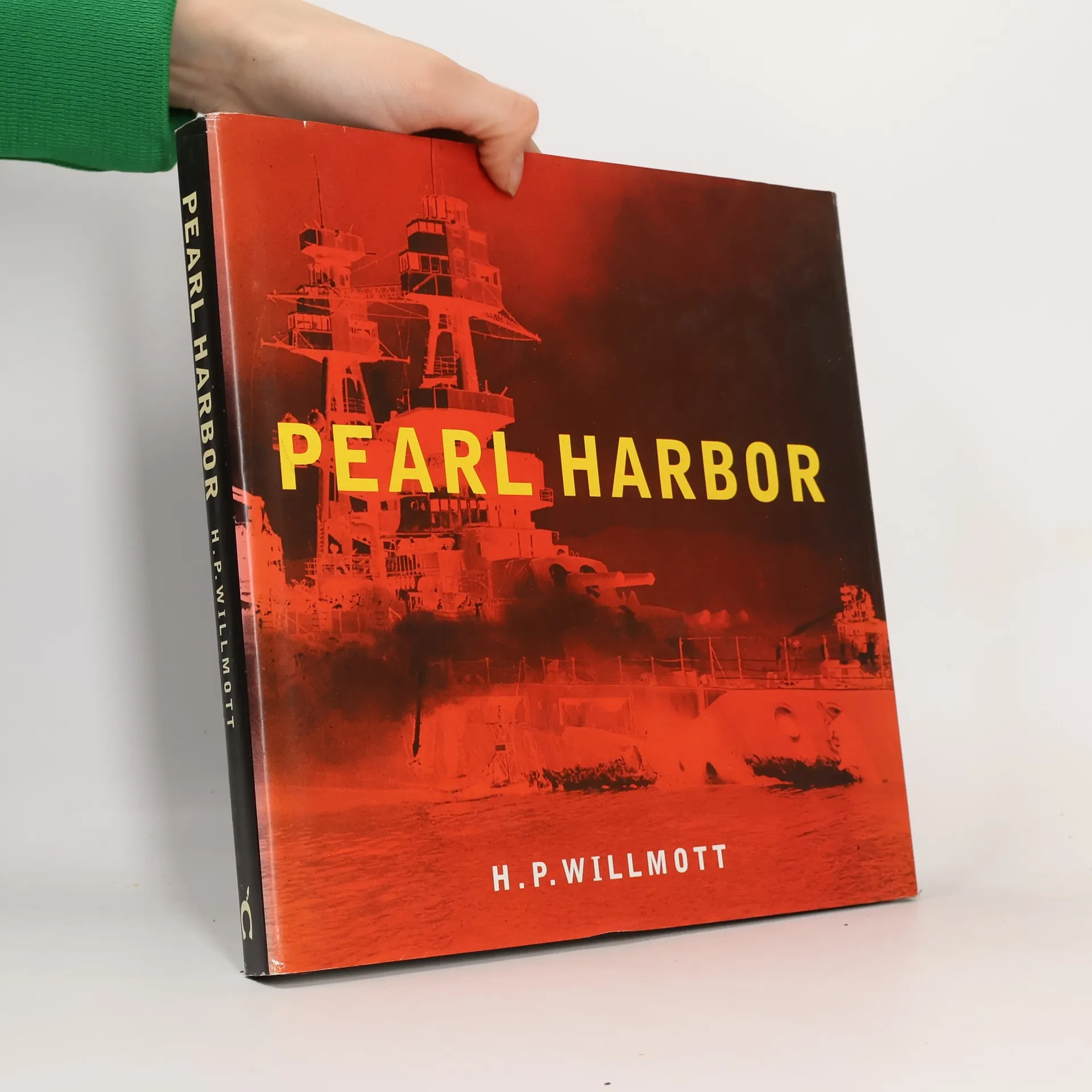
"A date which will live in infamy"—President Delano Roosevelt, December 7, 1941. Coinciding with the release of a high-profile film, this visually stunning volume offers an in-depth exploration of the Pearl Harbor attack, captivating readers long after the movie fades. Directed by Michael Bay and produced by Jerry Bruckheimer, the film features a star-studded cast, including Oscar winners Ben Affleck and Cuba Gooding, generating significant interest in the historical event. The attack resulted in 2,395 military and civilian deaths, 1,178 wounded, and extensive damage to ships and aircraft. The narrative begins with Japan's surprise assault, marked by Commander Fuchida's code words, "TORA, TORA, TORA." Through striking images and an authoritative text, the book delves into the background of Japan's rise as a military power and the strategic decisions leading to the attack. H.P. Willmott, a seasoned writer on the topic, presents new research, including detailed tables of warships and aircraft involved. The book also addresses the controversial reasons behind the absence of a third strike on Pearl Harbor. Ultimately, it argues that this pivotal day marked not just the beginning of Japan's war but also the start of its eventual defeat, contextualizing it within the broader scope of the Pacific conflict, including the Battles of the Coral Sea and Midway.
The narrative focuses on the intense military engagements between the United States and Japan following the surprise attack on Pearl Harbor in 1941. Highlighting Japan's early successes in Southeast Asia and the Western Pacific, it details the fierce clashes that occurred from May 1942 to October 1943 in the Southwest Pacific. The evenly matched forces fought relentlessly, leading to exhausting battles that defined this critical period of World War II.