

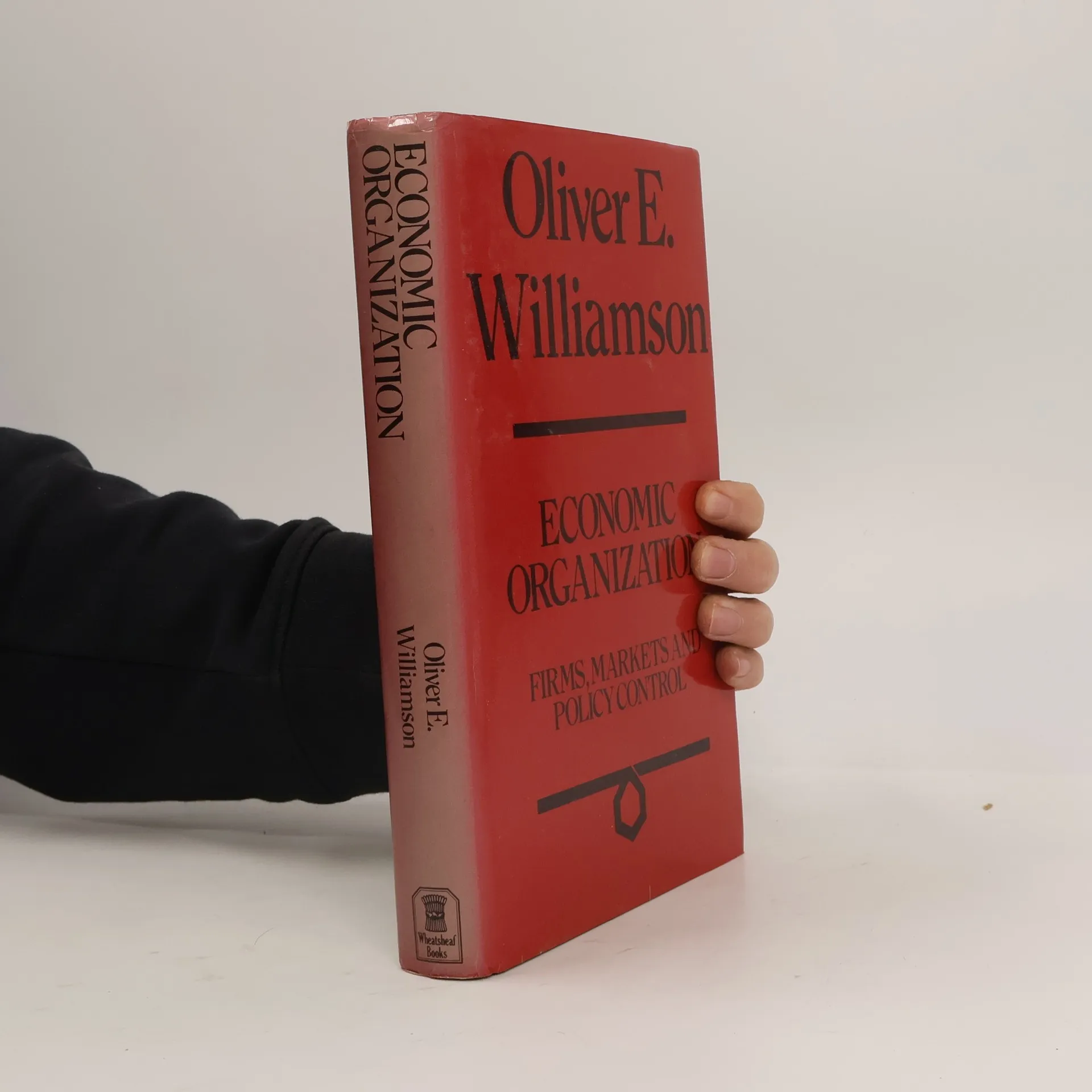
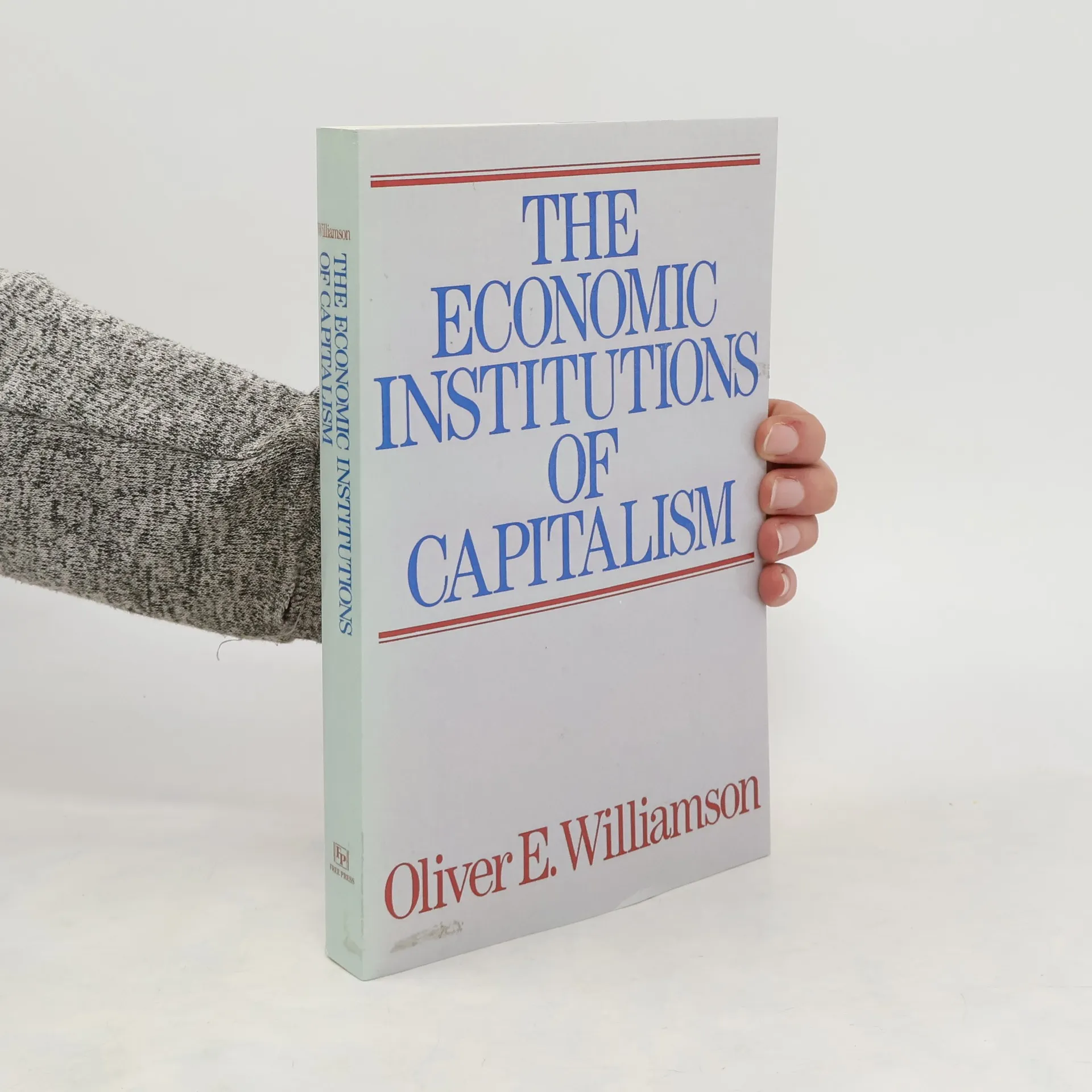
This long-awaited sequel to the modem classic "Markets and Hierarchies" develops and extends Williamson's innovative use of transaction cost economics as an approach to studying economic organization by applying it to work and labor as well as the corporation itself. In addition, Williamson explores its growing implications for public policy, including its potential influence on antitrust and merger guidelines, labor policy, and SEC and public utility regulations.
Oliver E. Williamson Knihy
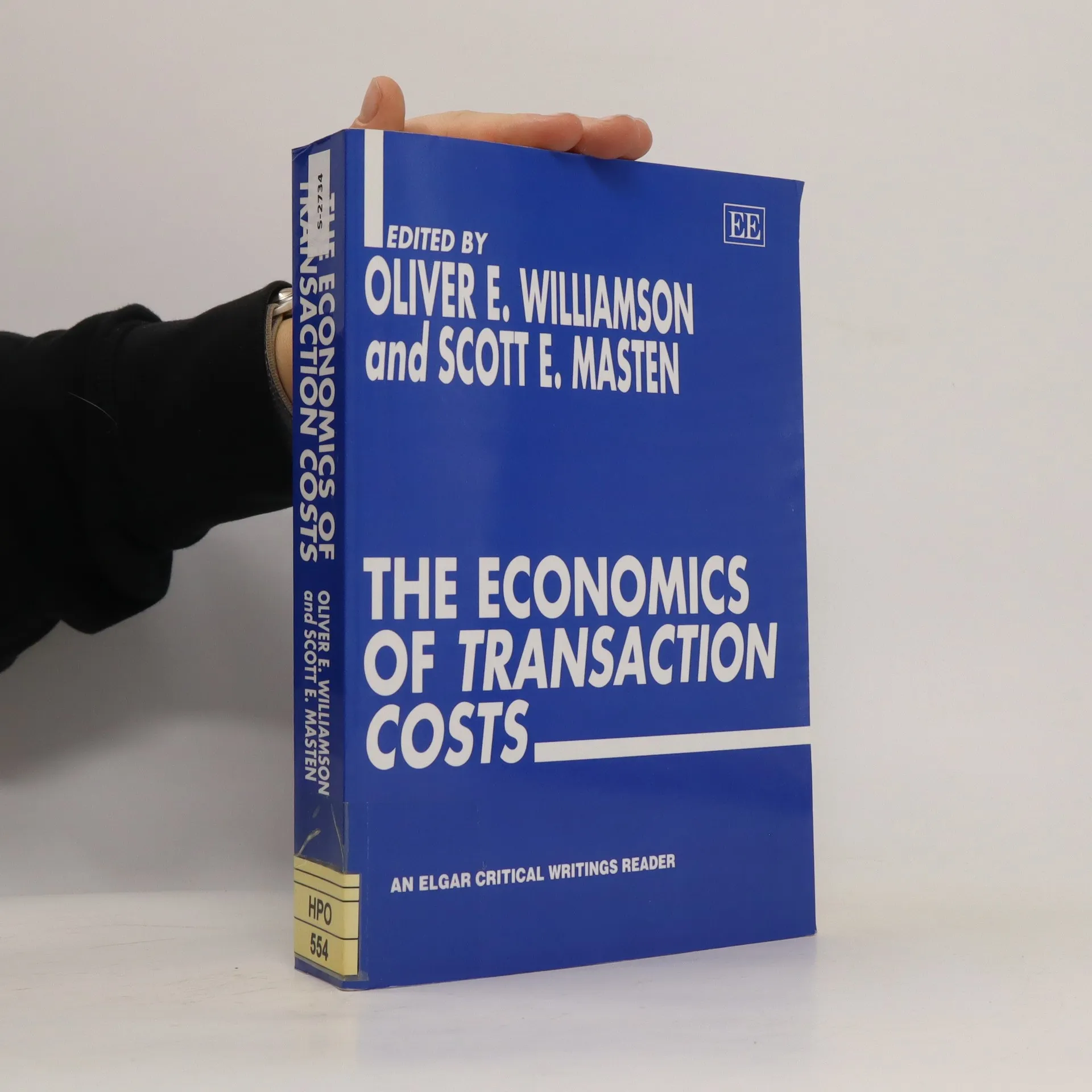
Transaction cost economics began to take shape around thirty years ago and has since been established as an essential tool used to illuminate a wide range of problems in economics and other social sciences. This paperback reader for students and scholars presents, in a convenient and accessible form, the articles which together form the foundations of research in transaction cost economics. The volume is divided into three the first part presents the background to the field and includes those path-breaking papers from Coase (1937 and 1972), Williamson (1971) and Alchian and Demsetz (1972). The second part addresses the apparatus of transaction cost economics and includes papers on the structure and limits of firms. The third part presents the applications of transaction cost economics to firm behavior, investment decision-making, contract bidding, regulation and legislation.The editors, themselves distinguished scholars in the field, have written a new introduction which sketches the history of research in the field and offers some thoughts about the future of transaction cost economics.21 articles, dating from 1937 to 1994Contributors A.A. Alchian, R.H. Coase, H. Demsetz, S. Grossman, O. Hart, P. Joskow, B. Klein, P. Milgrom
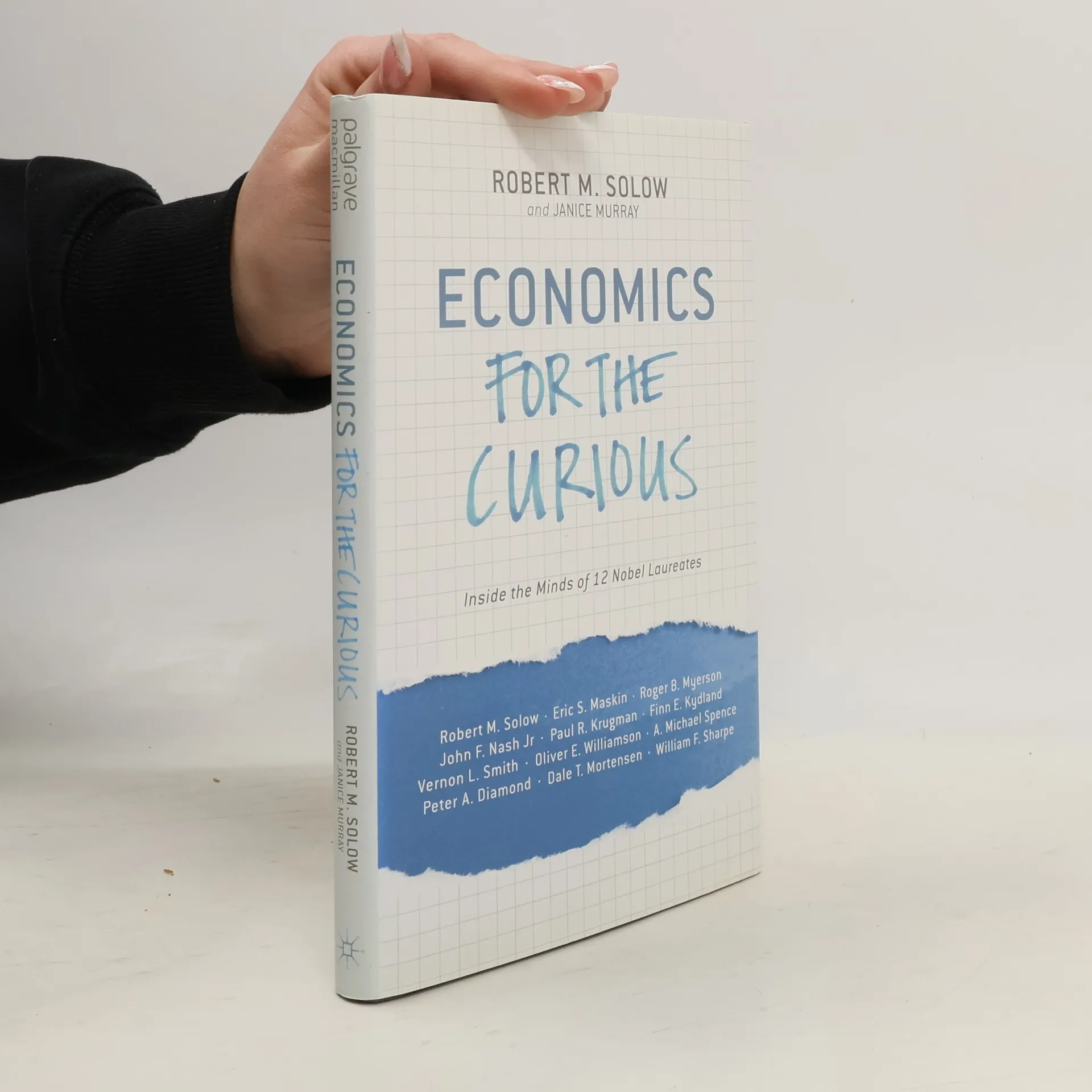
Alfred Marshall, the founder of modern economics, once described economics as 'the study of mankind in the ordinary business of earning a living'. In Economics for the Curious, 12 Nobel Laureates show that 'the ordinary business of earning a living' covers a wide range of activities, as they take readers on an engaging tour of some of the everyday issues that can be explored using basic economic principles. Written in the plainest possible language, Nobel Laureates including Paul Krugman, Eric Maskin, Finn E. Kydland and Vernon Smith confront some of the key issues challenging society today – challenges that claim attention in any phase of the business cycle. The range of topics includes how economic tools can be used to rebuild nations in the aftermath of a war; financing retirement as longevity increases; the sustainable use of natural resources and what governments should really be doing to boost the economy. Economics for the Curious is an accessible but informative display of the kinds of questions economics can illuminate. It will appeal to anyone who has an interest in economics and the world around them, and we hope it will encourage further interest and study in the topic from readers everywhere.
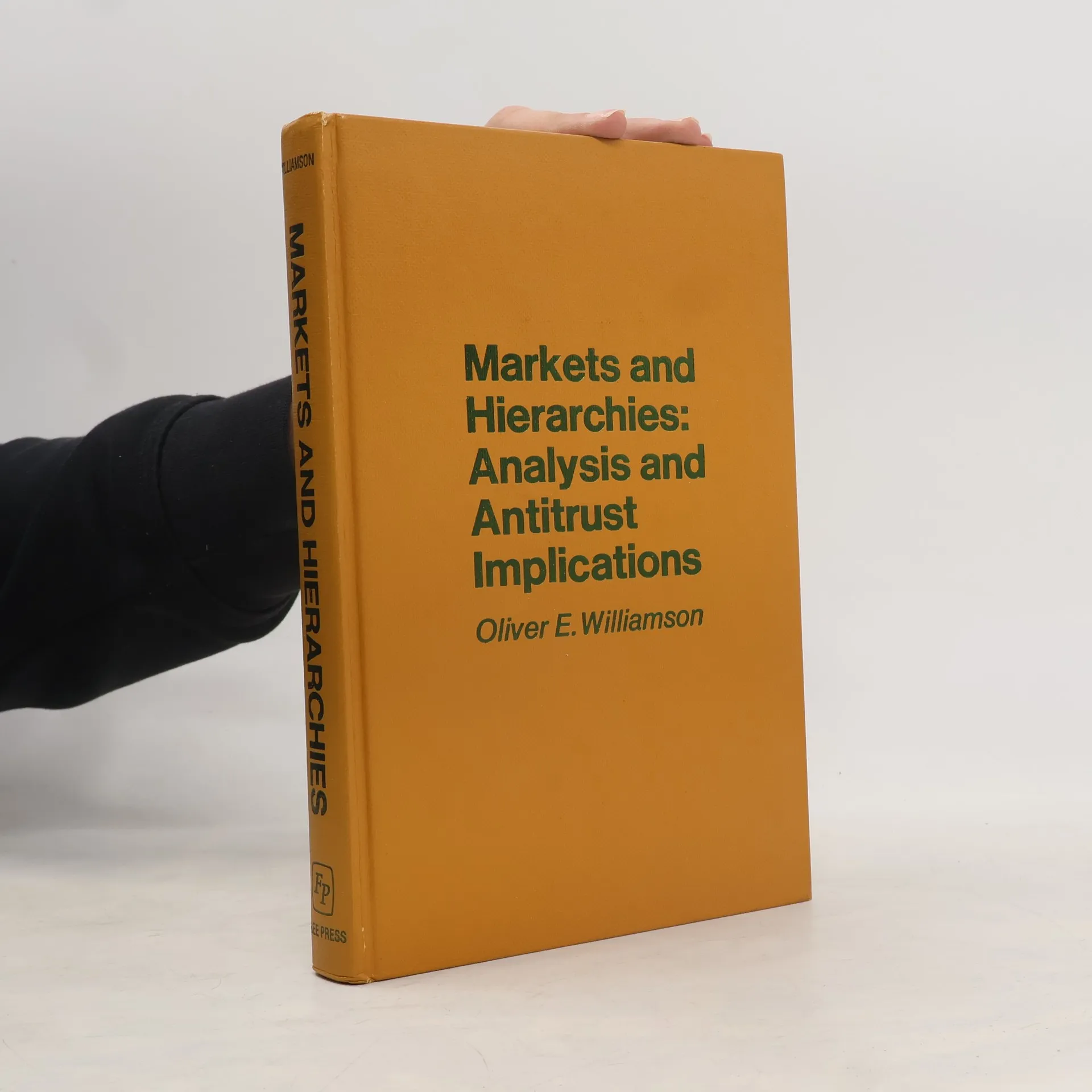
Markets and Hierarchies
Analysis and Antitrust Implications