Knihobot

Guido Mensching

    Max a Mořic
    Manual of Judaeo-Romance Linguistics and Philology
    • This manual provides a detailed presentation of the various Romance languages as they appear in texts written by Jews, mostly using the Hebrew alphabet. It gives a comprehensive overview of the Jews and the Romance languages in the Middle Ages (part I), as well as after the expulsions (part II). These sections are dedicated to Judaeo-Romance texts and linguistic traditions mainly from Italy, northern and southern France (French and Occitan), and the Iberian Peninsula (Catalan, Spanish, Portuguese). The Judaeo-Spanish varieties of the 20th and 21st centuries are discussed in a separate section (part III), due to the fact that Judaeo-Spanish can be considered an independent language. This section includes detailed descriptions of its phonetics/phonology, morphology, lexicon, and syntax.

      Manual of Judaeo-Romance Linguistics and Philology
      4,0
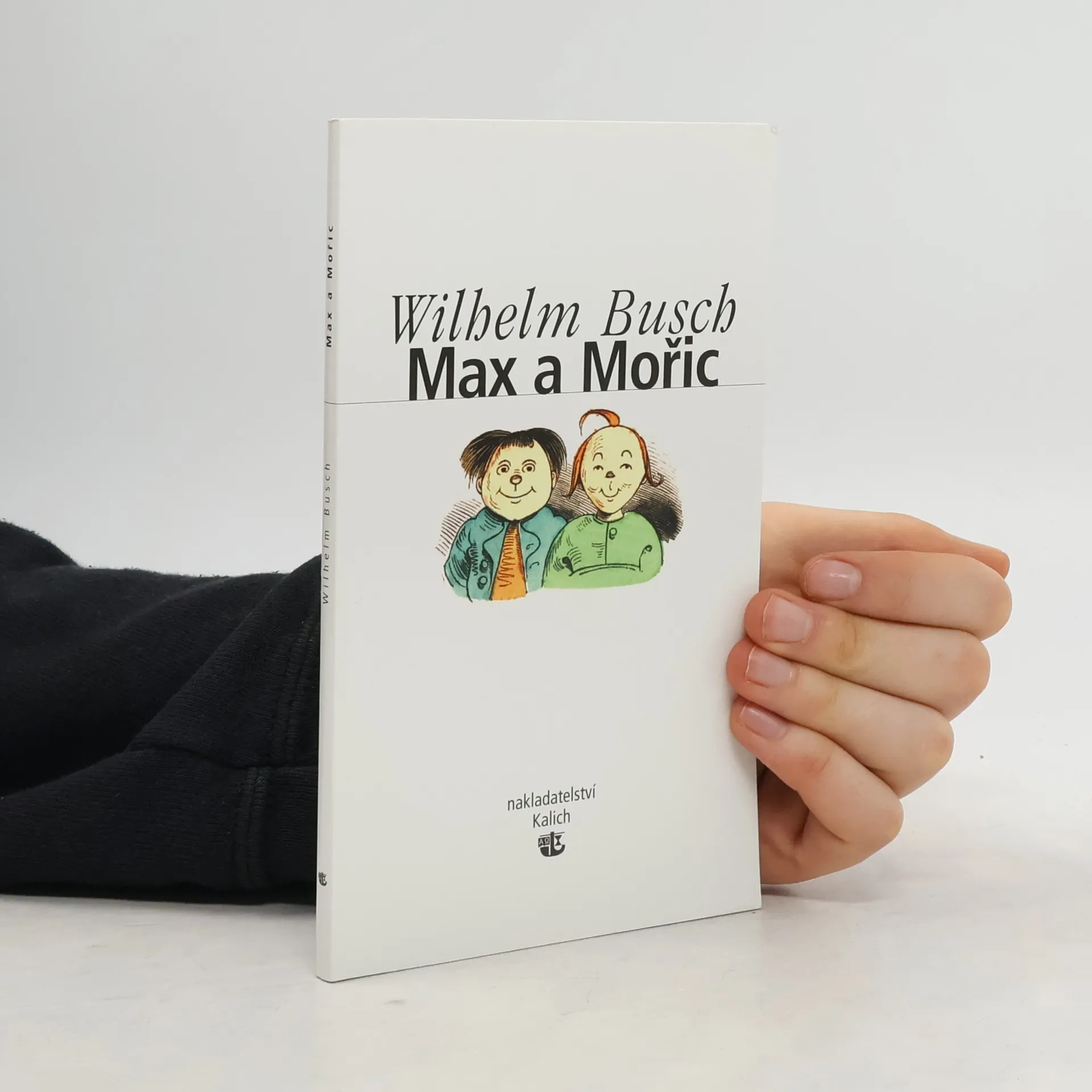
    • Veršované kreslené příběhy o dvou rošťácích plné černého humoru se staly jedním ze základních kamenů v historii moderního komiksu. Max a Mořic jsou škodolibí, zlí a za své kousky jsou krutě, ale spravedlivě potrestáni. Kniha měla ve své době (1865) značný úspěch nejen v Německu, ale byla také přeložena do mnoha jazyků. Později posloužila jako inspirace či vzor k jednomu z prvních skutečně moderních komiksů - americkému seriálu Rudolpha Dirkse Katzenjammer Kids, který vycházel od roku 1897 - a bývá tak uváděna i jako předobraz "rošťáckých" kreslených seriálů a filmů.

      Max a Mořic
      3,8