Raphael
- 256 stránek
- 9 hodin čtení
Traces the life and career of the great Renaissance artist, provides a thorough historical background, and discusses the nature of Raphael's genius



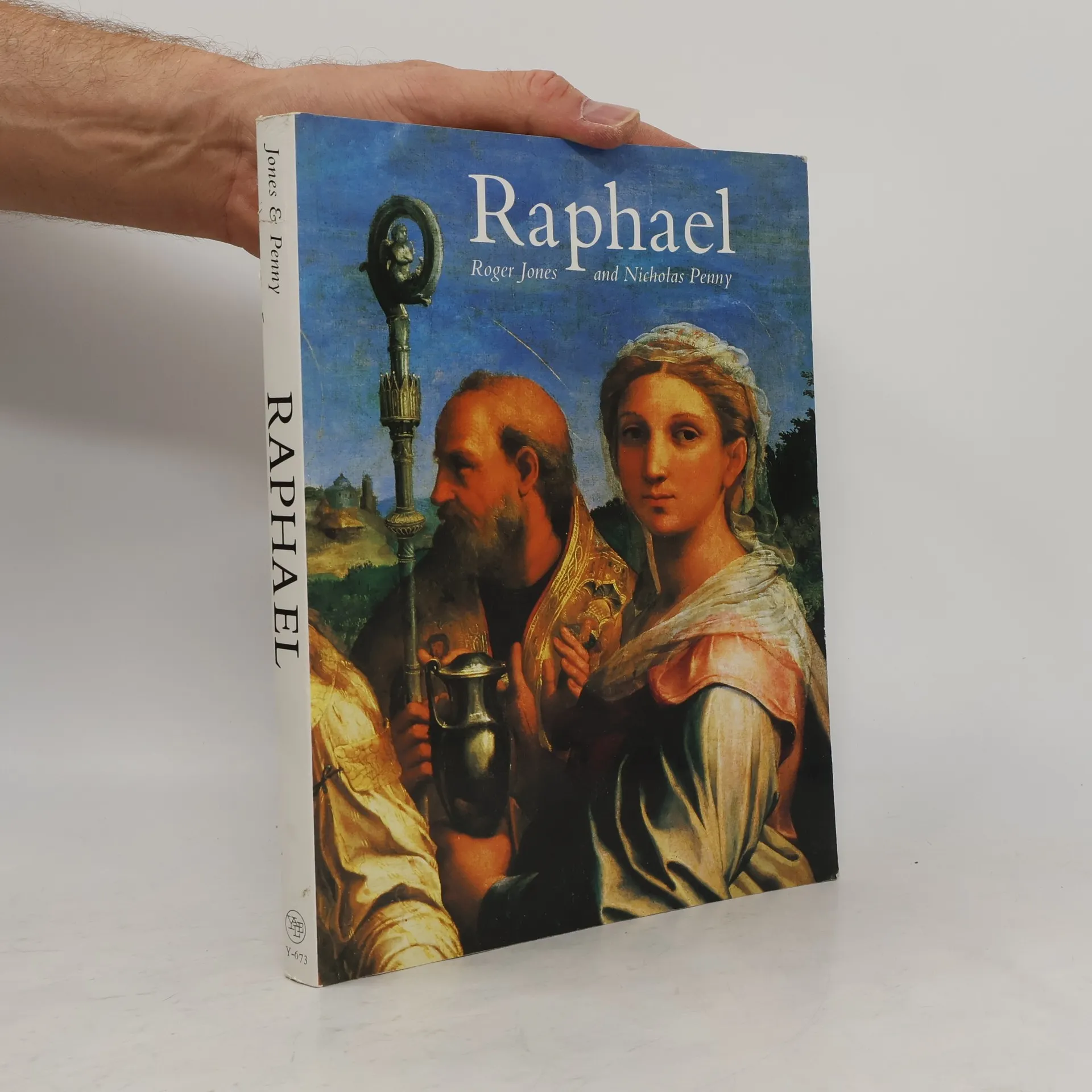
Traces the life and career of the great Renaissance artist, provides a thorough historical background, and discusses the nature of Raphael's genius
. South Bank Centre, bright clean copy, no markings, Professional booksellers since 1981
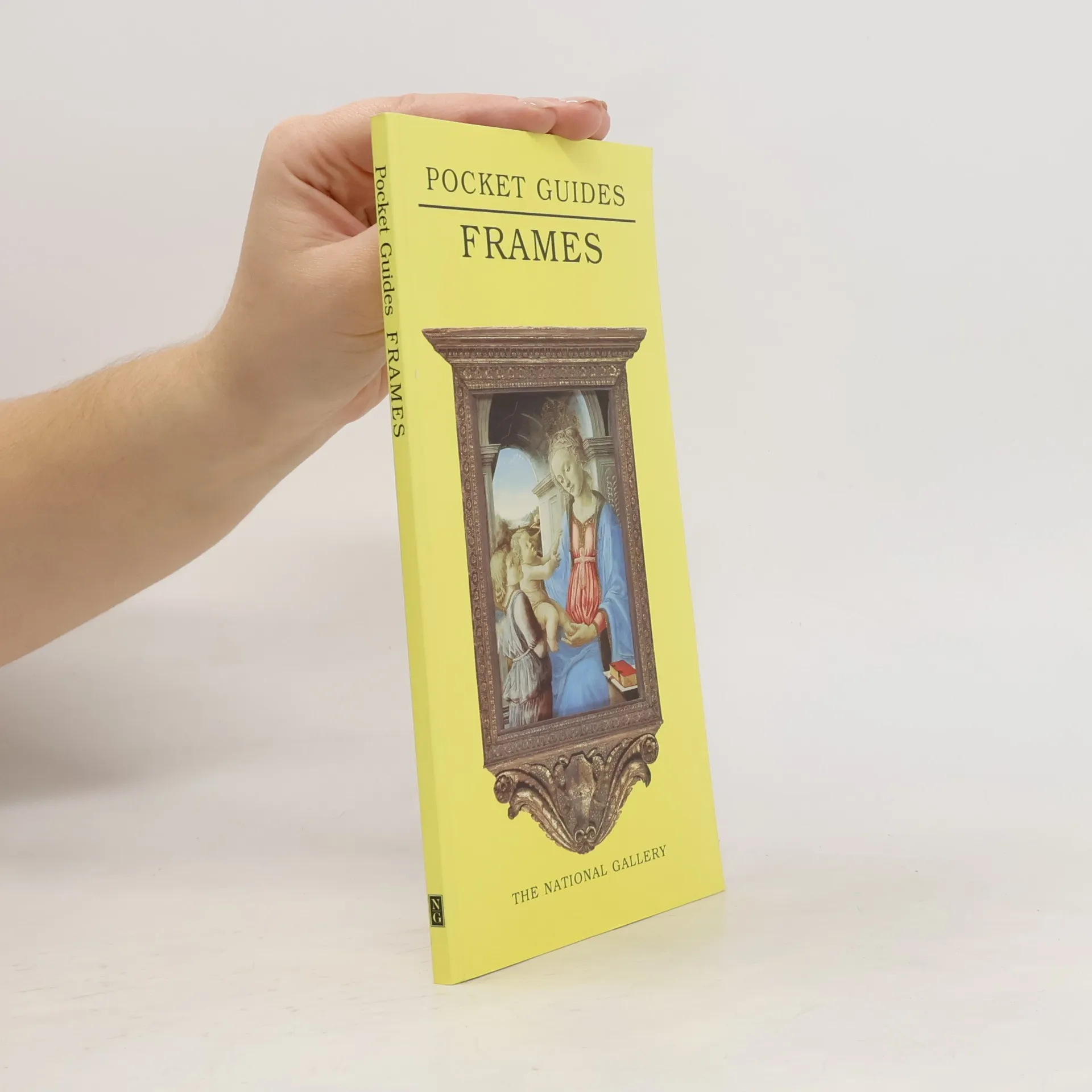
Frames often catch the eye and arouse the curiosity of visitors to galleries and museums, yet labels and catalogues rarely comment on them and introductions are hard to come by.
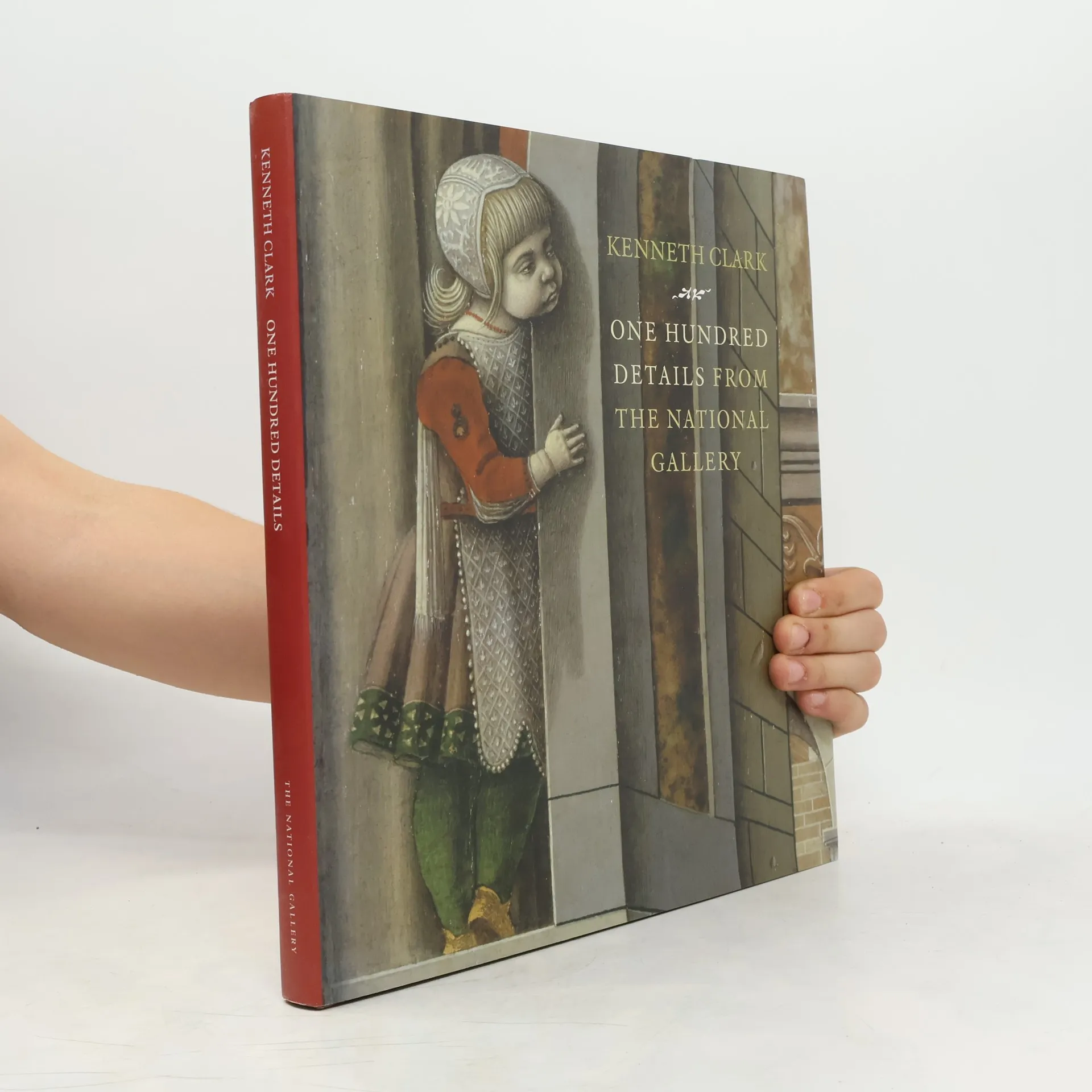
Presents photographic reproductions of details from paintings in the National Gallery, London and commentary on them.
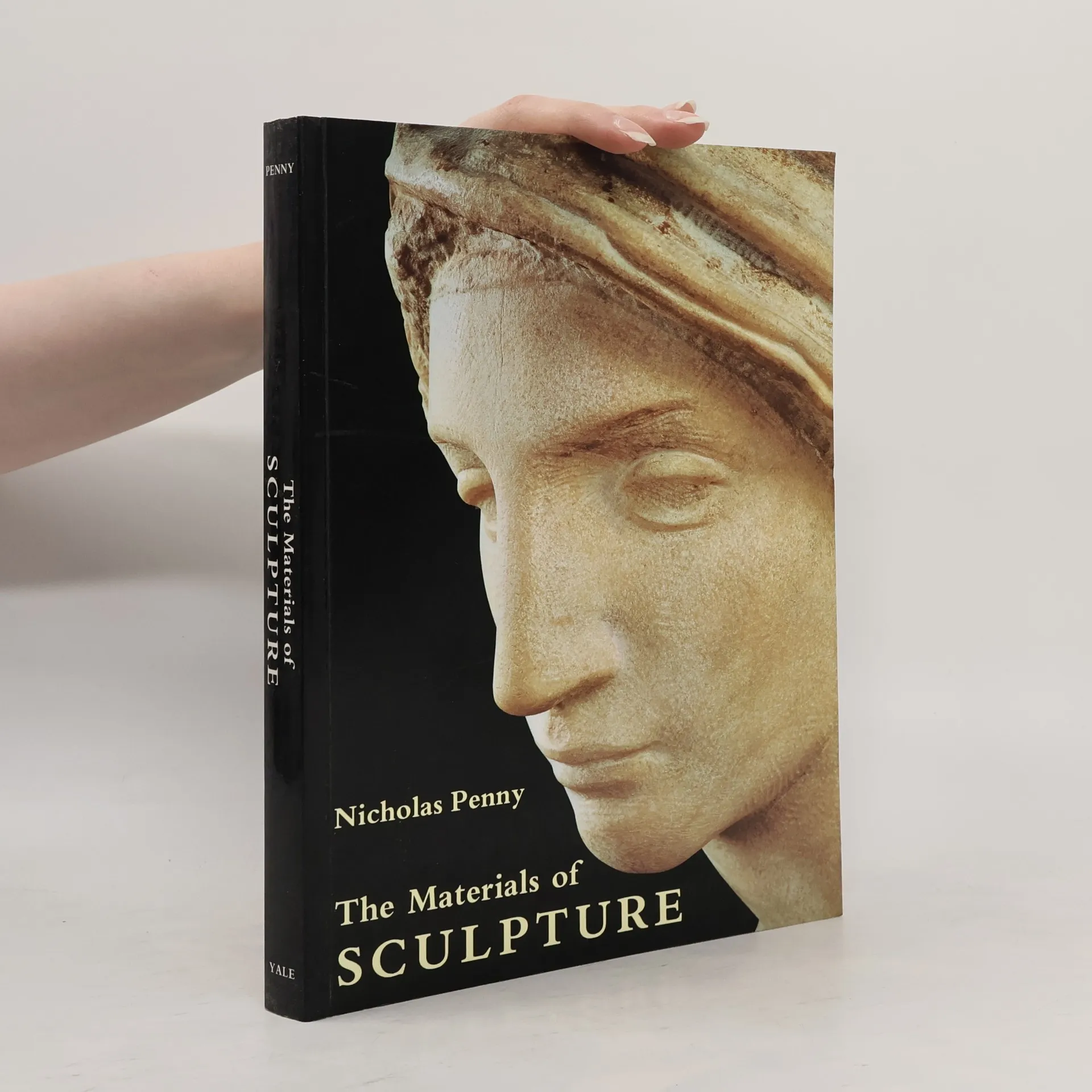
This beautiful book surveys the sculpture of various civilizations, from ancient Egypt, Greece, and China to fifteenth-century Italy, nineteenth-century France, and twentieth-century North America. It introduces the materials used by sculptors, exploring their significance and techniques across different periods and cultures. Beginning with the hardest stones worked with abrasives, it discusses marble, softer stones, and organic materials like wood and ivory. The book also covers plastic materials such as clay, stucco, gesso, and wax, examining both molded and modeled forms, as well as the casting and tooling of metal. Each chapter highlights the specific limitations and challenges of each material, addressing aspects like availability, value, durability, versatility, size, and color. The author considers how artists have transferred techniques between mediums and sought to replicate effects associated with different materials, questioning the traditional notion of the relationship between truth and material in sculptural education. Rich in facts from rare publications and incorporating recent research, the book combines valuable information with thought-provoking insights, making it a welcome resource for sculpture enthusiasts and an essential guide for students.
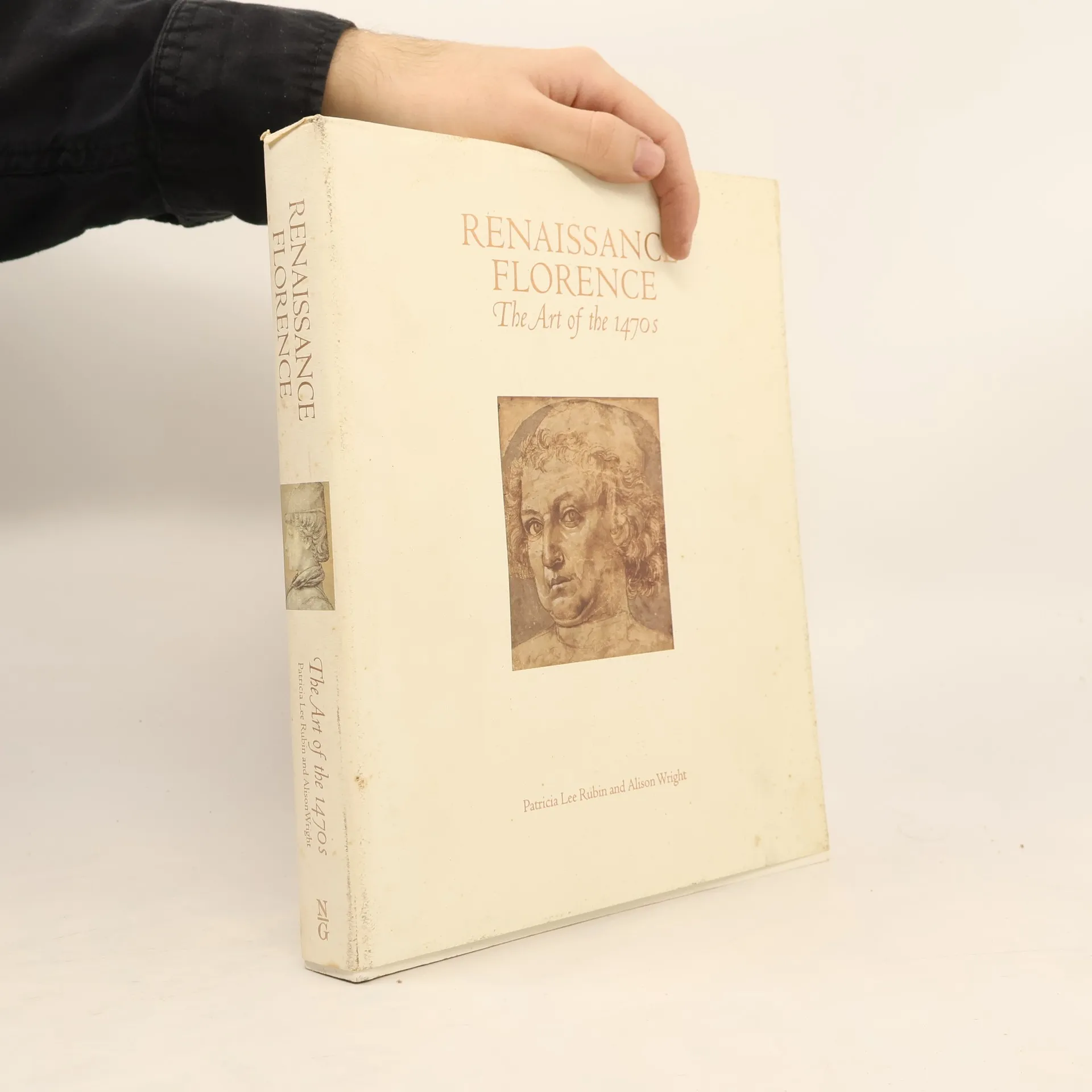
The 1470s - the decade of Lorenzo de'Medici's rise to power - was a remarkable moment in Florence's history. It was a time of intense activity for the city's creative workforce. Beauty had long been an intrinsic part of the city's identity and prestige, and rich and powerful Florentine families saw cultivation of the visual arts as an essential way to assert their influence, commissioning artists and craftsmen to create impressive paintings, objects and monuments to enhance their status." "Published to accompany a major exhibition at the National Gallery, London, this illustrated volume offers an introduction to the principal patrons, projects and artistic personalities within Florence during this period. It concentrates on the activities of the leading artists - Andrea del Verrocchio, Antonio and Piero del Pollaiuolo, Sandro Botticelli, Filippino Lippi and the young Leonardo da Vinci - illustrating their special contributions and highlighting their differences, common sources, ambitions and responses to each other.
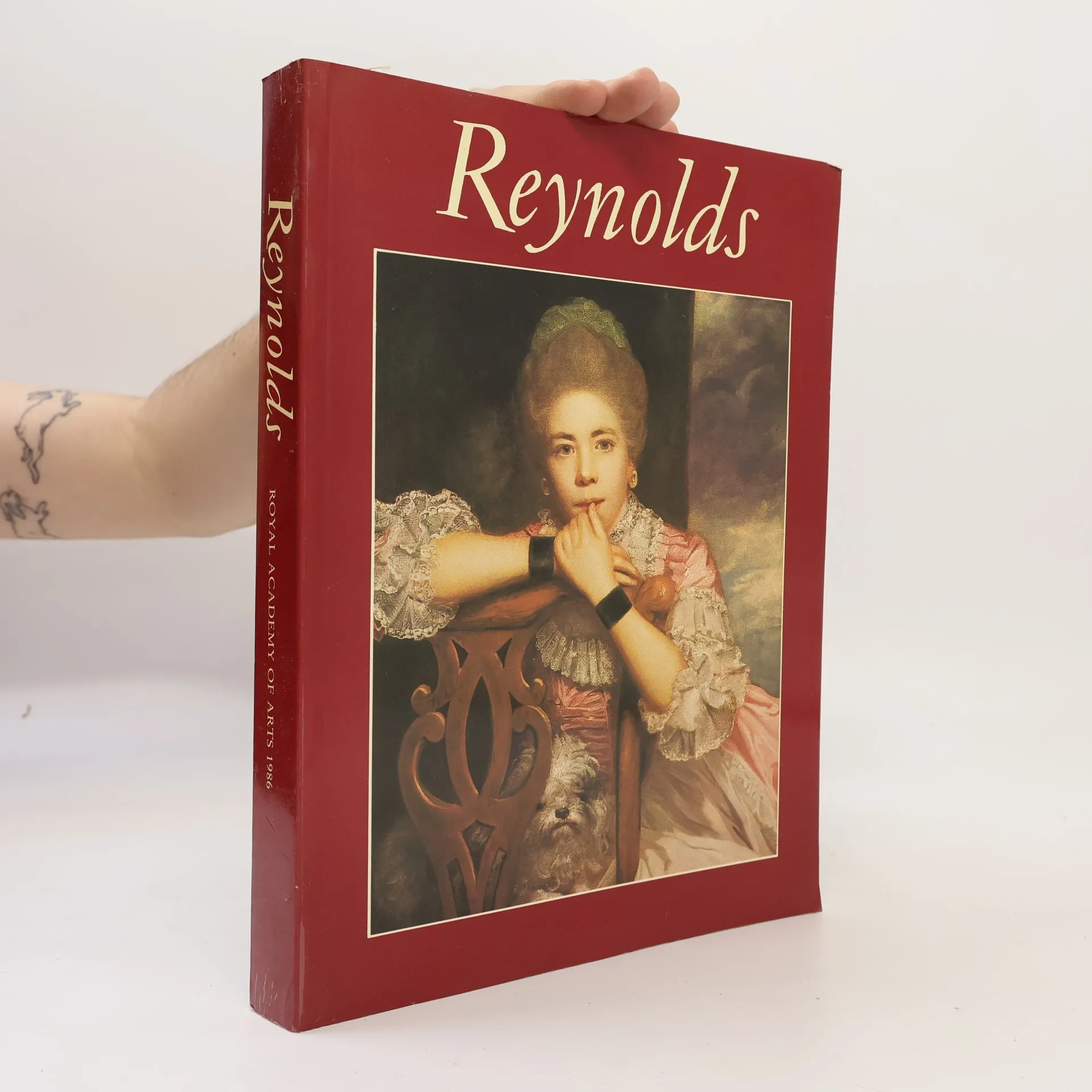
In addition to the paintings, sketches, and personalia of Reynolds, the exhibition included paintings and prints by other artists (after Reynolds' works), and a section of (chiefly anonymous) satirical etchings from late 18th century London.