
Mandala
- 150 stránek
- 6 hodin čtení
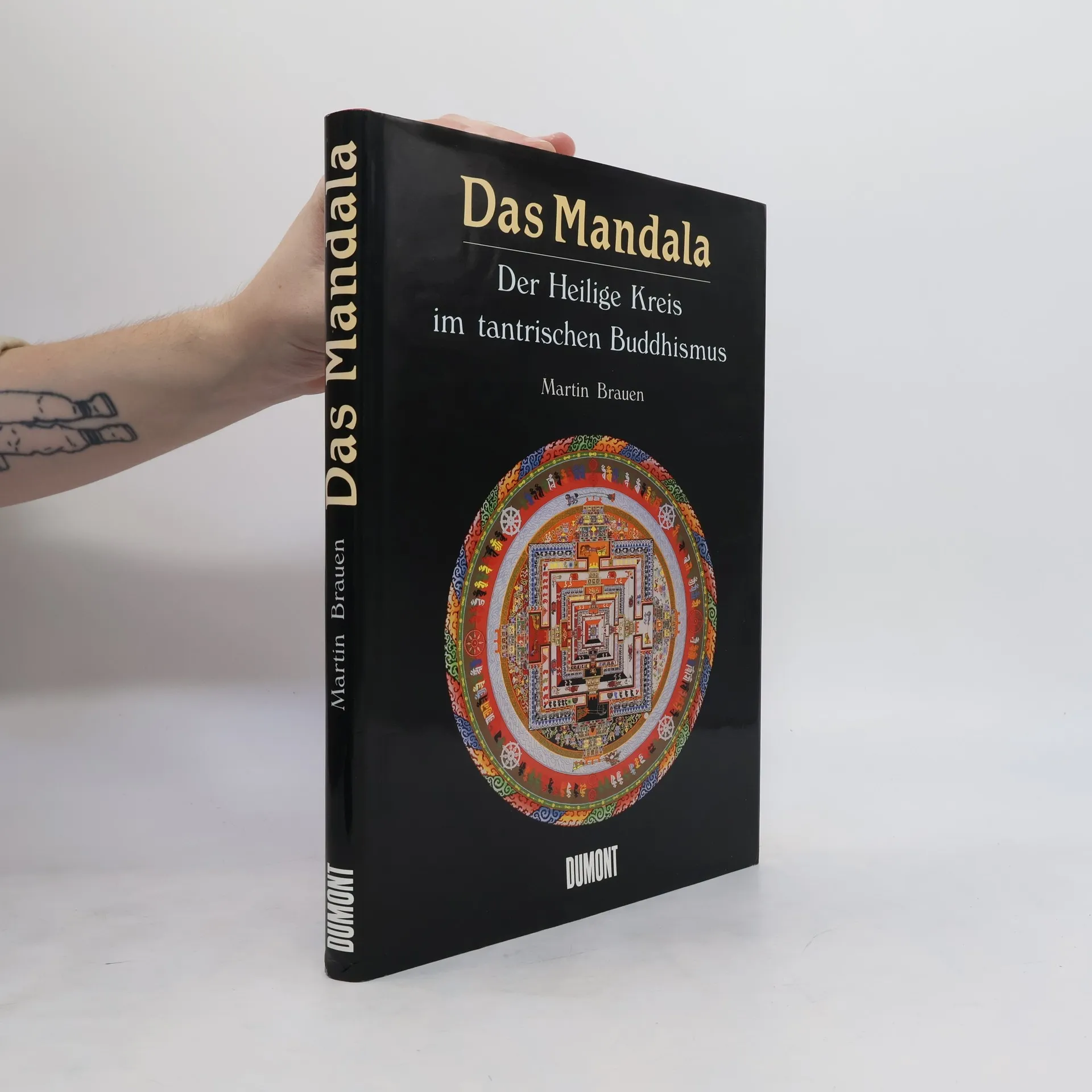
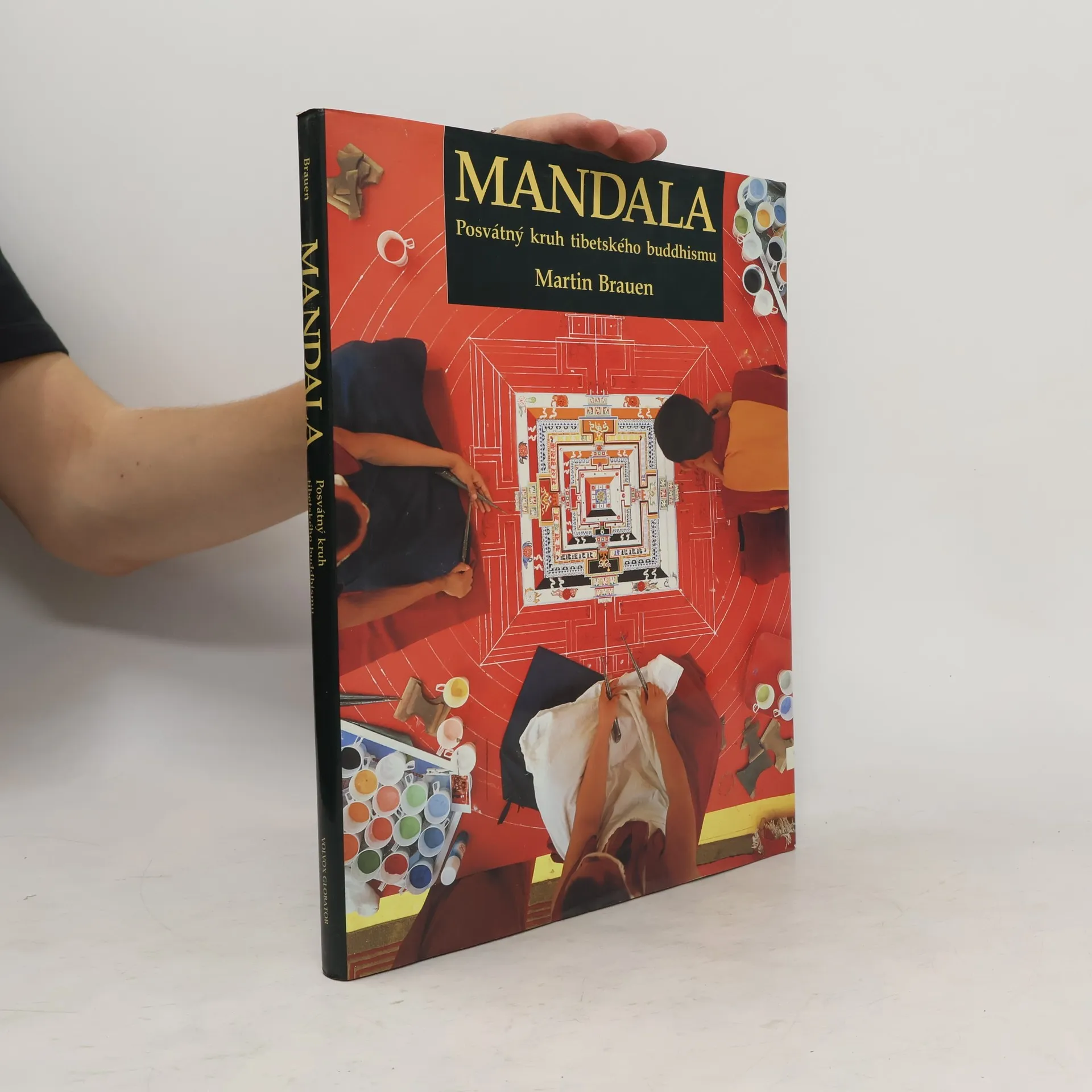
V citlivém a podrobném stylu je popsán svět mandal, které byly dlouho mylně považovány pouze za umělecká díla. Autor se zaměřuje na vztah mezi posvátným učením a meditačními obrazy. Po úvodu do „buddhistické cesty“ jsou vnímání diváka ostřena, aby bylo možné uchopit kulturní a spirituální dimenze mandal. Popisy mandal nabízejí pohledy do buddhistického učení, jako je zobrazení božstva Śrī Hevajra, které stojí na podbožstvech a obklopuje svou partnerku Nairātmā. Třírozměrná lotusová mandala, která v uzavřeném stavu připomíná svícen, skrývá uvnitř malé sošky božstva Hevajra, obklopené osmi velkými siddhy. Vrcholem tohoto umění jsou pískové mandaly, které jsou mnichy vytvářeny během vícedenních ceremonií s barevnými pigmenty. Tyto detailní práce přenášejí do jiného světa, avšak jejich zničení je součástí transformačního procesu. Kniha obsahuje 264 stran s fundovanými texty a velkoformátovými ilustracemi v brilantní barevné kvalitě, které oceňují detailní bohatství mandal. Katalog s 38 vysoce kvalitními objekty z mezinárodních muzeí a řada diagramů a tabulek činí dílo zvlášť srozumitelným a tematizuje jednotu člověka a kosmu.