

Knihobot

Hiroshi Watanabe

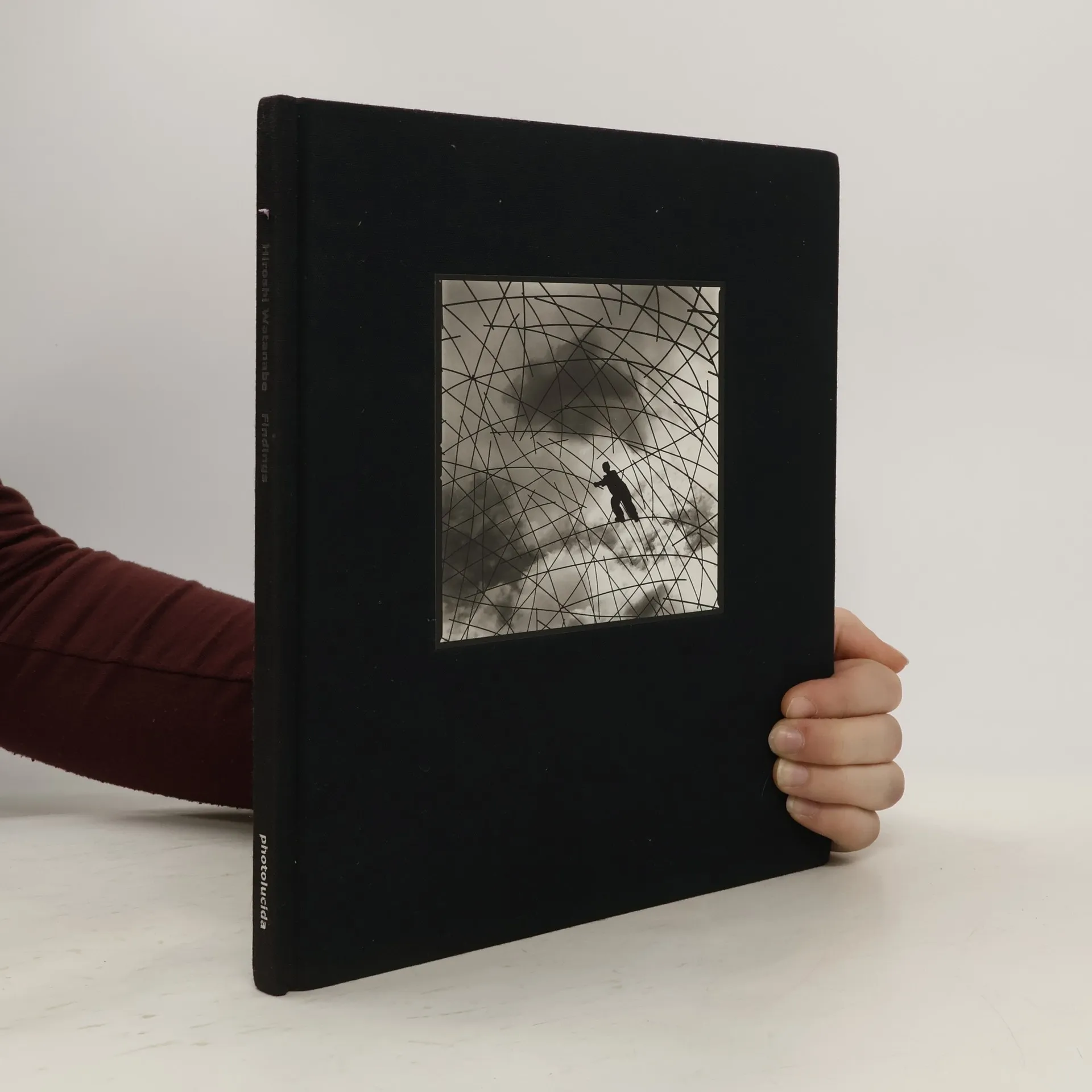
    Findings
    The architecture of Tôkyô
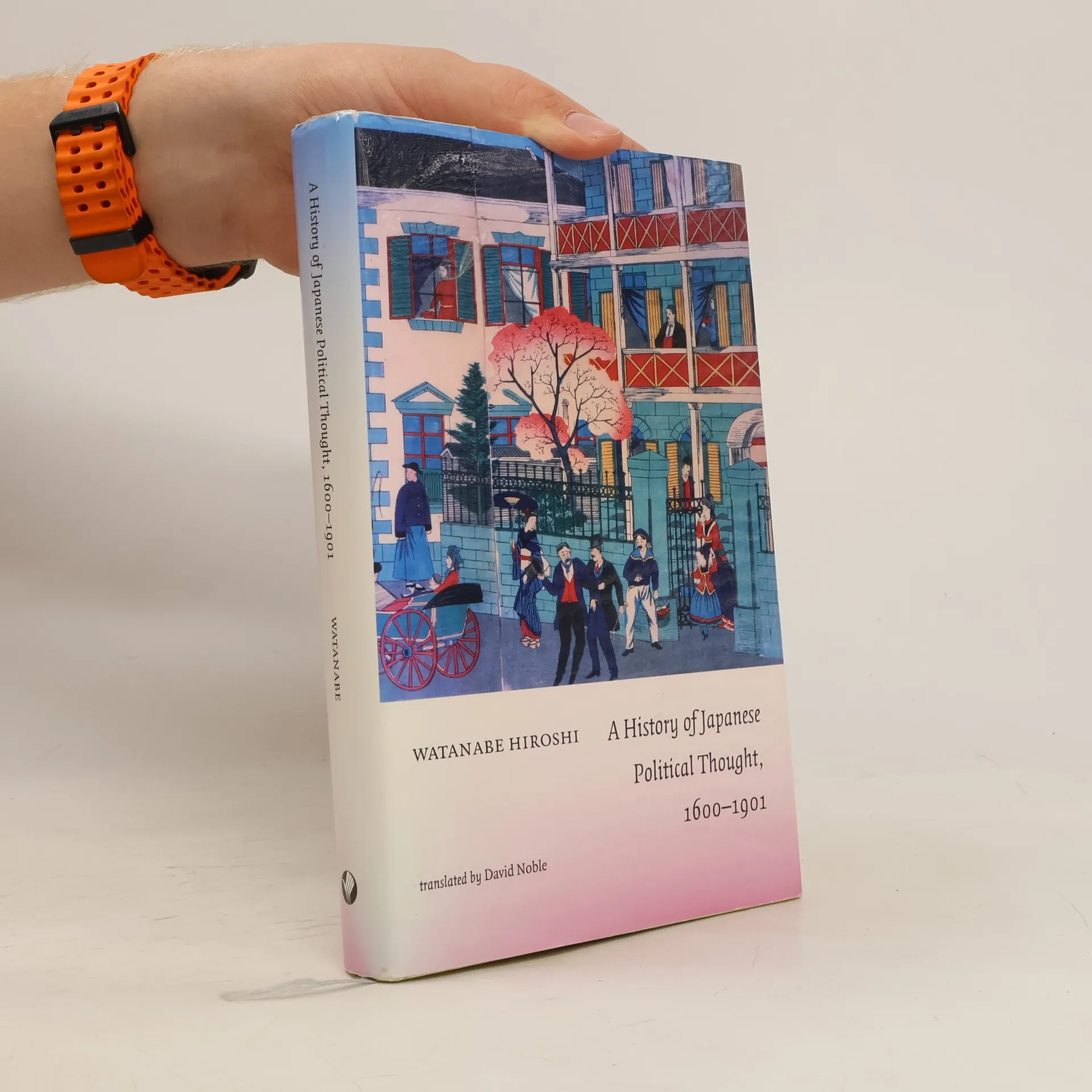
    A History of Japanese Political Thought, 1600-1901
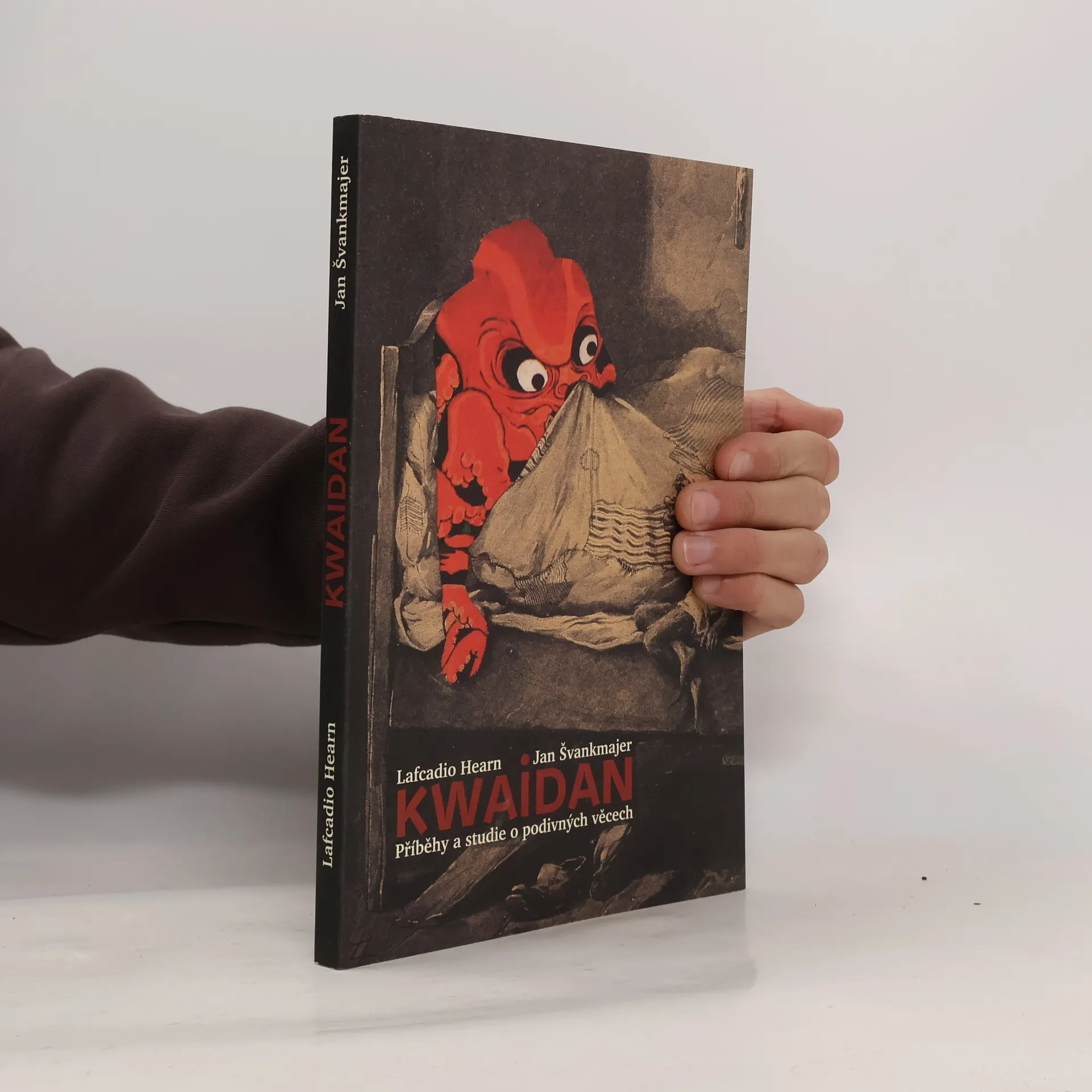
    Kaidan / Japonské příběhy
    • Kaidan / Japonské příběhy

      • 144 stránek
      • 6 hodin čtení
      3,9(3185)Ohodnotit

      Pohled do tajuplného světa japonských strašidel, strašidelných zjevení a rozmanitých duchů, nám ve svém díle přibližují spisovatelé, kteří po celém Japonsku nasbírali, či znovuobjevili podivné příběhy – kaidany, jež se většinou tradovaly z generace na generaci nebo byly zapsány ve starých sbírkách. Lafcadio Hearn (pod pseudonymem Jakumo Koizumi) je jako jeden z mála těchto autorů nejaponského původu, určitě však je jediný, kdo si získal ohromnou oblibu u japonských čtenářů.

      Kaidan / Japonské příběhy
    • In 1853 a flotilla of U.S. Navy warships led by Commodore Matthew C. Perry arrived in Japan. A scant fourteen years later the rule of the Tokugawa shogunate, which had lasted two and a half centuries, was at an end. What lay behind the sudden collapse of samurai rule? Watanabe Hiroshi traces the quiet changes in political thought that culminated in the dramatic events of the Meiji Revolution in 1868. Confucian ideals such as a universal Way and benevolent government under a virtuous ruler possessing the mandate of heaven were taught by successive Japanese Confucians and came to permeate the country, posing an implicit threat to military rule. Over time the development of a national consciousness, the rising prestige of the imperial court in Kyoto, and increased knowledge of the Western world created the conditions for a national debate over opening up to the West and for radical political change.

      A History of Japanese Political Thought, 1600-1901
    • The architecture of Tôkyô

      • 272 stránek
      • 10 hodin čtení

      This is the first guide to introduce nearly 500 buildings of this region.

      The architecture of Tôkyô
    • Findings

      • 64 stránek
      • 3 hodiny čtení

      Watanabes work is like a contemplative behavior that focuses on the breath so that the moment is fully free to emerge. So that the instant is lived as completely as it can be, Watanabe stays open for all the elements of discovery... the dried leaves in the foreground before the names of the dead. These are the illuminations of his pictures. Anthony Bannon, Director, George Eastman House, Rochester, NY

      Findings