

Franz Anton Maulbertsch, an Austrian fresco painter celebrated for his vibrant color palette, has largely been overlooked in mainstream art history despite his significance in Central Europe. In "Painterly Enlightenment," Thomas DaCosta Kaufmann presents the first extensive English-language examination of Maulbertsch, illuminating the artist's contributions and exploring his unique place within the broader artistic landscape of his time. This study seeks to reestablish Maulbertsch's legacy and importance in the context of the Enlightenment.
Thomas DaCosta Kaufmann Pořadí knih (chronologicky)
7. květen 1948

(Ost-)Mitteleuropa als Kunstgeschichtsregion?
- 44 stránek
- 2 hodiny čtení
Toward a Geography of Art
- 504 stránek
- 18 hodin čtení
Focusing on the complexities of art's geographical context, this book explores how political borders and cultural exchanges shape artistic identity. Through a series of essays, it examines the early modern period in Europe, Latin America, and Asia, addressing issues like transculturation, mestizaje, and artistic diffusion. The author presents a historical overview alongside case studies, challenging conventional narratives in art history and establishing a foundational understanding of the geography of art as a critical subject.
Art and architecture in Central Europe 1550 - 1620
- 224 stránek
- 8 hodin čtení
This bibliography provides an overview of previous scholarship on the history of art and architecture in Central Europe during te period 1550-1620. Arranging material by region, it offers a general orientation, as well as pointing out little-known contributions.
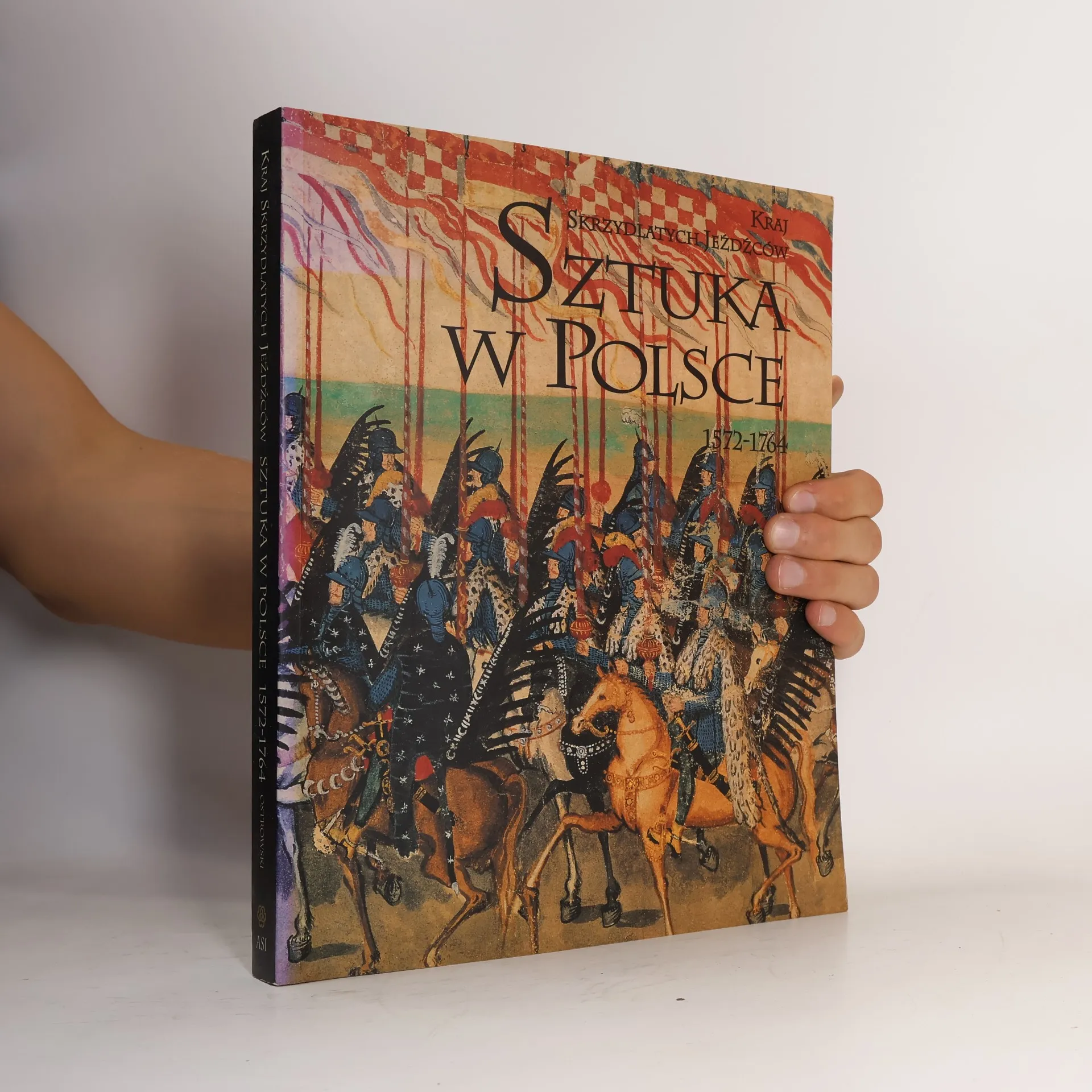
Sztuka w Polsce
1572-1764
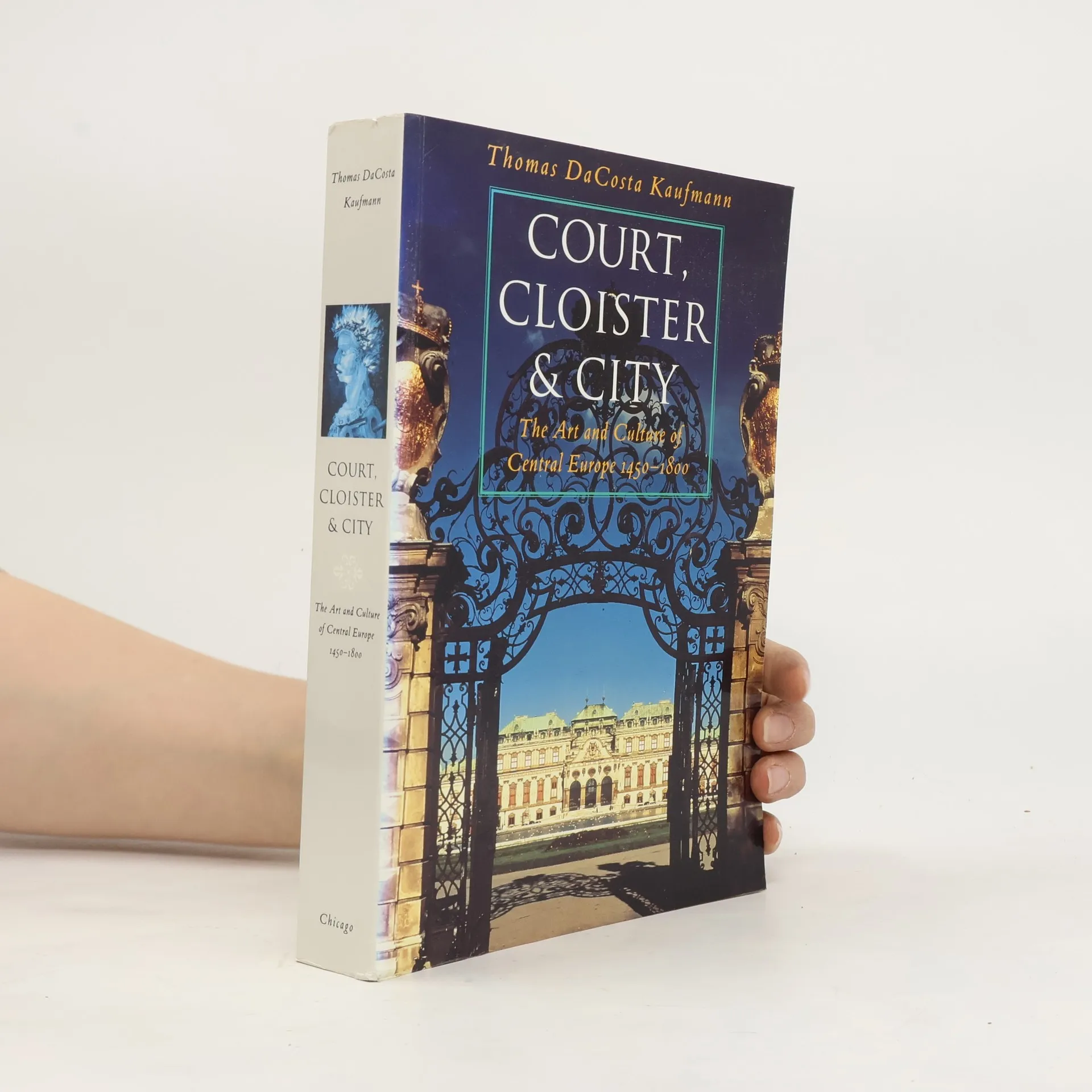
The collapse of Communism in Central and Eastern Europe opened the doors to cultural treasures that for decades had been hidden, forgotten, or misinterpreted. Thomas DaCosta Kaufmann looks at Central Europe as a cultural entity while chronicling more than three hundred years of painting, sculpture, and architecture in Germany, Poland, the Czech Republic, Slovakia, Hungary, Austria, Ukraine, Lithuania and western parts of the Russian Federation. Kaufmann surveys a remarkable range of art and artifacts created from the coming of the Renaissance through to the Enlightenment."Kaufmann throws considerable light on one of the more neglected and least understood periods in art history."— Philadelphia Inquirer"A wonderful book which does justice both to a formal analysis of the art and to an explanation of broader political and economic forces at work."— Virginia Quarterly Review"Important and stimulating, Kaufmann's study examines the cultural legacy of a region too little known and understood."— Choice"Peaks of the creative heritage which [Kaufmann] describes reserve their message—and their surprises—for those who visit them in situ. But invest in Kaufmann's volume before you go."—R. J. W. Evans, New York Review of Books