The Holocaust
- 388 stránek
- 14 hodin čtení
11.3. Word Leaks: From the Ghettos to the Allies


11.3. Word Leaks: From the Ghettos to the Allies
This book explores the fates of seven of Hitler's associates imprisoned at Spandau Prison after the Nuremberg Trials. It delves into the Cold War tensions surrounding their imprisonment, revealing how their presence influenced international relations and involved various global figures, using newly uncovered records from multiple countries.
This book, stemming from the 1998 Nazi War Crimes Disclosure Act, explores US intelligence agencies' insights into Nazi crimes and their involvement in the Holocaust. It highlights corporate profiteering from Jewish property expropriation and uncovers Cold War ties between the US and former Nazi officers, offering a unique view of intelligence operations.
This collection of essays presents newly uncovered evidence regarding war crimes and the activities of war criminals during and after World War II, based on recently released CIA and Army records. Key topics include insights into major Nazi figures, their connections to the Middle East, and the roles of former Gestapo officers. Additionally, it explores the involvement of Allied intelligence with right-wing politics and Ukrainian nationalists. Originally published by the National Archives, this volume sheds light on complex historical narratives and postwar ramifications.
For many years, histories of the Holocaust focused on its perpetrators, and only recently have more scholars begun to consider in detail the experiences of victims and survivors, as well as the documents they left behind. This volume contains new research from internationally established scholars. It provides an introduction to and overview of Jewish narratives of the Holocaust. The essays include new considerations of sources ranging from diaries and oral testimony to the hidden Oyneg Shabbes archive of the Warsaw Ghetto; arguments regarding Jewish narratives and how they fit into the larger fields of Holocaust and Genocide studies; and new assessments of Jewish responses to mass murder ranging from ghetto leadership to resistance and memory.-- Provided by Publisher
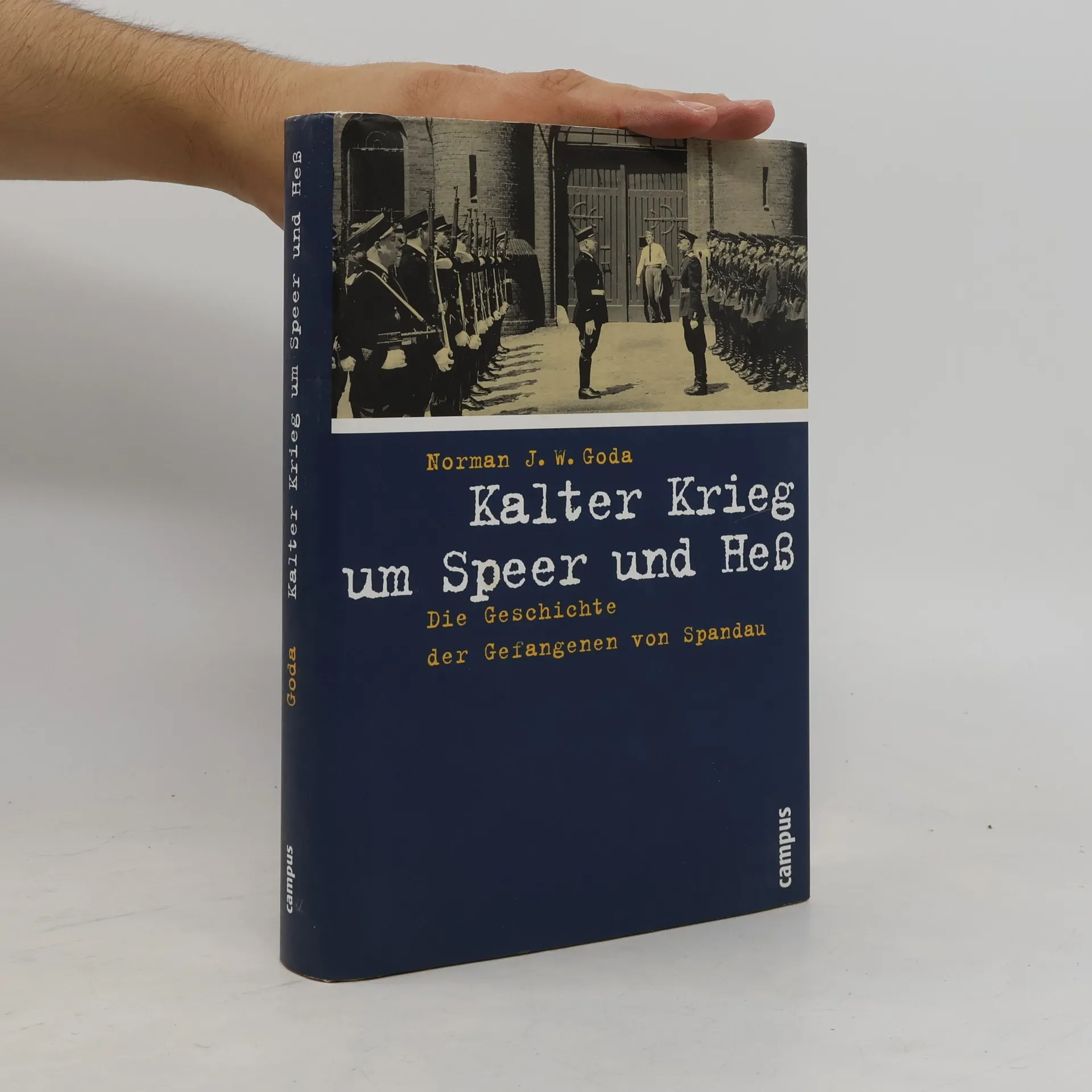
Albert Speer, Rudolf Heß und fünf weitere hohe Vertreter des Dritten Reichs* wurden in den Nürnberger Prozessen zu langjährigen Haftstrafen verurteilt. Doch was sollte mit ihnen geschehen? Norman Goda schildert, wie sich die vier Siegermächte in harten, bereits vom Kalten Krieg geprägten Verhandlungen auf einen Ort für das Gefängnis und auf strenge Haftregelungen einigten. Während die Vertreter der Sowjetunion die NS-Verbrecher möglichst hart bestrafen wollten, wünschten die westlichen Mächte eine mildere Behandlung. Spannend zu lesen ist, mit welchen Maßnahmen verhindert werden sollte, dass die Gefangenen zu Märtyrern stilisiert wurden. Goda macht deutlich, wie sehr die Sowjets von der Angst getrieben waren, der Nationalsozialismus in Deutschland könne wieder erstarken. Und das Ende? Nach dem Tod von Rudolf Heß 1987 wurde das Spandauer Gefängnis dem Erdboden gleichgemacht – kein Bruchstück eines Steins blieb übrig, um alten und neuen Nazis als Reliquie zu dienen.