

Knihobot

Bryan Sykes

    Bryan Sykes is a professor of genetics at Oxford University. His work explores the fascinating intersections of genetics, history, and human origins, offering readers a unique perspective on our ancestral past. He is the author of a national bestseller that delves into the deep lineage of humanity.

    Darwins Hund
    Adam's Curse
    Blood of the Isles
    Saxons, Vikings, and Celts
    The Seven Daughters of Eve: The Science That Reveals Our Genetic Ancestry
    Once a Wolf
    • Once a Wolf

      • 304 stránek
      • 11 hodin čtení

      The author of Seven Daughters of Eve returns with a lively account of how all dogs are descended from a mere handful of wolves. How did wolves evolve into dogs? When did this happen, and what role did humans play? Oxford geneticist Bryan Sykes used the full array of modern technology to explore the canine genetic journey that likely began when a human child decided to adopt a wolf cub thousands of years ago. In the process, he discovered that only a handful of genes have created the huge range of shapes, sizes, and colors in modern dogs. Providing scientific insight into these adaptive stages, Sykes focuses attention on our own species, and how our own evolution from (perhaps equally aggressive) primates was enhanced by this most unlikely ally. Whether examining our obsession with canine purity, or delving into the prehistoric past to answer the most fundamental question of all, “Why do we love our dog so much?,” Once a Wolf is an engaging work no dog lover or ancestry aficionado should be without.

      Once a Wolf2020
      4,5
    • Der alltägliche Anblick eines Menschen mit seinem Hund ist erstaunlich: ein hochentwickelter Primat und ein wilder Fleischfresser, deren Vorfahren einst Feinde waren, leben harmonisch zusammen. Bryan Sykes untersucht die enge Beziehung zwischen Mensch und Hund und zeigt, dass unser Überleben und unsere Vormachtstellung auch dieser Spezies zu verdanken sind. Warum haben wir eine solch besondere Verbindung zu einem Wesen, das zunächst ungeeignet erscheint? Sykes erklärt, dass alle modernen Hunderassen, von der Deutschen Dogge bis zum Chihuahua, vom Wolf abstammen und beleuchtet die gemeinsame Entwicklung von Mensch und Hund. Vor Zehntausenden Jahren, als Homo sapiens und Wolf zusammen jagten, entstand eine erfolgreiche Partnerschaft, die entscheidend für beide Arten war. Sykes verfolgt die genetische Entwicklung bis zur Domestizierung und modernen Züchtung und zeigt, wie der Mensch seine dominante Rolle erlangte. Neben der Kontrolle über Feuer, der Entwicklung von Sprache und dem Ackerbau war die Verwandlung des Wolfs zum ultimativen Gefährten ein wesentlicher Faktor. Sykes vermittelt seine Erkenntnisse mit der geduldigen Klarheit eines guten Lehrers.

      Darwins Hund2019
      4,0
    • Blood of the Isles

      • 386 stránek
      • 14 hodin čtení

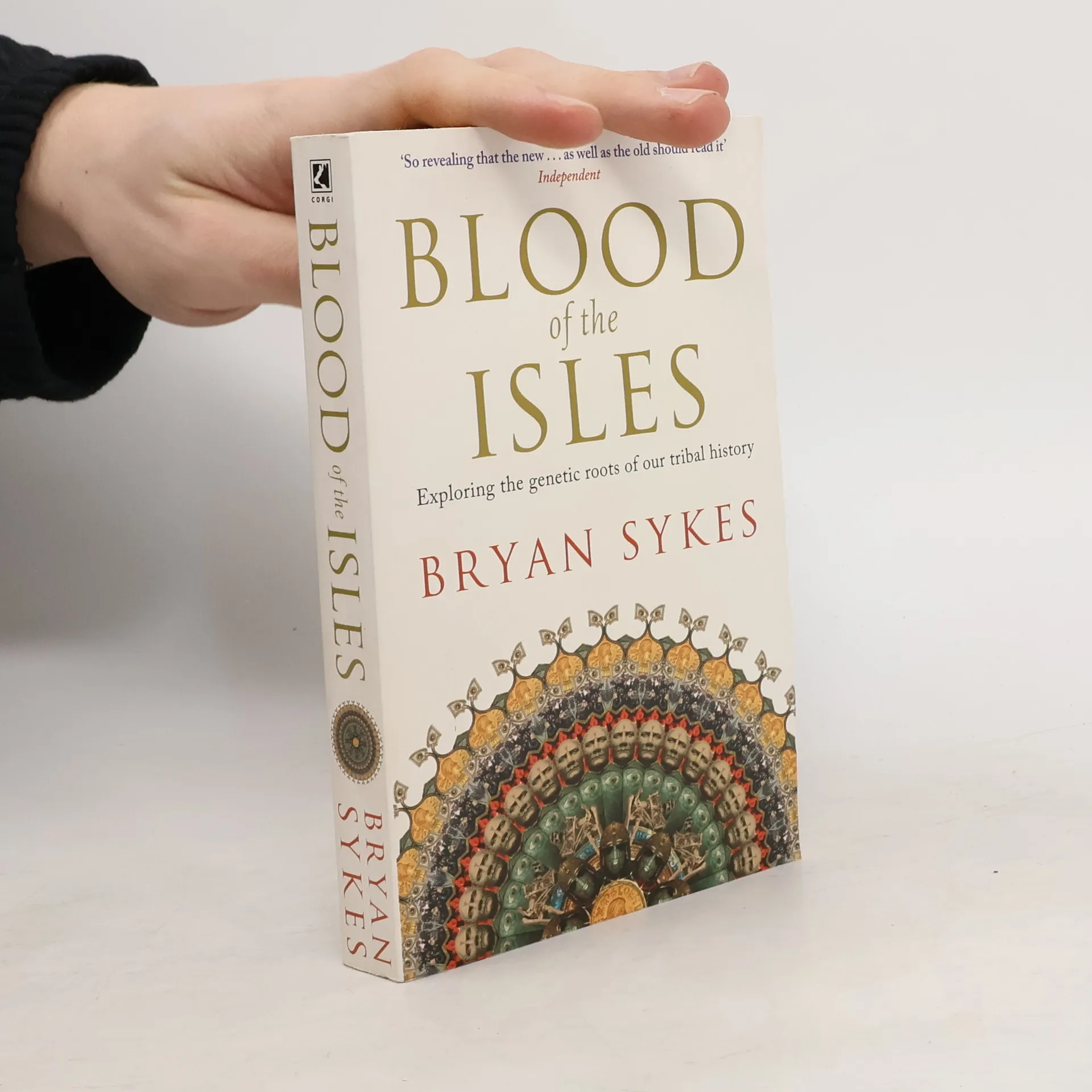
      In 54 B.C. Julius Caesar launched the Roman invasion of Britain. His was the first detailed account of the Celtic tribes that inhabited the Isles. But where had they come from and how long had they been there? When the Romans eventually left five hundred years later, they were succeeded by Anglo-Saxons, Vikings and Normans. Did these successive invasions obliterate the genetic legacy of the Celts, or did they have very little effect? After two decades tracing the genetic origins of peoples from all over the world, Bryan Sykes has now turned the spotlight on his own back yard. In a major research programme, the first of its kind, he and his team at Oxford University set out to test the DNA of over ten thousand volunteers from across Britain and Ireland with the specific aim of answering this very question: what is our modern genetic make-up and what does it tell us of our tribal past? Where are today¿s Celtic genes? Did Vikings only rape and pillage, or did they settle with their families? And what of the genetic legacy of the Saxons and the Normans? Are the modern people of the Isles a delicious genetic cocktail? Or did the invaders keep mostly to themselves, forming separate genetic layers within the Isles? And where do you fit in? - BOOK JACKET.

      Blood of the Isles2007
    • Saxons, Vikings, and Celts

      • 320 stránek
      • 12 hodin čtení

      From the best-selling author of The Seven Daughters of Eve, a perfect book for anyone interested in the genetic history of Britain, Ireland, and America. One of the world's leading geneticists, Bryan Sykes has helped thousands find their ancestry in the British Isles. Saxons, Vikings, and Celts, which resulted from a systematic ten-year DNA survey of more than 10,000 volunteers, traces the true genetic makeup of the British Isles and its descendants, taking readers from the Pontnewydd cave in North Wales to the resting place of the Red Lady of Paviland and the tomb of King Arthur. This illuminating guide provides a much-needed introduction to the genetic history of the people of the British Isles and their descendants throughout the world.

      Saxons, Vikings, and Celts2006
      3,8
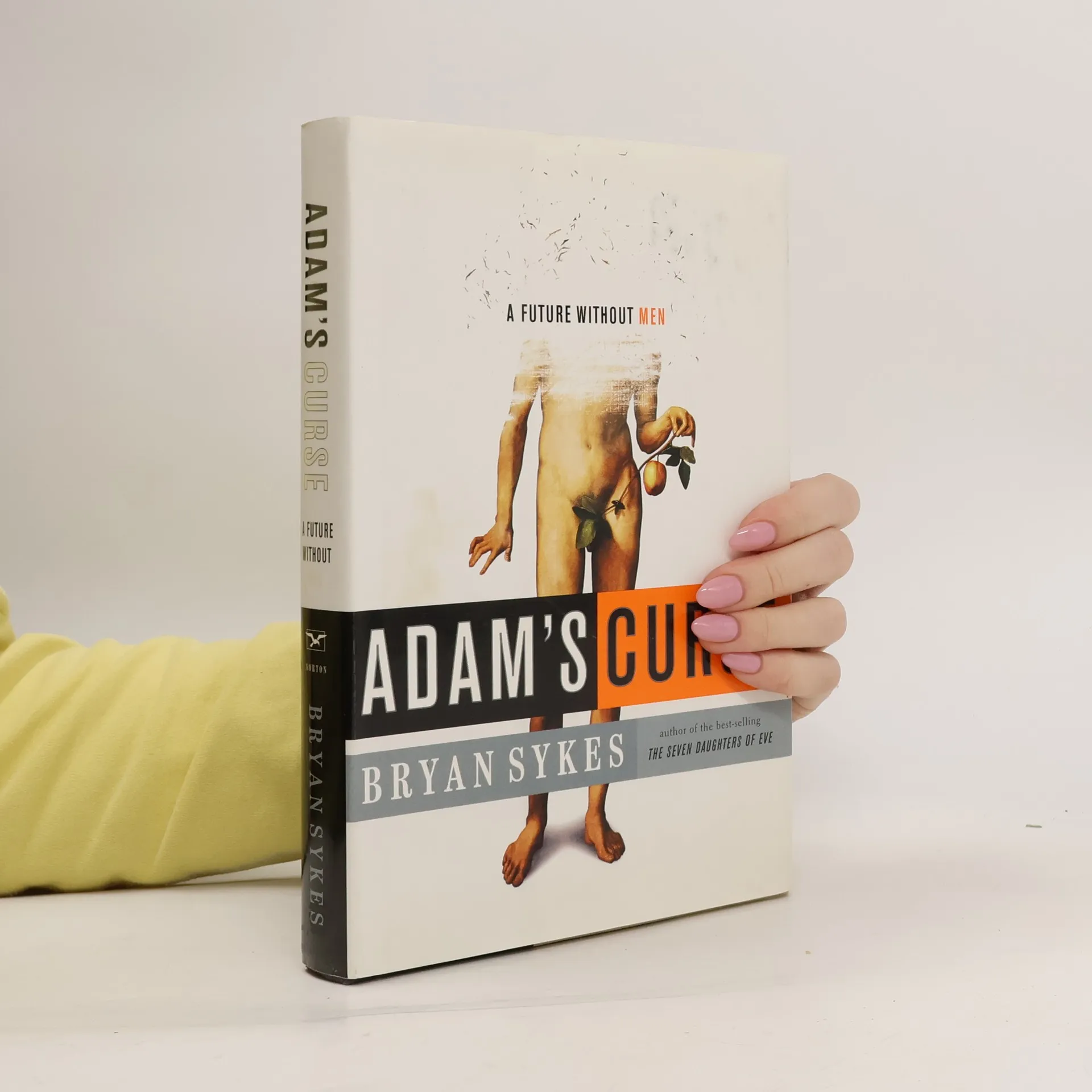
    • Adam's Curse

      A Future Without Men

      • 336 stránek
      • 12 hodin čtení

      Examines the history and future of the Y chromosome and maintains that because it is unable to exchange genetic material or repair itself, the day will come when it will cease to exist.

      Adam's Curse2004
    • Le Livre Poche: Les sept filles d'Ève

      • 344 stránek
      • 13 hodin čtení

      Bryan Sykes, scientifique mondialement connu pour ses recherches sur l'ADN et professeur de génétique à l'Université d'Oxford, nous fait partager, avec clarté et humour, une extraordinaire découverte. Déjà célèbre pour son identification de l'Homme des Glaces et des Romanov, il nous révèle ici que nous descendons tous de sept femmes de la Préhistoire. Voulez-vous savoir qui est notre lointaine ancêtre Héléna, la Pyrénéenne ; Yasmine, la Syrienne ; Katrine, la Vénitienne ; Tara, la Toscane d'Europe du Nord ; Ursula, la nomade ; Velda, l'Espagnole de Finlande ; ou bien Xénia, la Caucasienne ? Cet ouvrage, qui repose sur des recherches scientifiques du plus haut niveau, nous montre comment le patrimoine génétique de chacun d'entre nous s'est transmis au cours des âges, sans altération majeure, par la lignée maternelle. Au-delà de ce jeu de piste fascinant et de cette invitation à retrouver la trace de nos origines, Les Sept Filles d'Eve révolutionne de façon radicale l'histoire des migrations humaines et notre conception de la Préhistoire, ouvrant ainsi des perspectives immenses à la science de demain

      Le Livre Poche: Les sept filles d'Ève2003
    • Der Ausgang des Geschlechterkampfes war offen. Zumindest bislang. Keine der beiden Seiten, weder Frauen noch Männer, konnte eindeutig eine Vormachtstellung für sich erobern, auch wenn die männliche Seite über die letzten Jahrhunderte mit zahlreichen antifeministischen Aktionen eine solche für sich zu erlangen suchte: durch Promiskuität, Bevorzugung männlicher Nachkommenschaft, wirtschaftliche und soziale Dominanz, Patriarchat, Bevölkerungsprogramme wie in Indien oder China. Diese männlichen Erfolge der Vergangenheit sind allesamt Pyrrhus-Siege. Denn das X-Chromosom der Frauen hat im Gegensatz zum Y-Chromosom der Männer die Gen-Technik auf seiner Seite. Mit deren Hilfe sieht die Zukunft weiblich aus und die der Männer hat sich erübrigt, denn sie werden nicht mehr gebraucht. Damit entscheiden die Frauen in einer nicht vorgesehenen Wendung den Kampf der Geschlechter zu ihren Gunsten. Wird es in Zukunft nur noch ein Geschlecht geben? Der neue Band von Bryan Sykes Spezies Mann ist ein provokatives Thesenbuch, in dem der Autor, Professor für Gentechnik an der Universität Oxford, ein brisantes sozialpolitisches Thema aufgreift und mögliche Folgen der modernen Gen-Technik aus einem Blickwinkel schildert, wie sie so bislang noch nicht gesehen wurden.

      Keine Zukunft für Adam2003
      4,0
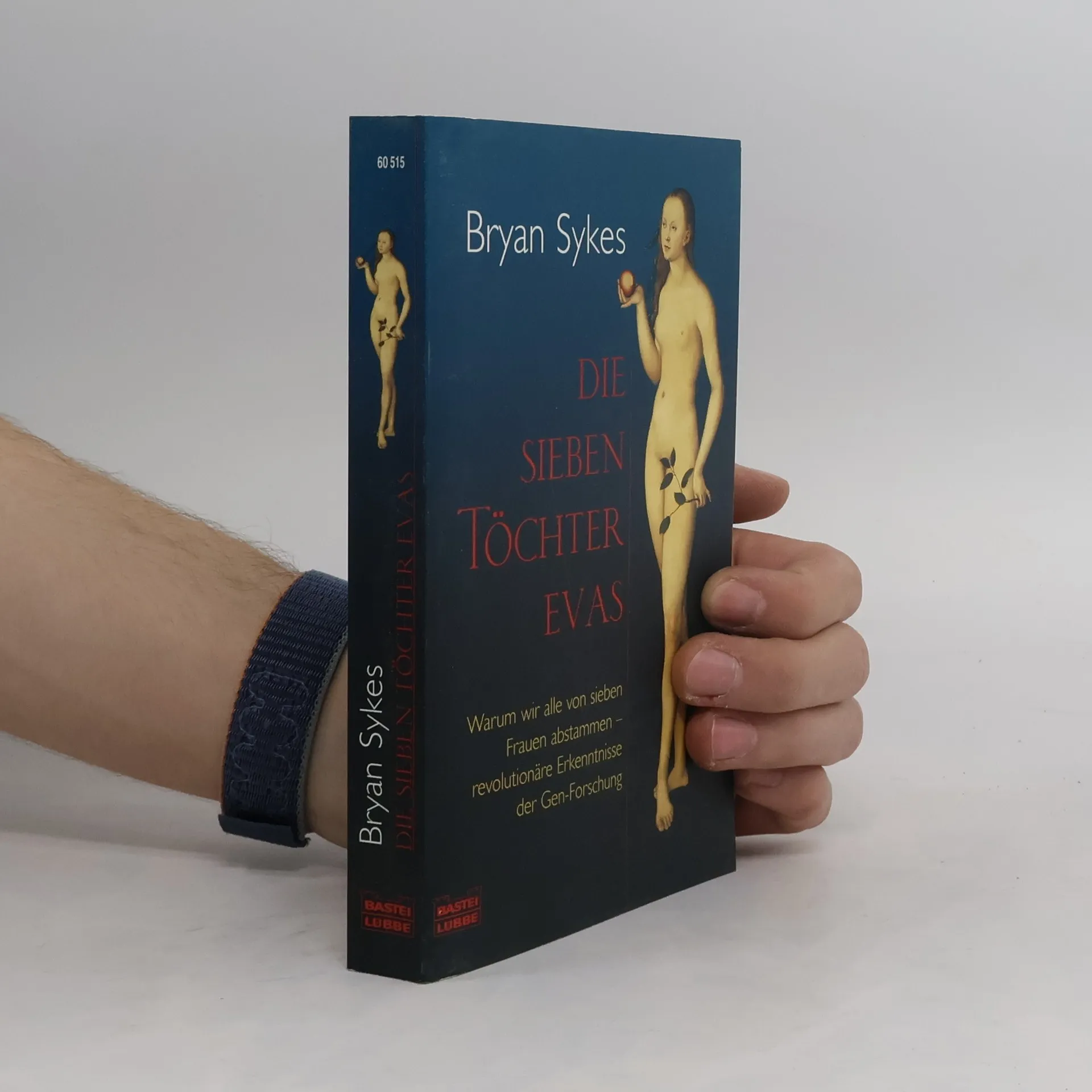
    • Die menschliche DNA-Struktur ist entschlüsselt, was es ermöglicht, die genetische Anlage jedes Menschen über Zehntausende von Jahren zurückzuverfolgen. Die Erbinformationen werden unverfälscht von Müttern weitergegeben. Bei der Analyse der DNA von 6000 in Europa geborenen Menschen entdeckte Bryan Sykes, Professor am Institut für Molekularmedizin der Universität Oxford, dass bestimmte Muster der mitochondrialen DNA immer wieder auftreten. Insgesamt lassen sich 90 Prozent aller Europäer auf sieben Frauen und ihre Stämme zurückführen. Diese sieben Töchter Evas tragen die Namen Ursula, Xenia, Helena, Velda, Tara, Katrin und Jasmin. Sykes fragt, was es für uns bedeutet, von einer dieser Frauen abzustammen, und warum wir uns zu bestimmten Personen hingezogen fühlen. Er stellt die Hypothese auf, dass unsere Gene eine Rolle spielen und wir instinktiv genetische Verwandtschaft spüren. Diese Erkenntnisse werfen Fragen auf über unsere Identität und die Verbindung zu unseren Vorfahren. Jeder von uns kann herausfinden, von welchem Stamm er abstammt und welche Wanderungsbewegungen unsere Vorfahren unternommen haben.

      Die sieben Töchter Evas2001
      4,2