David Berlinski se zabývá komplexními otázkami vědy a filozofie. Jeho práce, které se objevily v předních publikacích, zkoumají původ mysli a povahu existence. Berlinskiho analytický přístup, formovaný studiem matematiky a filozofie, proniká do složitých témat s hlubokou intelektuální zvídavostí. Jeho mnohostranné zájmy zahrnují jak vědecké spekulace, tak tvůrčí psaní, což čtenářům nabízí jedinečné spojení rigorózního myšlení a literárního talentu.
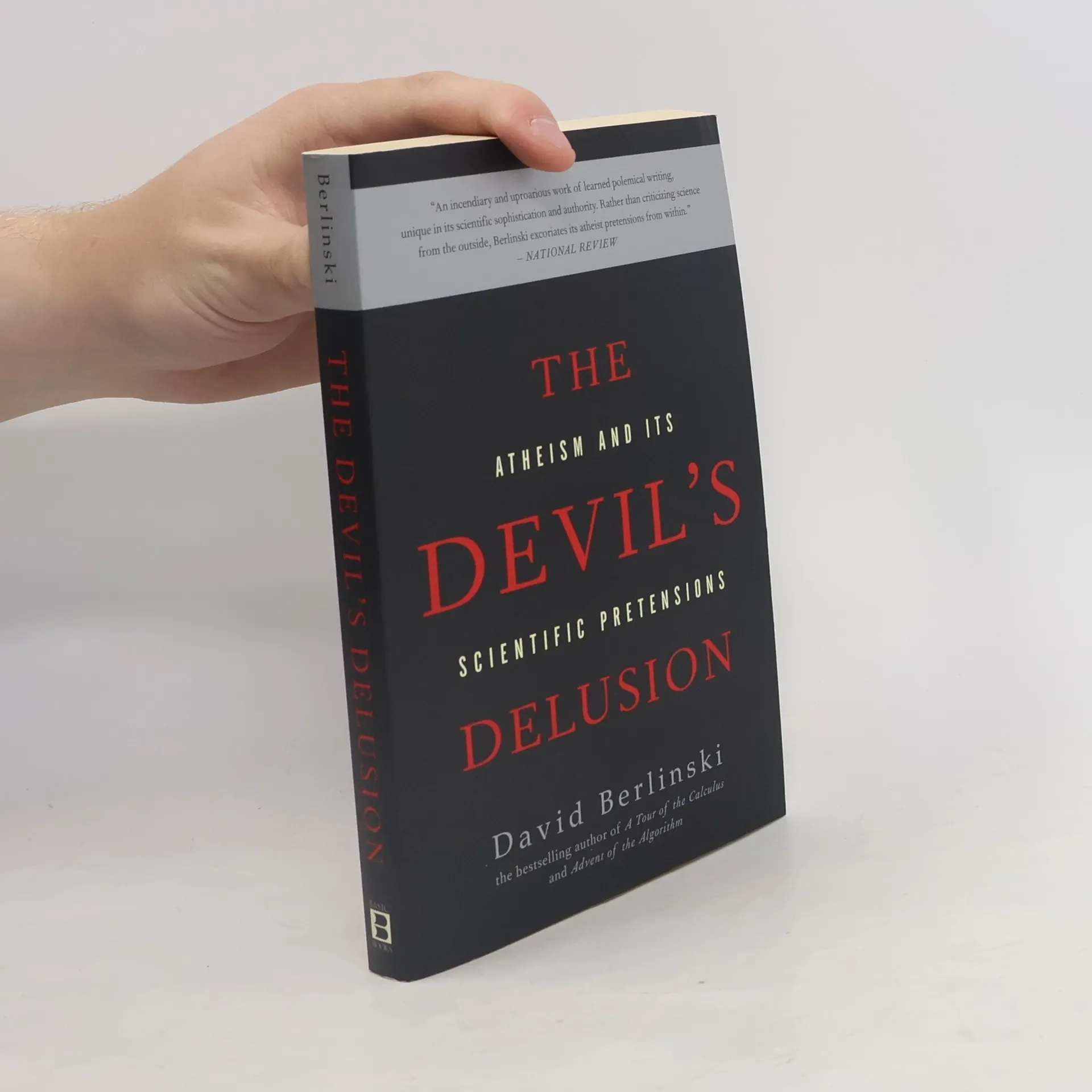
A secular Jew, Berlinski nonetheless delivers a biting defense of religious
thought. This incisive book explores the limits of science and the pretensions
of those who insist it can be--indeed must be--the ultimate touchstone for
understanding the world.
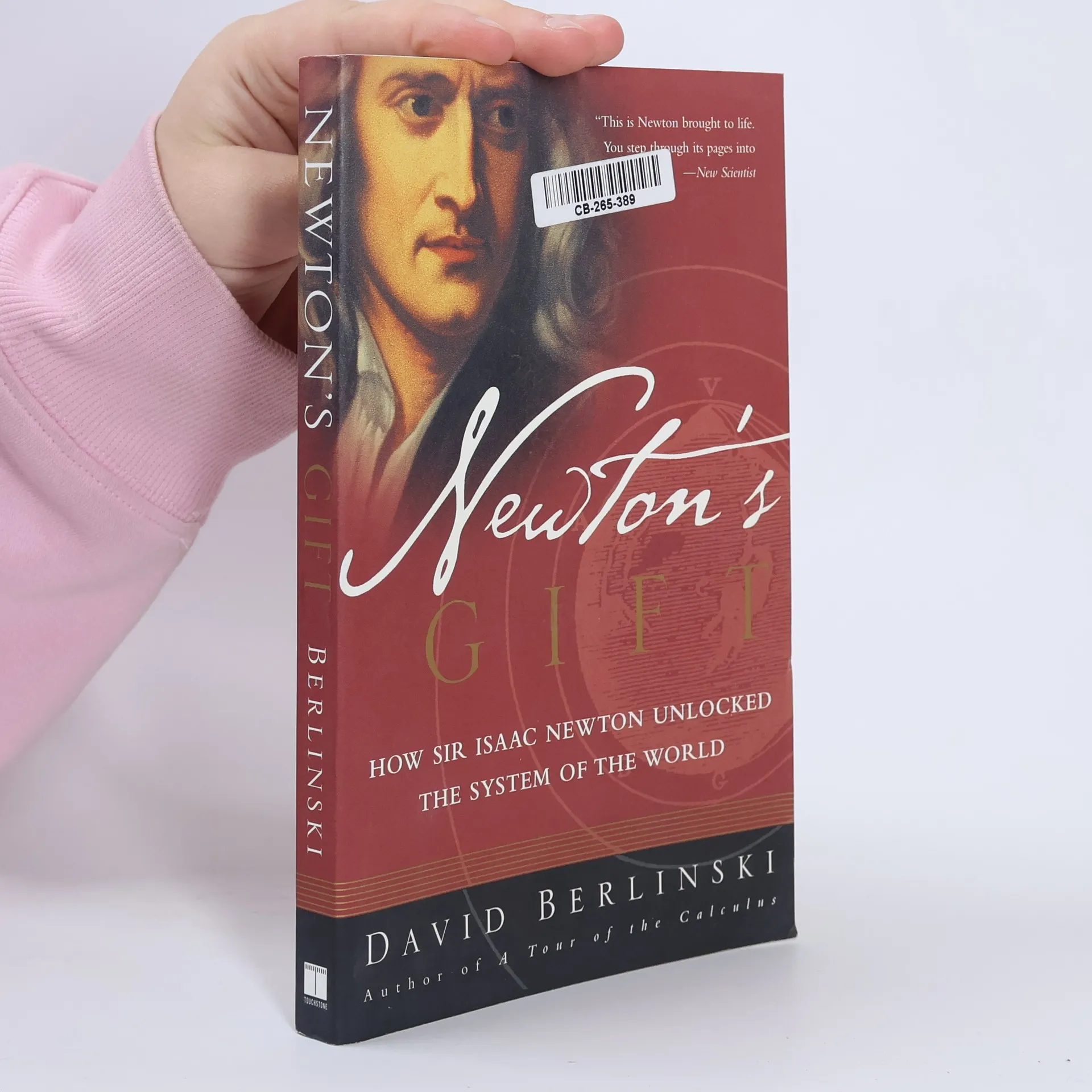
How Sir Isaac Newton Unlocked the System of the World
240 stránek
9 hodin čtení
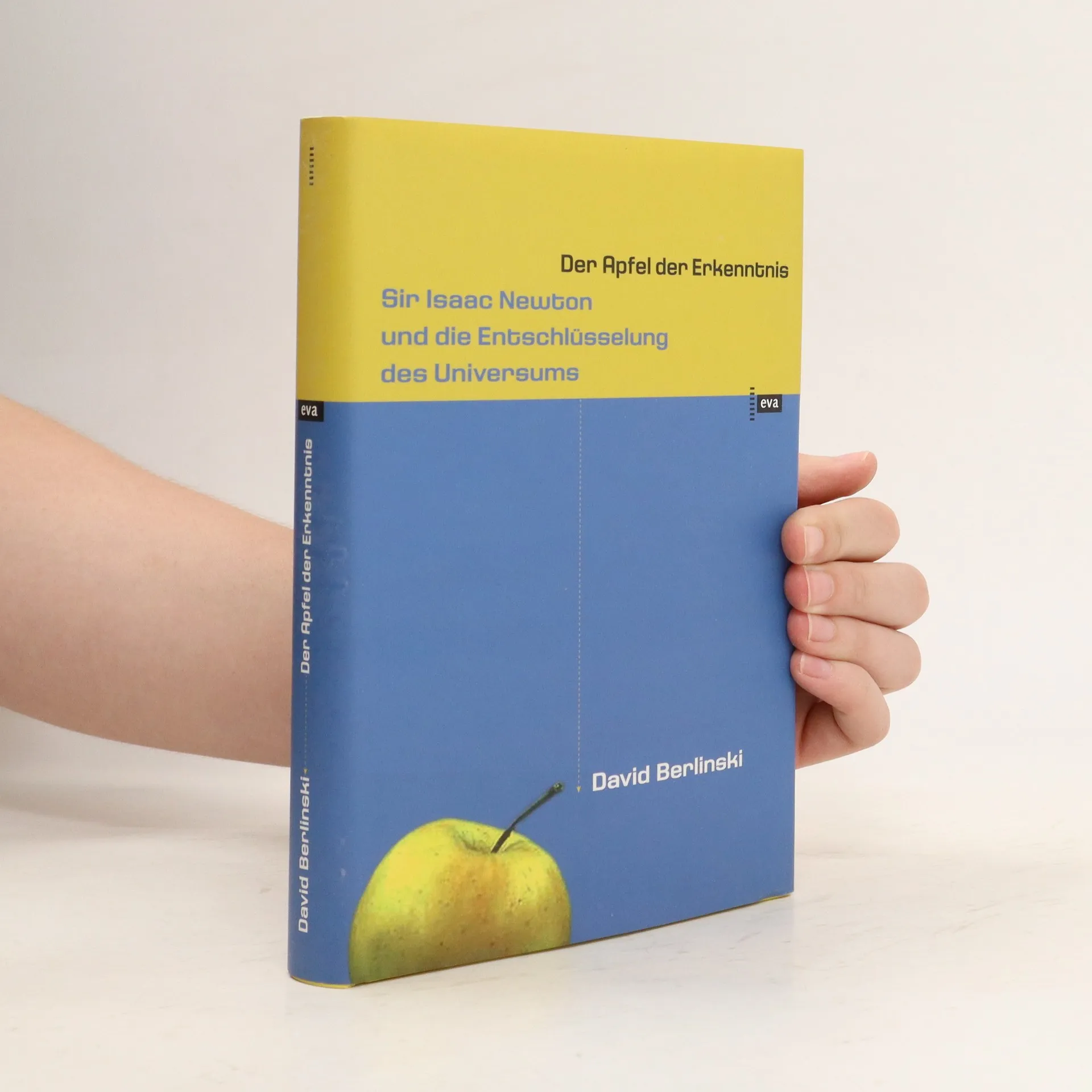
Sir Isaac Newton, a pivotal figure in the scientific revolution, is portrayed as both a monumental genius and a distant historical figure. The book aims to bridge the gap between his groundbreaking theories and contemporary readers, making his life and contributions more relatable and understandable. It explores the complexities of his character and the profound impact of his work on science, revealing the man behind the myth.
The book offers a critical analysis of the responses to Stephen C. Meyer's influential work on intelligent design, "Signature in the Cell." It highlights how many critics failed to engage with the core arguments of Meyer's theory. Edited by David Klinghoffer, it features essays from prominent defenders of intelligent design, including David Berlinski and Paul Nelson, who examine the critiques using the critics' own writings. This collection aims to clarify and defend the principles of intelligent design against its detractors.
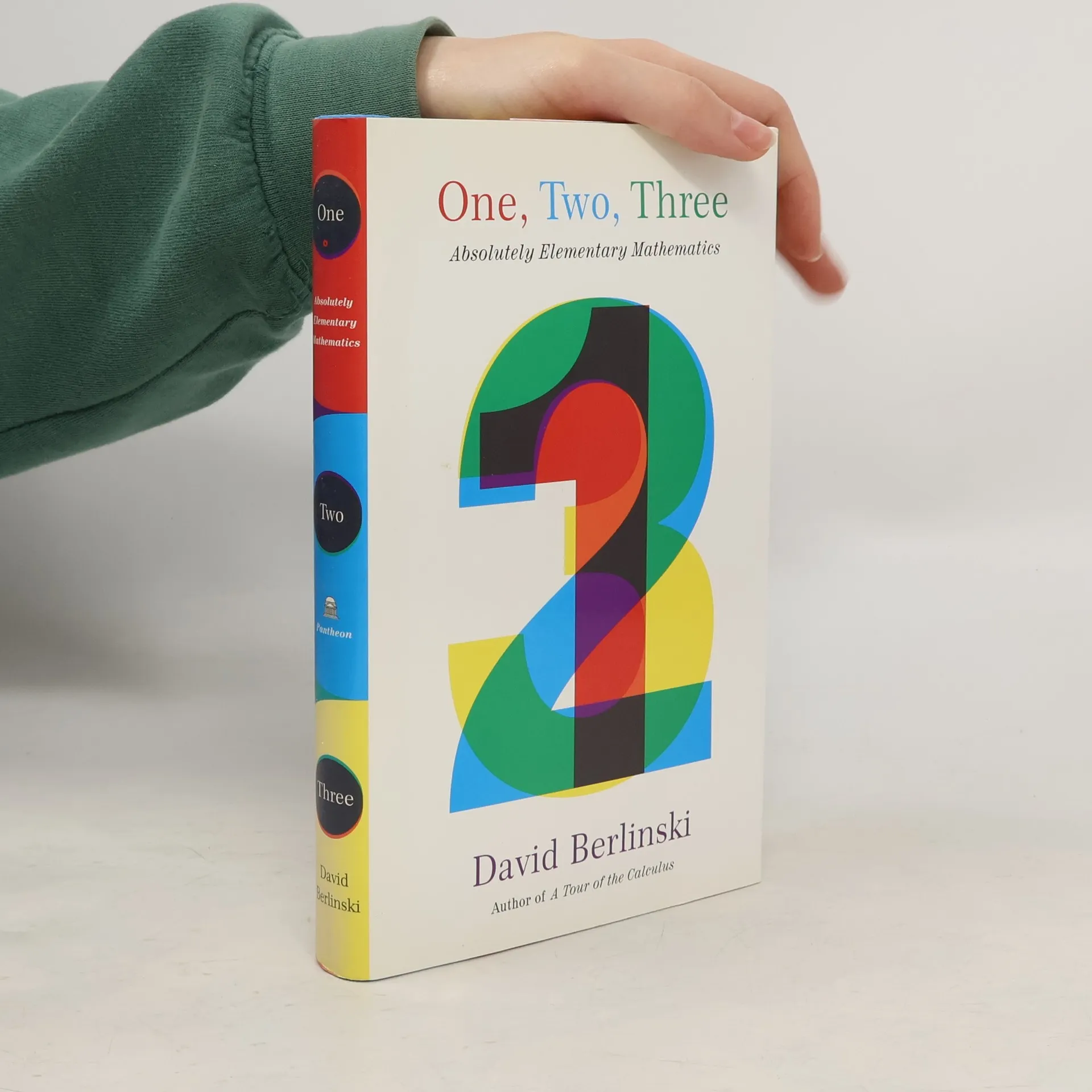
From the acclaimed author of A Tour of the Calculus and The Advent of the Algorithm, here is a riveting look at mathematics that reveals a hidden world in some of its most fundamental concepts. In his latest foray into mathematics, David Berlinski takes on the simplest questions that can be asked: What is a number? How do addition, subtraction, multiplication, and division actually work? What are geometry and logic? As he delves into these subjects, he discovers and lucidly describes the beauty and complexity behind their seemingly simple exteriors, making clear how and why these mercurial, often slippery concepts are essential to who we are. Filled with illuminating historical anecdotes and asides on some of the most fascinating mathematicians through the ages, One, Two, Three is a captivating exploration of the foundation of mathematics: how it originated, who thought of it, and why it matters. From the Hardcover edition.
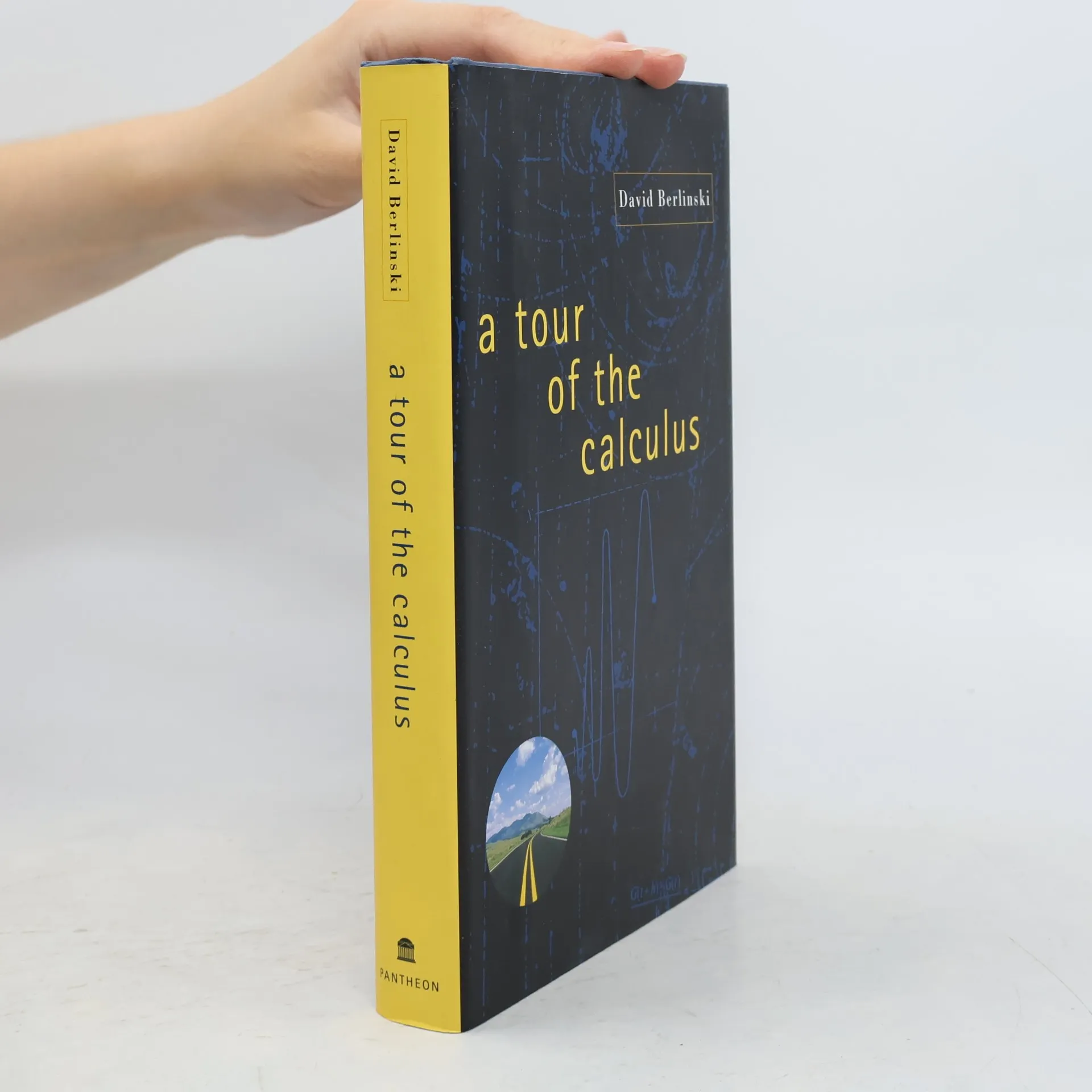
In its largest aspect, the calculus functions as a celestial measuring tape, able to order the infinite expanse of the universe. Time and space are given names, points, and limits; seemingly intractable problems of motion, growth, and form are reduced to answerable questions. Calculus was humanity's first attempt to represent the world and perhaps its greatest meditation on the theme of continuity. Charts and graphs throughout.
Militantný ateizmus je na vzostupe. V uplynulých rokoch autority ako Richard
Dawkins, Sam Harris, Daniel Dennett a Christopher Hitchens vyprodukovali
nepretržitý prúd knižných bestsellerov, znevažujúcich náboženskú vieru ako
nebezpečné bláznovstvo. A títo autori sú len špičkou omnoho väčšieho hnutia,
ktoré dnes zahŕňa veľkú časť vedeckej komunity. David Berlinski strávil veľkú
časť svojho života písaním o matematike a iných vedách. Hoci je sám sekulárnym
Židom, predsa predkladá uštipačnú obranu náboženského myslenia, pričom si
dovoľuje klásť dosť nepríjemné otázky o týchto nových ateistoch a odpovedať na
ne. Diabolský blud je skvelá, prenikavá a zábavná kniha, ktorá skúma hranice
vedy a pretvárky tých, čo nástoja, že veda môže byť ba musí byť konečným
skúšobným kameňom na pochopenie nášho sveta a nás samých.