Výbor z díla českému čtenáři dosud málo známého amerického básníka, jenž se stal na rodném kontinentu klasikem již za svého života (1874–1963). Zařazením se R. Frost formálně nejvíce blížil modernistům, ačkoli zpracovával výhradně přírodní až rustikální témata, čehož je nový výbor dokladem. Je jisté, že pod kůží básníka ptačího zpěvu a lesního klidu tepe vášeň a nejistá rozdvojenost člověka 20. století. Osamělá sveřepá cesta amerického autora, jenž si mimo jiné poezií dokázal vydělat na slušné živobytí, stále zůstává významným milníkem hodným zamyšlení. Výbor je doprovázen stylovými tušovými kresbami L. Regnera a paralelním textem anglického originálu.
Robert Frost Knihy
Robert Frost byl jedním z nejoblíbenějších amerických básníků 20. století, známý svou drsnou, náladovou a úspornou, přesto hlubokou poetikou. Frost se proslavil svými pastorálními obrazy venkovské Nové Anglie, často zdobenými tradičními rýmy a metrem, které ostře kontrastovaly s dobovým volným veršem. Jeho charakteristický, úsporný hlas formoval moderní chápání venkovského života a zkoumal témata izolace, přírody a lidské volby. Jeho dílo rezonuje s čtenáři díky své přístupnosti a zároveň hluboké filozofické rezonanci, což z něj činí trvalou postavu americké literatury.


V knize naleznete přehled historie a vývoje aplikované kineziologie, detailní teoretický výklad základních principů, přesné pokyna k provádění základních úpostupů, pokročilejší techniky, třiatřicet svalových testů s korekčními technikami a postupy pro aplikaci jednotlivých technik při individuálním vyšetření.
Výbor z veršů významného amerického básníka, opírající se zejména o sbírky Na sever od Bostonu, Horské údolí, Nový Hampshire, Potok tekoucí na západ. Frost opustil své městské povolání a odešel na venkov, splynul s ním a stal se básníkem prosté krásy venkova, vztahů člověka k přírodě a darů každodenního života. Ve svých verších prakticky uplatňoval zásadu, že „každá báseň má začít okouzlením a končit v moudrosti“.
Výbor z poezie vynikajícího amerického básníka, jehož leitmotivem je spojitost člověka s přírodou a přesvědčení o léčivé síle přírody.
ILLUSTRATED ROBERT FROST
- 64 stránek
- 3 hodiny čtení
For "Birches" to "The Road Not Taken," perhaps no poet has won such a place in the hearts of readers as Robert Frost. In this gorgeously illustrated collection of poems, readers are introduced to twenty-five of Frost's most beloved works, each illustrated with stunning, full-color collage artwork. Brief commentary and helpful definitions accompany each poem, making The Illustrated Robert Frost among the most accessible--and beautiful--introductions to Frost available. Poems include "Stopping by the Woods on a Snowy Evening," "Mending Wall," "Fire and Ice," and many more.
Stopping by Woods on a Snowy Evening
- 32 stránek
- 2 hodiny čtení
"Stopping by Woods on a Snowy Evening" is a poem written in 1922 by Robert Frost, and published in 1923 in his New Hampshire volume. Imagery, personification, and repetition are prominent in the work. The text of the poem describes the thoughts of a lone wagon driver (the speaker), pausing at night in his travel to watch snow falling in the woods. It ends with him reminding himself that, despite the loveliness of the view, "I have promises to keep, / And miles to go before I sleep.
The Robert Frost Reader
- 546 stránek
- 20 hodin čtení
Focusing on Robert Frost's multifaceted persona, this reader compiles a rich collection of his speeches, interviews, correspondence, and one-act plays alongside extensive selections from his poetry. While often perceived as simply nostalgic, the materials showcase the darker, ironic undertones and intricate complexity of his work, highlighting his significant contributions to American poetry. This comprehensive anthology serves as an essential resource for students and scholars seeking deeper insights into Frost's artistic craft.
The Robert Frost Collection
- 168 stránek
- 6 hodin čtení
Robert Frost is one of America's most beloved poets. He won four Pulitzer prizes for his poetry and was invited to read his poetry at John F. Kennedy's inauguration. His life was filled with personal tragedy which his poetry often reflected. Collected here are more than seventy-five of Frost's most celebrate poems. Somewhere ages and ages hence: Two roads diverged in a wood, and I- I took the one less traveled by, And that has made all the difference.
All for strings is a comprehensive three-volume method surrounded by a wealth of supplementary materials for teaching and performance.This complete curriculum covers virtually every aspect of beginning through intermediate string study, emphasizing technical skills, rhythmic understanding, and quality musical experiences. Many of the National Standards for Music Education can be easily implemented into the classroom setting with the varied components All for Strings has to offer.Book 1 provides a well-rounded course of study for all beginning string students. It begins with "Starting by Rote" and "Starting by Note" approaches to music reading. Photos, diagrams, and logos intergrated throughout the book reinforce all new concepts introduced. Carefully selected and composed technical materials and musical selections provide excellent opportunities for learning and growth. Rhythm exercises and theory games are also provided, as well as duets, trios, and ensembles.
Poems
- 288 stránek
- 11 hodin čtení
A proven bestseller time and time again, Robert Frost's Poems contains all of Robert Frost's best-known poems-and dozens more-in a portable anthology. Here are "Birches," "Mending Wall," "Stopping by Woods on a Snowy Evening," "Two Tramps at Mudtime," "Choose Something Like a Star," and "The Gift Outright," which Frost read at the inauguration of John F. Kennedy." An essential addition to every home library, Robert Frost's Poems is a celebration of the New England countryside, Frost's appreciation of common folk, and his wonderful understanding of the human condition. These classic verses touch our hearts and leave behind a lasting impression.* Over 100 poems* All Frost's best known verses from throughout his life
"Two roads diverged in a wood, and I--I took the one less traveled by,And that has made all the difference."These deceptively simple lines from the title poem of this collection suggest Robert Frost at his most representative: the language is simple, clear and colloquial, yet dense with meaning and wider significance. Drawing upon everyday incidents, common situations and rural imagery, Frost fashioned poetry of great lyrical beauty and potent symbolism. Originally published in 1916 under the title Mountain Interval.
Frost: 16 Poems
- 147 stránek
- 6 hodin čtení
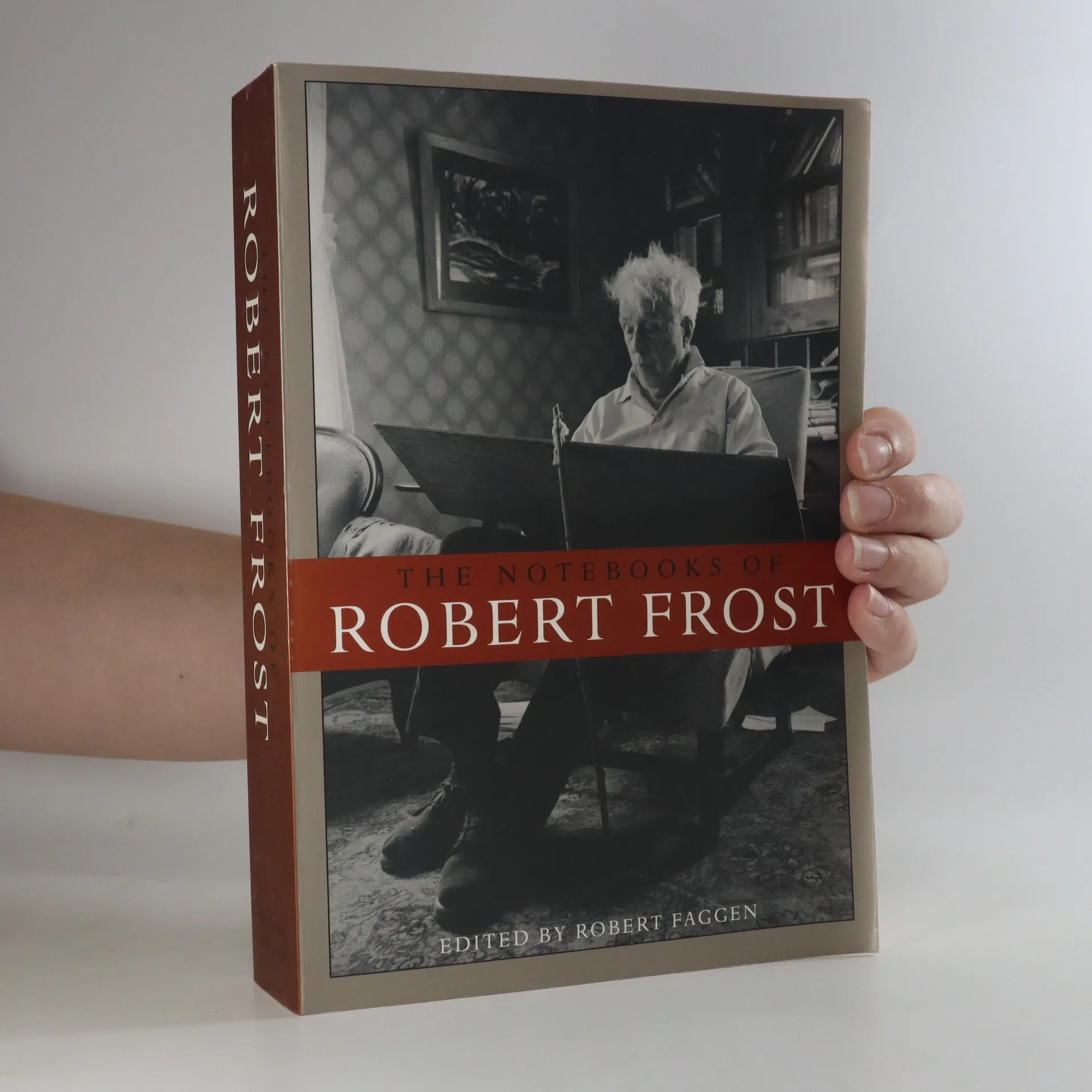
Robert Frost is one of the most widely read, well loved, and misunderstood of modern writers. In his day, he was also an inveterate note-taker, penning thousands of intense aphoristic thoughts, observations, and meditations in small pocket pads and school theme books throughout his life. These notebooks, transcribed and presented here in their entirety for the first time, offer unprecedented insight into Frost's complex and often highly contradictory thinking about poetics, politics, education, psychology, science, and religion--his attitude toward Marxism, the New Deal, World War--as well as Yeats, Pound, Santayana, and William James. Covering a period from the late 1890s to early 1960s, the notebooks reveal the full range of the mind of one of America's greatest poets. Their depth and complexity convey the restless and probing quality of his thought, and show how the unruliness of chaotic modernity was always just beneath his appearance of supreme poetic control. Edited by preeminent Frost scholar Robert Faggen and annotated to help readers with the poet's more elusive references, the notebooks are also thoroughly cross-referenced, marking thematic connections within these and Frost's other writings, including his poetry, letters, and other prose. This is a major new addition to the canon of Robert Frost's writings.
All for Strings 1
Comprehensive String Method
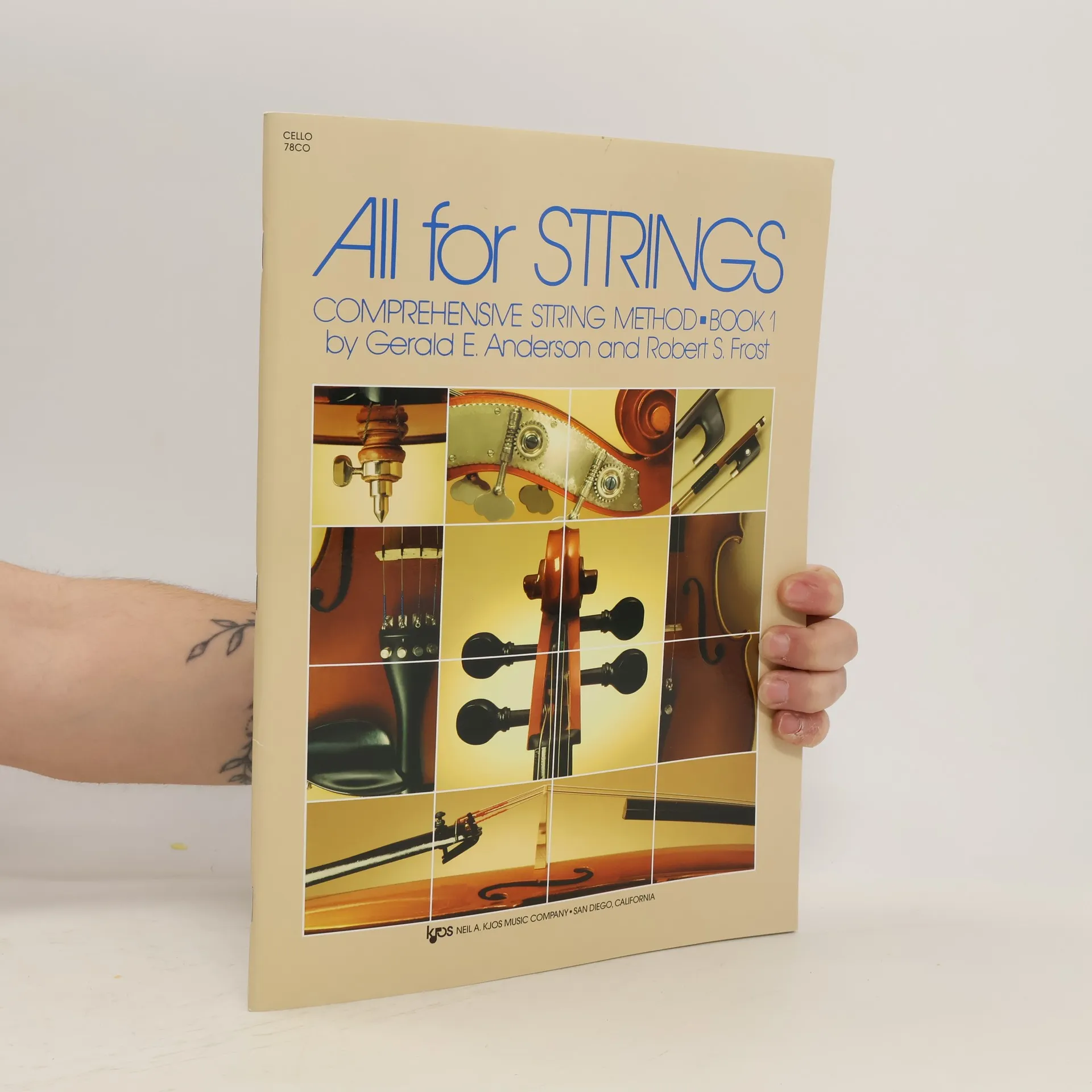
All for Strings is a comprehensive three-volume method surrounded by a wealth of supplementary materials for teaching and performance.This complete curriculum covers virtually every aspect of beginning through intermediate string study, emphasizing technical skills, rhythmic understanding, and quality musical experiences. Many of the National Standards for Music Education can be easily implemented into the classroom setting with the varied components All for Strings has to offer.Book 1 provides a well-rounded course of study for all beginning string students. It begins with "Starting by Rote" and "Starting by Note" approaches to music reading. Photos, diagrams, and logos integrated throughout the book reinforce all new concepts introduced. Carefully selected and composed technical materials and musical selections provide excellent opportunities for learning and growth. Rhythm exercises and theory games are also provided, as well as duets, trios, and ensembles.
An essential selection from the range and bulk of Robert Graves's poetry, edited by Ulster poet Michael Longley. This edition restores Graves to view as a major twentieth century poet, and demonstrates his manifold achievement as war poet, as love poet, and as - in the round - a secular visionary whose poems are 'inimitable, eccentric marvels - some of which are extraordinary, many are masterly, all are like nothing else ever written' (Randall Jarrell). This edition of Robert Graves's poems is scrupulously selected from across the full range of his lifetime's verse. It opens with an illuminating introduction in which Longley makes a persuasive case for the importance of this remarkable poet.
Likely one of the most well-known poets in American literary history, Robert Frost, born in California, lived much of his life in Massachusetts and New Hampshire, thus, his most popular poetry depicted subtle New England charm. Frost’s style was largely free verse, though he did find a fair amount of structure in poetry could often be inspiring. Forever searching for 'the sound of sense,' Robert Frost's lyrical poetry is eloquent, precise, and robust. The Collected Poems of Robert Frost, includes the inspiring poetry of Frost's first three collections, including his earliest major poems "The Road Not Taken" and "Mending Wall" making this edition one you shouldn't miss!
Frost: Poems
- 256 stránek
- 9 hodin čtení
Rom one of the most brilliant and widely read of all American poets, a generous selection of lyrics, dramatic monologues, and narrative poems--all of them steeped in the wayward and isolated beauty of Frost's native New England. Includes his classics "Mending Wall, " "Birches, " and "The Road Not Taken, " as well as poems less famous but equally great
In the Clearing
- 101 stránek
- 4 hodiny čtení
Lyric verse, including the long poem, "The gift outright", read by the poet at President Kennedy's inauguration.
Applied kinesiology uses diagnostic muscle tests in conjunction with standard examination procedures to determine the causes of health problems. It includes 32 muscle tests and a step-by-step guide for applying specific correction techniques.
Poetry for young people
- 48 stránek
- 2 hodiny čtení
"In an attractive large-size volume...25 poems to introduce Robert Frost to young people. The selections are arranged by the seasons, and Sorensen's handsome watercolor illustrations capture the feel of the New England landscape without in any way trying to provide literal images for the poetry. There's an excellent biographical essay, and at the bottom of each page, Schmidt provides a brief note on some of the possible ways to read the lines....These nature poems show that poetry holds feelings and ideas that everyone can understand."--Booklist. "...superb; the poems introduced in a tone that is informative but not pedantic."--PW. "...satisfies in every way."--SLJ. "Include[s] both well-known favorites and those less often read or quoted. 'Mending Wall,' 'Birches,' 'The Road Not Taken' are essential Frost and all are here."--Quill & Quire. ". . . thoughtfully compiled and brilliantly illustrated."--Buzz Weekly. 48 pages (all in color), 8 1/2 x 10.
Mountain interval
- 80 stránek
- 3 hodiny čtení
This is a pre-1923 historical reproduction that was curated for quality. Quality assurance was conducted on each of these books in an attempt to remove books with imperfections introduced by the digitization process. Though we have made best efforts - the books may have occasional errors that do not impede the reading experience. We believe this work is culturally important and have elected to bring the book back into print as part of our continuing commitment to the preservation of printed works worldwide.
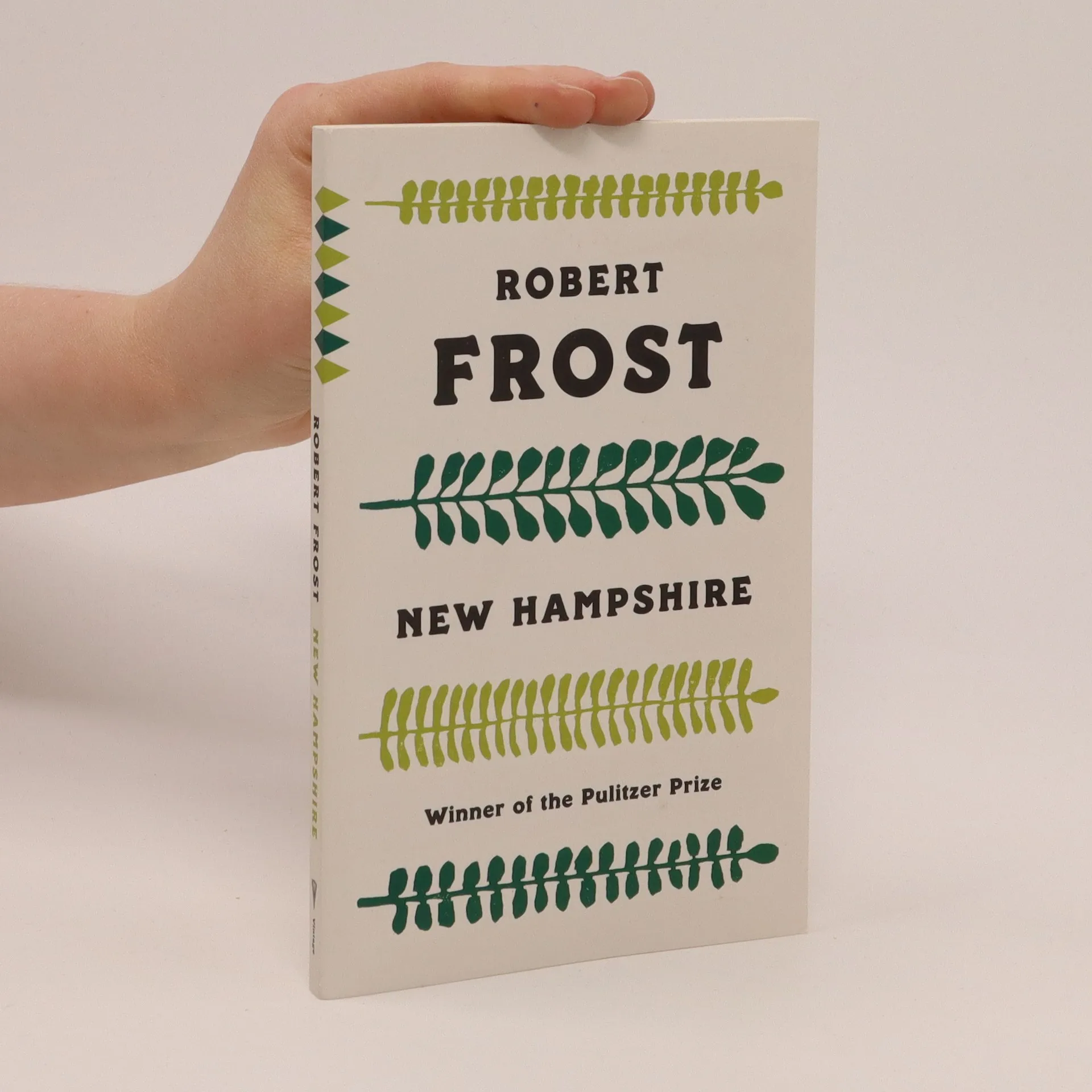
New Hampshire
- 128 stránek
- 5 hodin čtení
A Vintage Classics edition of Frost's 1923 collection of poems that won the Pulitzer Prize and contains some of his most famous and beloved poems. Includes the original woodcut illustrations, not in print elsewhere. Robert Frost won the first of his four Pulitzer Prizes with this collection, published in 1923. It contains some of his most enduring and best-known poems, including "Nothing Gold Can Stay," "Fire and Ice," "The Need of Being Versed in Country Things," and "Stopping by Woods on a Snowy Evening." Included in this edition are the original woodcut illustrations of rural scenes, done in the Arts and Crafts style by J. J. Lankes.
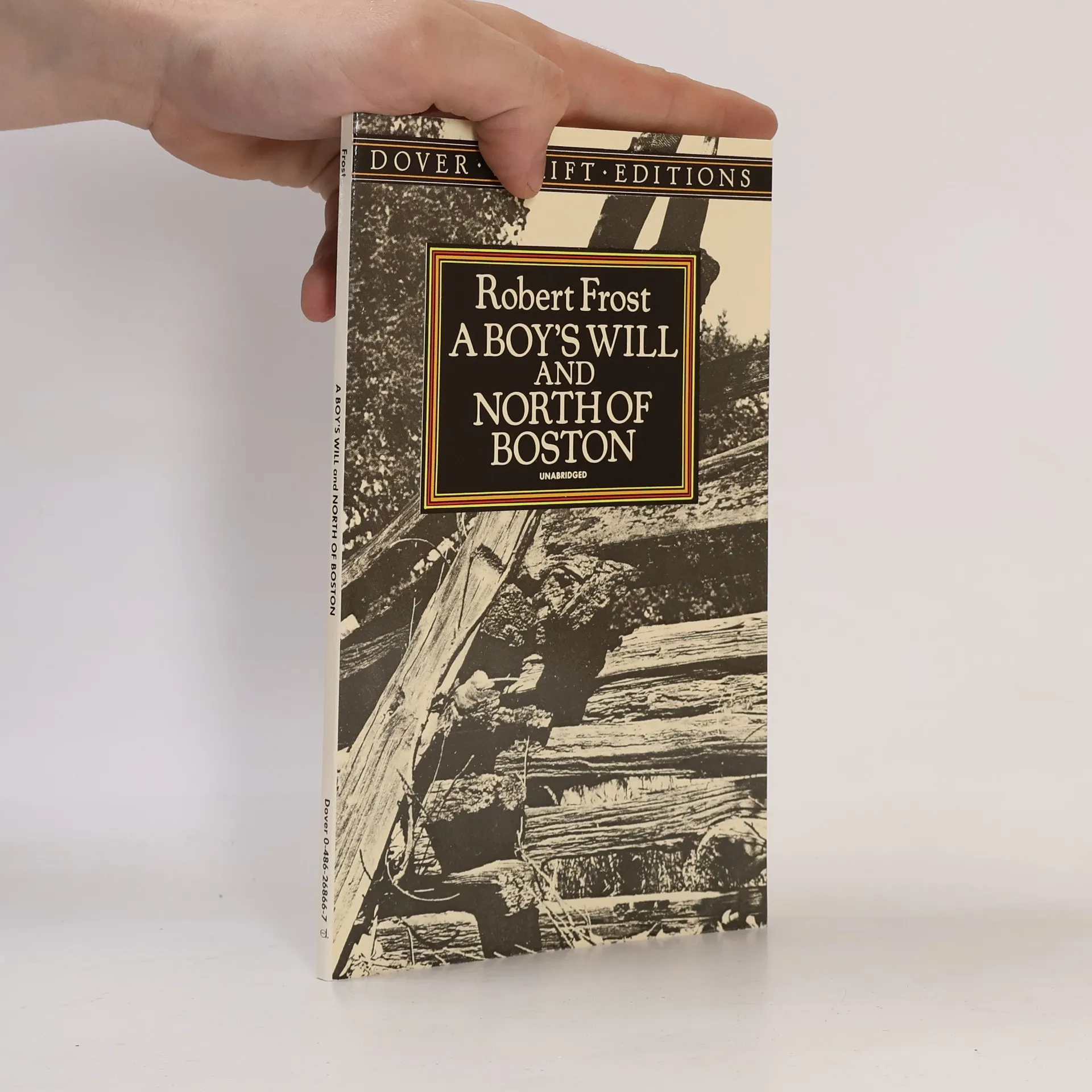
A Boy's Will and North of Boston - Unabridged
- 96 stránek
- 4 hodiny čtení
An Alternate cover edition of this ISBN can be found here . Two volumes of early poetry: A Boy's Will was Frost's first collection of poems (1913). North of Boston followed in 1914. Together they contain many of the poet's finest and best-known works, among them "Mending Wall," "After Apple-Picking," "The Death of the Hired Man," and more. Reprinted complete and unabridged. Publisher's Note. Alphabetical lists of titles and first lines.
North of Boston
- 72 stránek
- 3 hodiny čtení
Beautifully illustrated with atmospheric paintings by world famous artists, "North of Boston" is Robert Frost's hugely successful second collection of poetry. It includes two of his most famous poems 'After Apple-Picking' and 'Mending Wall.' - Just as accessible and enjoyable for today's modern readers as it would have been when first published a century ago, the poetry collection is one of the great works of American literature and continues to be widely read and studied throughout the world. - Robert Frost's first collection of poetry, "A Boy's Will" is also available from Heritage Illustrated Publishing. - This meticulous digital edition from Heritage Illustrated Publishing is a faithful reproduction of the original texts.
This collection features the most cherished poems of Robert Frost, showcasing his mastery of language and profound insights into nature, rural life, and the human experience. Readers can explore themes of solitude, love, and the passage of time, all conveyed through Frost's signature style. The collectible edition celebrates his legacy, making it an essential addition for both longtime fans and new readers seeking to appreciate the depth and beauty of his work.
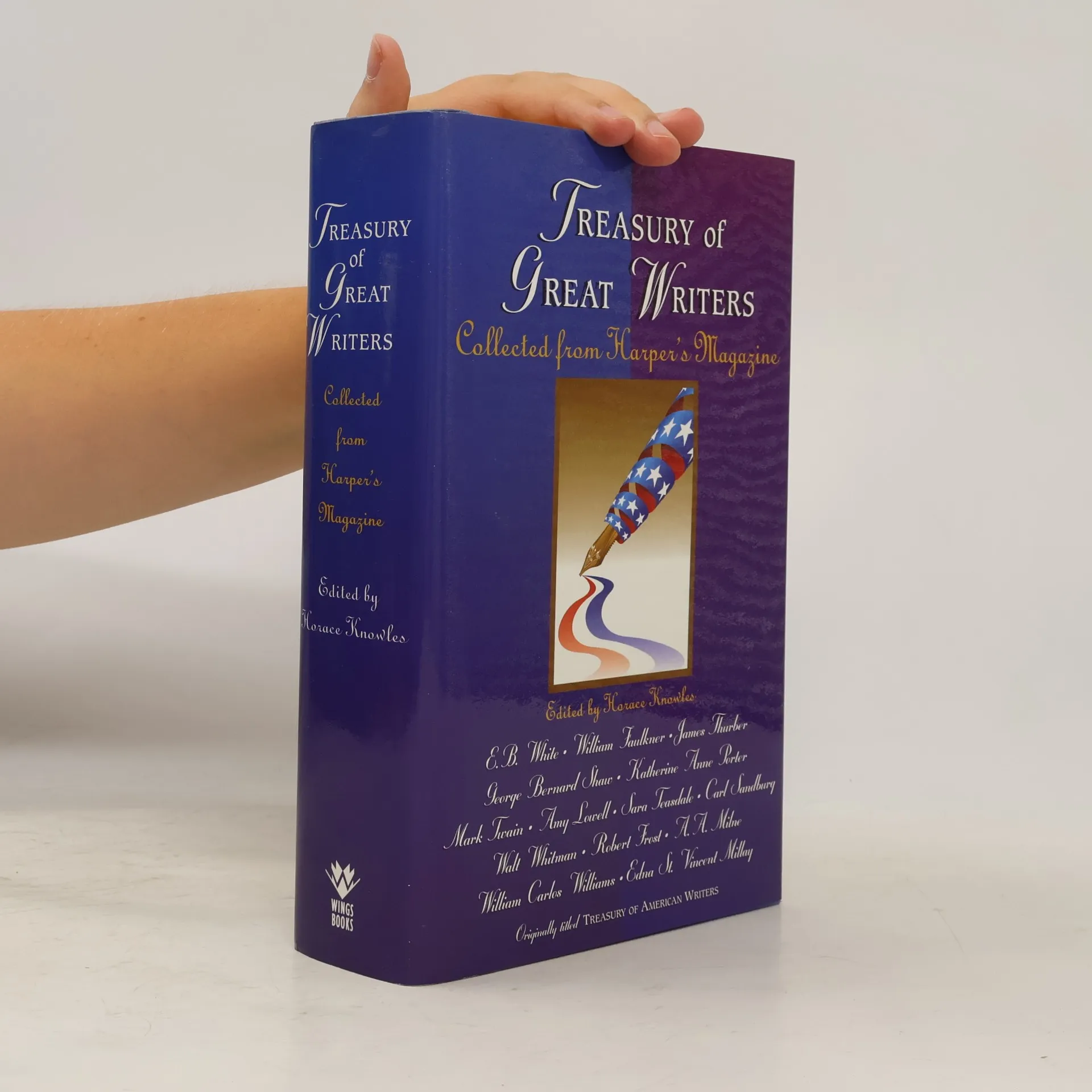
A Treasury Of American Writers
- 696 stránek
- 25 hodin čtení
A diverse collection of essays by famous writers is culled from the pages of Harper's Magazine, and includes William Faulkner on integration, John Kenneth Galbraith on the Wall Street crash, and James Thurber on women.
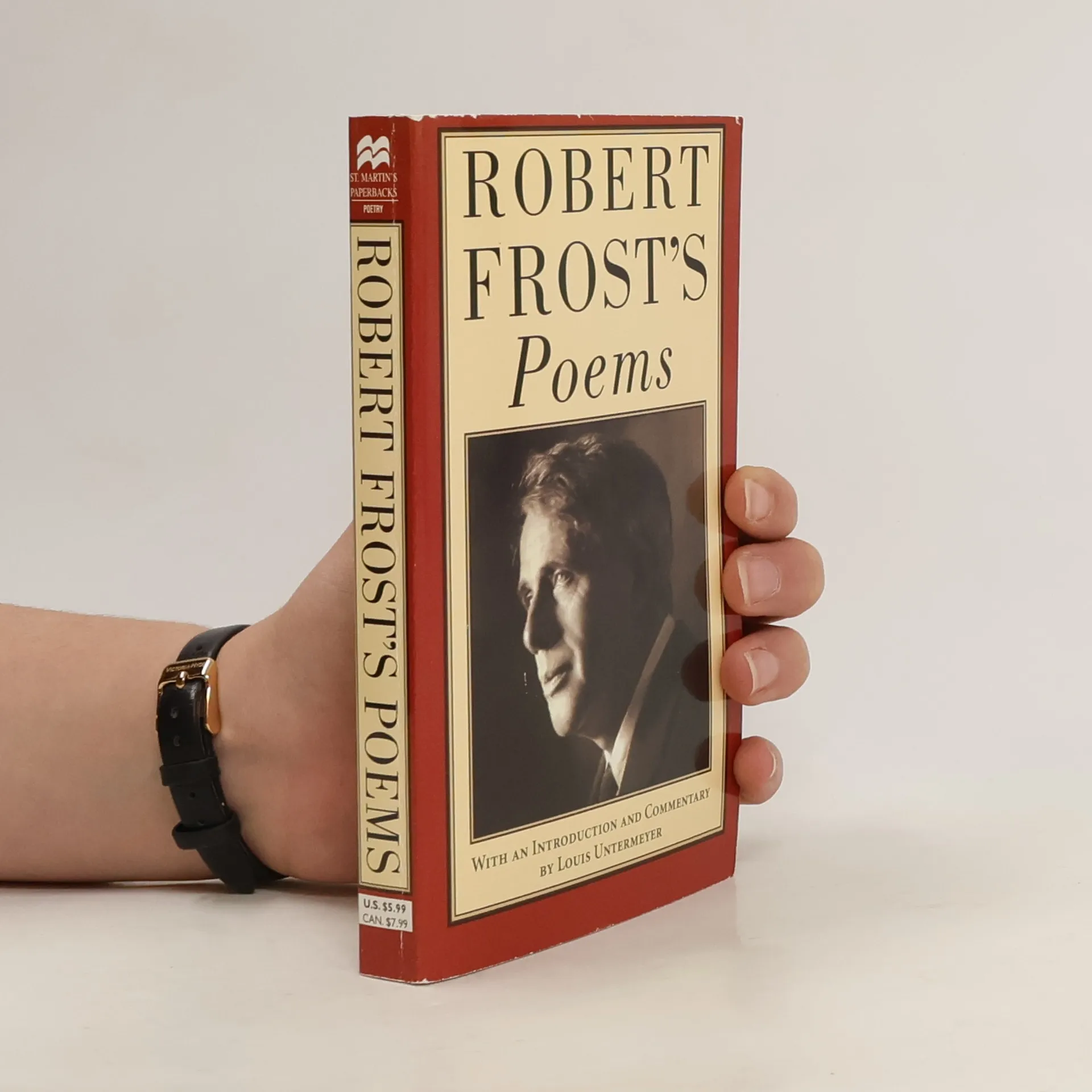
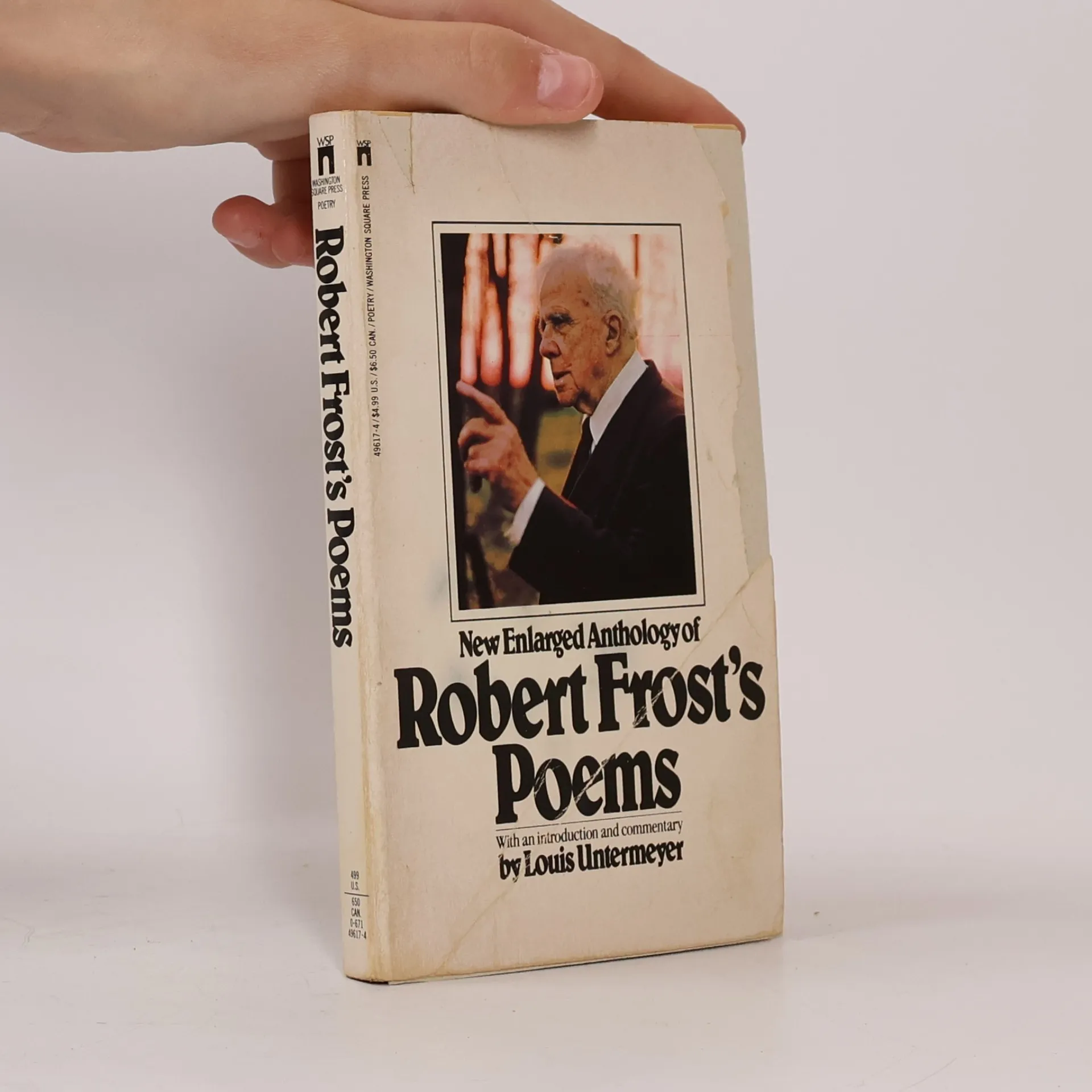
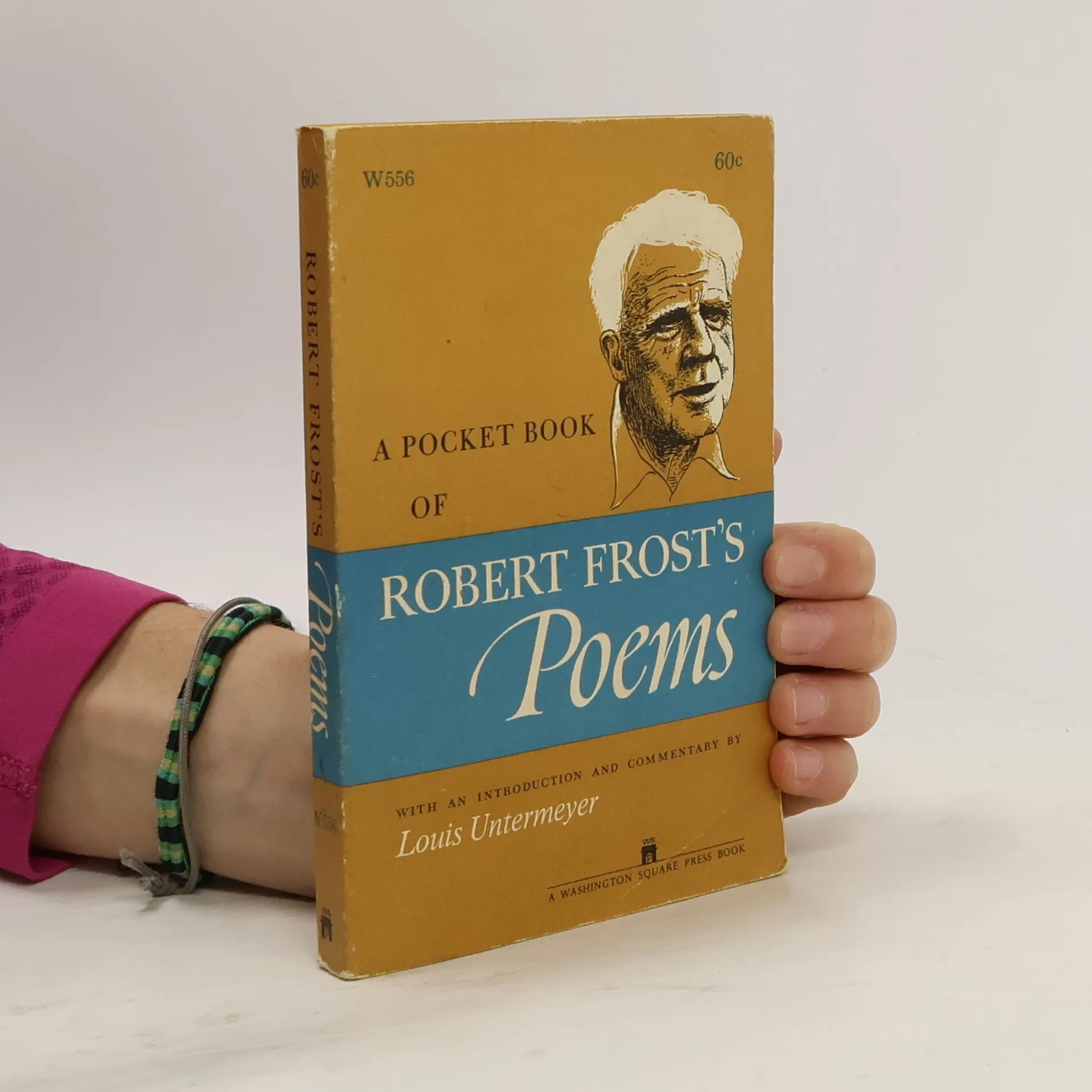
Here in one volume are selected poems of Robert Frost, accompanied by an introduction and commentary by Louis Untermeyer. They make up an anthology that will bring you numberless hours of pleasure and joy.
String Techniques for Superior Musical Performance - Violin
- 47 stránek
- 2 hodiny čtení
This comprehensive technique and musicianship book provides an abundance of enjoyable repertoire and musical, results-driven exercises (including scales, etudes, chorales, classical repertoire, and more) that will help your students develop solid, accurate technique. Establishing a strong foundation with good left and right hand technique will result in outstanding musical performances and will help open your studentsAo world to a vast wealth of incredible literature. Perfect for intermediate level students in class or private studio settings.//Section 1: Technique, Tone, and Tuning//Section 2: Major and Minor Keys //Section 3: Etudes and Bowing Styles
Academy of American Poets: Fifty Years of American Poetry
Over 200 Important Works by America's Modern Masters
- 320 stránek
- 12 hodin čtení
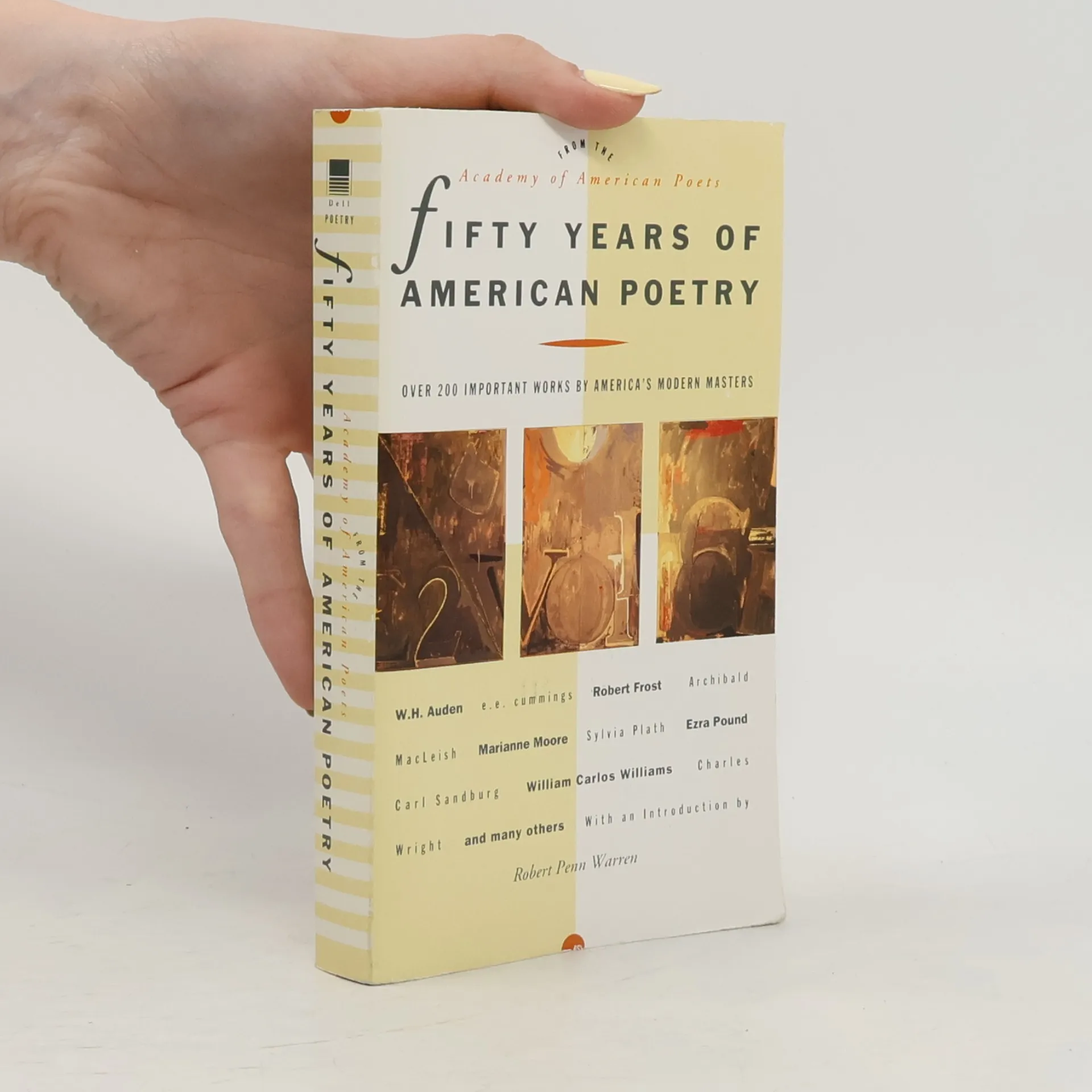
Seer, critic, lover, madwoman—the poet's sensibility allows us to experience diverse perspectives in this rich collection of contemporary American poetry. Featuring a poem from each chancellor, fellow, and award winner of the Academy of American Poets since 1934, this anthology showcases a unique array of literary styles and themes that have shaped the last five decades. Readers will encounter both familiar and new voices, as well as the great American poems that resonate deeply with our minds and hearts. The Academy's mission is to encourage and foster the production of American poetry, embracing poets of all schools and methods. This anthology serves as a representative cross-section of American poetry over the past 50 years, reflecting the institution's commitment to change and growth. It emphasizes that poetry is not solely for poets but for everyone. Compiled with this ethos, the collection aims to educate and inspire, offering insight into the dynamic evolution of American poetry. The Academy of American Poets stands as the only institution capable of assembling such a distinctive anthology, having consistently supported poets and promoted poetry as an accessible and vital part of the American literary landscape.
American Way of Working
A Collection of Writings from Henry David Thoreau to Joseph Heller
- 272 stránek
- 10 hodin čtení
Grundlagen der Applied kinesiology
- 277 stránek
- 10 hodin čtení
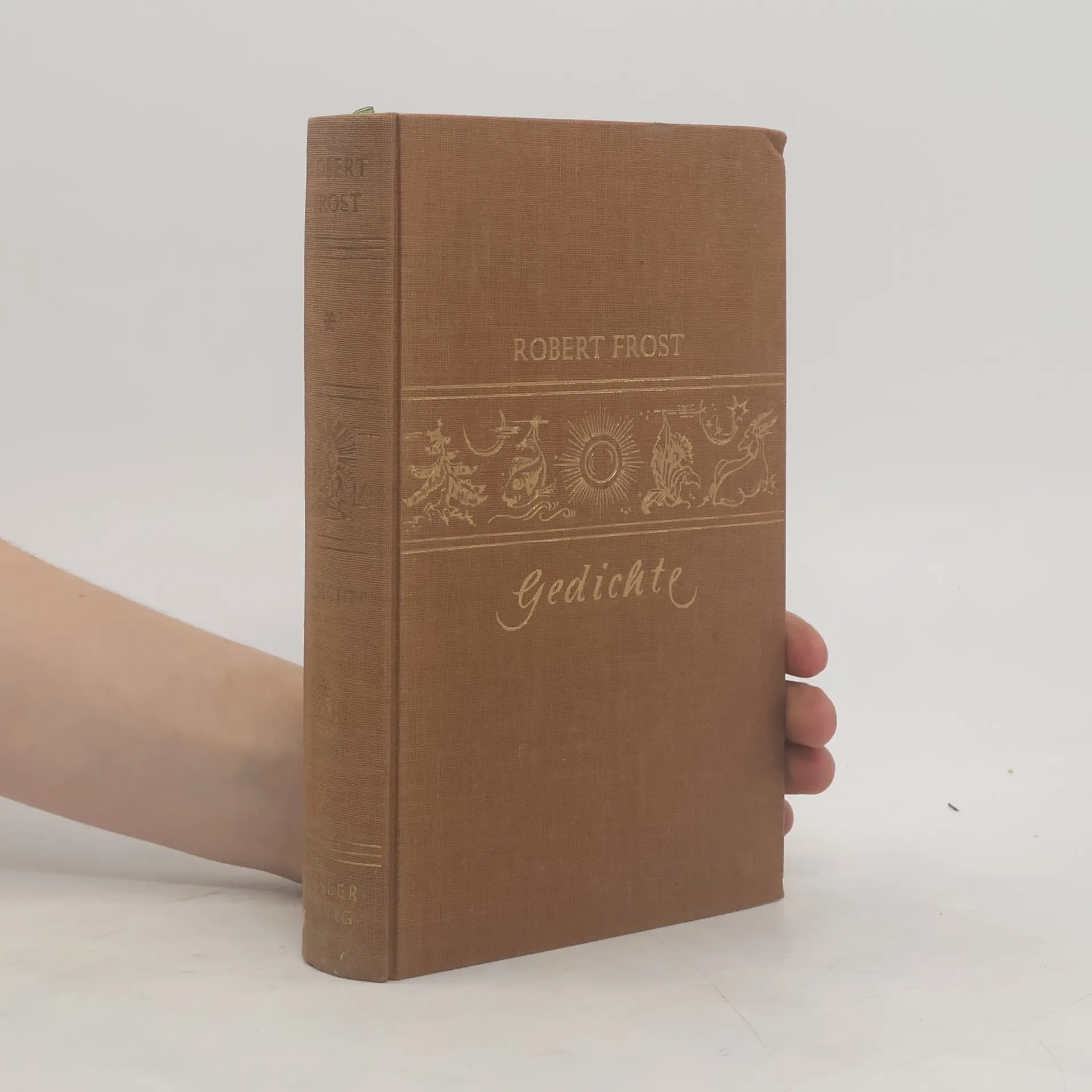
Die Gedichte Robert Frosts (1874-1963) gehören nicht nur zum festen Bestand amerikanischer Lyrik der Moderne, sie haben ihren Platz in der Weltliteratur gefunden. Der vorliegende Band macht den deutschen Lesern die bekanntesten, die kanonisch gewordenen Gedichte von Robert Frost zugänglich wie "Rast am Wald an einem verschneiten Tag" oder "Der nicht genommene Weg". Frost hat sich um einen natürlichen, organischen Sprachfluss bemüht und sich zugleich stets dem freien Vers widersetzt, die Gedichte suchen die Nähe zur gesprochenen Sprache und halten doch an der Besonderheit dichterischer Sprache fest. Die Natur, die äußere und die innere des Menschen, hat Frost fasziniert, der als Farmer gleichzeitig einen unsentimentalen Blick auf sie hatte. Aber auch die menschliche Natur zeigt sich in allen ihren Feinheiten und Brüchen, so Frost, besonders dem Dichter. So ist seine Lyrik in ihrer klassischen Schönheit auch eine Begegnung mit uns selbst. Die Texte folgen der Ausgabe The Poetry of Robert Frost. "Robert Frost, richtig. Das ist wunderschön. 'And miles to go before I sleep, And miles to go before I sleep.'" Helmut Schmidt