
Knihobot

Mark Coeckelbergh

    1. leden 1975
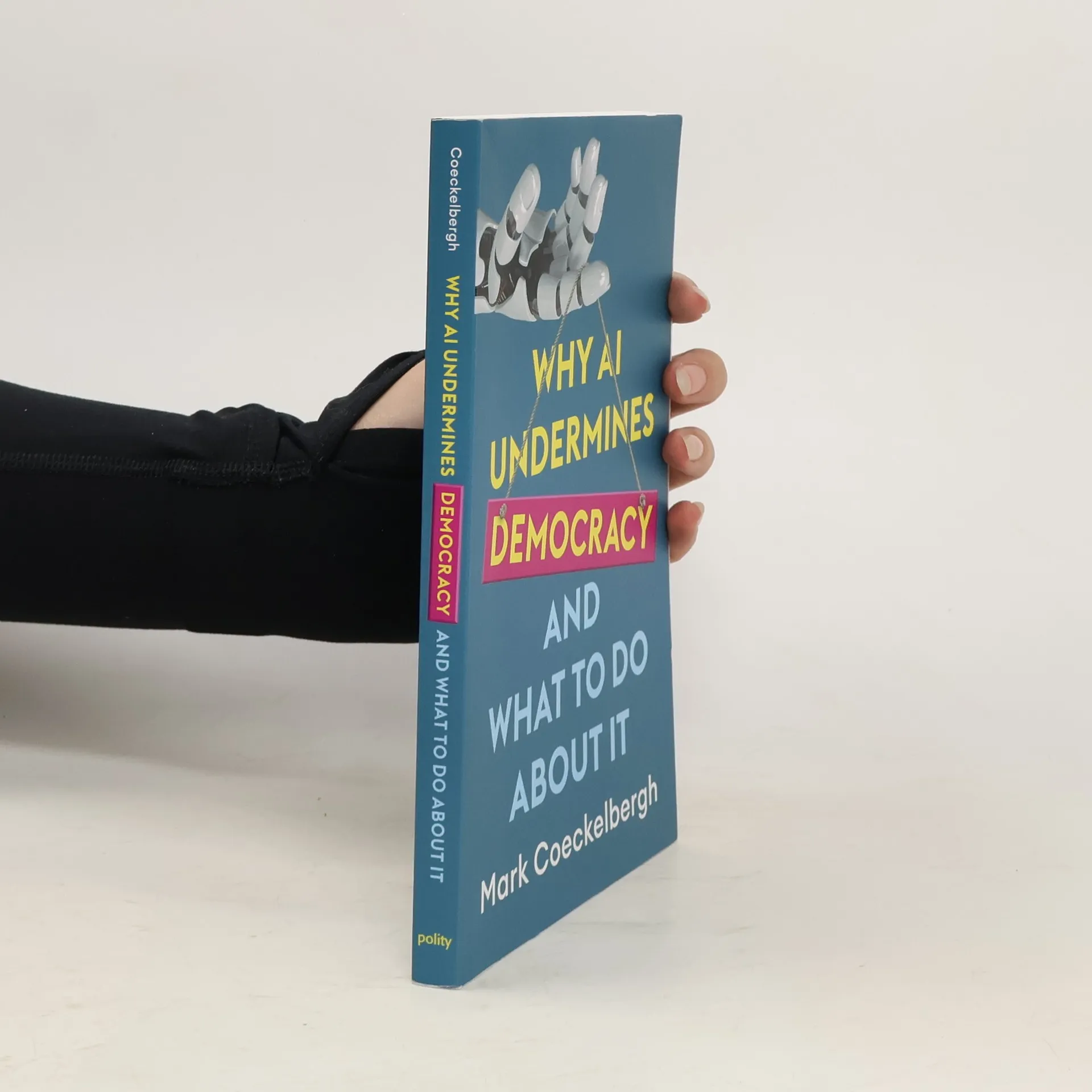
    Why AI Undermines Democracy and What To Do About It
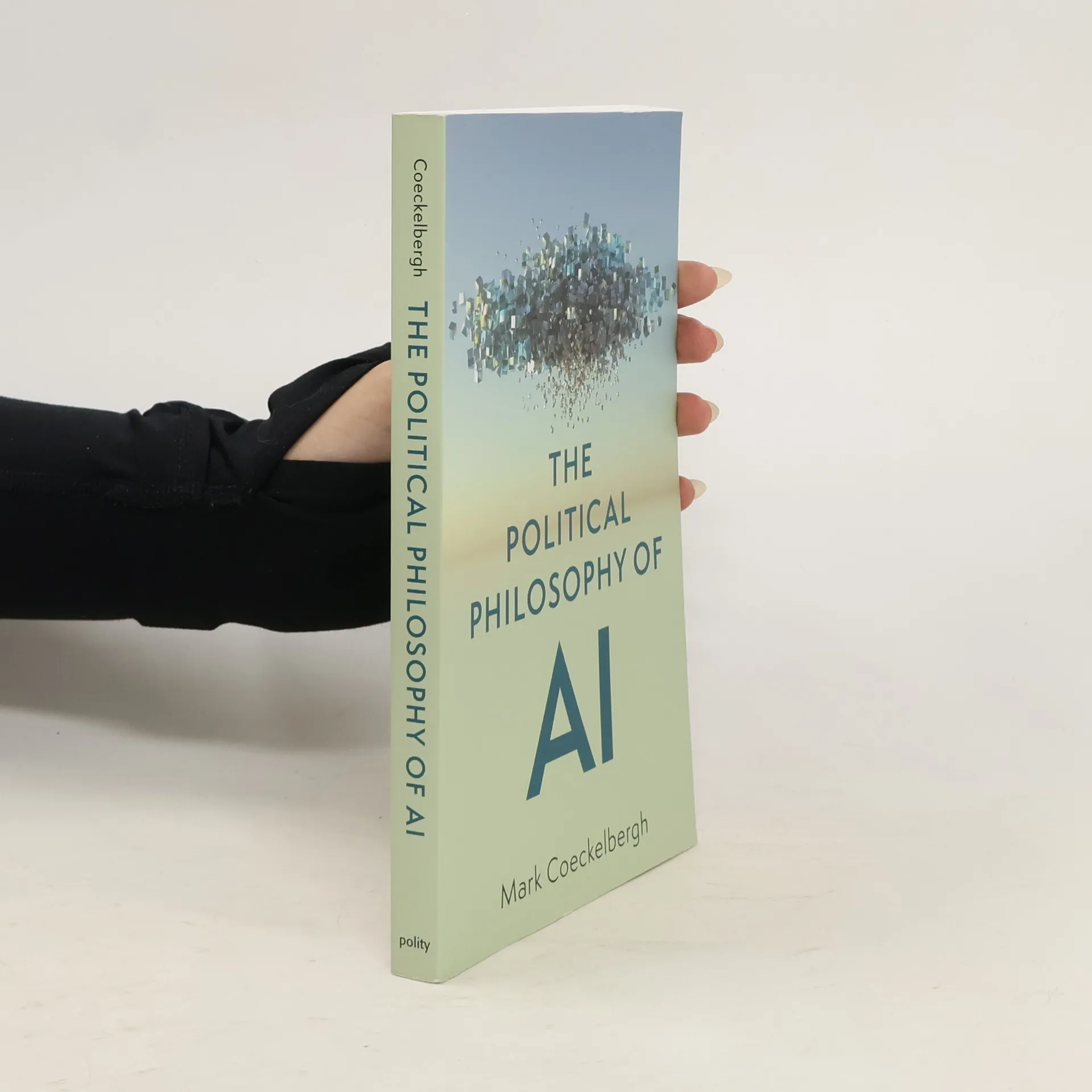
    The Political Philosophy of AI
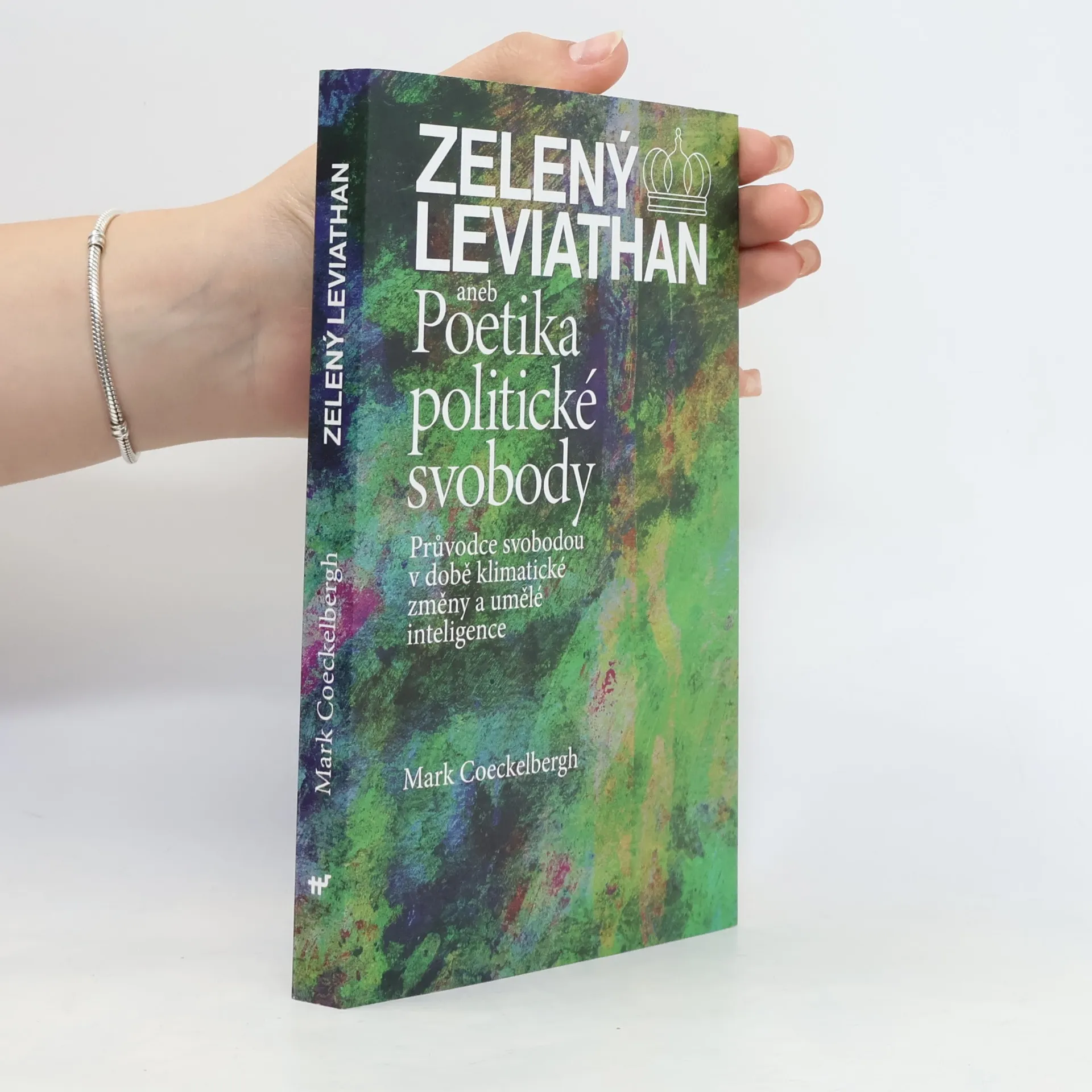
    Zelený Leviathan aneb Poetika politické svobody
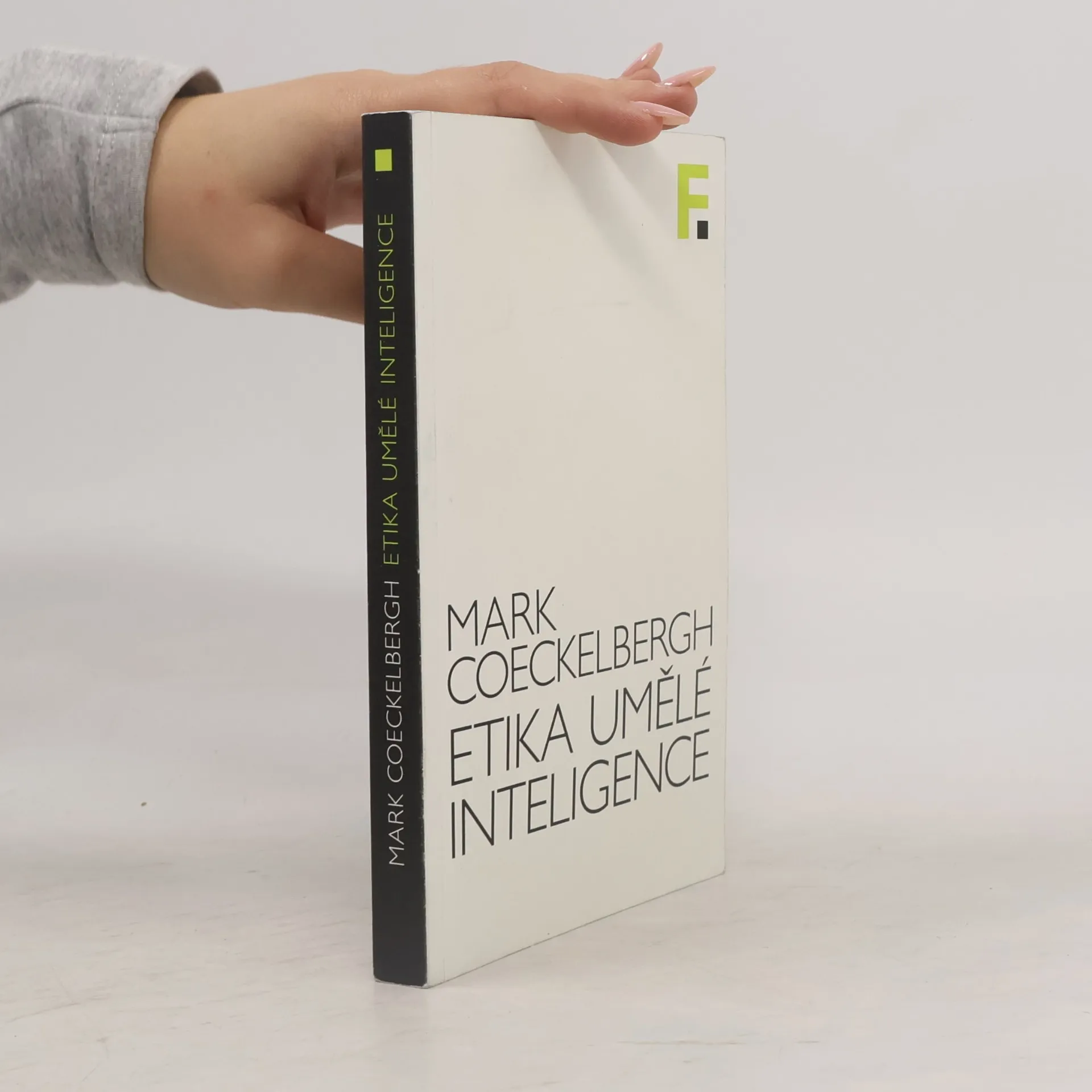
    Etika umělé inteligence
    • Across the world, Artificial Intelligence (AI) is being used as a tool for political manipulation and totalitarian repression. Stories about AI are often stories of polarization, discrimination, surveillance, and oppression. Is democracy in danger? And can we do anything about it? In this compelling book, Mark Coeckelbergh offers a guide to the key risks posed by AI for democracy. He argues that AI, as it is currently used and developed, not only aids totalitarian regimes but also undermines the fundamental principles on which liberal democracies are founded such as freedom and equality. How can we make democracy more resilient in the face of AI? And, more positively, what can AI do for democracy? Coeckelbergh advocates not only for more democratic technologies, but also for new political institutions and a renewal of education and culture to ensure that AI promotes, rather than hinders, the common good and helps us to revamp humanism for the 21st century. Why AI Undermines Democracy and What To Do About It is illuminating reading for anyone who is concerned about the fate of democracy.

      Why AI Undermines Democracy and What To Do About It2024
      3,4
    • The Political Philosophy of AI

      • 176 stránek
      • 7 hodin čtení

      Political issues people care about such as racism, climate change, and democracy take on new urgency and meaning in the light of technological developments such as AI. How can we talk about the politics of AI while moving beyond mere warnings and easy accusations? This is the first accessible introduction to the political challenges related to AI. Using political philosophy as a unique lens through which to explore key debates in the area, the book shows how various political issues are already impacted by emerging AI technologies: from justice and discrimination to democracy and surveillance. Revealing the inherently political nature of technology, it offers a rich conceptual toolbox that can guide efforts to deal with the challenges raised by what turns out to be not only artificial intelligence but also artificial power. This timely and original book will appeal to students and scholars in philosophy of technology and political philosophy, as well as tech developers, innovation leaders, policy makers, and anyone interested in the impact of technology on society. -- Résumé de l'éditeur

      The Political Philosophy of AI2022
      4,2
    • Kniha zkoumá průsečík svobody a omezení liberalismu a zabývá se složitostmi řízení klimatických změn a umělé inteligence. Čerpá z politické filozofie a nabízí jedinečný pohled na budoucnost technologií a environmentálního řízení, přičemž zdůrazňuje naléhavou potřebu přehodnocení našich rámců v kontextu těchto naléhavých globálních výzev.

      Zelený Leviathan aneb Poetika politické svobody2021
    • Etika umělé inteligence

      • 268 stránek
      • 10 hodin čtení

      Belgický filosof Mark Coeckelbergh nabízí přístupný přehled etických výzev spojených s umělou inteligencí. Doporučuje nahlédnout za katastrofické scénáře, oblíbené v Hollywoodu, k reálným problémům. Umělá inteligence pohání vyhledávač Google, umožňuje cílenou reklamu na Facebooku, práci hlasových asistentů, prediktivní práci policie, autonomní zbraně i auta. Tyto již existující technologie vyvolávají obavy o bezpečnost, soukromí, odpovědnost za rozhodnutí, transparenci a zaujatost, nemluvě o nahrazení lidské práce. Coeckelbergh však neklade jen otázky, ale nabízí konkrétní doporučení, zvláště vtělit etické hodnoty do konstrukce umělé inteligence.

      Etika umělé inteligence2020
      3,7