Peter J. McCormick Knihy
1. leden 1940



Eco-ethics and contemporary philosophical reflection
- 183 stránek
- 7 hodin čtení
This is the first of two volumes dedicated to a sympathetic yet critical articulation of eco-ethics, the project of the distinguished contemporary Japanese philosopher, Tomonobu Imamichi. The basic idea of an eco-ethics is that the now global technological transformation of the human milieu requires radical ethical innovation. In the first of two books published simultaneously, Peter McCormick sets out the major lines of the eco-ethical project in comparison and contrast with outstanding work in contemporary philosophical reflection. He elucidates eco-ethics sympathetically but critically under four headings - moral and ethical realisms, correspondence and coherence accounts of truth, rationalities and aesthetics, interpretation theories and relativisms
Does everyone have a moral obligation to aid famine victims? Or do all persons have more basic ethical responsibility continually to assist such victims substantially, even „beyond the call of moral duty?“ If so, then why? And how? Making use of detailed case studies from the Great Bengal Famines of the 1940s to the recurring Ethiopian famines of the 1970s and 1980s and the Sudanese famines of today, Peter McCormick argues that famine is in part a philosophical issue. In the personal and tentative style of the short, classic reflective essay rather than in the impersonal style of the contemporary extended philosophical monograph, he proposes that „the problem of famine“ cannot be understood as exclusively an economic or political problem. Rather, comprehending famine properly raises at least one quite fundamental ethical issue. For the basic ethical significance of famine is that seriously considering whether and just how one ought continually to assist the numberless victims of famine challenges our previous understandings of what it is both to be a person and to live fully, and rightly, the life of a person.
CorelDRAW! 5 Unleashed
Book And 2 Cd-Rom: Updated By Best-Selling Authors Of CorelDRAW! 4 Unleashed!
- 1082 stránek
- 38 hodin čtení
Explains everything from the basics to advanced techniques needed for outputing, transporting, and working with other graphic tools. The two CDs included with this product will contain over a gigabyte of commercial software demos, clip-art samples, stock photos, fonts, shareware and freeware utility programs, music and sound clips, and movie and animation sequences. Four-color inserts.
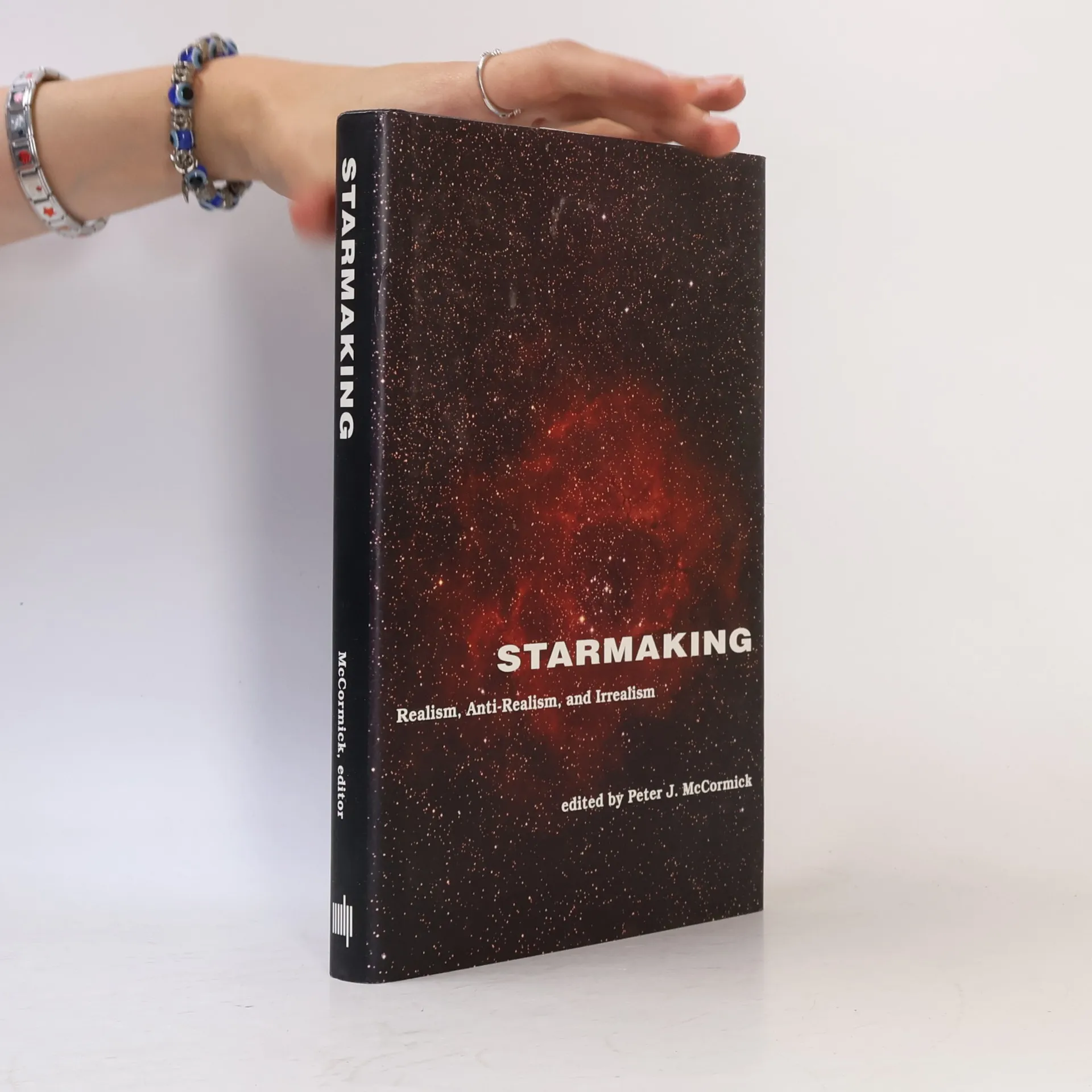
Starmaking brings together a cluster of work published over the past 35 years by Nelson Goodman and two Harvard colleagues, Hilary Putnam and Israel Scheffler, on the conceptual connections between monism and pluralism, absolutism and relativism, and idealism and different notions of realism -- issues that are central to metaphysics and epistemology.The title alludes to Goodman's famous defense of the claim that because all true representations of stars and other objects are human creations, it follows that in an important sense the stars themselves are made by us. More generally, the argument moves from the fact that our right representations are constructed by us to the claim that the world itself is similarly constructed."Starmaking" addresses the question of whether this seeming paradox can be turned into a serious philosophical view. Goodman and Putnam are sympathetic; Scheffler is the critic.Although many others continue to write about pluralism, relativism, and constructionalism, "Starmaking" brings together the protagonists in the debate since its beginnings and follows closely its still developing form and substance, focusing sharply on Goodman's claim that "we make versions, and right versions make worlds."
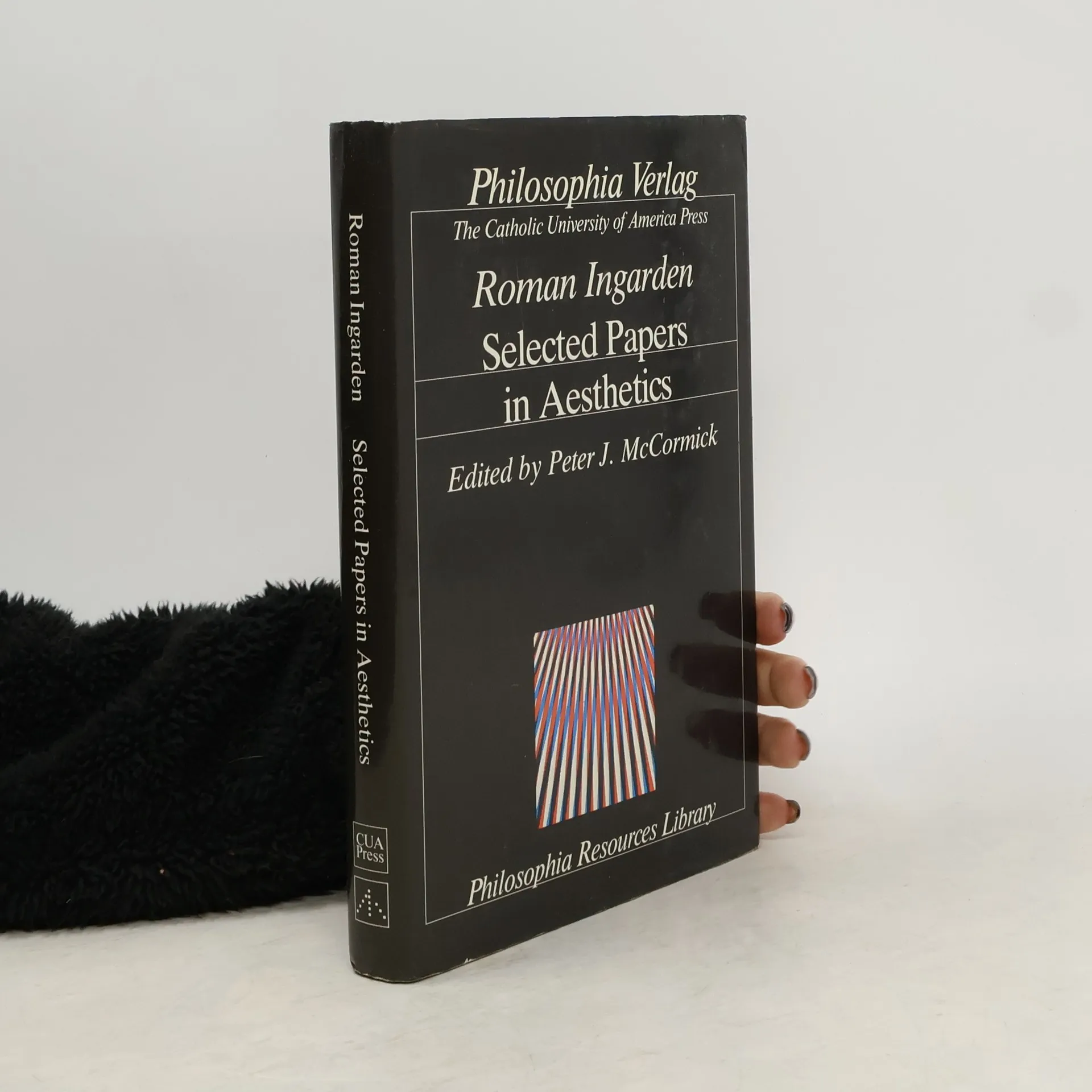
Selected Papers in Aesthetics
- 278 stránek
- 10 hodin čtení
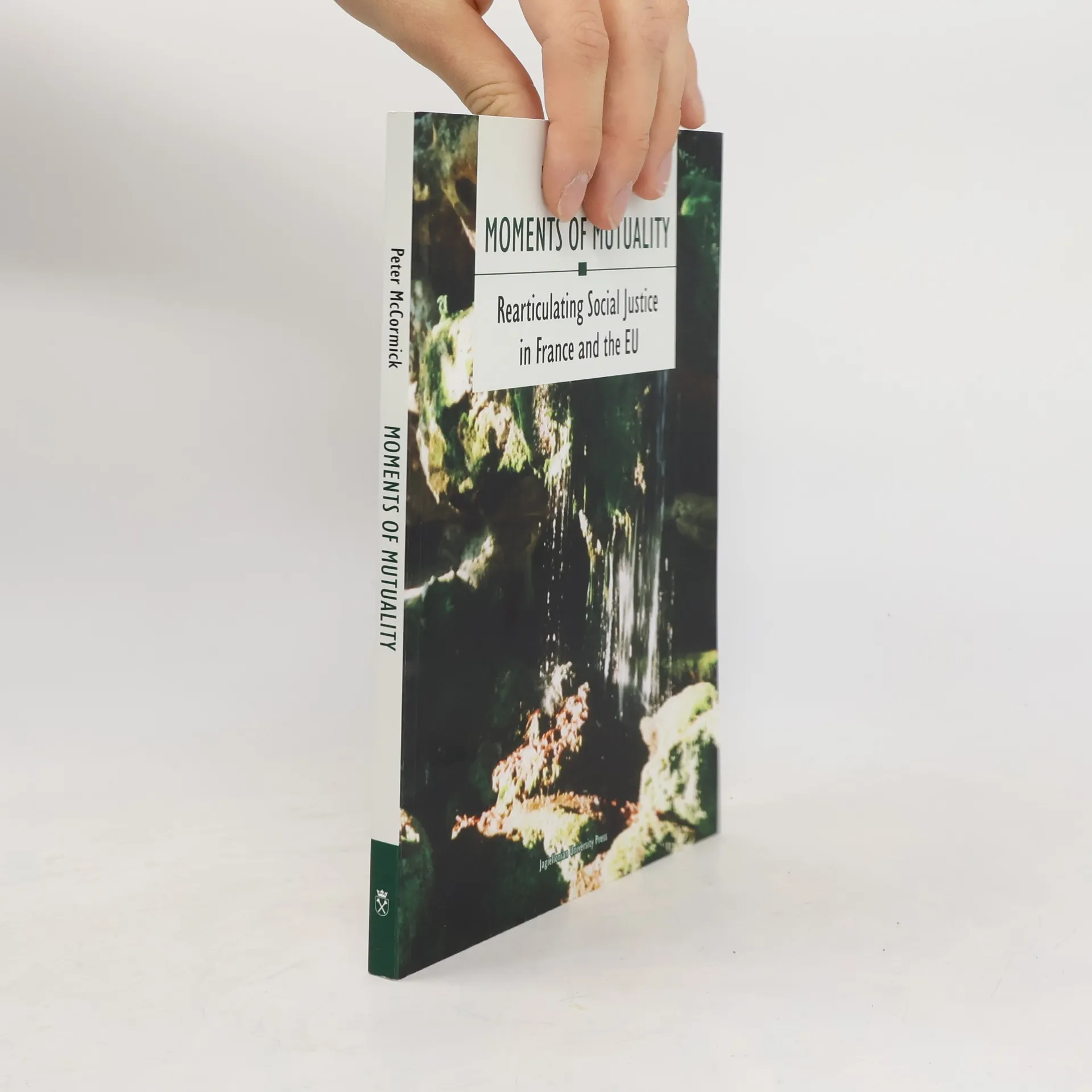
How can the ongoing suffering of impoverished street children in affluent European Union cities be effectively addressed? This philosophical essay argues that a key solution lies in redefining social injustice not merely as a lack of solidarity, but as a failure to envision and act upon mutualities. Originally presented in 2011 at the Institute of European Studies of the Jagiellonian University in Krakow, the essay examines the dire circumstances of street children in Paris, focusing on their poor health, inadequate housing, insufficient food, and lack of education. While contemporary philosophical insights from thinkers like J. Rawls, A. Sen, R. Dworkin, and J. Habermas offer valuable perspectives on social justice violations, they ultimately fall short in addressing these extreme conditions. However, their ideas can contribute to a redefined understanding of social justice in the European Union, emphasizing the importance of fairness, understanding, respect, and articulacy as essential components of mutualization. This reflection calls for a deeper engagement with the ethical implications of poverty and the responsibilities of society towards its most vulnerable members.