


Více o knize
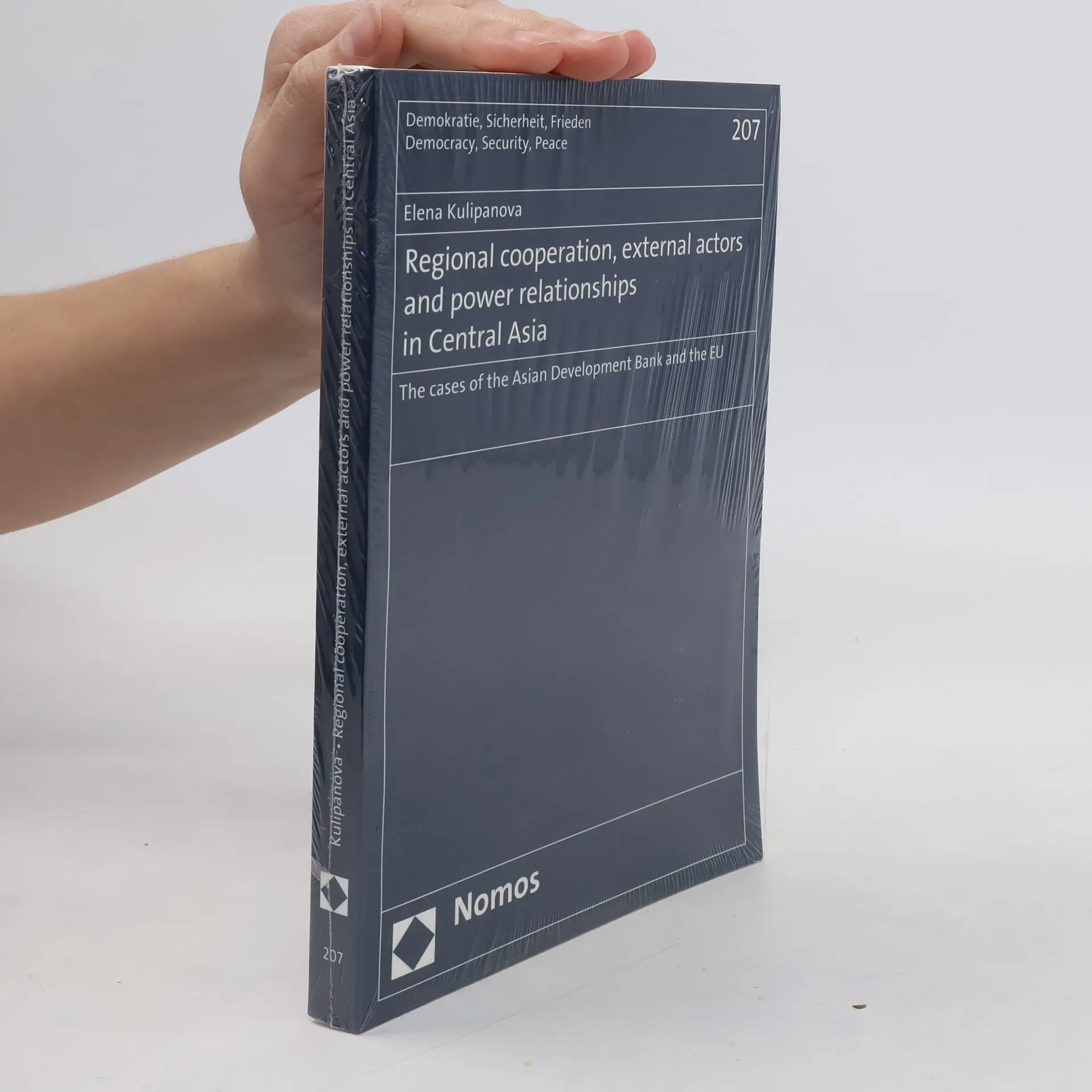
Why have international organizations largely failed to promote regional cooperation in Central Asia? This study addresses the issue of mixed results of organizations’ activities in the region and the still-ambivalent patterns of cooperation between and among the Central Asian states. Using the case studies of the ADB and the EU, it assesses the impact of external actors on interstate cooperation at the levels of domestic and regional politics. The study is grounded in the insights from a number of IR theories rooted in both rationalism and social constructivism. While conceptualizing impact in terms of power the book develops an analytical approach to understanding how international organizations try to induce change and identifies three possible explanations for their failure. Detailed investigation of the interests and policies of the Central Asian states – based on the case studies of international transport and trade facilitation – offers another approach to studying cooperation from a “functional” perspective. The book will be of interest to students and scholars of Central Asia, international organizations, European studies and development studies.
Nákup knihy
Regional cooperation, external actors and power relationships in Central Asia, Elena Kulipanova
- Jazyk

- Rok vydání
- 2013
- Vazba
- (měkká)
Doručení
Platební metody
Nikdo zatím neohodnotil.
- Titul
- Regional cooperation, external actors and power relationships in Central Asia
- Podtitul
- The cases of the Asian Development Bank and the EU
- Jazyk
- anglicky
- Autoři
- Elena Kulipanova
- Vydavatel
- Nomos
- Rok vydání
- 2013
- Vazba
- měkká
- Počet stran
- 319
- ISBN10
- 3848702487
- ISBN13
- 9783848702480
- Série
- Kategorie
- Štítky
- Vysokoškolské učebnice
- Anotace
- Why have international organizations largely failed to promote regional cooperation in Central Asia? This study addresses the issue of mixed results of organizations’ activities in the region and the still-ambivalent patterns of cooperation between and among the Central Asian states. Using the case studies of the ADB and the EU, it assesses the impact of external actors on interstate cooperation at the levels of domestic and regional politics. The study is grounded in the insights from a number of IR theories rooted in both rationalism and social constructivism. While conceptualizing impact in terms of power the book develops an analytical approach to understanding how international organizations try to induce change and identifies three possible explanations for their failure. Detailed investigation of the interests and policies of the Central Asian states – based on the case studies of international transport and trade facilitation – offers another approach to studying cooperation from a “functional” perspective. The book will be of interest to students and scholars of Central Asia, international organizations, European studies and development studies.