

Knihu momentálně nemáme skladem
Více o knize
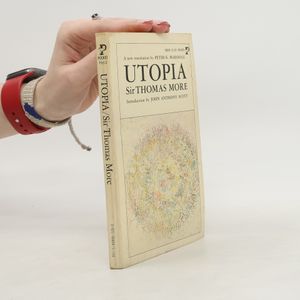
The narrative explores the Island of Utopia through the eyes of Raphael, reflecting More's vision of an ideal society while critiquing 16th-century European values. The blend of fictional characters with historical context reveals societal truths of the era. More's use of vivid imagery and references to Roman and Greek mythology enriches the text, making it accessible and engaging. The story gains momentum after a dinner scene with More and Giles, leading to deeper discussions about societal reform and the nature of happiness.


Vydání

- 2024

- 2024
- 2023
- 2023
- 2022
- 2022
- 2022
- 2022
- 2022
- 2022
- 2021
- 2021
- 2021
- 2021
- 2021
- 2021

- 2020
- 2020
- 2020
- 2020
- 2019
- 2019
- 2019
- 2018
- 2018
- 2018
- 2018
- 2018
- 2018
- 2018
- 2018
- 2018
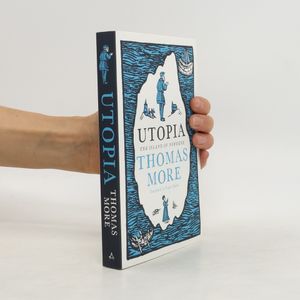
- 2017
- 2017
- 2017
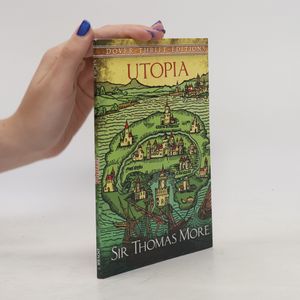
- 2016
- 2015
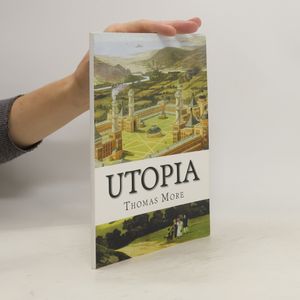
- 2014
- 2014
- 2013

- 2012
- 2012
- 2011
- 2011
- 2011
- 2011
- 2011


- 2010
- 2010
- 2010
- 2010

- 2009
- 2009
- 2008
- 2008

- 2006
- 2005
- 2005
- 2004

- 2001
- 1999


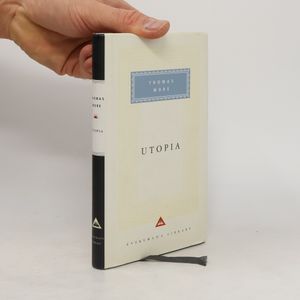




Nákup knihy
Utopia, Thomas More
- Jazyk

- Rok vydání
- 2018
- product-detail.submit-box.info.binding
- (pevná)
Doručení
Platební metody
Tady nám chybí tvá recenze.
- Titul
- Utopia
- Jazyk
- anglicky
- Autoři
- Thomas More
- Vydavatel
- IndoEuropeanPublishing.com
- Rok vydání
- 2018
- Vazba
- pevná
- Počet stran
- 140
- ISBN13
- 9781604449426
- Série
- Štítky
- Beletrie, Náboženská témata, Filosofická tématika, Sci-Fi, Klasika, Politika, Napětí, Společnost, Anglie, Budoucnost, Ostrovy, Socialismus, Utopie, Humanismus, Stát, Myšlenkové experimenty
- První vydání
- 1516
- Původní název
- Utopia
- Hodnocení
- 3,45 z 5
- Anotace
- The narrative explores the Island of Utopia through the eyes of Raphael, reflecting More's vision of an ideal society while critiquing 16th-century European values. The blend of fictional characters with historical context reveals societal truths of the era. More's use of vivid imagery and references to Roman and Greek mythology enriches the text, making it accessible and engaging. The story gains momentum after a dinner scene with More and Giles, leading to deeper discussions about societal reform and the nature of happiness.