

Více o knize
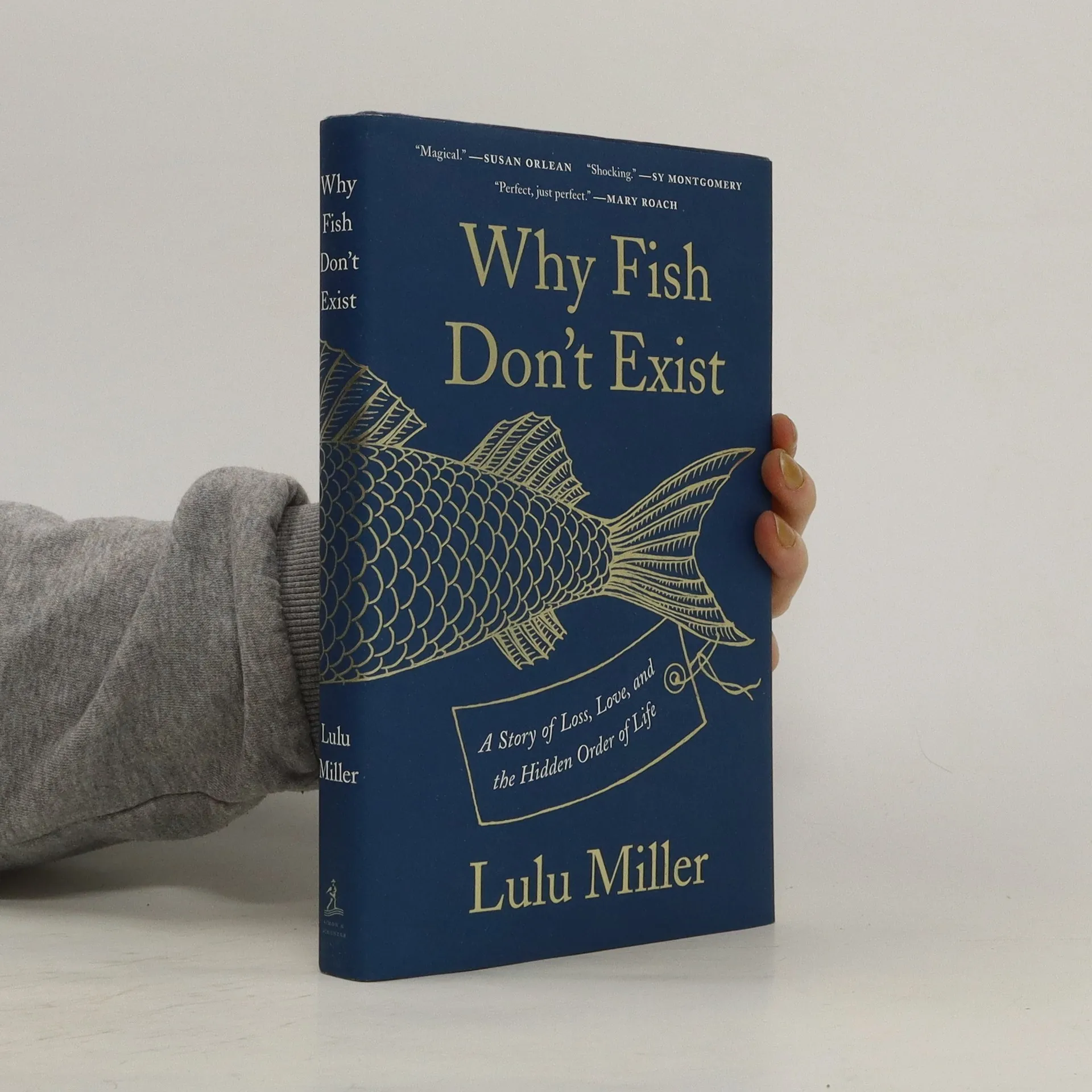
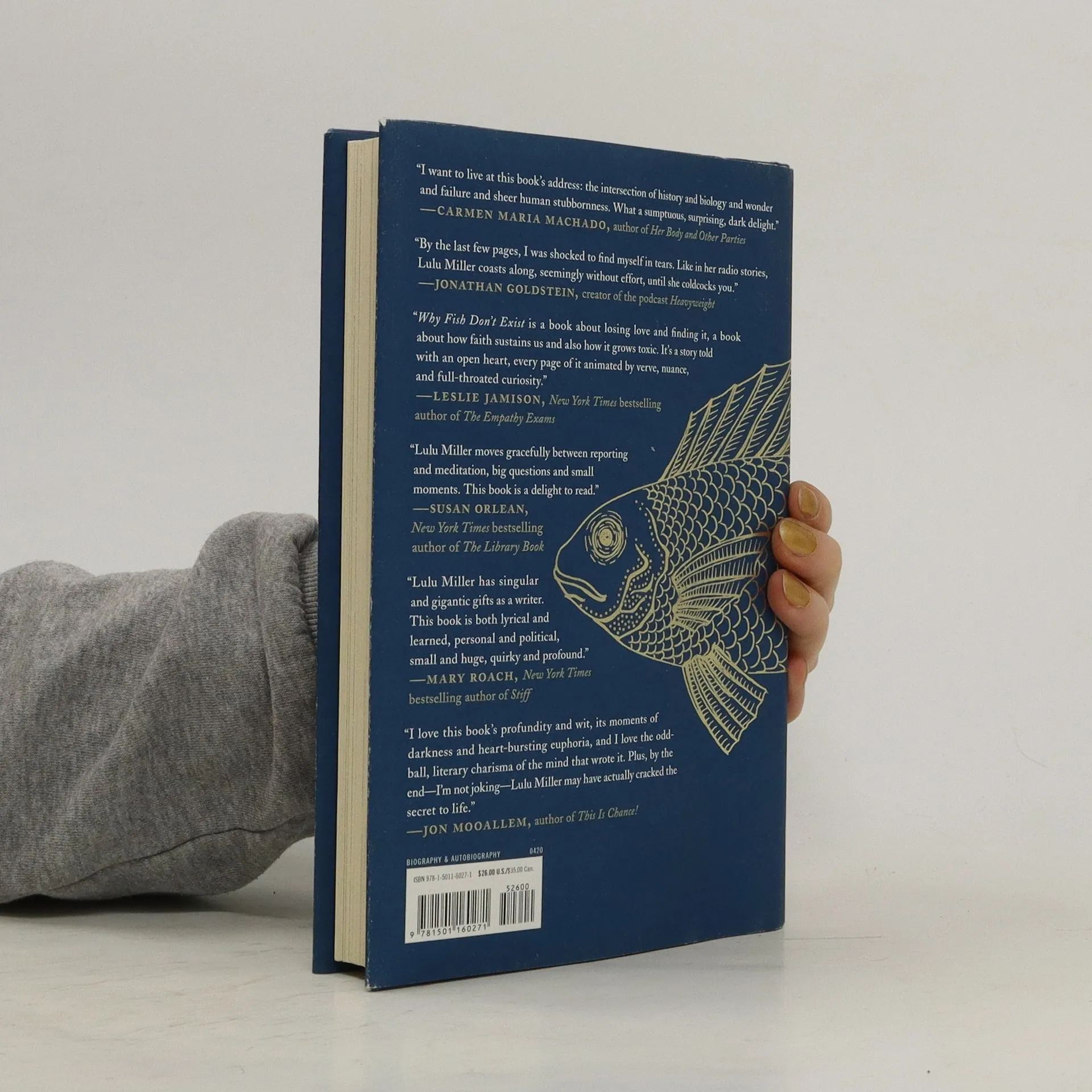
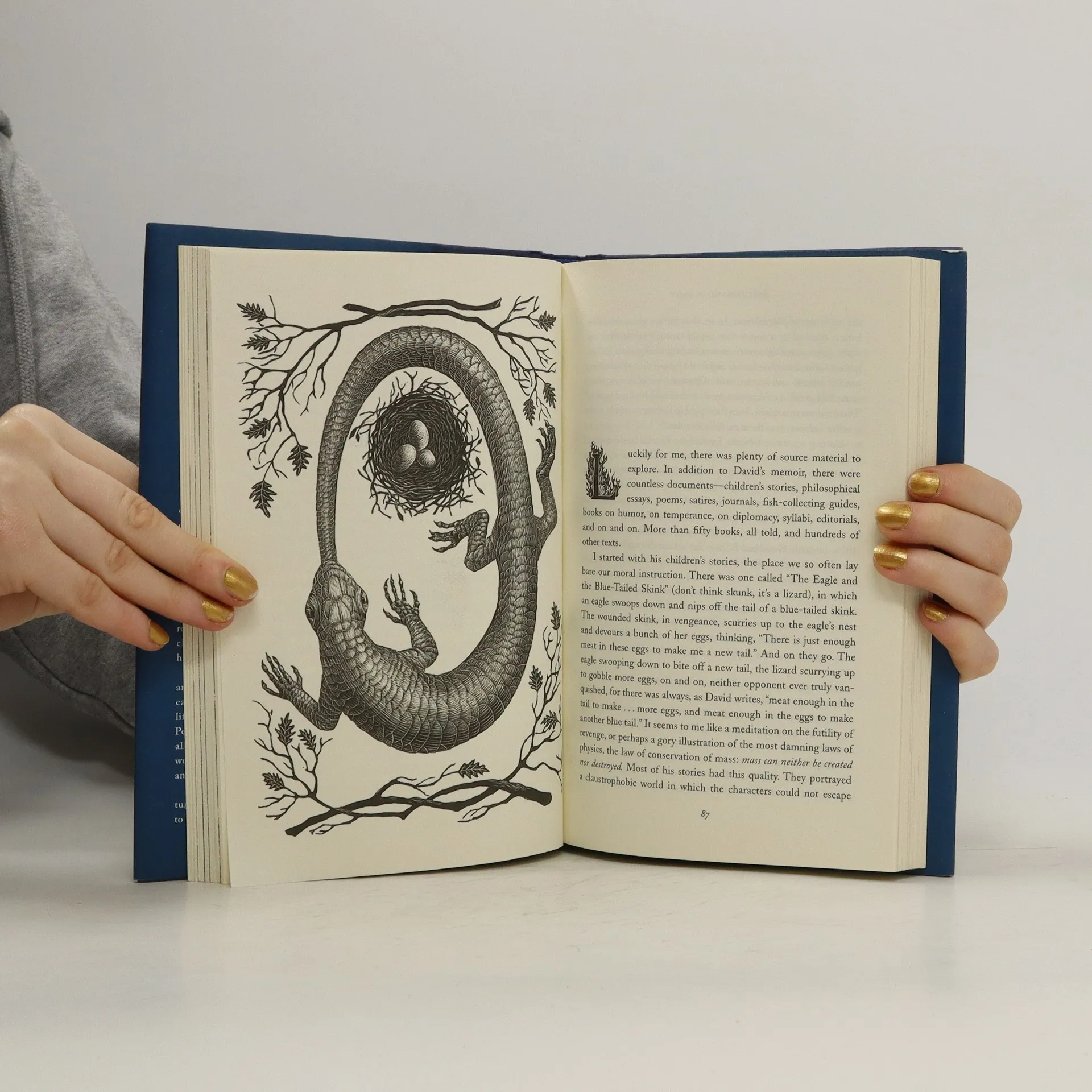
David Starr Jordan, a dedicated taxonomist, aimed to bring order to the natural world and is credited with discovering nearly a fifth of the known fish species of his time. However, as he uncovered the hidden blueprint of life, he faced relentless setbacks. His specimen collections were repeatedly destroyed—by lightning, fire, and ultimately, the 1906 San Francisco earthquake, which shattered over a thousand of his fragile discoveries. Many would have succumbed to despair, but Jordan surveyed the wreckage, recognized a familiar fish, and resolutely began to rebuild his collection. This time, he introduced an innovative method to safeguard his work against chaos. NPR reporter Lulu Miller initially viewed Jordan as a fool, seeing his story as a cautionary tale of hubris. Yet, as her own life unraveled, she began to see him differently—perhaps he was a model for resilience in the face of adversity. Her exploration of his life transformed her understanding of history, morality, and the world around her. Blending biography, memoir, and scientific adventure, this narrative serves as a fable about perseverance amid chaos.



Nákup knihy
Why Fish Don't Exist, Lulu Miller
- Jazyk

- Rok vydání
- 2020
- product-detail.submit-box.info.binding
- (pevná)
Doručení
Platební metody
Tady nám chybí tvá recenze.
- Titul
- Why Fish Don't Exist
- Jazyk
- anglicky
- Autoři
- Lulu Miller
- Vydavatel
- Simon & Schuster
- Rok vydání
- 2020
- Vazba
- pevná
- ISBN10
- 1501160273
- ISBN13
- 9781501160271
- Série
- Štítky
- Naučná literatura, Historické téma, Historie, Skutečné příběhy, Životopisy, Příroda, Věda, Autobiografie & Memoáry
- Hodnocení
- 4,2 z 5
- Anotace
- David Starr Jordan, a dedicated taxonomist, aimed to bring order to the natural world and is credited with discovering nearly a fifth of the known fish species of his time. However, as he uncovered the hidden blueprint of life, he faced relentless setbacks. His specimen collections were repeatedly destroyed—by lightning, fire, and ultimately, the 1906 San Francisco earthquake, which shattered over a thousand of his fragile discoveries. Many would have succumbed to despair, but Jordan surveyed the wreckage, recognized a familiar fish, and resolutely began to rebuild his collection. This time, he introduced an innovative method to safeguard his work against chaos. NPR reporter Lulu Miller initially viewed Jordan as a fool, seeing his story as a cautionary tale of hubris. Yet, as her own life unraveled, she began to see him differently—perhaps he was a model for resilience in the face of adversity. Her exploration of his life transformed her understanding of history, morality, and the world around her. Blending biography, memoir, and scientific adventure, this narrative serves as a fable about perseverance amid chaos.