



Více o knize
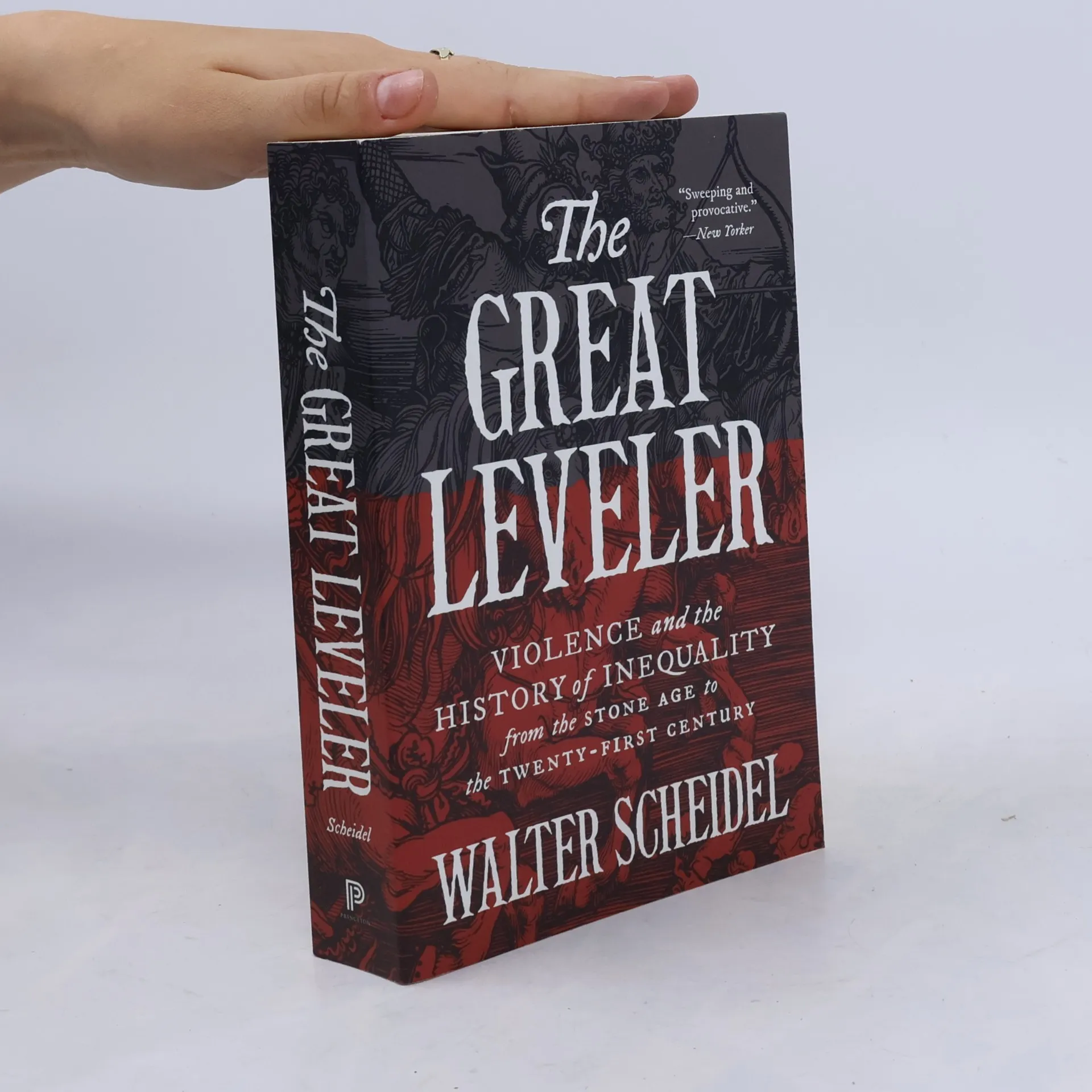
Are mass violence and catastrophes the only forces that can significantly reduce economic inequality? Historical evidence suggests they are. Tracing the global history of inequality from the Stone Age to the present, Walter Scheidel demonstrates that inequality declines only when faced with carnage and disaster, and tends to rise again during periods of peace and stability. This work charts the critical role of violent shocks in diminishing inequality throughout human history. Since the advent of agriculture and the transmission of wealth, economic inequality has been a hallmark of civilization. Over millennia, only violent events have notably lessened this inequality. The "Four Horsemen" of leveling—mass-mobilization warfare, transformative revolutions, state collapse, and catastrophic plagues—have repeatedly dismantled the wealth of the affluent. Scheidel explores these phenomena, from early civilization crises to the world wars and communist revolutions of the twentieth century. While the violence that historically mitigated inequality has waned, raising concerns about future equality, this analysis offers vital insights into the persistence of inequality and the challenges of achieving a more equitable society.




Nákup knihy
The Great Leveler, Walter Scheidel
- Jazyk

- Rok vydání
- 2018
- Vazba
- (měkká)
Doručení
Platební metody
Tady nám chybí tvá recenze.
- Titul
- The Great Leveler
- Jazyk
- anglicky
- Autoři
- Walter Scheidel
- Vydavatel
- Princeton University Press
- Rok vydání
- 2018
- Vazba
- měkká
- Počet stran
- 528
- ISBN10
- 0691183252
- ISBN13
- 9780691183251
- Série
- Štítky
- Naučná literatura, Společenské vědy, Historické téma, Historie, Byznys, Byznys & Management, Politologie & Politika, Filosofická tématika, Filosofie, Politika, Ekonomie, Vojenské dějiny, Války, Sociologie, Dárky pro dědu, Společnost, Mezinárodní vztahy
- První vydání
- 2017
- Původní název
- The Great Leveler: Violence and the History of Inequality from the Stone Age to the Twenty-First Century
- Hodnocení
- 3,8 z 5
- Anotace
- Are mass violence and catastrophes the only forces that can significantly reduce economic inequality? Historical evidence suggests they are. Tracing the global history of inequality from the Stone Age to the present, Walter Scheidel demonstrates that inequality declines only when faced with carnage and disaster, and tends to rise again during periods of peace and stability. This work charts the critical role of violent shocks in diminishing inequality throughout human history. Since the advent of agriculture and the transmission of wealth, economic inequality has been a hallmark of civilization. Over millennia, only violent events have notably lessened this inequality. The "Four Horsemen" of leveling—mass-mobilization warfare, transformative revolutions, state collapse, and catastrophic plagues—have repeatedly dismantled the wealth of the affluent. Scheidel explores these phenomena, from early civilization crises to the world wars and communist revolutions of the twentieth century. While the violence that historically mitigated inequality has waned, raising concerns about future equality, this analysis offers vital insights into the persistence of inequality and the challenges of achieving a more equitable society.