

Více o knize
In The Divided Self (1960), Laing contrasted the experience of the "ontologically secure" person with that of a person who "cannot take the realness, aliveness, autonomy and identity of himself and others for granted" and who consequently contrives strategies to avoid "losing his self". Laing explains how we all exist in the world as beings, defined by others who carry a model of us in their heads, just as we carry models of them in our heads. In later writings he often takes this to deeper levels, laboriously spelling out how "A knows that B knows that A knows that B knows..."! Our feelings and motivations derive very much from this condition of "being in the world" in the sense of existing for others, who exist for us. Without this we suffer "ontological insecurity", a condition often expressed in terms of "being dead" by people who are clearly still physically alive.




Nákup knihy
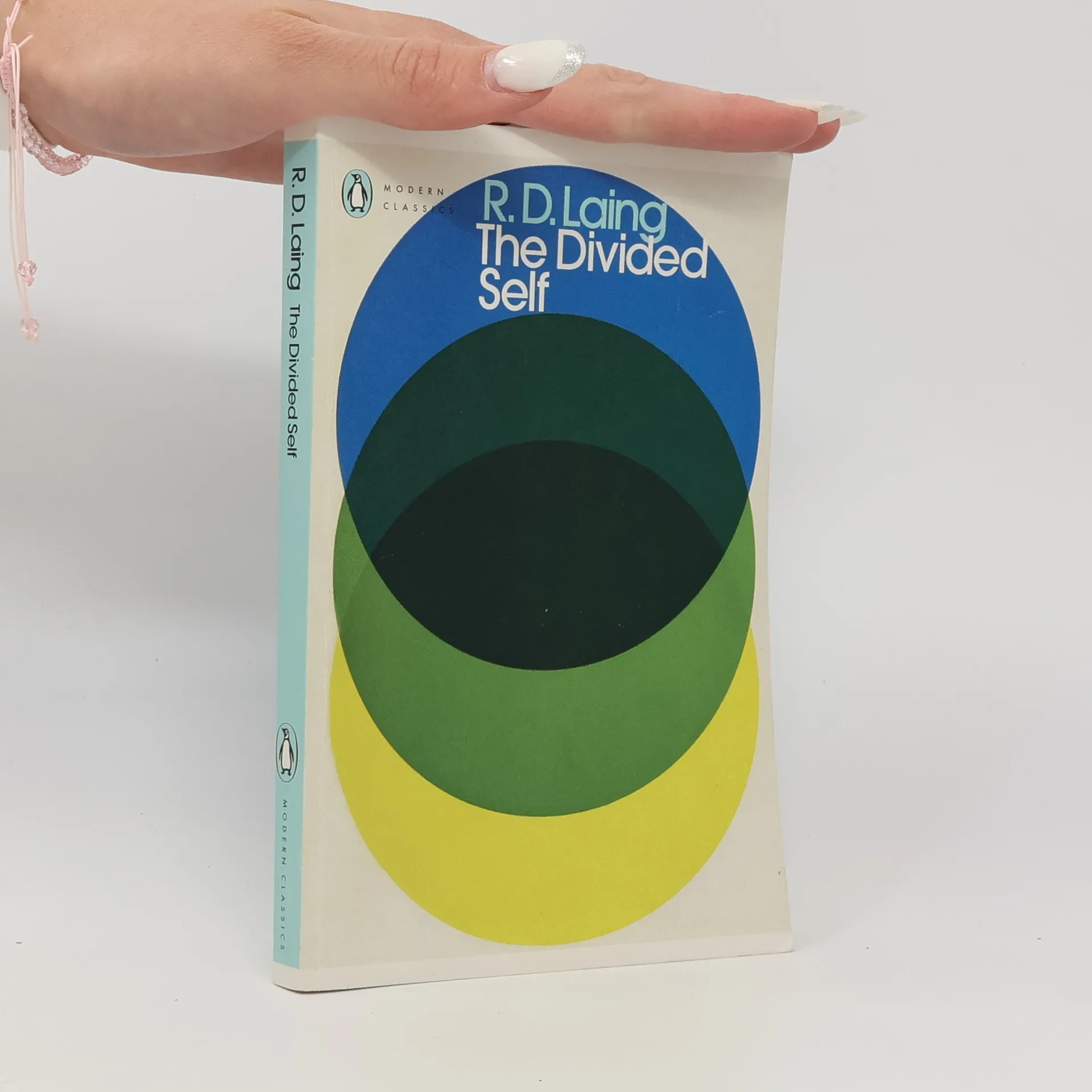
The Divided Self, Ronald David Laing
- Jazyk

- Rok vydání
- product-detail.submit-box.info.binding
- (měkká)
Doručení
Platební metody
Tady nám chybí tvá recenze.
- Titul
- The Divided Self
- Jazyk
- anglicky
- Autoři
- Ronald David Laing
- Vydavatel
- Penguin
- Vazba
- měkká
- ISBN10
- 024156297X
- ISBN13
- 9780241562970
- Série
- Štítky
- Naučná literatura, Společenské vědy, Psychologická tématika, Filosofická tématika, Filosofie, Psychologie, Věda, Duševní zdraví, Psychoanalýza, Psychiatrie, Schizofrenie
- Původní název
- The Divided Self: An Existential Study in Sanity and Madness
- Hodnocení
- 4,1 z 5
- Anotace
- In The Divided Self (1960), Laing contrasted the experience of the "ontologically secure" person with that of a person who "cannot take the realness, aliveness, autonomy and identity of himself and others for granted" and who consequently contrives strategies to avoid "losing his self". Laing explains how we all exist in the world as beings, defined by others who carry a model of us in their heads, just as we carry models of them in our heads. In later writings he often takes this to deeper levels, laboriously spelling out how "A knows that B knows that A knows that B knows..."! Our feelings and motivations derive very much from this condition of "being in the world" in the sense of existing for others, who exist for us. Without this we suffer "ontological insecurity", a condition often expressed in terms of "being dead" by people who are clearly still physically alive.