


Parametry
- 340 stránek
- 12 hodin čtení
Více o knize
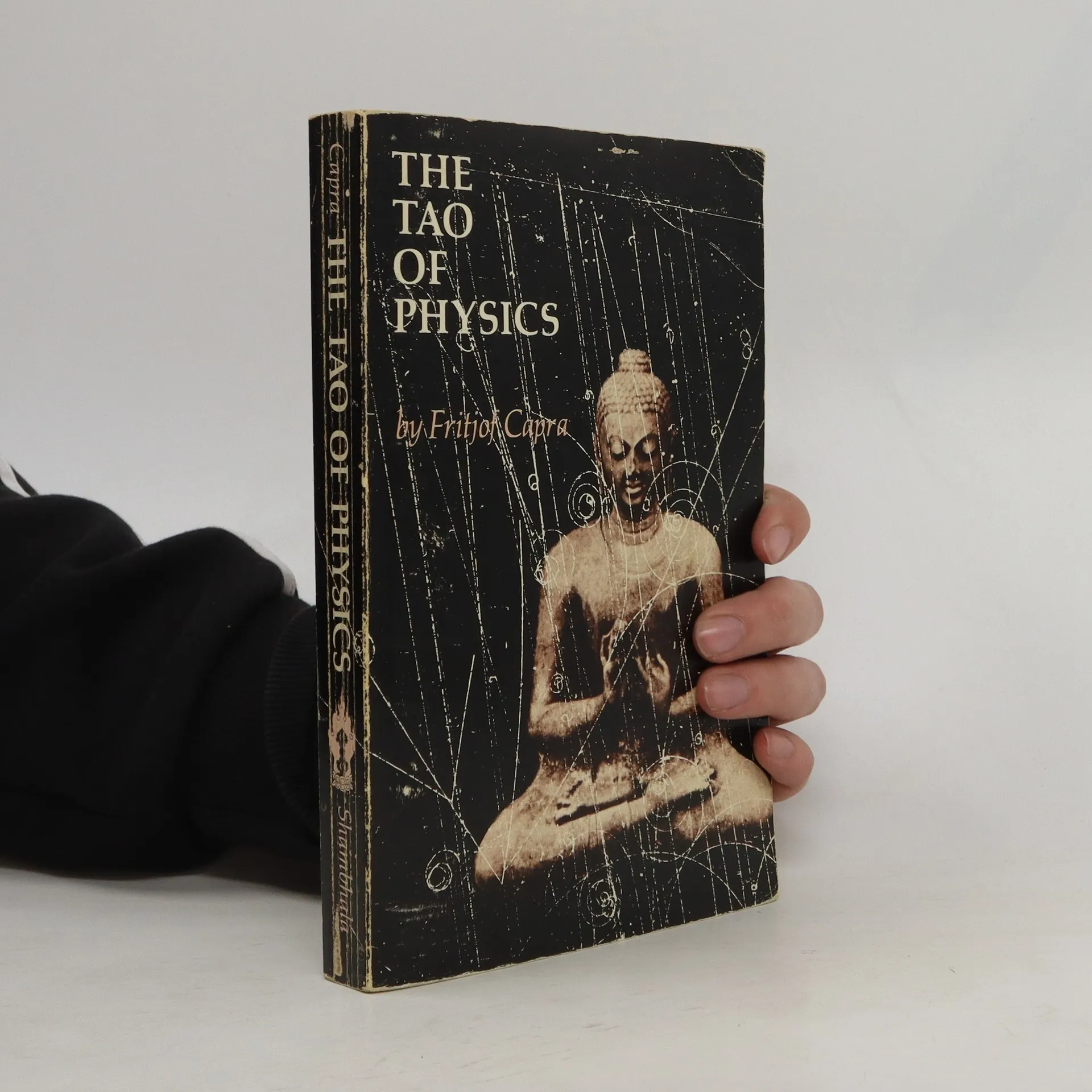
" Science does not need mysticism and mysticism does not need science, but man needs both." -- Fritjof Capra, Ph.D.Their paths to the truth could not be more different-- but the amazing thing is that, in their own ways, the mystics and the scientists are discovering the same truths about our world. In non-technical language, with no complex mathematics or formulae, this thought-provoking program explores the main concepts and theories of modern physics, the revelations coming from particle accelerators and laboratories-- and compares them with the ancient tenets of Hinduism, Buddhism and Taoism. In the process, we gain a clear and fascinating picture of how such seemingly disparate areas of thought are ultimately quests for the same kind of understanding.





Nákup knihy
The Tao of Physics, Fritjof Capra
- Jazyk

- Rok vydání
- 1975
- Vazba
- (měkká)
Doručení
Platební metody
Tady nám chybí tvá recenze.
- Titul
- The Tao of Physics
- Jazyk
- anglicky
- Autoři
- Fritjof Capra
- Vydavatel
- Shambhala Publications
- Rok vydání
- 1975
- Vazba
- měkká
- Počet stran
- 340
- ISBN10
- 0394731115
- ISBN13
- 9780394731117
- Série
- Štítky
- Naučná literatura, Duchovní literatura, Věda & Matematika, Přírodní vědy, Náboženská témata, Náboženství, Spiritualita a duchovno, Věda, Fyzika, Buddhismus, Mystika, New Age, Hinduismus, Taoismus, Východní filozofie, Astrofyzika, Věda a víra, Částicová fyzika
- První vydání
- 1975
- Původní název
- The Tao of Physics
- Hodnocení
- 3,95 z 5
- Anotace
- " Science does not need mysticism and mysticism does not need science, but man needs both." -- Fritjof Capra, Ph.D.Their paths to the truth could not be more different-- but the amazing thing is that, in their own ways, the mystics and the scientists are discovering the same truths about our world. In non-technical language, with no complex mathematics or formulae, this thought-provoking program explores the main concepts and theories of modern physics, the revelations coming from particle accelerators and laboratories-- and compares them with the ancient tenets of Hinduism, Buddhism and Taoism. In the process, we gain a clear and fascinating picture of how such seemingly disparate areas of thought are ultimately quests for the same kind of understanding.