

Více o knize
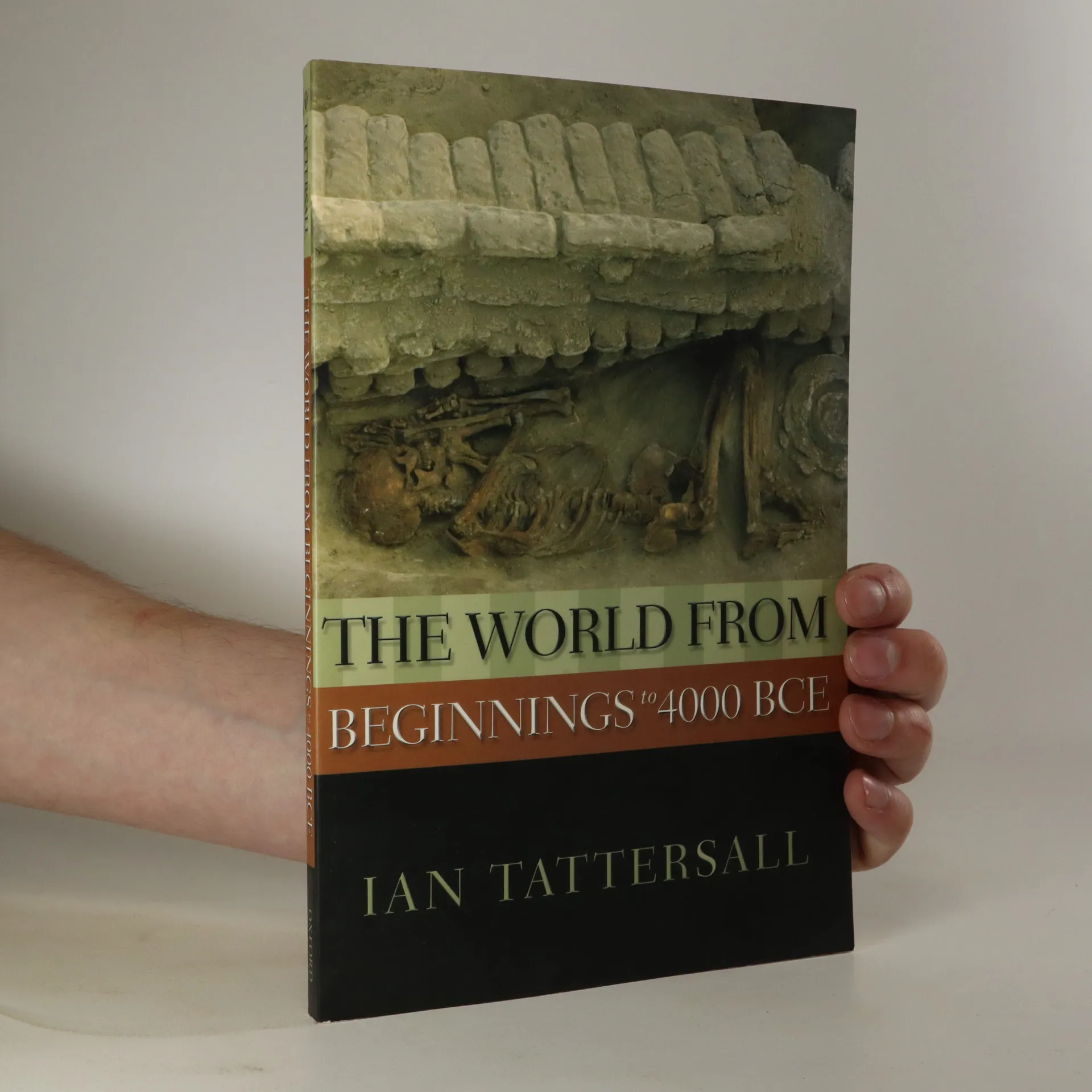
To be human means to be curious, and one of the things we should be curious about is how we came to be what we are and how we evolved over millions of years to become creatures capable of questioning and exploring our evolution. In this engaging and enjoyable introduction, renowned anthropologist Ian Tattersall meticulously examines anthropological and fossil records, tracing the evolution of humans from the earliest beginnings of our animal family; human ancestors, through the emergence of Homo sapiens, to the agricultural revolution. Tattersall begins his inquiry with an open overview of evolutionary theory and then explores key turning points in human evolution, the emergence of the human genus, the advantages of bipedalism, the birth of the large brain, symbolic thinking, and tool-making in the Paleolithic and Neolithic eras, culminating in the significant shift from hunter-gatherer societies to agricultural societies 10,000 years ago, focusing particularly on the patterns of events and innovations in biological and cultural human development. Tattersall provides commentary that highlights a wide range of topics, including the latest known forms of artistic expression, ancient burial rituals, the beginnings of language, the likely causes of Neanderthal extinction, the relationship between agriculture and Christianity, and the still unresolved mysteries of human consciousness.
Nákup knihy
The World from Beginnings to 400 BCE, Ian Tattersall
- Jazyk

- Rok vydání
- 2008
- Vazba
- (měkká)
Doručení
Platební metody
Tady nám chybí tvá recenze.
- Titul
- The World from Beginnings to 400 BCE
- Jazyk
- anglicky
- Autoři
- Ian Tattersall
- Rok vydání
- 2008
- Vazba
- měkká
- ISBN10
- 0195333152
- ISBN13
- 9780195333152
- Série
- Kategorie
- Hodnocení
- 3,75 z 5
- Anotace
- To be human means to be curious, and one of the things we should be curious about is how we came to be what we are and how we evolved over millions of years to become creatures capable of questioning and exploring our evolution. In this engaging and enjoyable introduction, renowned anthropologist Ian Tattersall meticulously examines anthropological and fossil records, tracing the evolution of humans from the earliest beginnings of our animal family; human ancestors, through the emergence of Homo sapiens, to the agricultural revolution. Tattersall begins his inquiry with an open overview of evolutionary theory and then explores key turning points in human evolution, the emergence of the human genus, the advantages of bipedalism, the birth of the large brain, symbolic thinking, and tool-making in the Paleolithic and Neolithic eras, culminating in the significant shift from hunter-gatherer societies to agricultural societies 10,000 years ago, focusing particularly on the patterns of events and innovations in biological and cultural human development. Tattersall provides commentary that highlights a wide range of topics, including the latest known forms of artistic expression, ancient burial rituals, the beginnings of language, the likely causes of Neanderthal extinction, the relationship between agriculture and Christianity, and the still unresolved mysteries of human consciousness.