

Knihu momentálně nemáme skladem
Více o knize
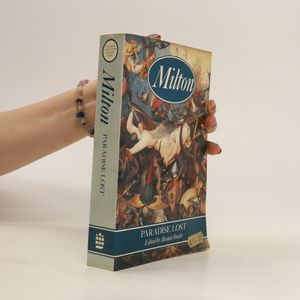
The poem delves into the Judeo-Christian narrative of the Fall of Man, highlighting the temptation of Adam and Eve by Satan and their subsequent expulsion from Eden. Milton aims to explore the complex relationship between divine providence and human free will, seeking to justify God's actions to humanity. Originally published in ten books and later revised into twelve, it showcases Milton's mastery of blank verse and reflects profound theological themes.



Vydání
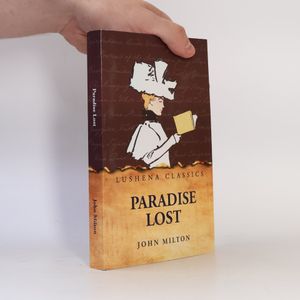
- 2024

- 2024
- 2023
- 2023
- 2023
- 2023

- 2022
- 2022
- 2022
- 2022
- 2022
- 2022
- 2022
- 2022
- 2021
- 2021
- 2021
- 2021
- 2021
- 2021
- 2020
- 2020
- 2020
- 2020
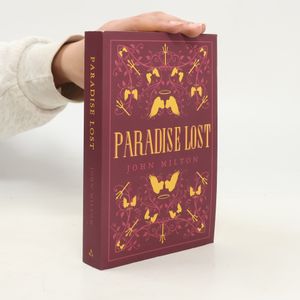
- 2018
- 2018
- 2018
- 2018
- 2018
- 2018
- 2018
- 2018
- 2018
- 2018

- 2017
- 2017
- 2017
- 2017

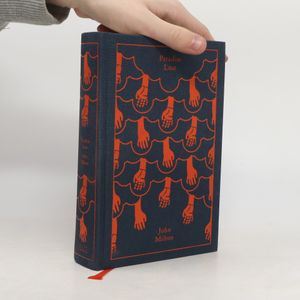
- 2016
- 2016

- 2014
- 2013
- 2013
- 2012
- 2011
- 2011
- 2011
- 2010
- 2010
- 2010
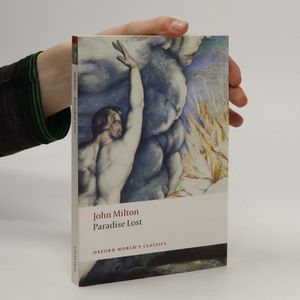
- 2008
- 2008
- 2008
- 2008
- 2008
- 2007

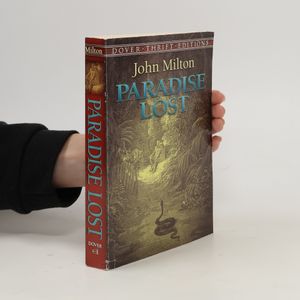
- 2005
- 2004
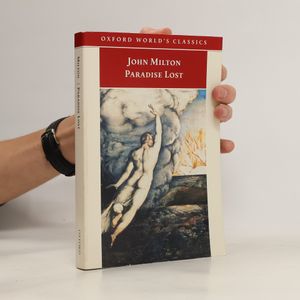

- 2003
- 2003


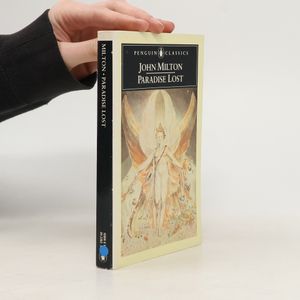
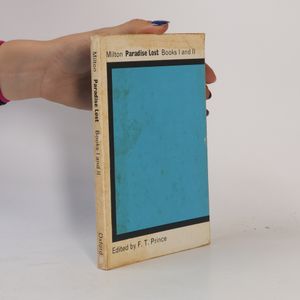


Doručení
Platební metody
Tady nám chybí tvá recenze.
- Titul
- Paradise Lost
- Jazyk
- anglicky
- Autoři
- John Milton
- Vydavatel
- Namaskar Books
- Rok vydání
- 2021
- Počet stran
- 346
- ISBN13
- 9789390600977
- Série
- Štítky
- Beletrie, Historické romány, Poezie, Náboženská témata, Klasika, Křesťanská témata, Anglie, Afrika, Anglická literatura, Pomsta, Lyrika, Bůh, Ježíš Kristus, Nobelova cena, Epos, Starý zákon, Utopie, Africká literatura, Příběhy Bible, Peklo, Čerti, Nebe, Biblické postavy, Ráj, Tanzanie, Ďábel, satan, Padlí andělé
- První vydání
- 1667
- Původní název
- Paradise Lost
- Hodnocení
- 4,25 z 5
- Anotace
- The poem delves into the Judeo-Christian narrative of the Fall of Man, highlighting the temptation of Adam and Eve by Satan and their subsequent expulsion from Eden. Milton aims to explore the complex relationship between divine providence and human free will, seeking to justify God's actions to humanity. Originally published in ten books and later revised into twelve, it showcases Milton's mastery of blank verse and reflects profound theological themes.