



Více o knize
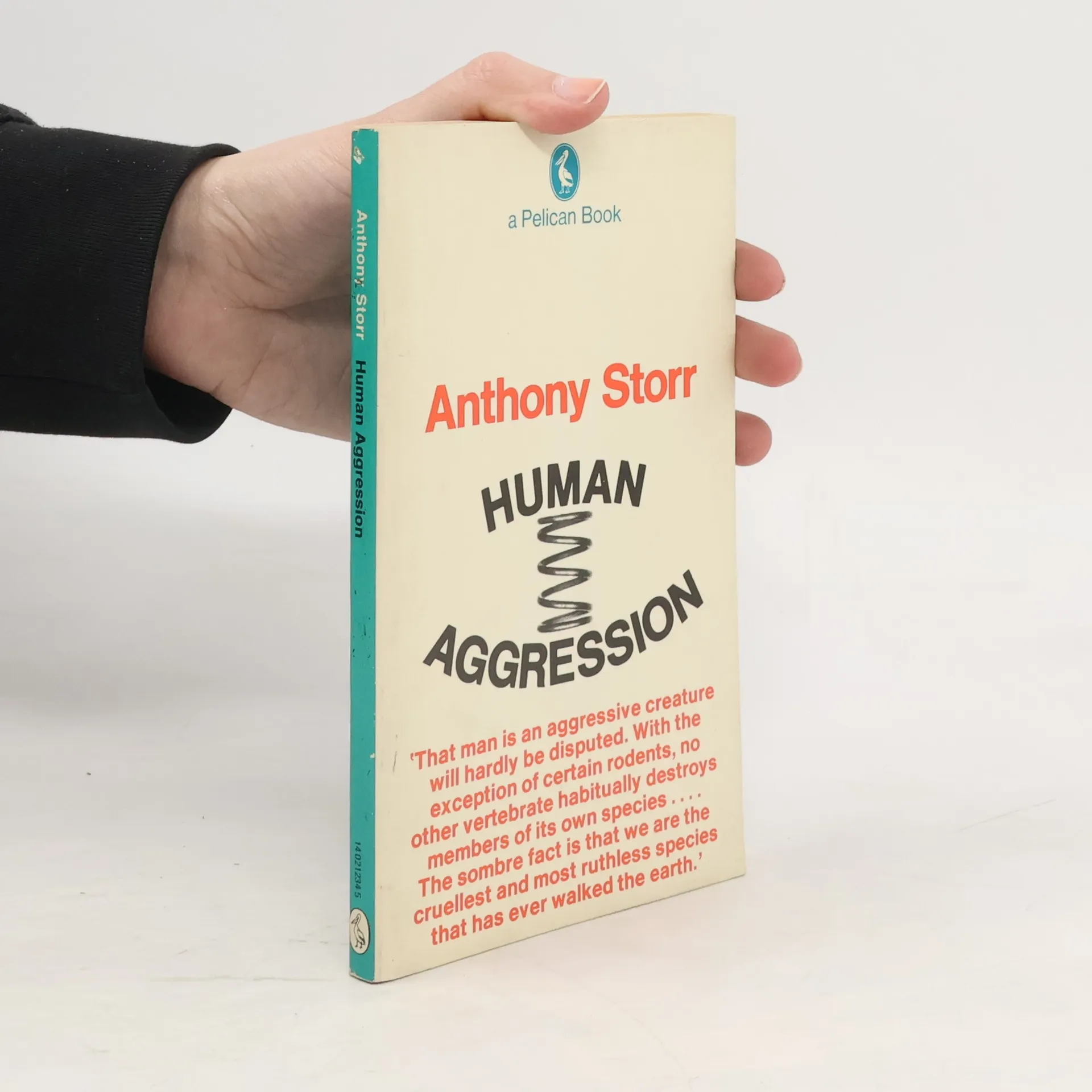
First published in 1972, this work provides a classic study of humanity's capacity for evil. The human species is capable of the most appalling cruelty. Why is this and where does our capacity for such destructiveness come from? Anthony Storr explores these important questions. In seeking to shed light on brutal phenomena such as genocide, racial conflict, and other large-scale manifestations of violence, he cautions against easy extrapolations from individual behavior to the behavior of groups and nations, though he offers illuminating discussions of aggressive personality disorders, sadomasochism, and the mechanisms of paranoid delusion. Most provocatively, he locates the propensity for mass outbreaks of cruelty in the imagination: to be able to see fellow human beings as wholly evil requires an imaginative capacity not found in other species. Combining wide scholarship, humane intelligence, and a graceful style, this work provides an illuminating study of some of the darkest corners of the human psyche.



Nákup knihy
Human aggression, Anthony Storr
- Jazyk

- Rok vydání
- 1968
- product-detail.submit-box.info.binding
- (měkká)
Doručení
Platební metody
Tady nám chybí tvá recenze.
- Titul
- Human aggression
- Jazyk
- anglicky
- Autoři
- Anthony Storr
- Vydavatel
- Atheneum
- Rok vydání
- 1968
- Vazba
- měkká
- Série
- Hodnocení
- 3,6 z 5
- Anotace
- First published in 1972, this work provides a classic study of humanity's capacity for evil. The human species is capable of the most appalling cruelty. Why is this and where does our capacity for such destructiveness come from? Anthony Storr explores these important questions. In seeking to shed light on brutal phenomena such as genocide, racial conflict, and other large-scale manifestations of violence, he cautions against easy extrapolations from individual behavior to the behavior of groups and nations, though he offers illuminating discussions of aggressive personality disorders, sadomasochism, and the mechanisms of paranoid delusion. Most provocatively, he locates the propensity for mass outbreaks of cruelty in the imagination: to be able to see fellow human beings as wholly evil requires an imaginative capacity not found in other species. Combining wide scholarship, humane intelligence, and a graceful style, this work provides an illuminating study of some of the darkest corners of the human psyche.