



Více o knize
When did humans develop spiritual thought? What is religion's evolutionary purpose? In our increasingly secular world, why has it endured? Every society has lived with religion. An evolutionary psychologist tracks its origins to the 'mystical stance'—a psychological predisposition that allows belief in a transcendent world and facilitates spiritual encounters. By examining world religions and those practiced by hunter-gatherer societies, the author argues that this instinct is not merely a human quirk but rather an evolutionary advantage. Religion enhances individual health and wellbeing and fosters large-scale social bonding, helping to maintain cohesion in fractious societies. This perspective may provide a unified theory explaining why and how humans are religious, integrating the diverse strands within the field. Utilizing groundbreaking research, clinical case studies, and global fieldwork, alongside stories of charismatic cult leaders and lost faiths, the analysis delves into the quintessentially human impulse to believe.
Nákup knihy
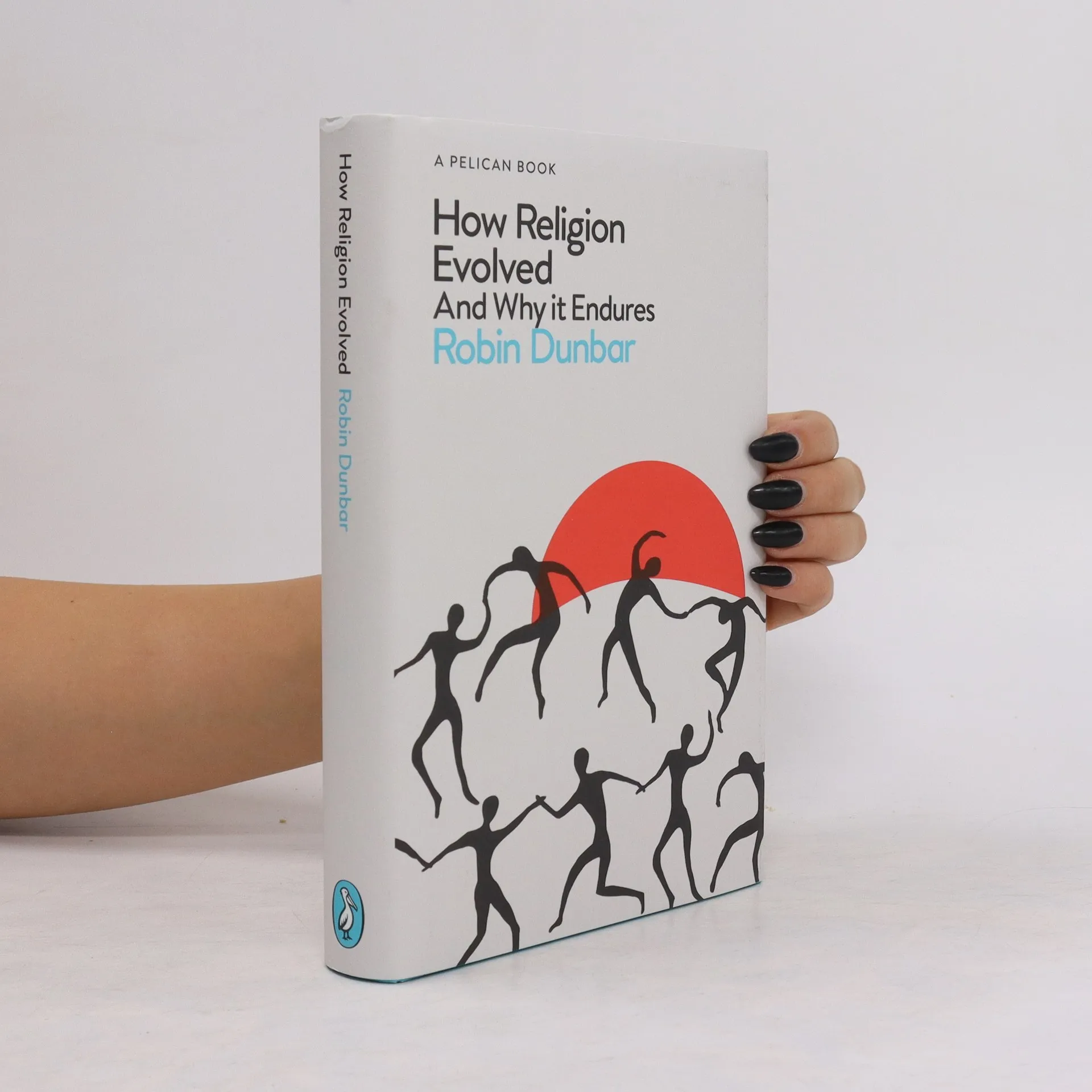
How Religion Evolved And Why it Endures, Robin Ian MacDonald Dunbar
- Jazyk

- Rok vydání
- 2022
- Vazba
- (pevná)
Tady nám chybí tvá recenze.
- Titul
- How Religion Evolved And Why it Endures
- Jazyk
- anglicky
- Vydavatel
- A pelican book
- Rok vydání
- 2022
- Vazba
- pevná
- Počet stran
- 352
- ISBN10
- 0241431786
- ISBN13
- 9780241431788
- Série
- Kategorie
- Hodnocení
- 3,95 z 5
- Anotace
- When did humans develop spiritual thought? What is religion's evolutionary purpose? In our increasingly secular world, why has it endured? Every society has lived with religion. An evolutionary psychologist tracks its origins to the 'mystical stance'—a psychological predisposition that allows belief in a transcendent world and facilitates spiritual encounters. By examining world religions and those practiced by hunter-gatherer societies, the author argues that this instinct is not merely a human quirk but rather an evolutionary advantage. Religion enhances individual health and wellbeing and fosters large-scale social bonding, helping to maintain cohesion in fractious societies. This perspective may provide a unified theory explaining why and how humans are religious, integrating the diverse strands within the field. Utilizing groundbreaking research, clinical case studies, and global fieldwork, alongside stories of charismatic cult leaders and lost faiths, the analysis delves into the quintessentially human impulse to believe.