

Více o knize
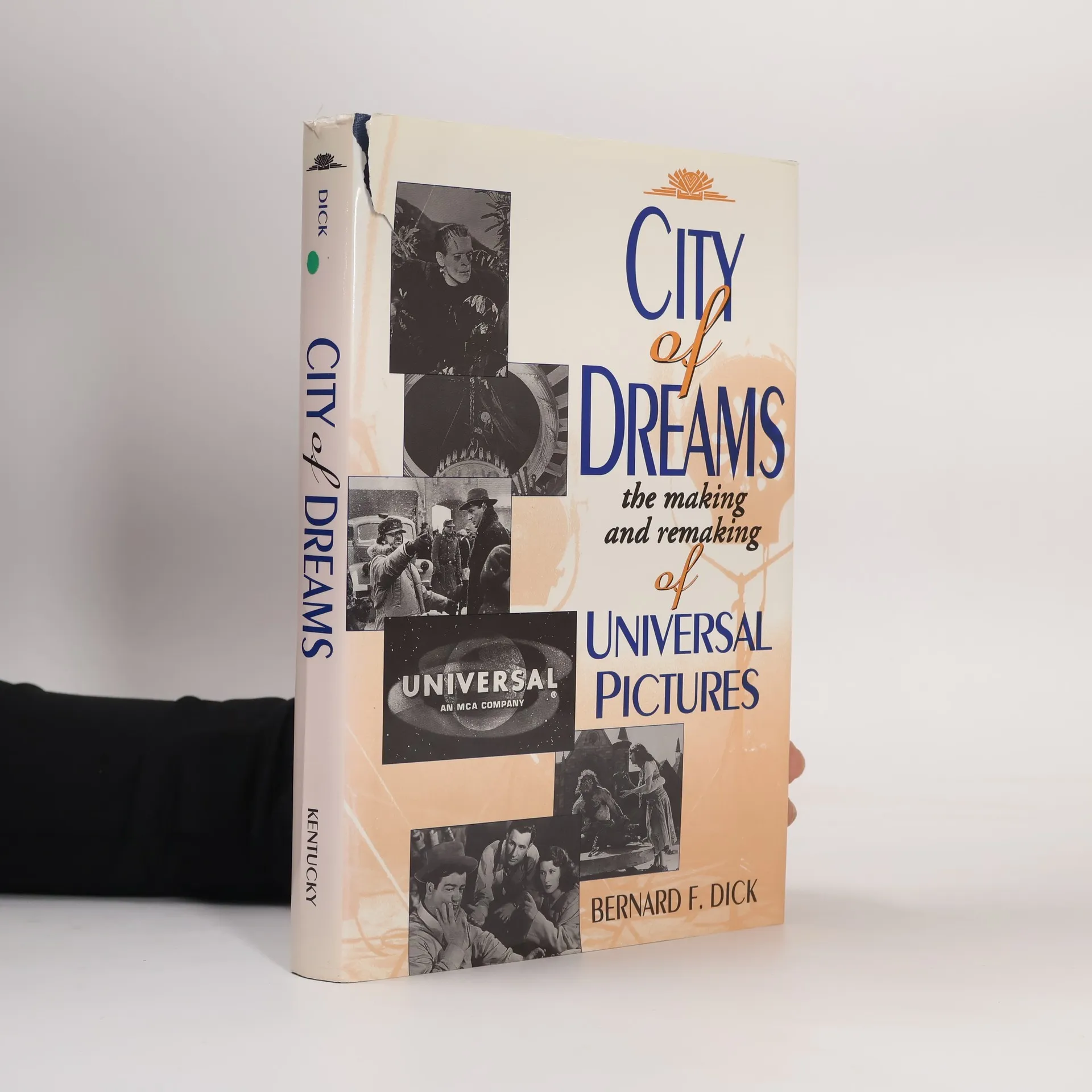
Horror films, Deanna Durbin musicals, Francis the talking mule, and iconic theme parks are just a glimpse into the legacy of Universal Pictures. In February 1906, Carl Laemmle, a German immigrant, opened his first nickelodeon in Chicago, transitioning from exhibition to distribution and film production. A savvy promoter, he relocated to Southern California within a decade, establishing Universal Pictures as a major Hollywood studio and founding a city in the process. Universal carved its niche with horror films featuring Karloff and Lugosi, comedies with Abbott and Costello, and low-budget musicals. However, Carl Laemmle Jr. struggled with empire building, leading to his ousting amid financial troubles. This set the stage for a series of studio heads who came and went, marking the early arrival of corporate Hollywood at Universal. The 1946 Universal-International merger, Decca's stock takeover in the early 1950s, and MCA's buyout in 1962 signaled a shift where business often overshadowed filmmaking. Despite the constant changes in stars and executives that reshaped its image, Universal's iconic globe logo has remained a fixture on screens worldwide. Unlike many of its contemporaries, Universal continues to produce films today.


Nákup knihy
City of Dreams, Bernard F. Dick
- Jazyk

- Rok vydání
- 1997
- product-detail.submit-box.info.binding
- (pevná)
Doručení
Platební metody
Tady nám chybí tvá recenze.
- Titul
- City of Dreams
- Podtitul
- The Making and Remaking of Universal Pictures
- Jazyk
- anglicky
- Autoři
- Bernard F. Dick
- Vydavatel
- The University Press of Kentucky
- Rok vydání
- 1997
- Vazba
- pevná
- Počet stran
- 249
- ISBN10
- 0813120160
- ISBN13
- 9780813120164
- Série
- Hodnocení
- 3,3 z 5
- Anotace
- Horror films, Deanna Durbin musicals, Francis the talking mule, and iconic theme parks are just a glimpse into the legacy of Universal Pictures. In February 1906, Carl Laemmle, a German immigrant, opened his first nickelodeon in Chicago, transitioning from exhibition to distribution and film production. A savvy promoter, he relocated to Southern California within a decade, establishing Universal Pictures as a major Hollywood studio and founding a city in the process. Universal carved its niche with horror films featuring Karloff and Lugosi, comedies with Abbott and Costello, and low-budget musicals. However, Carl Laemmle Jr. struggled with empire building, leading to his ousting amid financial troubles. This set the stage for a series of studio heads who came and went, marking the early arrival of corporate Hollywood at Universal. The 1946 Universal-International merger, Decca's stock takeover in the early 1950s, and MCA's buyout in 1962 signaled a shift where business often overshadowed filmmaking. Despite the constant changes in stars and executives that reshaped its image, Universal's iconic globe logo has remained a fixture on screens worldwide. Unlike many of its contemporaries, Universal continues to produce films today.