




Více o knize
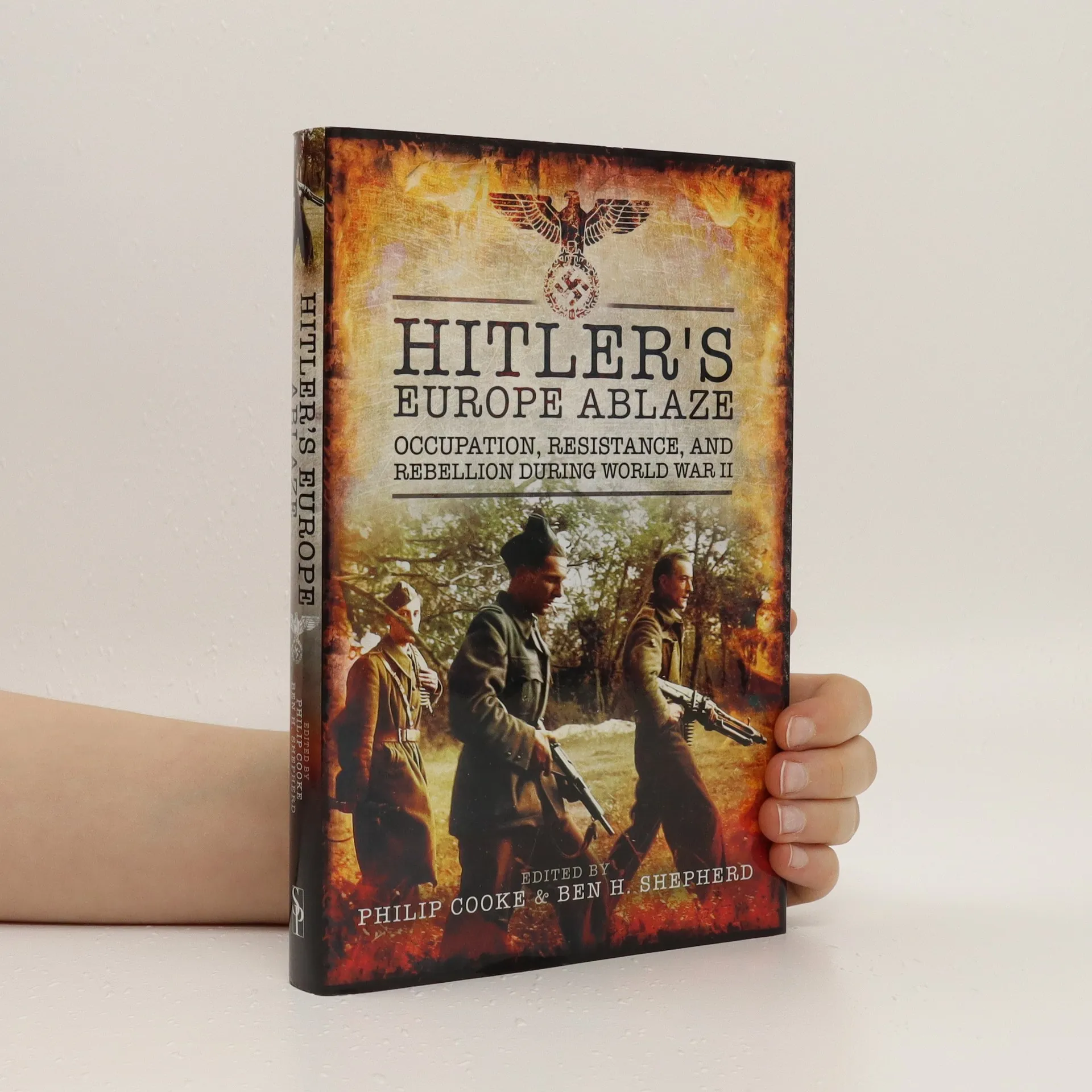
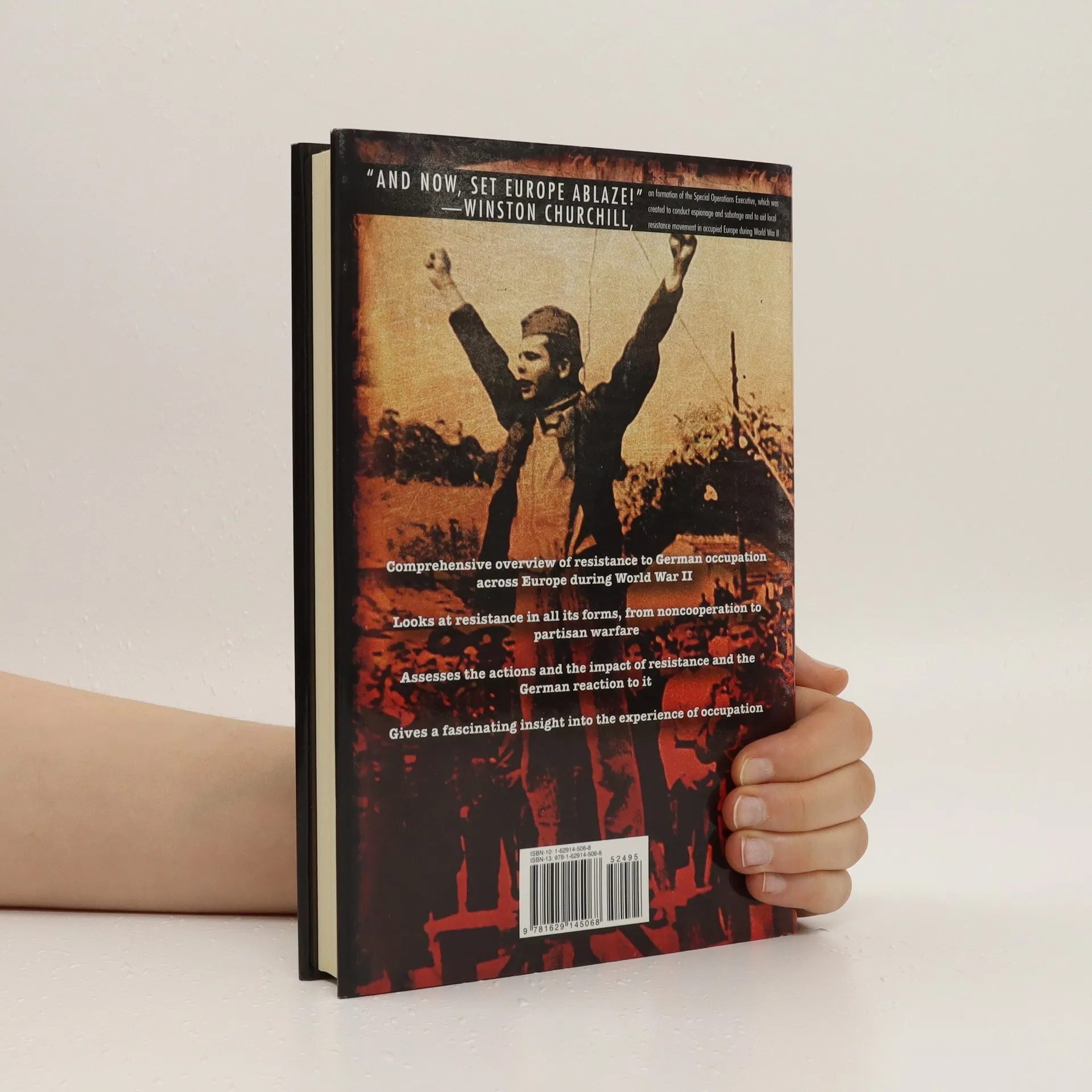
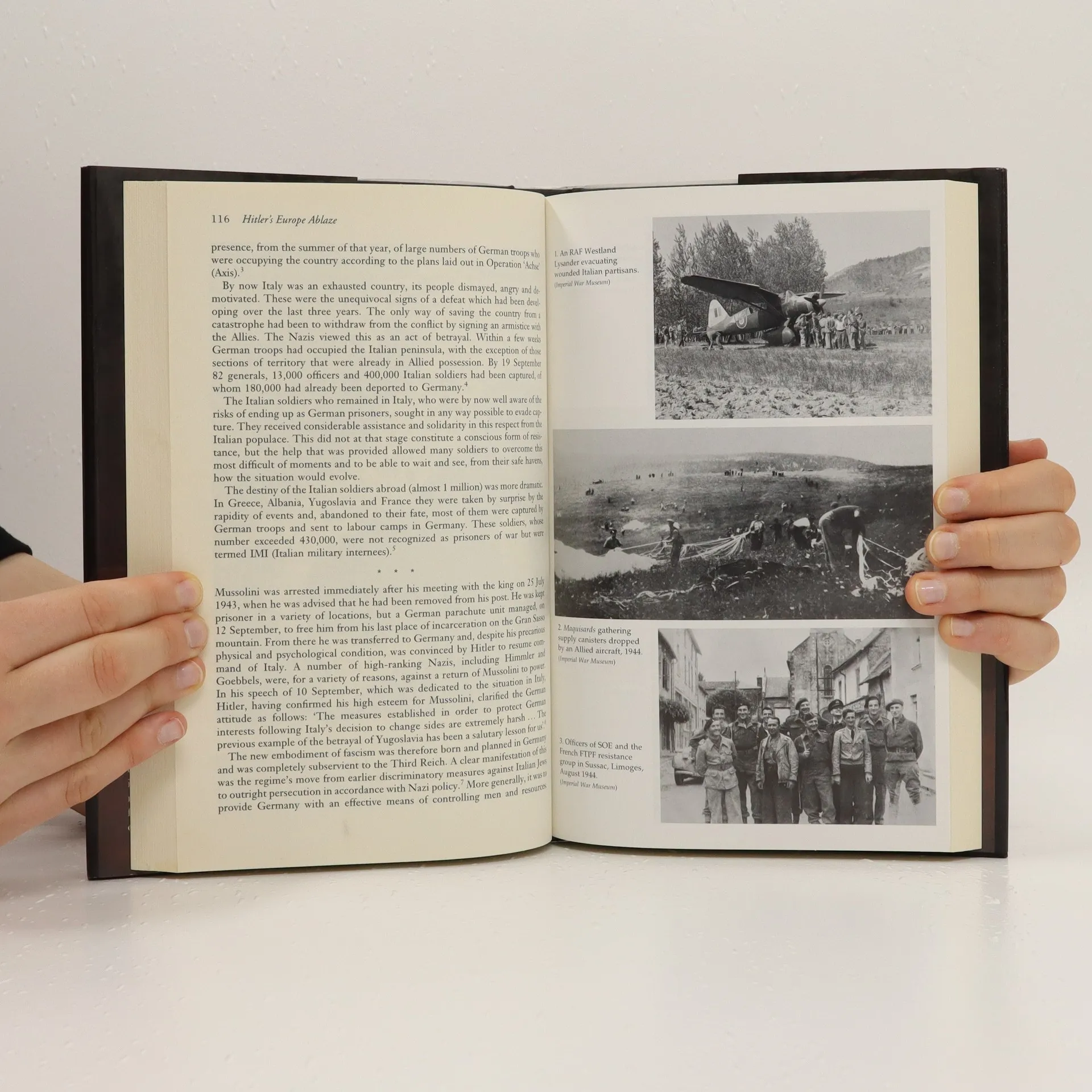
Resistance to German-led Axis occupation occurred across the European continent during the Second World War. It took various forms - non-cooperation and disinformation, sabotage, espionage, armed opposition, and full-scale partisan warfare. It is an important element in the experience and national memory of the peoples under Axis control. This authoritative and accessible survey provides a reliable, in-depth, up-to-date account of the resistance in each region and country, along with an assessment of its effectiveness and the Axis reaction to it. An extensive introduction by the editors draws together the threads of the varied movements and groups, highlighting their differences and similarities. The book will contribute to the debates about the importance of individual resistance movements and will be thought-provoking for those interested in or studying occupied Europe during the Second World War.
Nákup knihy
Hitler's Europe ablaze. Occupation, resistance, and rebellion during World War II, Philip E. Cooke, Ben Shepherd
- Jazyk

- Rok vydání
- 2014
- Vazba
- (pevná)
Tady nám chybí tvá recenze.
- Titul
- Hitler's Europe ablaze. Occupation, resistance, and rebellion during World War II
- Jazyk
- anglicky
- Autoři
- Philip E. Cooke, Ben Shepherd
- Vydavatel
- Skyhorse Publishing
- Rok vydání
- 2014
- Vazba
- pevná
- Počet stran
- 280
- ISBN10
- 1629145068
- ISBN13
- 9781629145068
- Série
- Štítky
- Historické téma
- Hodnocení
- 5 z 5
- Anotace
- Resistance to German-led Axis occupation occurred across the European continent during the Second World War. It took various forms - non-cooperation and disinformation, sabotage, espionage, armed opposition, and full-scale partisan warfare. It is an important element in the experience and national memory of the peoples under Axis control. This authoritative and accessible survey provides a reliable, in-depth, up-to-date account of the resistance in each region and country, along with an assessment of its effectiveness and the Axis reaction to it. An extensive introduction by the editors draws together the threads of the varied movements and groups, highlighting their differences and similarities. The book will contribute to the debates about the importance of individual resistance movements and will be thought-provoking for those interested in or studying occupied Europe during the Second World War.