


Série
Parametry
- 366 stránek
- 13 hodin čtení
Více o knize
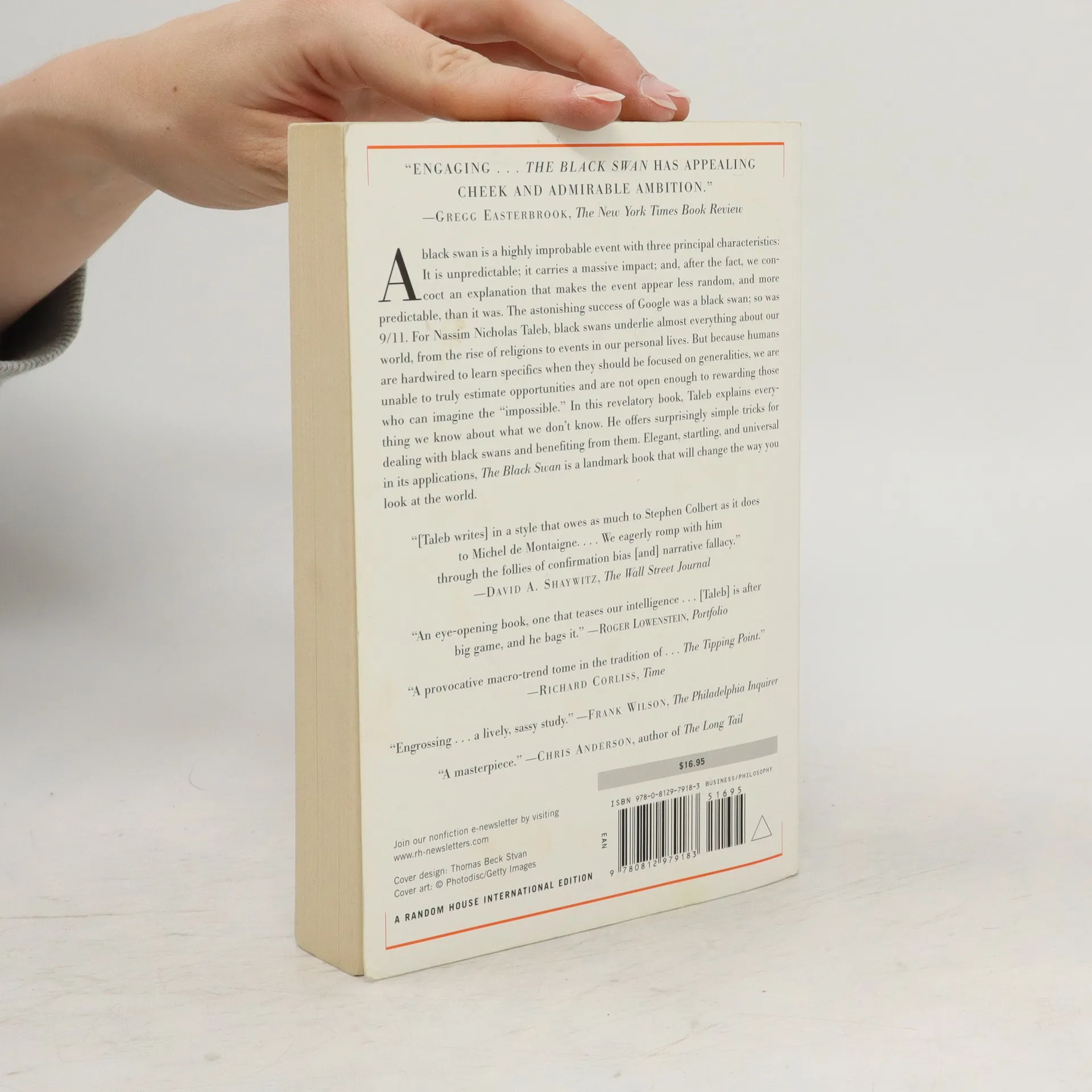
In the author's point of view, a black swan is an improbable event with three principal characteristics - It is unpredictable; it carries a massive impact; and, after the fact, we concoct an explanation that makes it appear less random, and more predictable, than it was. Why do we not acknowledge the phenomenon of black swans until after they occur? Part of the answer, according to Taleb, is that humans are hardwired to learn specifics when they should be focused on generalities. We concentrate on things we already know and time and time again fail to take into consideration what we don't know. We are, therefore, unable to truly estimate opportunities, too vulnerable to the impulse to simplify, narrate, and categorize, and not open enough to rewarding those who can imagine the 'impossible'.




Nákup knihy
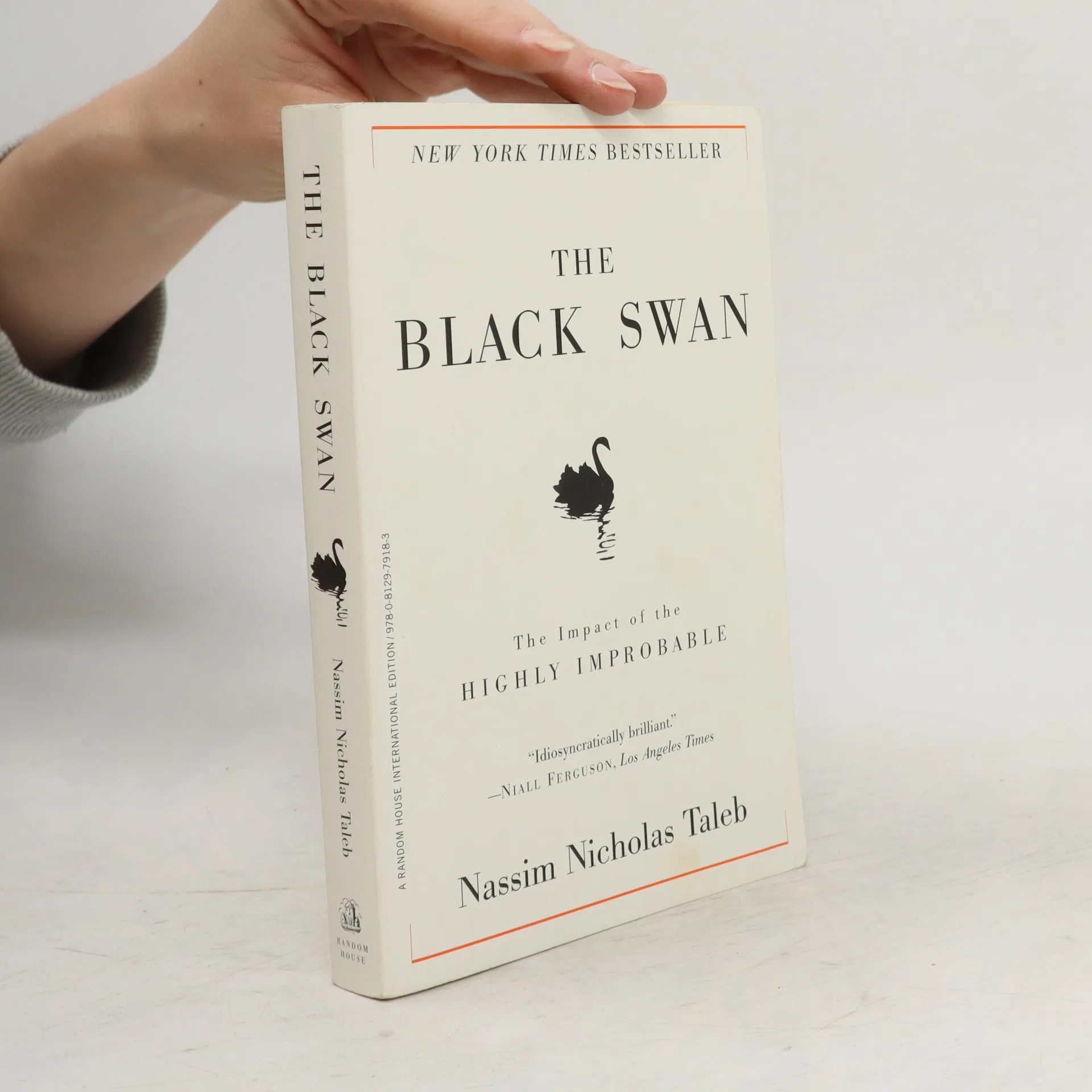
The Black Swan, Nassim Nicholas Taleb
- Jazyk

- Rok vydání
- 2009
- product-detail.submit-box.info.binding
- (měkká)
Doručení
Platební metody
Tady nám chybí tvá recenze.
- Titul
- The Black Swan
- Jazyk
- anglicky
- Autoři
- Nassim Nicholas Taleb
- Vydavatel
- Random House Digital, Inc.
- Rok vydání
- 2009
- Vazba
- měkká
- Počet stran
- 366
- ISBN10
- 0812979184
- ISBN13
- 9780812979183
- Série
- Incerto
- Štítky
- Naučná literatura, Společenské vědy, Byznys, Byznys & Management, Filosofická tématika, Filosofie, Věda, Ekonomie, Finance, Pravděpodobnost, Události, 11. září 2001, Náhody
- První vydání
- 2007
- Původní název
- The Black Swan: The Impact of the Highly Improbable
- Hodnocení
- 3,95 z 5
- Anotace
- In the author's point of view, a black swan is an improbable event with three principal characteristics - It is unpredictable; it carries a massive impact; and, after the fact, we concoct an explanation that makes it appear less random, and more predictable, than it was. Why do we not acknowledge the phenomenon of black swans until after they occur? Part of the answer, according to Taleb, is that humans are hardwired to learn specifics when they should be focused on generalities. We concentrate on things we already know and time and time again fail to take into consideration what we don't know. We are, therefore, unable to truly estimate opportunities, too vulnerable to the impulse to simplify, narrate, and categorize, and not open enough to rewarding those who can imagine the 'impossible'.