

Více o knize
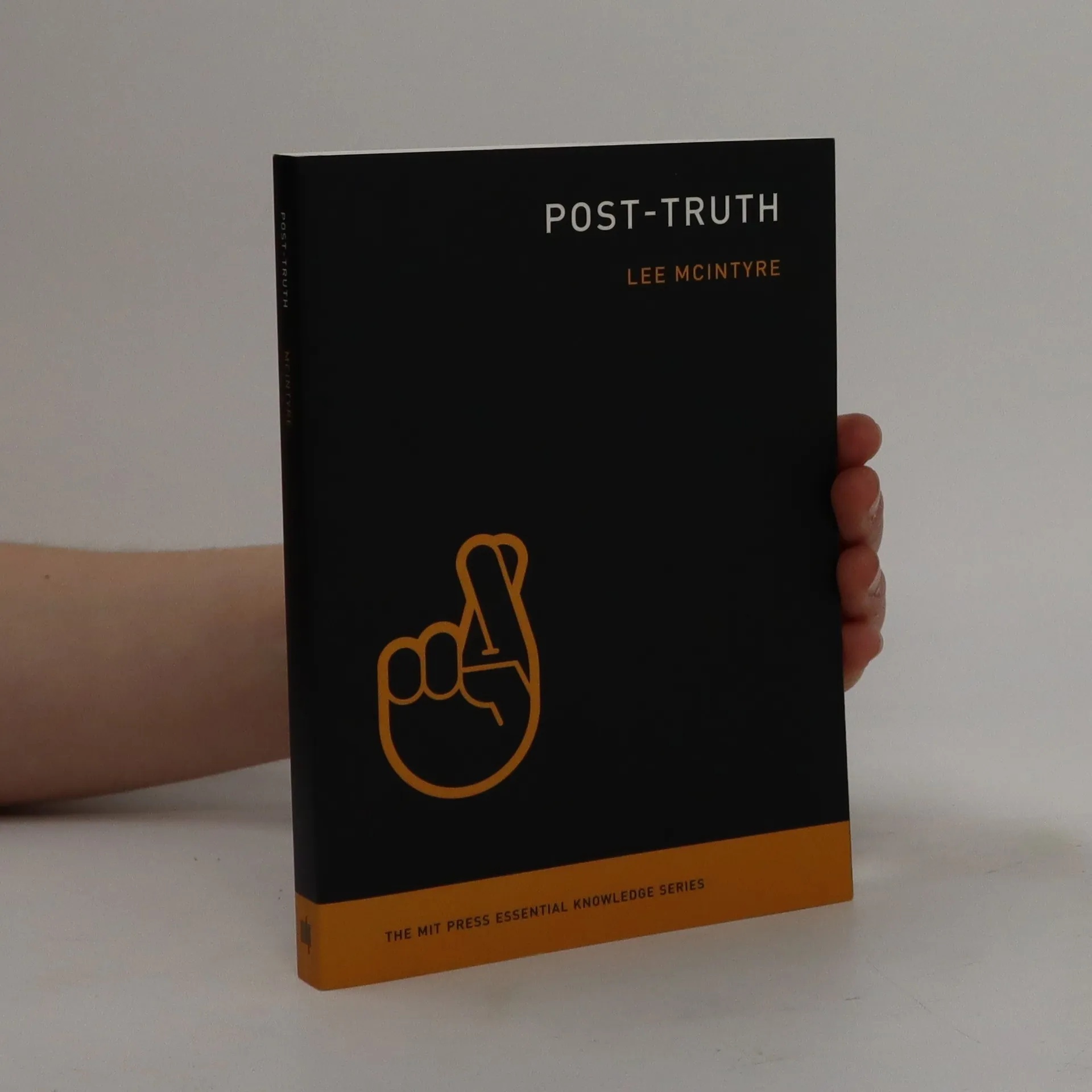
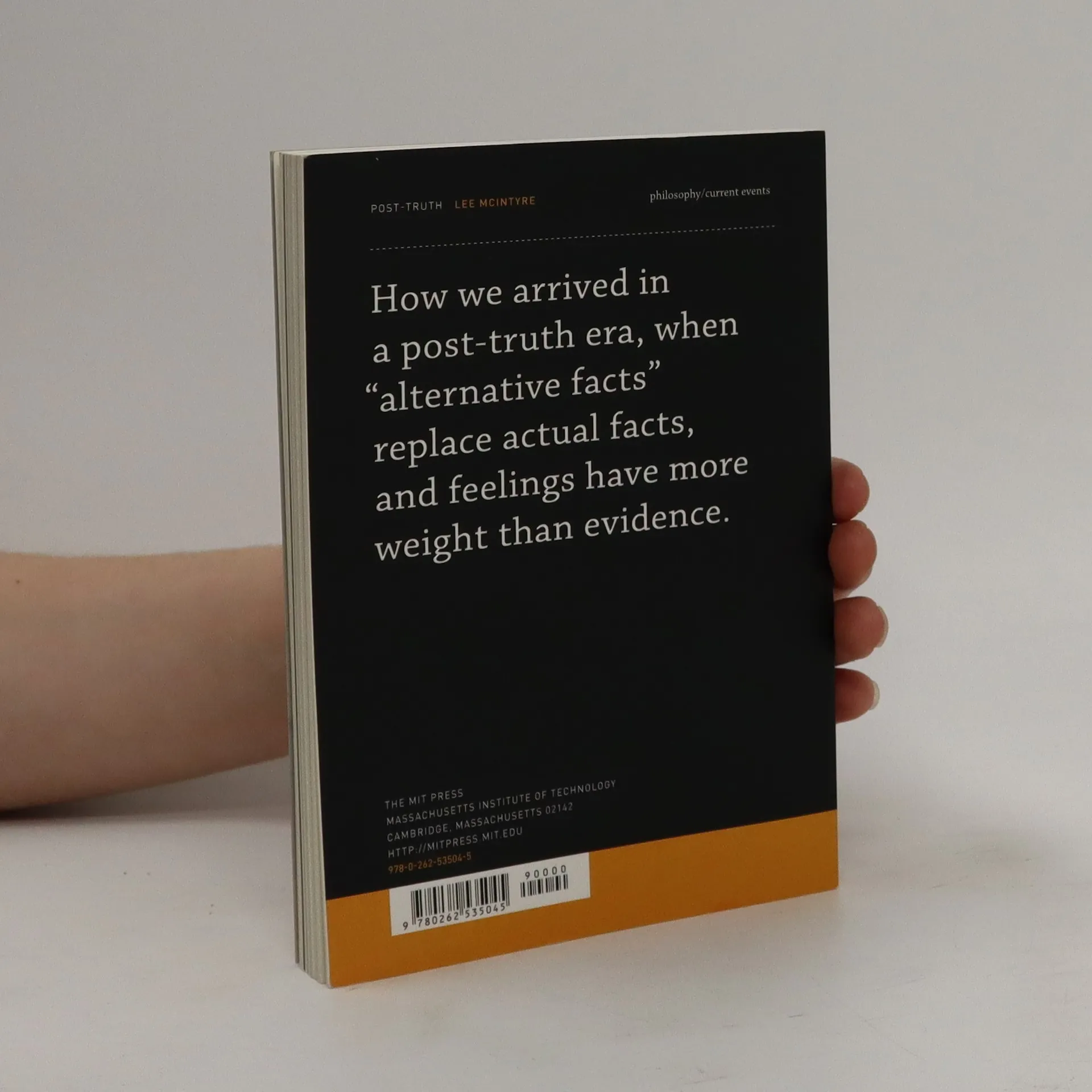
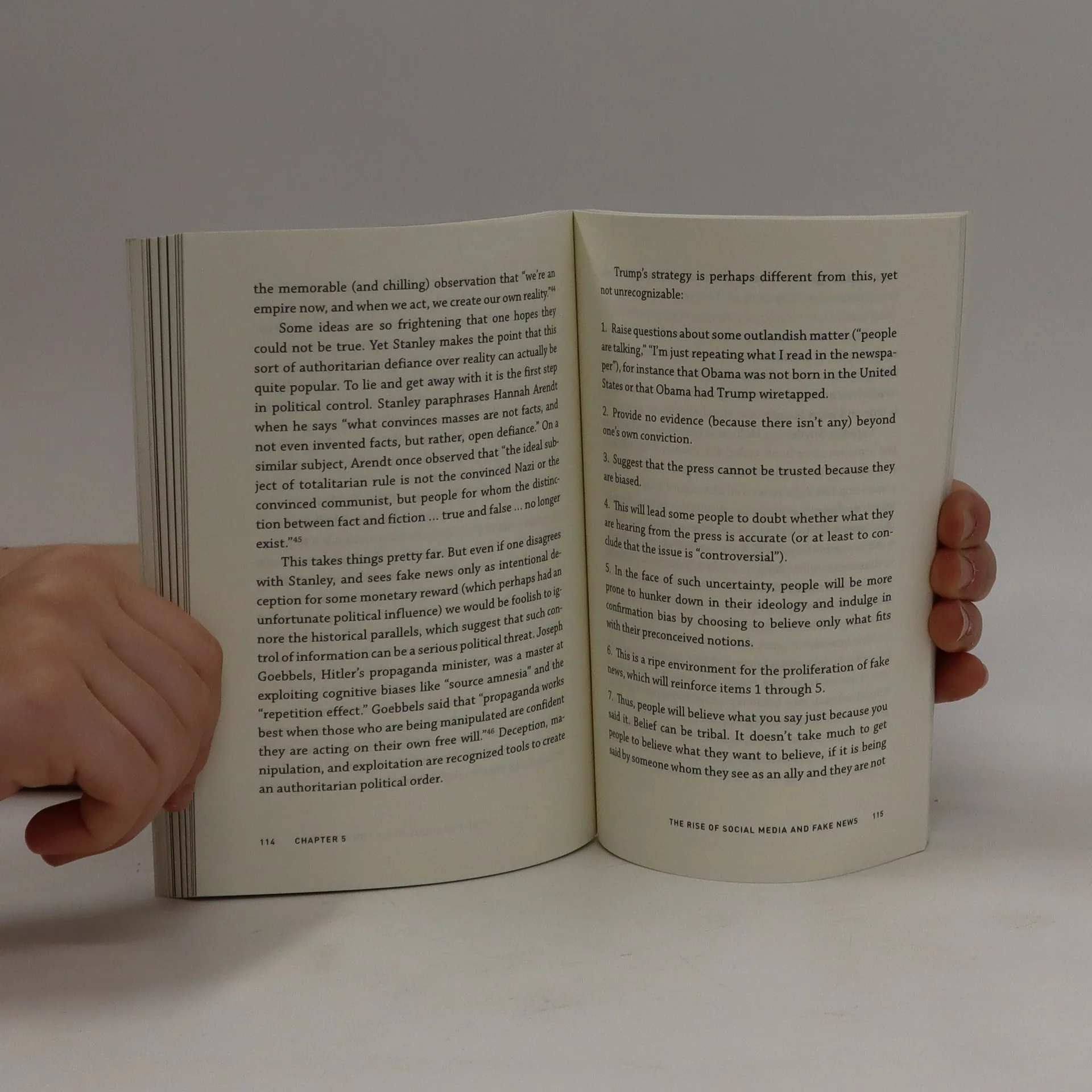
Are we in a post-truth world where "alternative facts" overshadow actual evidence? In this volume, Lee McIntyre explores the emergence of the post-truth phenomenon, tracing its roots from science denial to the rise of "fake news." He examines our psychological blind spots and the public's retreat into information silos. What defines post-truth? Is it wishful thinking, political spin, or outright lying? McIntyre analyzes recent examples, such as claims about inauguration crowd sizes and crime statistics, revealing post-truth as a tool for asserting ideological dominance, compelling belief regardless of evidence. This trend predates the 2016 election, with historical denials of scientific facts about smoking, evolution, vaccines, and climate change providing a blueprint for broader fact denial. Coupled with cognitive biases that distort our reasoning, the decline of traditional media, and the rise of social media, the conditions for post-truth flourish. McIntyre provocatively suggests that the right has appropriated postmodernism's rejection of objective truth in its attacks on science. He asserts that understanding post-truth is the first step in combating it, emphasizing the importance of addressing this phenomenon to reclaim factual discourse.
Nákup knihy
Post-truth, Lee C. McIntyre
- Jazyk

- Rok vydání
- 2018
- Vazba
- (měkká)
Doručení
Platební metody
Tady nám chybí tvá recenze.
- Titul
- Post-truth
- Jazyk
- anglicky
- Autoři
- Lee C. McIntyre
- Vydavatel
- MIT Press
- Rok vydání
- 2018
- Vazba
- měkká
- Počet stran
- 216
- ISBN10
- 0262535041
- ISBN13
- 9780262535045
- Série
- Kategorie
- Hodnocení
- 4 z 5
- Anotace
- Are we in a post-truth world where "alternative facts" overshadow actual evidence? In this volume, Lee McIntyre explores the emergence of the post-truth phenomenon, tracing its roots from science denial to the rise of "fake news." He examines our psychological blind spots and the public's retreat into information silos. What defines post-truth? Is it wishful thinking, political spin, or outright lying? McIntyre analyzes recent examples, such as claims about inauguration crowd sizes and crime statistics, revealing post-truth as a tool for asserting ideological dominance, compelling belief regardless of evidence. This trend predates the 2016 election, with historical denials of scientific facts about smoking, evolution, vaccines, and climate change providing a blueprint for broader fact denial. Coupled with cognitive biases that distort our reasoning, the decline of traditional media, and the rise of social media, the conditions for post-truth flourish. McIntyre provocatively suggests that the right has appropriated postmodernism's rejection of objective truth in its attacks on science. He asserts that understanding post-truth is the first step in combating it, emphasizing the importance of addressing this phenomenon to reclaim factual discourse.