

Více o knize
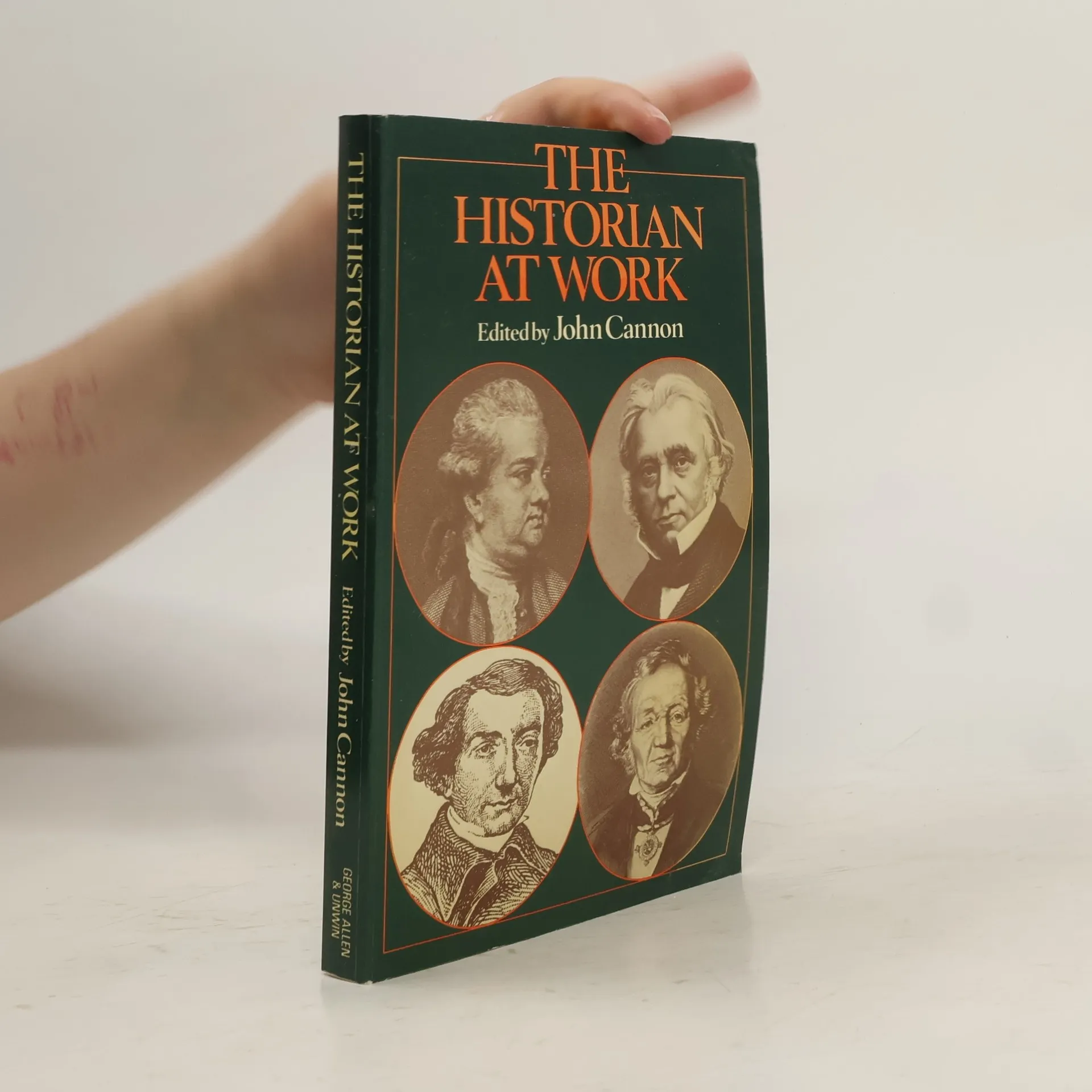
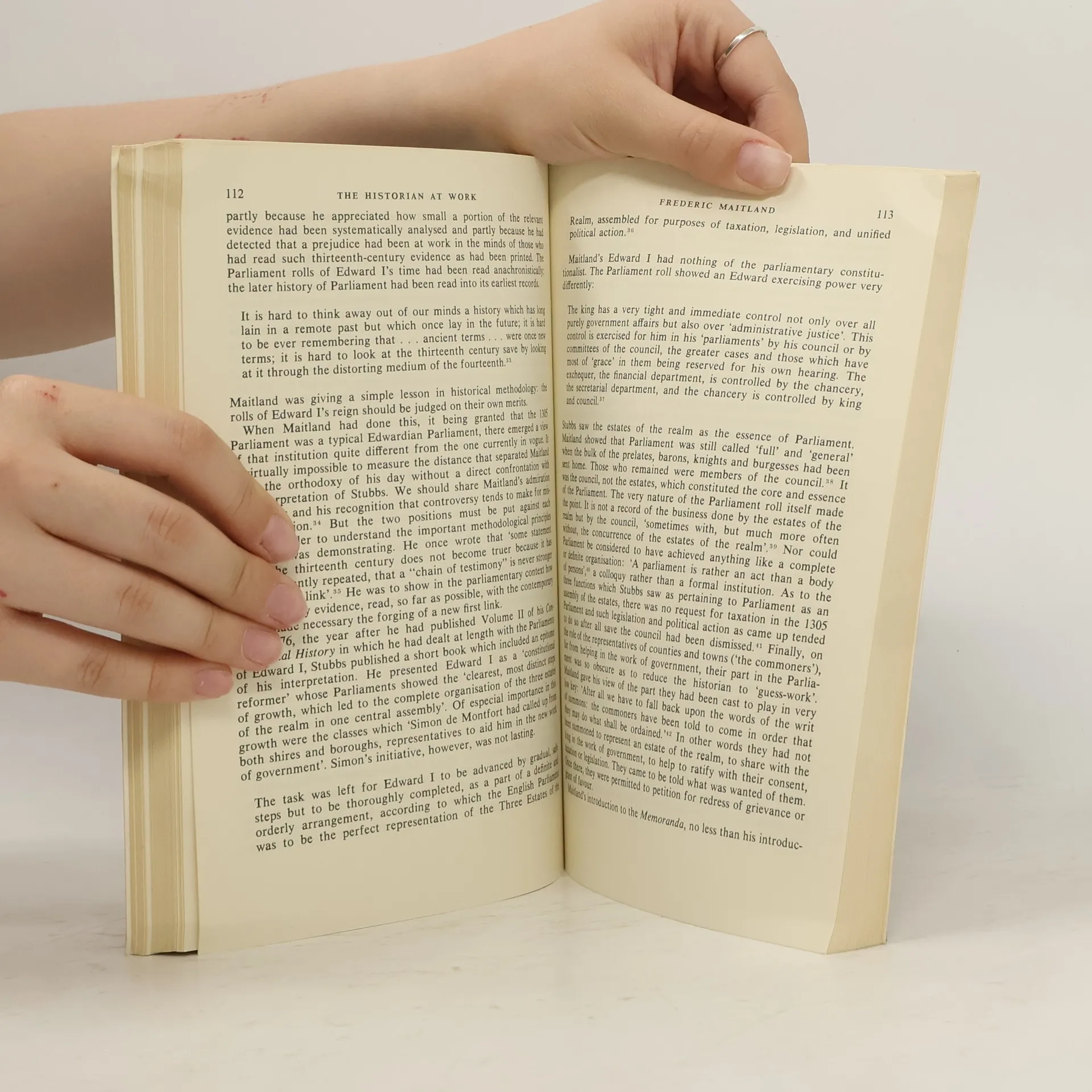
The Historian at Work is designed particularly for sixth-formers taking history to Advanced or Scholarship level, and for students in universities and polytechnics taking courses on historical method or the study of history. It is concerned less with the philosophy of history in the abstract than with the way in which distinguished historians have regarded and practised their craft. There are chapters on Gibbon, Ranke, Macaulay, De Tochqueville, Marx, Maitland, Bloch, Namier, Wheeler, Butterfield and Braudel. Each chapter is written by a different author who has developed a particular interest in the historian he comments on, In addition, the editor contributes a provocative introductory chapter designed to serve as the basis for a discussion about the problems involved in the writing of history. One feature of the book is that it was planned in consultation with first year students in the Department of History at Newcastle University and reflects suggestions and criticisms they have made. It is intended to be both straightforward and readable and of interest to specialist scholars. Thee editor is a historian whose work on the eighteenth century has been praised for its lucidity.
Nákup knihy
The Historian at Work, John Cannon
- Jazyk

- Rok vydání
- 1980
- Vazba
- (měkká)
Doručení
Platební metody
Tady nám chybí tvá recenze.
- Titul
- The Historian at Work
- Jazyk
- anglicky
- Autoři
- John Cannon
- Vydavatel
- Allen & Unwin Australia
- Rok vydání
- 1980
- Vazba
- měkká
- Počet stran
- 210
- ISBN10
- 0049010263
- ISBN13
- 9780049010260
- Série
- Štítky
- Historické téma
- Hodnocení
- 3,6 z 5
- Anotace
- The Historian at Work is designed particularly for sixth-formers taking history to Advanced or Scholarship level, and for students in universities and polytechnics taking courses on historical method or the study of history. It is concerned less with the philosophy of history in the abstract than with the way in which distinguished historians have regarded and practised their craft. There are chapters on Gibbon, Ranke, Macaulay, De Tochqueville, Marx, Maitland, Bloch, Namier, Wheeler, Butterfield and Braudel. Each chapter is written by a different author who has developed a particular interest in the historian he comments on, In addition, the editor contributes a provocative introductory chapter designed to serve as the basis for a discussion about the problems involved in the writing of history. One feature of the book is that it was planned in consultation with first year students in the Department of History at Newcastle University and reflects suggestions and criticisms they have made. It is intended to be both straightforward and readable and of interest to specialist scholars. Thee editor is a historian whose work on the eighteenth century has been praised for its lucidity.