


Více o knize
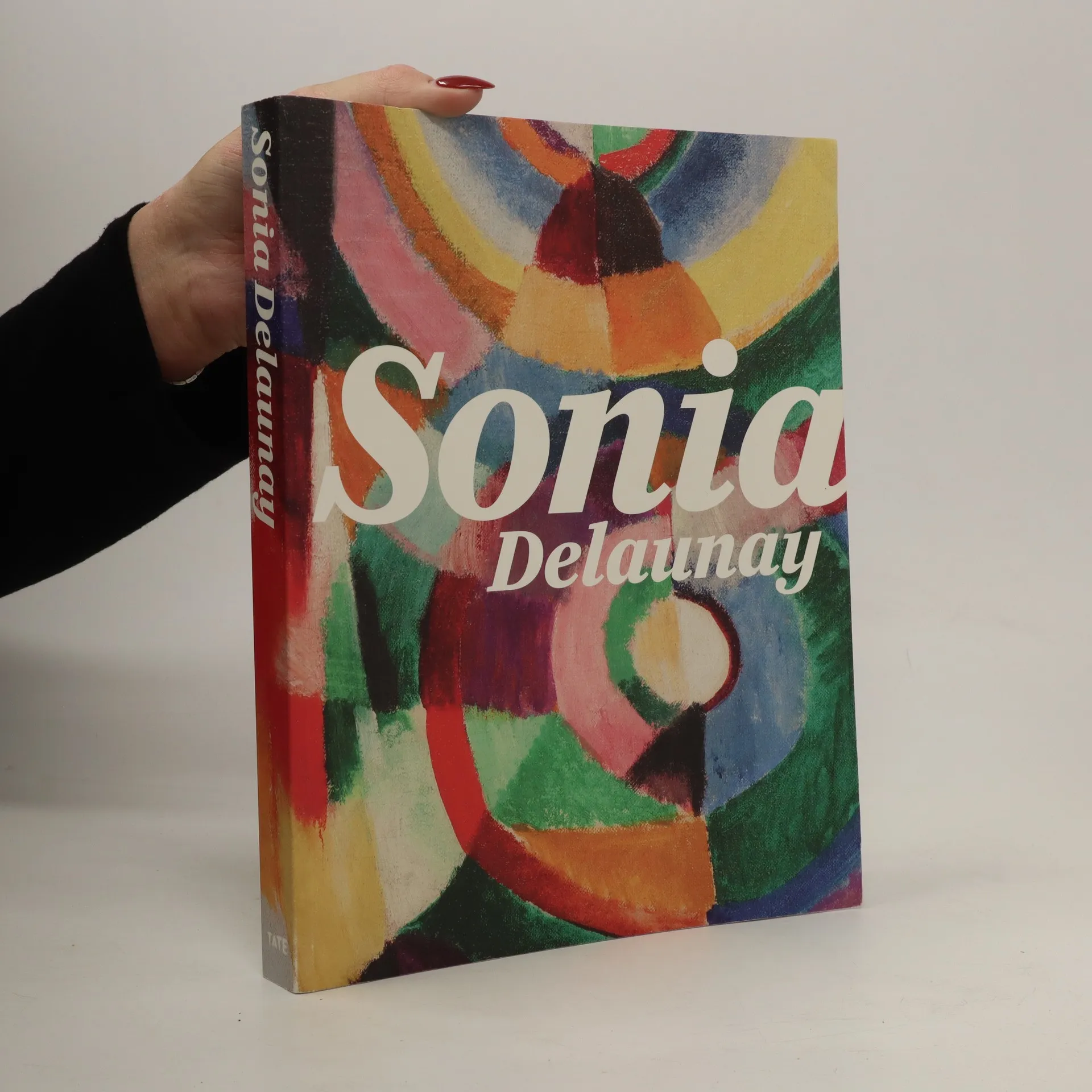
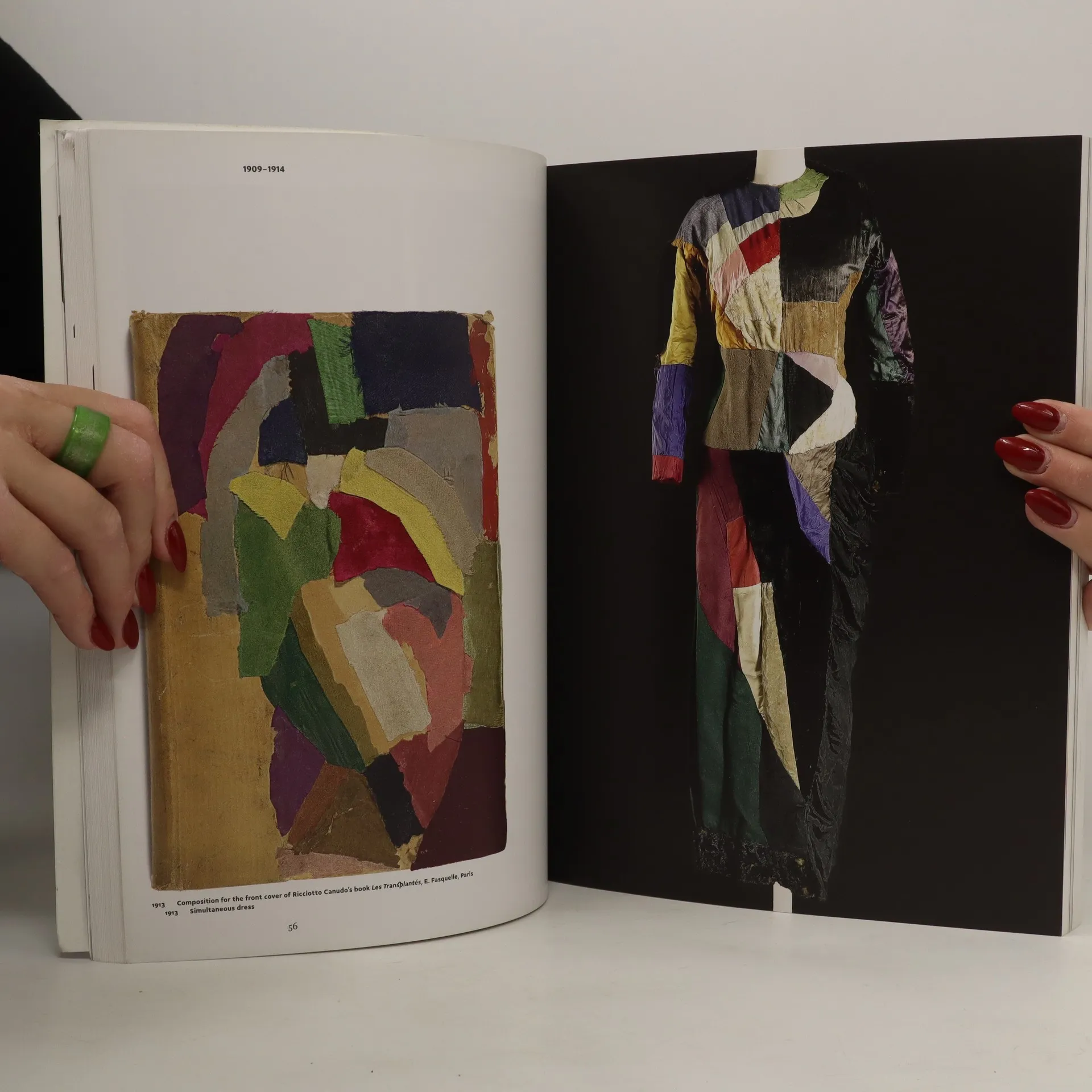
Sonia Delaunay (1885 - 1979) was a pivotal female artist of the early twentieth century, significantly influencing the European avant-garde. Born in Russia, she moved to Paris in 1906 to study at the Academie de la Palette. Her early works were shaped by the vibrant Fauvist styles of Matisse, Gauguin, and Van Gogh. Transitioning to abstraction, she celebrated modernity and urban life, exploring color theory alongside her husband, Robert Delaunay. Delaunay collaborated with notable artists and poets, including Guillaume Apollinaire and Blaise Cendrars, contributing to the celebrated book Prose on the Transsiberian Railway and Little Jehanne of France. After spending time in Spain and Portugal during World War I, she returned to Paris in the 1920s, where she translated her artistic experiments into fashion. Collaborating with Metz & Co in Amsterdam and Liberty in London, she also created bespoke clothing. Her fashion interests extended to theatre and cinema, where she designed costumes and film sets. During and after World War II, she was involved in establishing the Salon des Realites Nouvelles (1939) and explored various media, producing mosaics, tapestries, and lithographs. Her paintings and gouaches from this period reignited interest in abstraction and color, underscoring her crucial role in the evolution of postwar abstract and applied art.
Nákup knihy
Sonia Delaunay, Kolektiv autorů
- Jazyk

- Rok vydání
- 2014
- Vazba
- (měkká)
Nikdo zatím neohodnotil.
- Titul
- Sonia Delaunay
- Jazyk
- anglicky
- Autoři
- Kolektiv autorů
- Vydavatel
- Tate Publishing
- Rok vydání
- 2014
- Vazba
- měkká
- Počet stran
- 288
- ISBN10
- 1849763178
- ISBN13
- 9781849763172
- Série
- Štítky
- Výtvarné umění
- Anotace
- Sonia Delaunay (1885 - 1979) was a pivotal female artist of the early twentieth century, significantly influencing the European avant-garde. Born in Russia, she moved to Paris in 1906 to study at the Academie de la Palette. Her early works were shaped by the vibrant Fauvist styles of Matisse, Gauguin, and Van Gogh. Transitioning to abstraction, she celebrated modernity and urban life, exploring color theory alongside her husband, Robert Delaunay. Delaunay collaborated with notable artists and poets, including Guillaume Apollinaire and Blaise Cendrars, contributing to the celebrated book Prose on the Transsiberian Railway and Little Jehanne of France. After spending time in Spain and Portugal during World War I, she returned to Paris in the 1920s, where she translated her artistic experiments into fashion. Collaborating with Metz & Co in Amsterdam and Liberty in London, she also created bespoke clothing. Her fashion interests extended to theatre and cinema, where she designed costumes and film sets. During and after World War II, she was involved in establishing the Salon des Realites Nouvelles (1939) and explored various media, producing mosaics, tapestries, and lithographs. Her paintings and gouaches from this period reignited interest in abstraction and color, underscoring her crucial role in the evolution of postwar abstract and applied art.