






Začnu asi tím, že tak odpornou a nechutnou knihu jsem nikdy nečetla. Ohledně sexu a erotiky v knihách jsem tolerantní, nevadí mi nic, nevadí mi ani BDSM. Ale tohle se s BDSM srovnávat nedá. Už na prvních deseti stránkách si čtenář přečte detailně o incestu, znásilnění, exkrementech, mučení, BDSM praktikách, vraždách a hlavně o pedofílii, což za mě bylo nejhorší na celé knize. Několikrát jsem knihu musela odložit a rozdýchávat, co jsem si právě přečetla. Několikrát jsem měla slzy v očích, protože to, co tam bylo napsané, bylo něco neuvěřitelného. Občas jsem měla myšlenky, že tu knihu prostě nedočtu, že na to nemám. Jenže tohle já s knihami neumím. Rozhodla jsem se zcela odosobnit, dát emoce stranou a prostě to dočíst. Pokud bych měla říct odosobněný názor, je to odvážná kniha, která představuje ty nejzvrhlejší erotické myšlenky, jaké si dokážete představit, a chtělo odvahu něco takového napsat a vydat, dokonce i v 18. století. Místy je to i čtivé, hlavně vyprávění Duclosové, které podle mě dost vyobrazovalo realitu vykřičeného domu tehdejší doby. Nicméně v téhle době by knihu nikdo nevydal, a pokud by tohle někdo napsal, věřím, že by byl hned stíhaný. Dávám knize nakonec dvě hvězdy – za to, že dokázala šokovat, a vlastně i za to, že jsem měla možnost nahlédnout do mysli člověka, který tohle dokázal napsat.
Více o knize
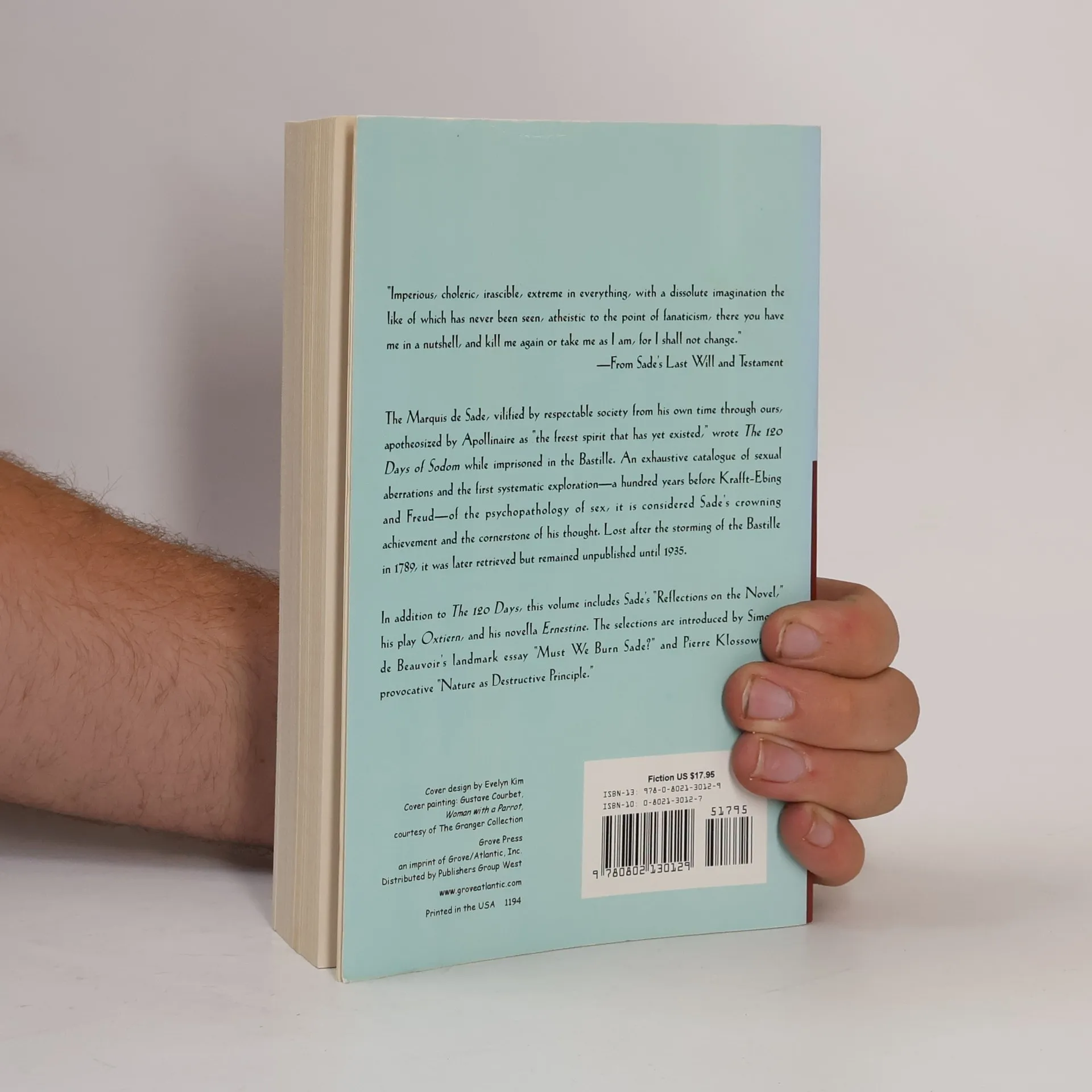
The Marquis de Sade, vilified by respectable society from his own time through ours, apotheosized by Apollinaire as "the freest spirit that has yet existed," wrote The 120 Days of Sodom while imprisoned in the Bastille. An exhaustive catalogue of sexual aberrations and the first systematic exploration-a hundred years before Krafft-Ebing and Freud-of the psychology of sex, it is considered Sade's crowning achievement and the cornerstone of his thought. Lost after the storming of the Bastille in 1789, it was later retrieved but remained unpublished until 1935. In addition to The 120 Days, this volume includes Sade's "Reflections on the Novel," his play Oxtiem, and his novella Ernestine. The selections are introduced by Simone de Beauvoir's landmark essay "Must We Burn Sade?" and Pierre Klossowski's provocative "Nature as Destructive Principle." "Imperious, choleric, irascible, extreme in everything, with a dissolute imagination the like of which has never been seen, atheistic to the point of fanaticism, there you have me in a nutshell, and kill me again or take me as I am, for I shall not change."-From Sade's Last Will and Testament
Nákup knihy
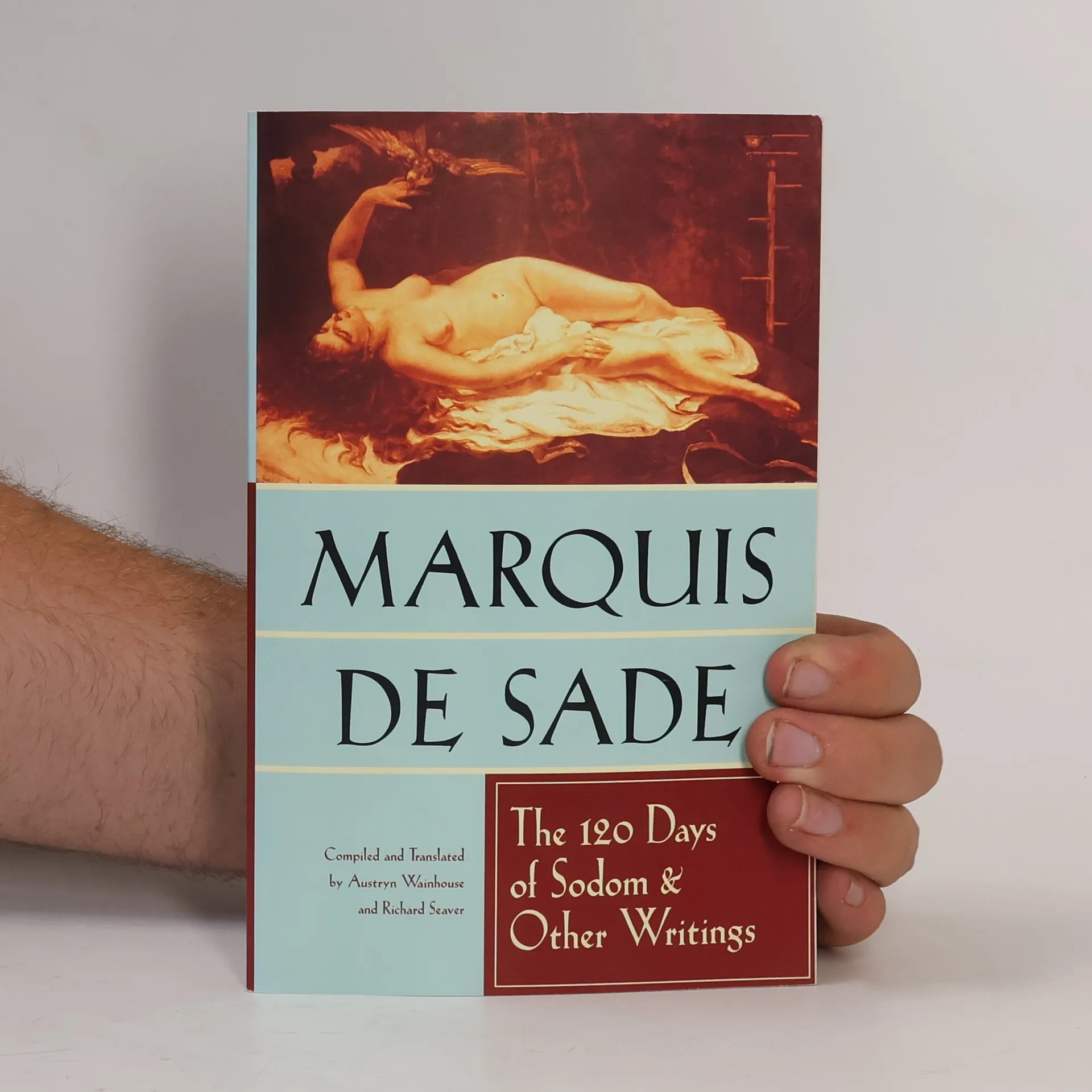
The 120 Days of Sodom and Other Writings, Donatien Alphonse François marquis de Sade
- Jazyk

- Rok vydání
- 1994
- product-detail.submit-box.info.binding
- (měkká)
Doručení
Platební metody
Francúzsko nieje len láska a vášeň, ale aj odstrašujúci príklad krutosti, brutality, perverzie a beštiality predstavujúce ideológiu hornej vrstvy ku spodine

kniha, která opravdu není pro každého

Zajímavé čtení!
Aj zvrátenosť duše vie byť očarujúca
- Jazyk
- anglicky
- Vydavatel
- GROVE ATLANTIC
- Rok vydání
- 1994
- Vazba
- měkká
- Počet stran
- 799
- ISBN10
- 0802130127
- ISBN13
- 9780802130129
- Série
- Štítky
- Beletrie, Klasika, Erotika, Francouzská literatura, Víra, Násilí, BDSM, Sexuální násilí, Sadismus, Markýz de Sade, Masochismus, Sexuální úchylky
- První vydání
- 1785
- Původní název
- Les Cent Vingt Journées de Sodome
- Hodnocení
- 3,15 z 5
- Anotace
- The Marquis de Sade, vilified by respectable society from his own time through ours, apotheosized by Apollinaire as "the freest spirit that has yet existed," wrote The 120 Days of Sodom while imprisoned in the Bastille. An exhaustive catalogue of sexual aberrations and the first systematic exploration-a hundred years before Krafft-Ebing and Freud-of the psychology of sex, it is considered Sade's crowning achievement and the cornerstone of his thought. Lost after the storming of the Bastille in 1789, it was later retrieved but remained unpublished until 1935. In addition to The 120 Days, this volume includes Sade's "Reflections on the Novel," his play Oxtiem, and his novella Ernestine. The selections are introduced by Simone de Beauvoir's landmark essay "Must We Burn Sade?" and Pierre Klossowski's provocative "Nature as Destructive Principle." "Imperious, choleric, irascible, extreme in everything, with a dissolute imagination the like of which has never been seen, atheistic to the point of fanaticism, there you have me in a nutshell, and kill me again or take me as I am, for I shall not change."-From Sade's Last Will and Testament