

Více o knize
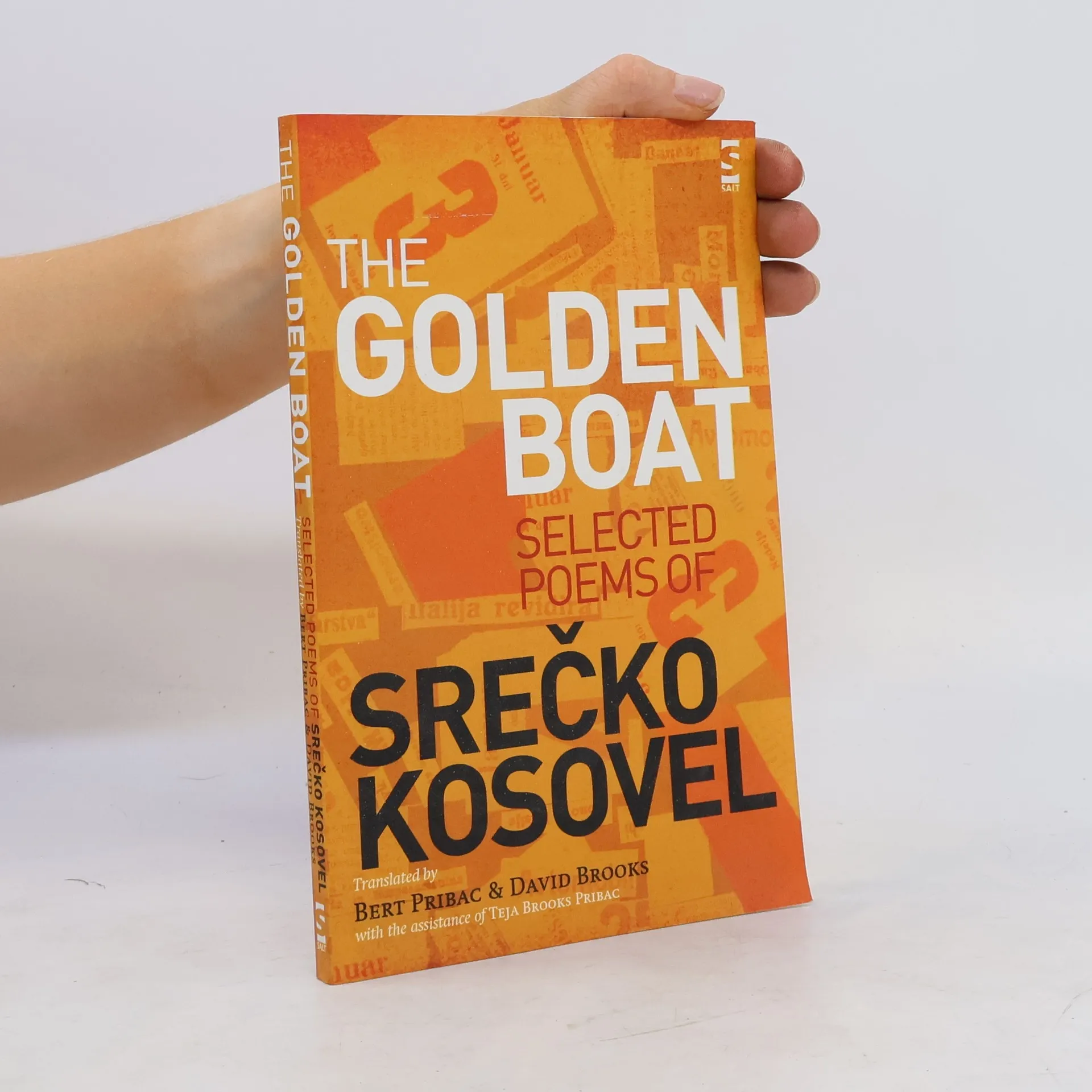
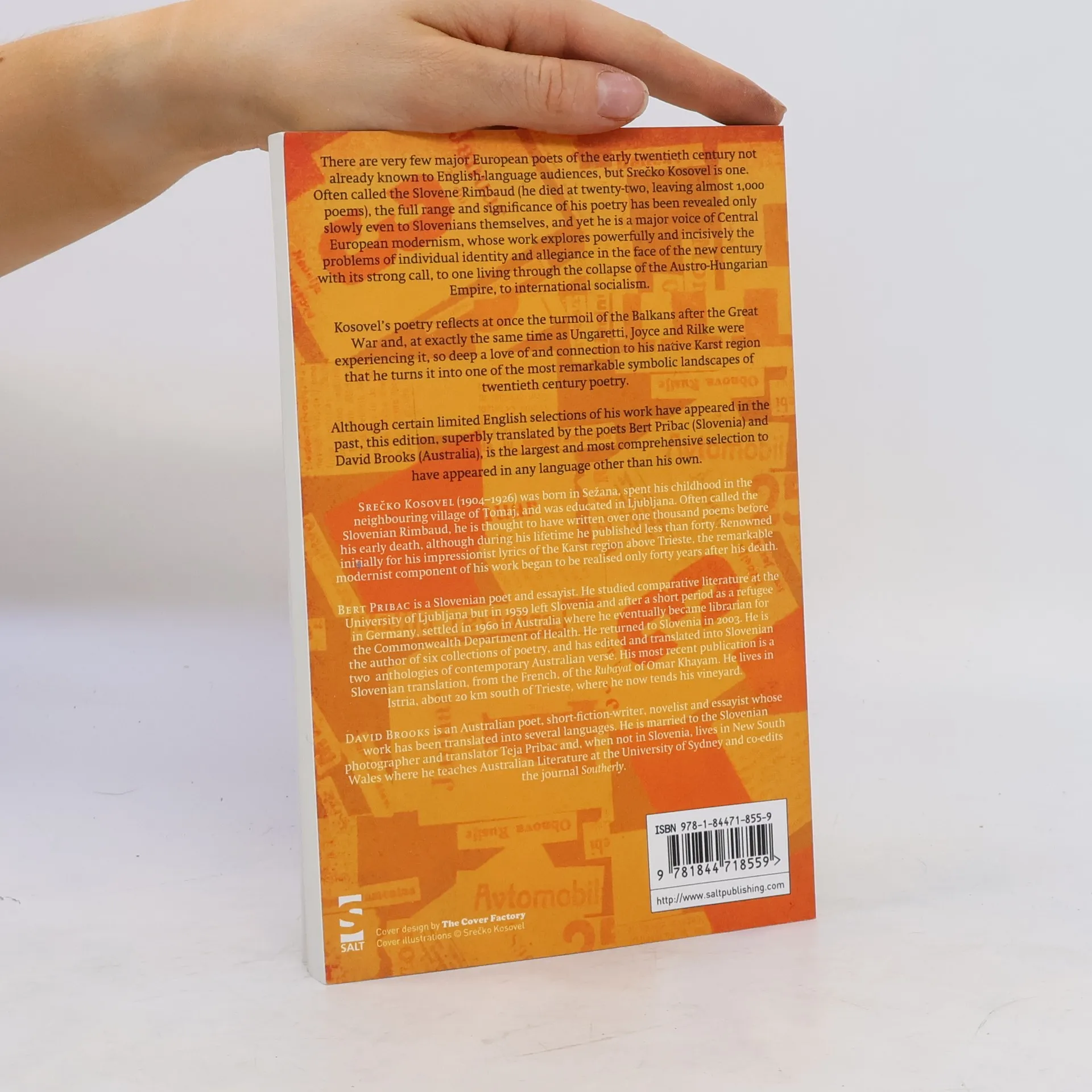
There are very few major European poets of the early twentieth century not already known to English-language audiences, but Srecko Kosovel is one. Often called the Slovene Rimbaud (he died at twenty-two, leaving almost 1,000 poems), the full range and significance of his poetry has been revealed only slowly even to Slovenians themselves, and yet he is a major voice of Central European modernism, whose work explores powerfully and incisively the problems of individual identity and allegiance in the face of the new century with its strong call, to one living through the collapse of the Austro-Hungarian Empire, to international socialism. Kosovel's poetry reflects at once the turmoil of the Balkans after the Great War and, at exactly the same time as Ungaretti, Joyce and Rilke were experiencing it, so deep a love of and connection to his native Karst region that he turns it into one of the most remarkable symbolic landscapes of twentieth century poetry. Although certain limited English selections of his work have appeared in the past, this edition, superbly translated by the poets Bert Pribac (Slovenia) and David Brooks (Australia), is the largest and most comprehensive selection to have appeared in any language other than his own.
Nákup knihy
The Golden Boat, Srečko Kosovel
- Jazyk

- Rok vydání
- 2011
- Vazba
- (měkká)
Tady nám chybí tvá recenze.
- Titul
- The Golden Boat
- Jazyk
- anglicky
- Autoři
- Srečko Kosovel
- Vydavatel
- Salt
- Rok vydání
- 2011
- Vazba
- měkká
- Počet stran
- 160
- ISBN10
- 1844718557
- ISBN13
- 9781844718559
- Série
- Štítky
- Hodnocení
- 5 z 5
- Anotace
- There are very few major European poets of the early twentieth century not already known to English-language audiences, but Srecko Kosovel is one. Often called the Slovene Rimbaud (he died at twenty-two, leaving almost 1,000 poems), the full range and significance of his poetry has been revealed only slowly even to Slovenians themselves, and yet he is a major voice of Central European modernism, whose work explores powerfully and incisively the problems of individual identity and allegiance in the face of the new century with its strong call, to one living through the collapse of the Austro-Hungarian Empire, to international socialism. Kosovel's poetry reflects at once the turmoil of the Balkans after the Great War and, at exactly the same time as Ungaretti, Joyce and Rilke were experiencing it, so deep a love of and connection to his native Karst region that he turns it into one of the most remarkable symbolic landscapes of twentieth century poetry. Although certain limited English selections of his work have appeared in the past, this edition, superbly translated by the poets Bert Pribac (Slovenia) and David Brooks (Australia), is the largest and most comprehensive selection to have appeared in any language other than his own.