



Více o knize
Findings from evolutionary biology are providing crucial insights for health scientists, particularly in combating infectious diseases. This work presents an in-depth exploration of these insights, focusing on the unique deadliness of pathogens like those causing malaria, smallpox, tuberculosis, and AIDS. It argues that a deeper application of evolutionary principles can enhance efforts to control a wide range of diseases. From a Darwinian perspective, pathogens are self-replicating organisms shaped by evolutionary pressures to maximize their replication. This viewpoint elevates the importance of "cultural vectors"—human behaviors and environmental factors that facilitate disease spread. Interventions aimed at controlling diseases not only impede their transmission but can also lead pathogens to evolve into less harmful forms. The integration of health science with evolutionary biology opens new avenues for policymaking, making it possible to predict the future trajectories of various diseases. By providing a comprehensive explanation of the evolutionary perspective on infectious disease, the author marks a significant milestone in merging health science, epidemiology, and evolutionary biology. Written in a clear and accessible manner, this work targets both professionals in these fields and general readers interested in science and health.
Nákup knihy
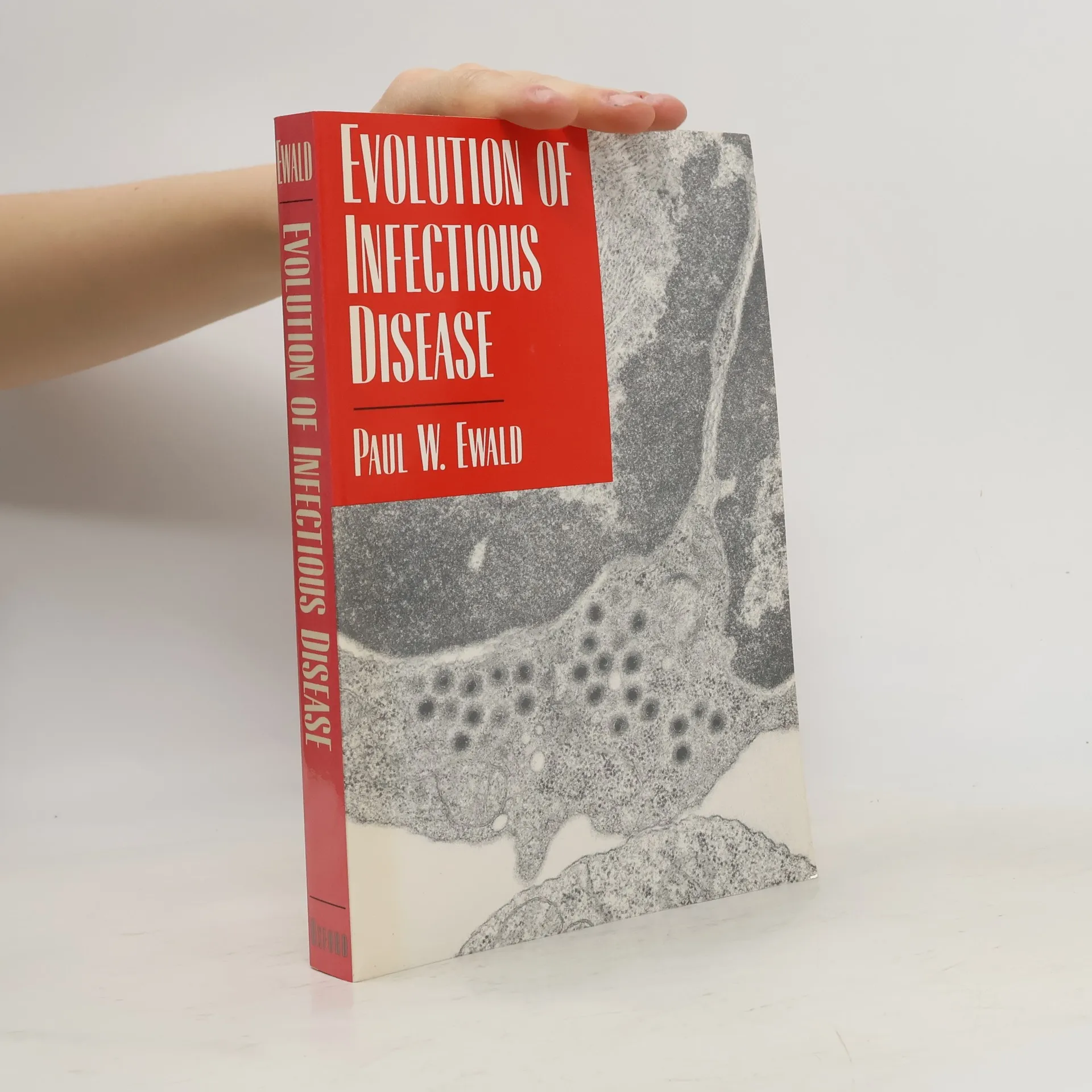
Evolution of Infectious Disease, Paul W. Ewald
- Jazyk

- Rok vydání
- 1994
- Vazba
- (měkká)
Doručení
Platební metody
Tady nám chybí tvá recenze.
- Titul
- Evolution of Infectious Disease
- Jazyk
- anglicky
- Autoři
- Paul W. Ewald
- Vydavatel
- Oxford University Press
- Rok vydání
- 1994
- Vazba
- měkká
- Počet stran
- 320
- ISBN10
- 0195111397
- ISBN13
- 9780195111392
- Série
- Hodnocení
- 4,35 z 5
- Anotace
- Findings from evolutionary biology are providing crucial insights for health scientists, particularly in combating infectious diseases. This work presents an in-depth exploration of these insights, focusing on the unique deadliness of pathogens like those causing malaria, smallpox, tuberculosis, and AIDS. It argues that a deeper application of evolutionary principles can enhance efforts to control a wide range of diseases. From a Darwinian perspective, pathogens are self-replicating organisms shaped by evolutionary pressures to maximize their replication. This viewpoint elevates the importance of "cultural vectors"—human behaviors and environmental factors that facilitate disease spread. Interventions aimed at controlling diseases not only impede their transmission but can also lead pathogens to evolve into less harmful forms. The integration of health science with evolutionary biology opens new avenues for policymaking, making it possible to predict the future trajectories of various diseases. By providing a comprehensive explanation of the evolutionary perspective on infectious disease, the author marks a significant milestone in merging health science, epidemiology, and evolutionary biology. Written in a clear and accessible manner, this work targets both professionals in these fields and general readers interested in science and health.