

Více o knize
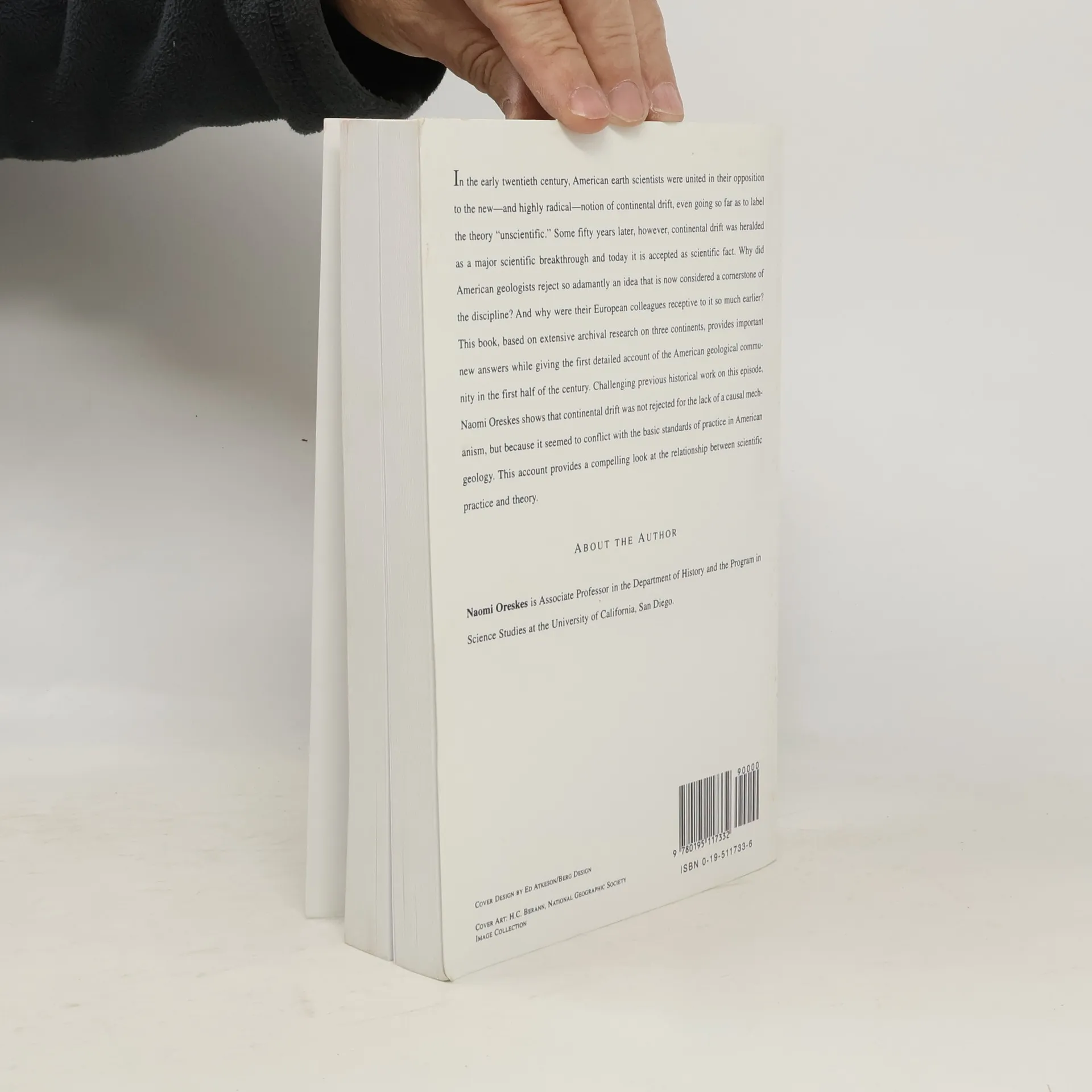
In the early twentieth century, American earth scientists were united in their opposition to the new--and highly radical--notion of continental drift, even going so far as to label the theory "unscientific." Some fifty years later, however, continental drift was heralded as a major scientific breakthrough and today it is accepted as scientific fact. Why did American geologists reject so adamantly an idea that is now considered a cornerstone of the discipline? And why were their European colleagues receptive to it so much earlier? This book, based on extensive archival research on three continents, provides important new answers while giving the first detailed account of the American geological community in the first half of the century. Challenging previous historical work on this episode, Naomi Oreskes shows that continental drift was not rejected for the lack of a causal mechanism, but because it seemed to conflict with the basic standards of practice in American geology. Thisaccount provides a compelling look at how scientific ideas are made and unmade.
Nákup knihy
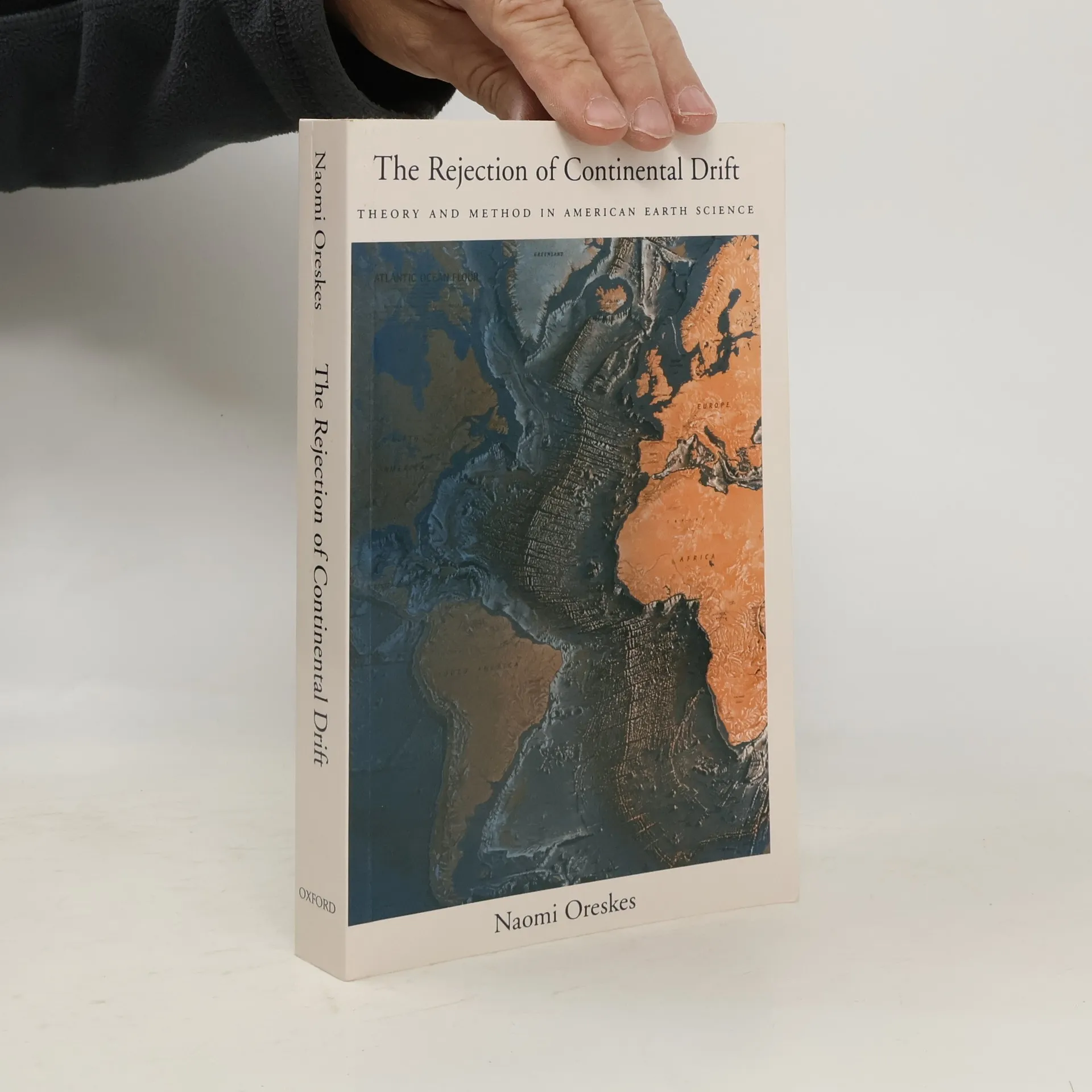
The Rejection of Continental Drift, Naomi Oreskes
- Jazyk

- Rok vydání
- 1999
- Vazba
- (měkká)
Tady nám chybí tvá recenze.
- Titul
- The Rejection of Continental Drift
- Podtitul
- Theory and Method in American Earth Science
- Jazyk
- anglicky
- Autoři
- Naomi Oreskes
- Vydavatel
- Oxford University Press
- Rok vydání
- 1999
- Vazba
- měkká
- Počet stran
- 432
- ISBN10
- 0195117336
- ISBN13
- 9780195117332
- Série
- Štítky
- Historické téma, Věda, USA, 20. století, Technologie, Geologie, Historie vědy, Sociální aspekty
- Hodnocení
- 4,35 z 5
- Anotace
- In the early twentieth century, American earth scientists were united in their opposition to the new--and highly radical--notion of continental drift, even going so far as to label the theory "unscientific." Some fifty years later, however, continental drift was heralded as a major scientific breakthrough and today it is accepted as scientific fact. Why did American geologists reject so adamantly an idea that is now considered a cornerstone of the discipline? And why were their European colleagues receptive to it so much earlier? This book, based on extensive archival research on three continents, provides important new answers while giving the first detailed account of the American geological community in the first half of the century. Challenging previous historical work on this episode, Naomi Oreskes shows that continental drift was not rejected for the lack of a causal mechanism, but because it seemed to conflict with the basic standards of practice in American geology. Thisaccount provides a compelling look at how scientific ideas are made and unmade.