

Více o knize
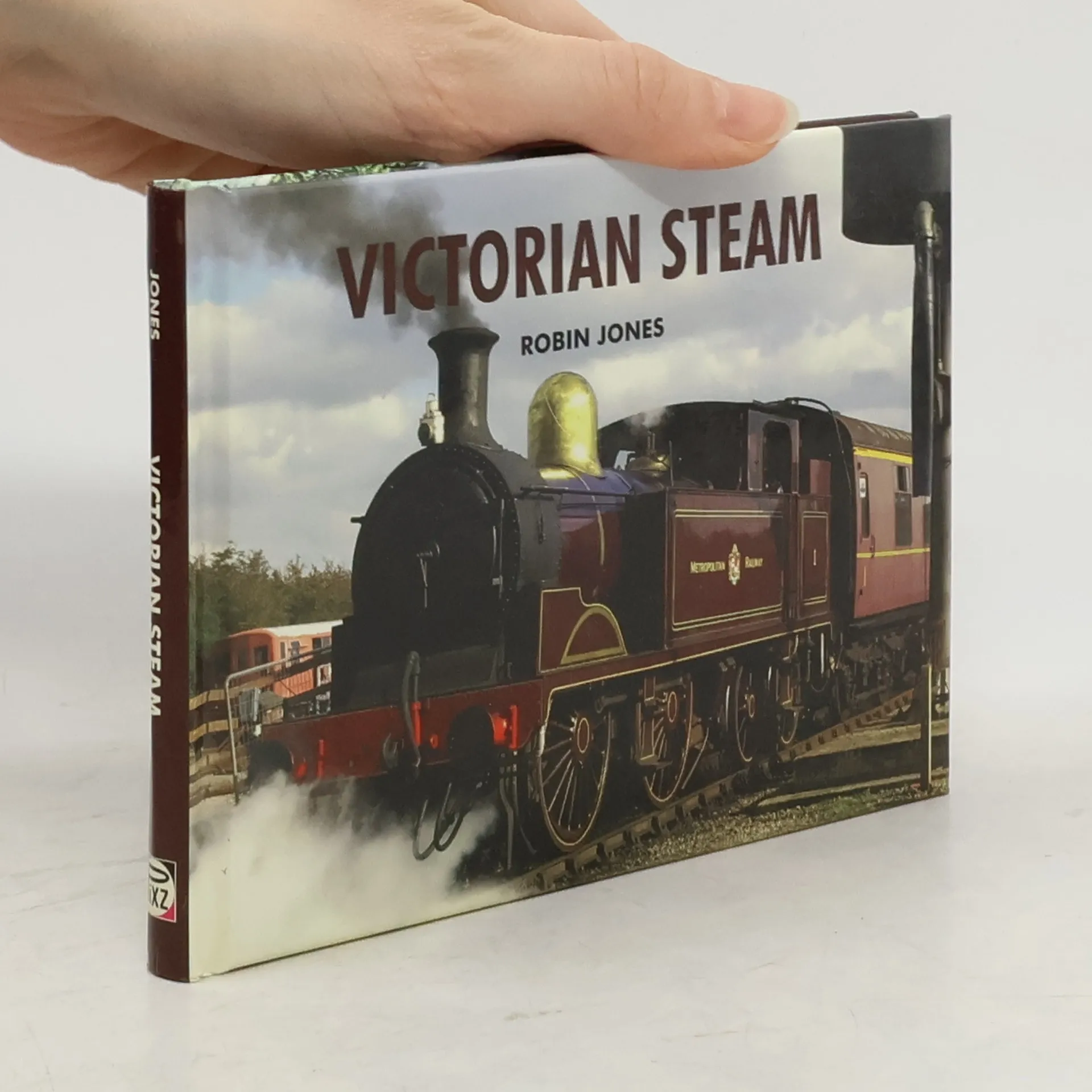
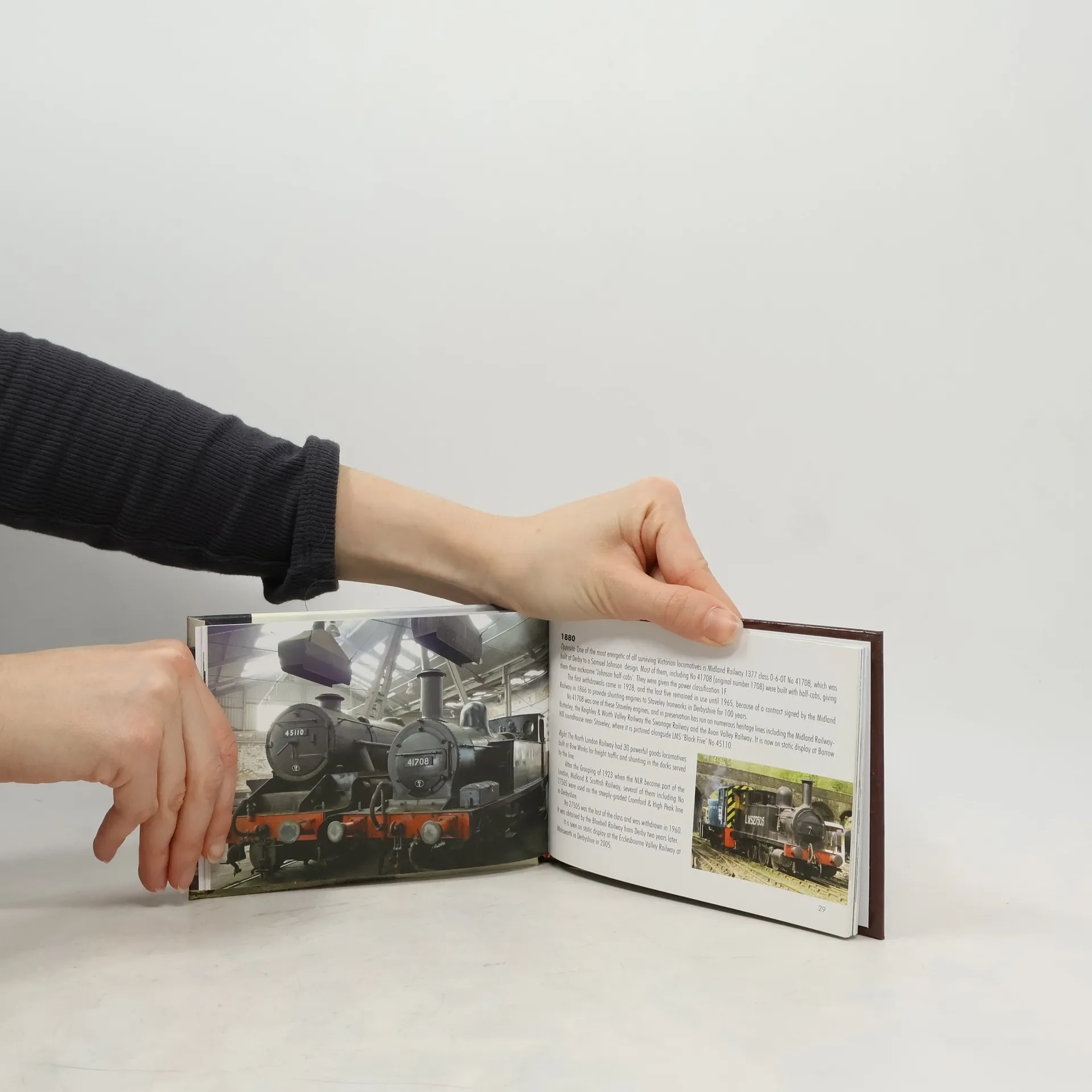
The steam railway was the backbone of the Victorian age, linking the Industrial Revolution, the British Empire, and the modern era. Railways evolved from small local services for mines and factories into main lines that drastically reduced travel times across Britain and beyond. This evolution spurred locomotive engineers to create more powerful and reliable engines for various purposes. As the national rail network expanded, competing companies raced to develop faster locomotives, exemplified by the famous Races to the North, which produced iconic steam engines like Patrick Stirling's Great Northern Railway singles. Smaller locomotives also significantly impacted industries, enabling extensive private railway systems for coal, iron, and quarrying operations. The mid-19th century saw the innovative use of steam on narrow-gauge lines, previously dominated by horse traction. By the end of the Victorian era, earlier locomotive designs with brass steam domes and large single driving wheels had transitioned to what we recognize as modern steam types, some enduring into the 1960s. By the 1890s, steam locomotives were also being constructed for tourism, as seen with the Snowdon Mountain Railway. Expert Robin Jones explores the engines that made Victorian Britain's railways world-renowned, featuring over 60 images and insightful text in a collectible pocket-size format.
Nákup knihy
Victorian Steam, Robin Jones
- Jazyk

- Rok vydání
- 2010
- Vazba
- (pevná)
Nikdo zatím neohodnotil.
- Titul
- Victorian Steam
- Jazyk
- anglicky
- Autoři
- Robin Jones
- Vydavatel
- PiXZ Books
- Rok vydání
- 2010
- Vazba
- pevná
- Počet stran
- 64
- ISBN10
- 1906887896
- ISBN13
- 9781906887896
- Série
- Štítky
- Technologie, Parní lokomotivy, Parní stroje
- Anotace
- The steam railway was the backbone of the Victorian age, linking the Industrial Revolution, the British Empire, and the modern era. Railways evolved from small local services for mines and factories into main lines that drastically reduced travel times across Britain and beyond. This evolution spurred locomotive engineers to create more powerful and reliable engines for various purposes. As the national rail network expanded, competing companies raced to develop faster locomotives, exemplified by the famous Races to the North, which produced iconic steam engines like Patrick Stirling's Great Northern Railway singles. Smaller locomotives also significantly impacted industries, enabling extensive private railway systems for coal, iron, and quarrying operations. The mid-19th century saw the innovative use of steam on narrow-gauge lines, previously dominated by horse traction. By the end of the Victorian era, earlier locomotive designs with brass steam domes and large single driving wheels had transitioned to what we recognize as modern steam types, some enduring into the 1960s. By the 1890s, steam locomotives were also being constructed for tourism, as seen with the Snowdon Mountain Railway. Expert Robin Jones explores the engines that made Victorian Britain's railways world-renowned, featuring over 60 images and insightful text in a collectible pocket-size format.